


Стандарти палетування алюмінієвих екструзійних профілів?

Якщо ви перевозите алюмінієві екструзійні вироби, ви знаєте, наскільки важливим є надійне та стабільне палетування. Але які існують точні стандарти для палетування алюмінієвих екструзій?
Палетування алюмінієвих екструзій вимагає дотримання певних стандартів для забезпечення безпечного транспортування. Це включає вибір правильного розміру палети, забезпечення стійкості та використання належних методів пакування для міжнародних перевезень.
Розуміння цих вимог допомагає зменшити ризик пошкодження під час транспортування. Розглянемо основні стандарти палетування алюмінієвих екструдерів.
Які розміри піддонів використовуються для алюмінієвих екструзій?
При перевезенні алюмінієвих екструзійних виробів вибір правильного розміру палети має вирішальне значення. Але як дізнатися, який розмір найкраще підійде для різних типів екструзійних виробів?
Найпоширеніші розміри піддонів для алюмінієвих екструзій - 48" x 40" (1200 мм x 1000 мм). Однак для більших або важчих профілів можуть знадобитися піддони нестандартного розміру.

Правильний розмір палети має важливе значення для уникнення будь-яких пошкоджень під час транспортування. Стандартні розміри, такі як 48" x 40" (1200 мм x 1000 мм), зазвичай використовуються для регулярних перевезень, оскільки вони підходять для більшості алюмінієвих екструзійних профілів. Однак для більших і важчих профілів, наприклад, тих, що використовуються в будівництві або сонячній енергетиці, потрібні піддони більшого розміру або за індивідуальним замовленням.
Ось коротке порівняння поширених розмірів палет та їх використання:
| Розмір палети (в дюймах) | Загальне використання | Максимальна вага вантажу |
|---|---|---|
| 48" x 40" | Стандарт для менших профілів | 2000 фунтів |
| 48" x 45" | Використовується для середніх профілів | 3000 фунтів |
| 48" x 48" | Поширені для надміцних профілів | 4000 фунтів |
Важливість розміру піддону також пов'язана з необхідністю збалансувати вагу профілю з міцністю піддону. Якщо піддон занадто малий для вантажу, профіль може зміститися, що призведе до його пошкодження. З іншого боку, занадто великі піддони можуть призвести до марнування простору та неефективності. Спеціальні палети можуть бути розроблені спеціально для певних профілів, але це збільшує вартість процесу транспортування.
Крім того, потрібно враховувати висоту. Для високих алюмінієвих екструзій можуть знадобитися спеціально розроблені піддони, щоб запобігти перекиданню або нестабільності профілів. Спеціальні піддони для конкретних профілів часто включають додаткові опорні балки або посилені кути для забезпечення стабільності вантажу.
Стандартні розміри піддонів, наприклад, 48\.Правда.
Поширені розміри, такі як 48\.
Спеціальні піддони не потрібні для всіх алюмінієвих екструзій.Неправда.
Важкі або негабаритні профілі потребують спеціальних піддонів для забезпечення безпеки та стабільності.
Як забезпечується стійкість профілю на палетах?
Забезпечення стабільності алюмінієвих профілів під час транспортування має важливе значення для уникнення будь-яких вигинів або зсувів. Але як саме ми можемо закріпити профілі на палеті?
Стабільність профілю досягається за допомогою різних методів, таких як надійне позиціонування, кутові захисні елементи та правильна техніка обгортання, щоб запобігти пошкодженню під час транспортування.
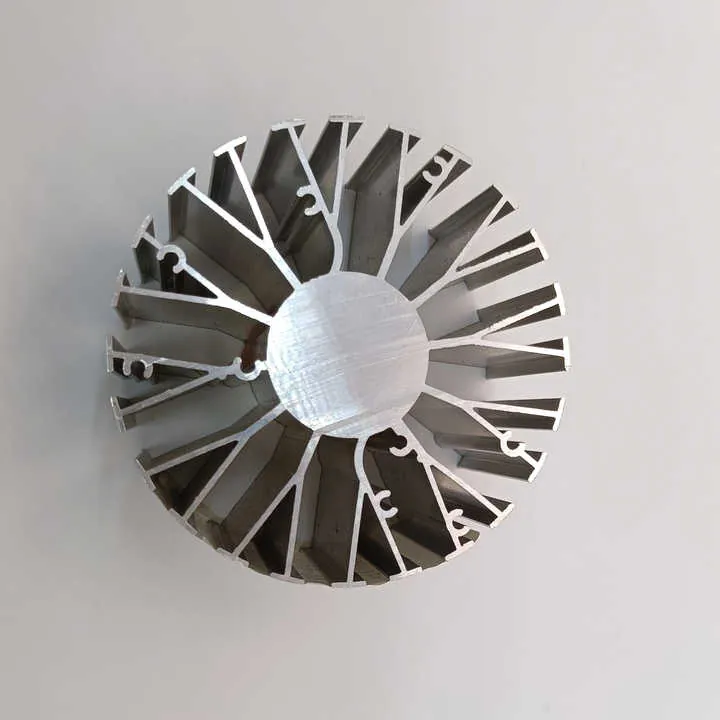
Стабільність профілю під час транспортування має вирішальне значення, особливо для алюмінієвих екструзій, які можуть бути легко зігнуті або пошкоджені. Стабільність зазвичай досягається за рахунок правильного укладання профілів на палети, які надійно закріплюють їх на місці.
Перший крок - правильне розташування на палеті. Профілі часто укладають вертикально, оскільки такий спосіб зменшує ризик згинання під вагою. Коли профілі укладають горизонтально, розподіл ваги може бути нерівномірним, що може призвести до деформації або вигину під час транспортування.
Розпірки, кутові захисні накладки та підкладки також є ключовими для підтримки стабільності. Кутові захисні елементи запобігають зсуву профілів і контакту з іншими предметами, що може призвести до пошкодження. Розпірки, які розміщуються між шарами профілів, допомагають рівномірно розподілити вагу. Прокладки, такі як пінопласт або бульбашкова плівка, часто розміщують між профілями і по краях, щоб поглинати удари при переміщенні.
Обв'язка або стретч-плівка зазвичай використовується для того, щоб щільно прикріпити профілі до палети. Обв'язка забезпечує додаткову підтримку, гарантуючи, що вантаж залишається стабільним, навіть якщо палету переміщують або нахиляють. Стретч-плівка використовується для обгортання всього піддону, створюючи щільний, надійний шар навколо профілів. Це особливо важливо для алюмінієвих профілів, які часто мають велику довжину і можуть бути схильні до переміщення під час транспортування.
Для важчих або довших профілів може знадобитися додаткове зміцнення. Деякі виробники використовують посилені піддони з додатковими опорними балками, щоб профілі не зміщувалися під час транспортування.
Стабільність профілю забезпечується кутовими захисниками та правильною обв'язкою.Правда.
Кутові захисні планки та обв'язка забезпечують надійне кріплення профілів під час транспортування.
Профілі завжди укладаються горизонтально для економії місця.Неправда.
Профілі зазвичай укладаються вертикально для кращого розподілу ваги та стабільності.
Стретч-плівка або стрічки є кращими для палетування?
Стретч-плівки та стрічки часто використовуються для палетування алюмінієвих екструзій, але що вибрати для оптимального захисту під час транспортування?
Стретч-плівка і стрічки необхідні для палетування алюмінієвих екструзійних виробів, але їх поєднання часто є найкращим рішенням для забезпечення стабільності та безпеки вантажу.
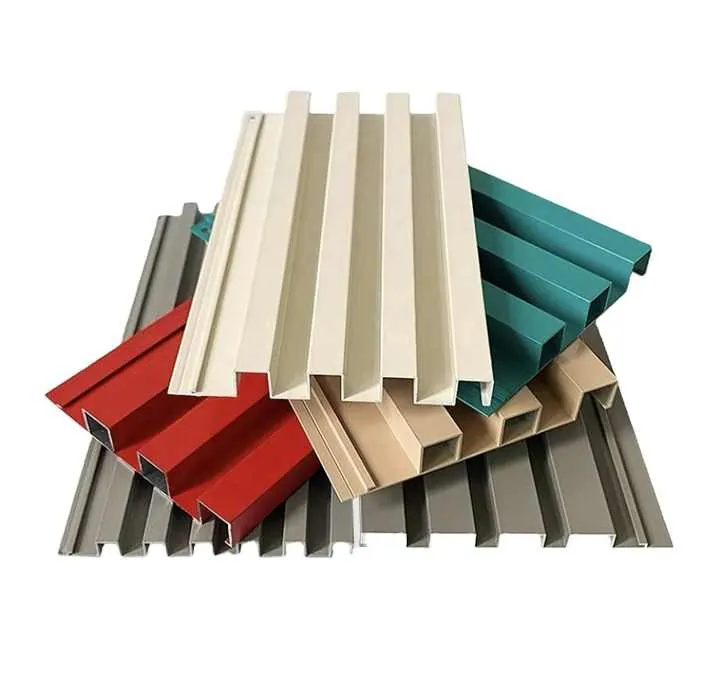
Під час палетування алюмінієвих екструзійних виробів стретч-плівка та ремені відіграють важливу роль у фіксації вантажу. Хоча обидва засоби ефективні самі по собі, використання їх разом зазвичай є найкращою практикою для досягнення максимальної стабільності.
Стретч-плівка найчастіше використовується для обгортання всього піддону. Вона створює щільне, надійне з'єднання навколо профілів, що запобігає їх зсуву під час транспортування. Стретч-плівка еластична, тобто може розтягуватися навколо неправильних форм і адаптуватися до розміру вантажу. Плівка забезпечує захисний бар'єр від пилу, вологи та бруду, що допомагає зберегти алюмінієві профілі чистими під час транспортування.
Ремені, з іншого боку, використовуються для щільного прикріплення профілів до піддону. Вони забезпечують додаткову стабільність, утримуючи вантаж на місці, навіть якщо піддон піддається грубому поводженню. Стрічки особливо важливі при роботі з важкими або негабаритними профілями, оскільки вони додають рівень безпеки, який не може забезпечити лише стретч-плівка.
У деяких випадках обв'язка може також використовуватися для кріплення окремих профілів, особливо при транспортуванні декількох менших профілів або крихких предметів. Обв'язка також може використовуватися для закріплення шарів профілів на піддоні, запобігаючи їхньому зсуву або зміщенню під час транспортування.
Поєднання стрейч-плівки та ременів забезпечує міцне утримання алюмінієвих профілів на місці, зменшуючи ризик їх пошкодження. Головне, щоб стрейч-плівка була накладена щільно і рівномірно, а стяжки були затягнуті без пошкодження профілів.
Стретч-плівка забезпечує захисний шар від бруду та вологи.Правда.
Стретч-плівка слугує бар'єром для захисту алюмінієвих профілів від зовнішніх впливів.
При використанні стретч-плівки ремені не потрібні.Неправда.
Ремені часто використовують зі стрейч-плівкою для додаткової стабільності, особливо для важких профілів.
Чи потрібні для міжнародних перевезень спеціальні піддони?
Міжнародні перевезення часто вимагають особливих стандартів палет. Але чи відрізняються ці піддони для перевезення алюмінієвих екструзій?
Так, для міжнародних перевезень можуть знадобитися піддони, які відповідають міжнародним стандартам, таким як ISPM 15, який регулює обробку дерев'яних піддонів для запобігання зараженню шкідниками.
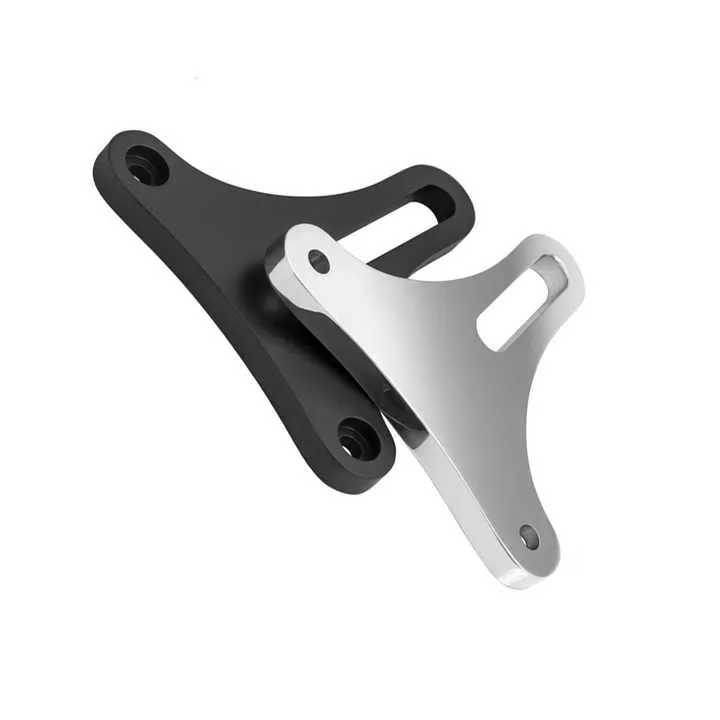
Під час міжнародних перевезень алюмінієвих екструзійних виробів важливо дотримуватися різних міжнародних стандартів щодо палет. Одним з найважливіших правил є стандарт ISPM 15, який застосовується до дерев'яних піддонів. Цей стандарт гарантує, що дерев'яні піддони обробляються для запобігання поширенню шкідників і хвороб між країнами.
МСФЗ 15 вимагає, щоб дерев'яні піддони проходили термічну обробку або фумігацію для знищення будь-яких комах або личинок, які можуть бути присутніми в деревині. Після обробки на піддони наноситься сертифікаційний знак, що підтверджує відповідність стандарту. Це важливо для запобігання поширенню шкідників, які можуть призвести до серйозної екологічної та сільськогосподарської шкоди в країні-імпортері.
Однак використання дерев'яних піддонів не завжди є обов'язковим. У деяких випадках, щоб відповідати вимогам міжнародних перевезень, можна використовувати алюмінієві, пластикові або інші матеріали. Ці альтернативні піддони часто довговічніші і можуть бути кращими для важких алюмінієвих екструзійних вантажів. Вони також не потребують такої ж обробки, як дерев'яні піддони, що робить їх більш простим і надійним варіантом для міжнародних перевезень.
Ще одним важливим фактором є обмеження на розмір і вагу, встановлені деякими країнами. У різних регіонах можуть діяти особливі вимоги до розмірів палет і вагових обмежень. Наприклад, палети в Європейському Союзі повинні відповідати певним вимогам до розміру, тоді як у США можуть діяти інші правила.
Нарешті, при міжнародних перевезеннях важливо переконатися, що вся упаковка достатньо міцна, щоб витримати транспортування на великі відстані та вантажно-розвантажувальні роботи. Це означає, що профілі повинні бути надійно закріплені, загорнуті та захищені від пошкоджень під час транспортування.
Для міжнародних перевезень часто потрібні піддони, що відповідають вимогам ISPM 15.Правда.
ISPM 15 гарантує, що дерев'яні піддони не містять шкідників і хвороб, що відповідає міжнародним стандартам.
Міжнародні піддони завжди повинні бути виготовлені з дерева.Неправда.
Пластикові та алюмінієві піддони також можна використовувати для міжнародних перевезень, уникаючи вимог МСФЗ 15.
Висновок
Для забезпечення безпечного та ефективного транспортування алюмінієвих екструдерів важливо правильно вибрати розмір палети, належним чином закріпити профілі та використовувати правильні способи пакування. Дотримуючись цих стандартів, ви зможете уникнути пошкоджень під час транспортування і забезпечити безпечне прибуття вашого вантажу.


