what does boeng use aluminum extrusion?
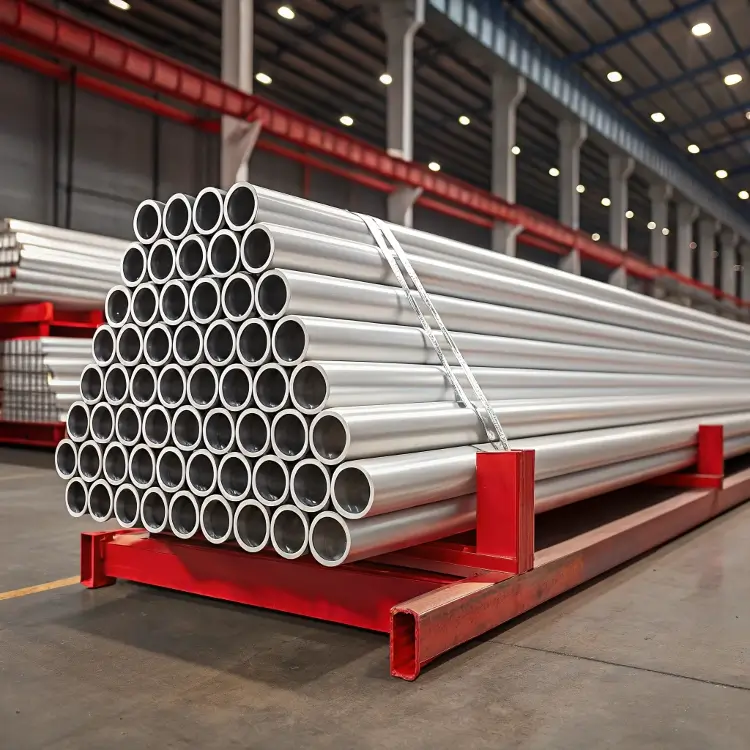
You might ask why Boeing uses aluminum extrusion rather than only sheet or composite—costs, strength, shape complexity all matter.
Boeing uses aluminum extruded profiles because they enable strong, lightweight, complex‑shaped structural components that meet aerospace quality and certification requirements.
Let’s explore why Boeing relies on them, what types fit aerospace use, how the strength‑to‑weight benefit works, and how advanced alloys enhance performance.
Why Boeing relies on aluminum extrusions?
You may wonder: what is so special about aluminum extrusions for Boeing’s aircraft?
Boeing relies on extrusions because they allow custom shapes, consistent high‑quality production, and structural reliability for aircraft frames and interiors.

When building aircraft such as those by Boeing, the demands on materials go beyond simply being light. The components must meet high structural strength, fatigue resistance, dimensional consistency, traceability for certification, and the ability to form complex profiles that integrate multiple functions (for example, channeling wiring, mounting brackets, reinforcement ribs). Aluminum extrusion gives the capability to push or pull heated aluminum alloy through a die to form continuous lengths of complex cross‑section profiles. As one supplier states, Boeing (BAC) extrusion shapes include angles, channels, tees, seats‑tracks and other shapes made from alloys such as 2024, 6061, 7075, 7050 or 7178.
A further benefit: extruded profiles have fewer joints compared to assembling many individual parts, which reduces fastener count and potential failure points. Also, because the extrusion process can produce custom cross‑sections, Boeing can order profiles that integrate flanges, ribs, and channels in one piece, improving production efficiency. Moreover, distributors of aerospace extrusions explicitly list Boeing part‑numbers (BAC numbers) as standard aerospace inventory, underlining that Boeing’s supply chain supports extrusion‑based components.
From a manufacturing perspective, Boeing’s reliance also comes from the supply‑chain maturity: extrusion mills and suppliers have long experience producing complex shapes for Boeing aircraft. For example, one article notes that extruded shapes are used for “structural flight critical components … for various Boeing Commercial airplanes including 747, 767, 777 & 787 airframes.”
Boeing uses only sheet aluminum and never extrusion in their aircraft frames.Неправда.
Boeing uses extruded aluminum profiles in its airframe structures, as evidenced by BAC‑extrusion part numbers and aerospace inventory of Boeing extrusions.
Aluminum extrusion simplifies assembly by reducing the number of joints and fasteners.Правда.
Because extrusion can form features like flanges and ribs in one piece, fewer added parts and fasteners are needed, simplifying assembly and reducing failure points.
What extrusion types fit aerospace needs?
You might ask: which extrusion shapes and alloys match the demanding environment of aerospace for Boeing?
The extrusion types for aerospace include specialized shapes (angles, channels, tees, seat tracks, wide‑flange beams) manufactured in high‑performance alloys (2024, 6061, 7075, 7050 etc) to meet airframe structural requirements.
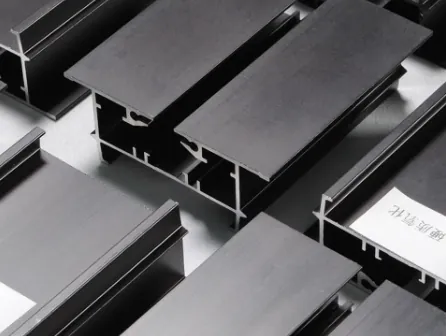
Aerospace application of extrusions means that the shapes and alloys must be tailored for strength, fatigue resistance, corrosion resistance and certification traceability. Suppliers identify that standard profiles for Boeing have part numbers starting “BAC1503”, “BAC1504”, “BAC1510” and others, covering angles, channels, filled bars, tees and custom shapes.
The shape types typically include:
- Angles and unequal‑leg angles (for frame corners and brace members)
- Channels and C‑sections (for stringers, stiffeners)
- T‑sections, wide‑flange beams and H‑sections (for main structural support)
- Seat tracks and interior extruded rails (for cabin mounting)
- Bulb‑angles and custom shapes integrating mounting flanges and ribs
The alloy grades matter: Aerospace distributors list 2024, 6061, 7050, 7075, 7178 among the supported grades for Boeing extrusions.
The choice of shape and alloy depends on where in the aircraft the component is: high‑stress zones (wing spars, landing gear support) might use 7075 or 7050; secondary structure might use 6061; interior mounting tracks might use 6063 etc.
Thus for Boeing the extrusion types are highly engineered: custom section shapes, precise tolerances, aerospace‑grade alloys, and full traceability.
| Extrusion Type | Typical Use in Aircraft | Typical Alloy(s) |
|---|---|---|
| Angle / Bulb Angle | Frame corners, structural braces | 2024, 7075 |
| Channels / C‑sections | Stringers, stiffeners | 6061, 7050 |
| T‑sections / Wide‑Flange | Longerons, main beams | 7075, 7178 |
| Seat Tracks / Interior Rails | Cabin mounting, fixtures | 6061, 6063 |
| Custom profiles (bulb‑flange integrals) | Integrated mounting + structure | 7050, 7075 |
All aerospace extrusions for Boeing use only 6000‑series aluminum alloys.Неправда.
While 6000‑series alloys are used, aerospace extrusions also frequently use 7000‑series alloys (like 7075, 7050) for higher strength zones.
A variety of cross‑section shapes (angles, channels, tees, seat tracks) are used in aerospace extrusions for Boeing.Правда.
Inventory and supplier catalogues list many shapes identified by Boeing BAC numbers, including angles, channels, T‑sections, seat tracks.
How strength-to-weight benefits aviation?
You may wonder: how exactly does using extrusion and aluminum support Boeing’s need for strength and light weight?
Using extruded aluminum parts gives Boeing a high strength‑to‑weight ratio, enabling flight‑critical structure to be lighter, maintain performance, reduce fuel usage and meet certification standards.
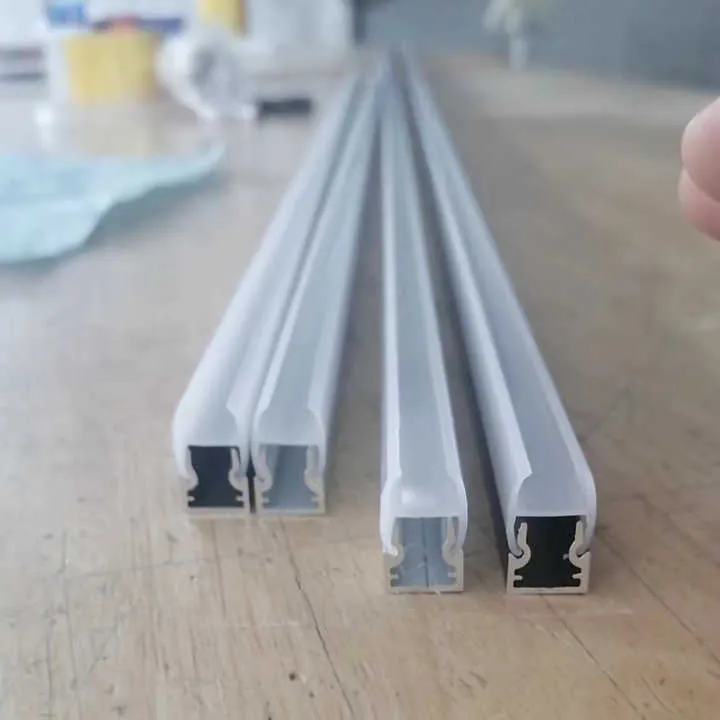
In aviation, every kilogram matters. Lighter structures mean less fuel consumption, more payload, better operational cost. Extruded aluminum profiles help by combining efficient load‑bearing cross‑sections with the light weight of aluminum. For instance, high‑strength aluminum alloys such as 7075 can reach yield strengths near steel levels but at much reduced density.
Because extrusion allows custom cross‑sections, designers can place material only where it’s needed (flanges, ribs, webs) and reduce redundant mass. This means that for the same structural role you may use less material than a simple rectangular bar, resulting in weight savings. Moreover, fewer fasteners and joints contribute less mass and fewer stress‑concentration points.
In the case of Boeing, the ability to mass‑produce extruded shapes means that structural members can be standardized, repeatable, and certified while still optimized for weight. One supplier noted: “Our extruded shapes are used for important components of aerospace vehicles … for various Boeing commercial airplanes including 747, 767, 777 & 787 airframes.”
Light weight also improves aircraft performance: fuel efficiency improves, take‑off weight decreases, longer range or more payload is possible. Additionally, extruded structures can resist fatigue and distribute loads more evenly because of the optimized geometry, thereby improving durability of the aircraft lifecycle.
Benefits of strong, lightweight extrusions for aviation
- Reduced structural weight → Lower fuel consumption
- Custom profiles → Maximised structural efficiency
- Fewer joints/fasteners → Less weight, fewer weak points
- High‑performance alloy options → Maintain strength while reducing mass
- Repeatable manufacturing → Consistent certification and reliability
Switching to extruded aluminum profiles allows aircraft manufacturers to increase structural weight.Неправда.
Actually, extruded aluminum profiles are used to reduce structural weight while maintaining required strength, not increase weight.
High strength aluminum extrusions help reduce fuel consumption by lowering aircraft structural weight.Правда.
Reducing structural weight lowers fuel usage, improving efficiency for aircraft such as those built by Boeing.
Can aerospace alloys enhance performance?
You might ask: what special alloys do aerospace extrusions use and how do they boost performance for Boeing?
Yes — aerospace‑grade alloys (such as 7075, 7050, 7178, 2024) used in extrusions give Boeing higher performance in terms of strength, fatigue resistance, corrosion resistance and certification traceability.
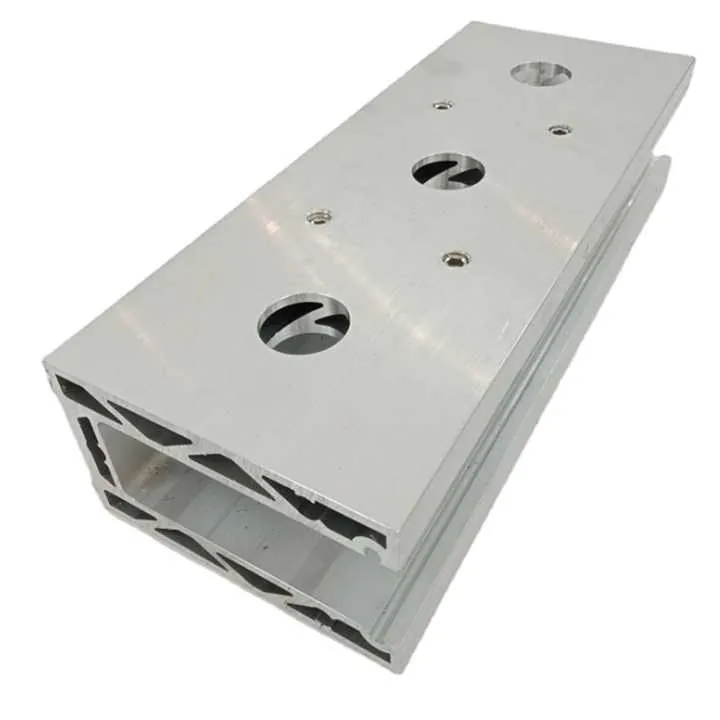
Aerospace applications demand more than generic aluminum. The alloys must meet specific strength, fatigue, fracture toughness, corrosion protection, manufacturability and certification standards (AS9100, NADCAP, AMS, BAC part numbers). Suppliers list that aerospace aluminum extrusions are produced in high‑performance alloys: 2024, 6061, 7050, 7075, 7178.
For example, 7075‑T6 is one of the strongest aluminum alloys, widely used for highly stressed structural parts. Alloys such as 7050 and 7178 offer improved fatigue resistance, damage tolerance and reliability under cyclic loading — critical for aircraft life‑cycle performance.
Components built from these alloys and extruded shapes allow Boeing to push the performance envelope: higher loads, fewer parts, lighter weight, longer life. Also extrusion allows tight tolerances, traceability (for BAC part numbers), and compatibility with joining processes (riveting, fastening, welding) used in aircraft assembly.
From a business perspective (Sinoextrud) where you produce large aluminium extrusions for sectors like solar frames or industrial machine frames, you can draw parallels: choosing the right alloy, controlling extrusion process, providing documentation and certifications all matter — even though the load‑cases may differ from aerospace.
One additional point: while composites are increasing in aircraft (for example in the Boeing 787 fuselage) aluminum extrusions remain relevant for many structural and secondary applications due to cost, manufacturability, repairability, and supply‑chain maturity. In other words, advanced alloys keep aluminum extrusion competitive.
In summary: aerospace alloys in extrusion form enhance performance by combining optimized geometry with top‑tier material properties.
Using standard non‑aerospace aluminum alloys (eg 6063‑T6) is always sufficient for Boeing’s structural applications.Неправда.
Some Boeing structural components require higher strength and fatigue/resistance alloys such as 7075 or 7050, not just standard 6063.
Aerospace‑grade materials used in extrusions provide higher fatigue resistance, strength‑to‑weight and traceability required by Boeing.Правда.
The use of alloys like 7075, 7050 and certification systems support these performance and compliance needs.
Висновок
Boeing uses aluminum extrusion because custom‑shaped, high‑performance, lightweight profiles fit its aircraft structural and interior needs. The correct extrusion types and advanced alloys enable strong, efficient and certified components—and this is precisely why extrusion remains vital in aerospace manufacturing.