Why Choose Stocked or Custom Aluminum Heatsink Extrusions?
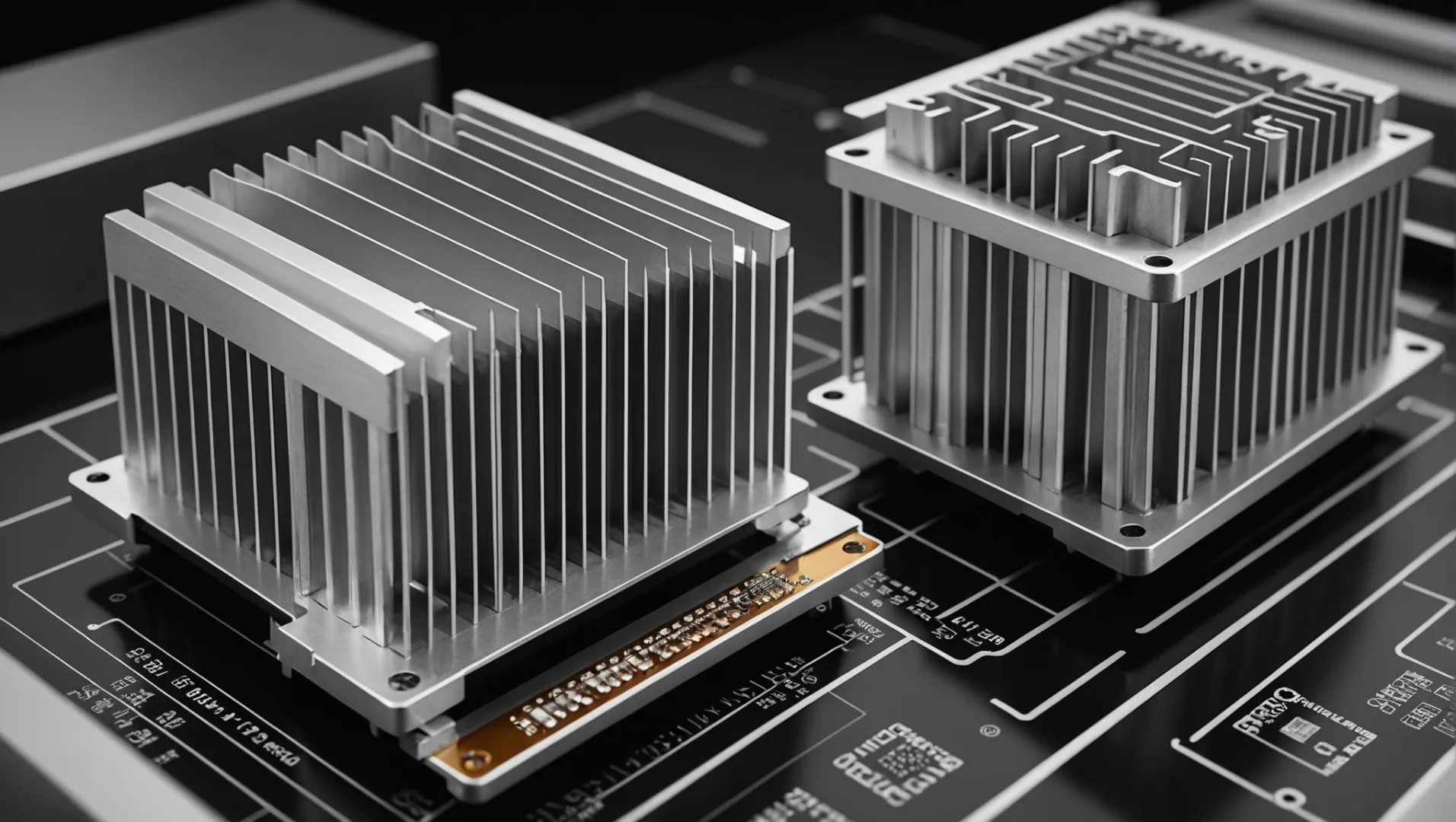
Choosing the right aluminum heatsink extrusion is vital for effective thermal management in electronic devices. But should you go with stocked or custom extrusions?
Stocked aluminum heatsink extrusions are cost-effective and readily available, ideal for standard applications. Custom extrusions offer precise thermal management tailored to specific project requirements, ensuring optimal performance.
While stocked options may suit general applications, custom extrusions provide unique benefits that could significantly enhance your project’s efficiency. Dive deeper into the specifics of each to make the best choice for your needs.
Stocked heatsinks are ideal for projects with tight deadlines.True
Stocked heatsinks offer immediate availability, reducing lead times.
What Are the Advantages of Stocked Aluminum Heatsink Extrusions?
Stocked aluminum heatsink extrusions offer a cost-effective and readily available solution for efficient thermal management in various applications.
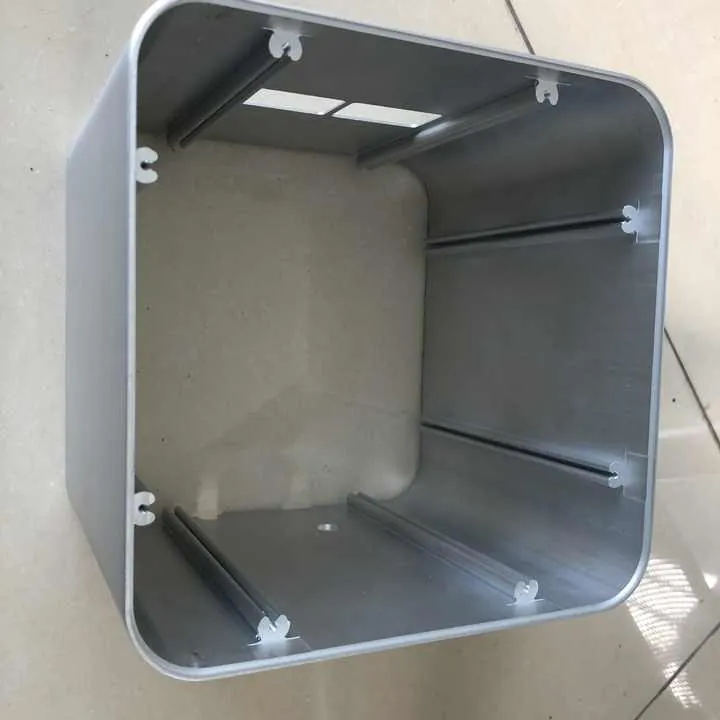
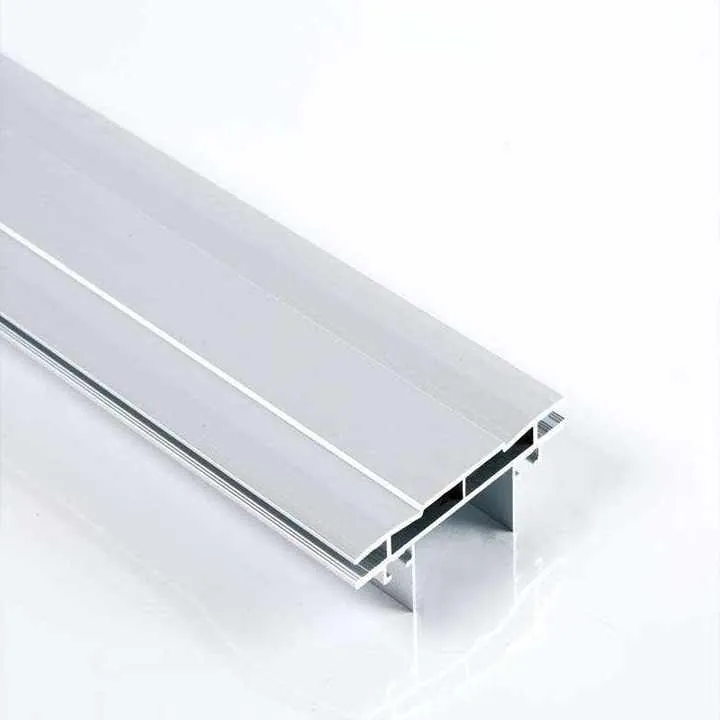
Stocked aluminum heatsink extrusions provide immediate availability, cost savings, and a wide range of standard sizes and designs, making them ideal for quick-turnaround projects.
Immediate Availability
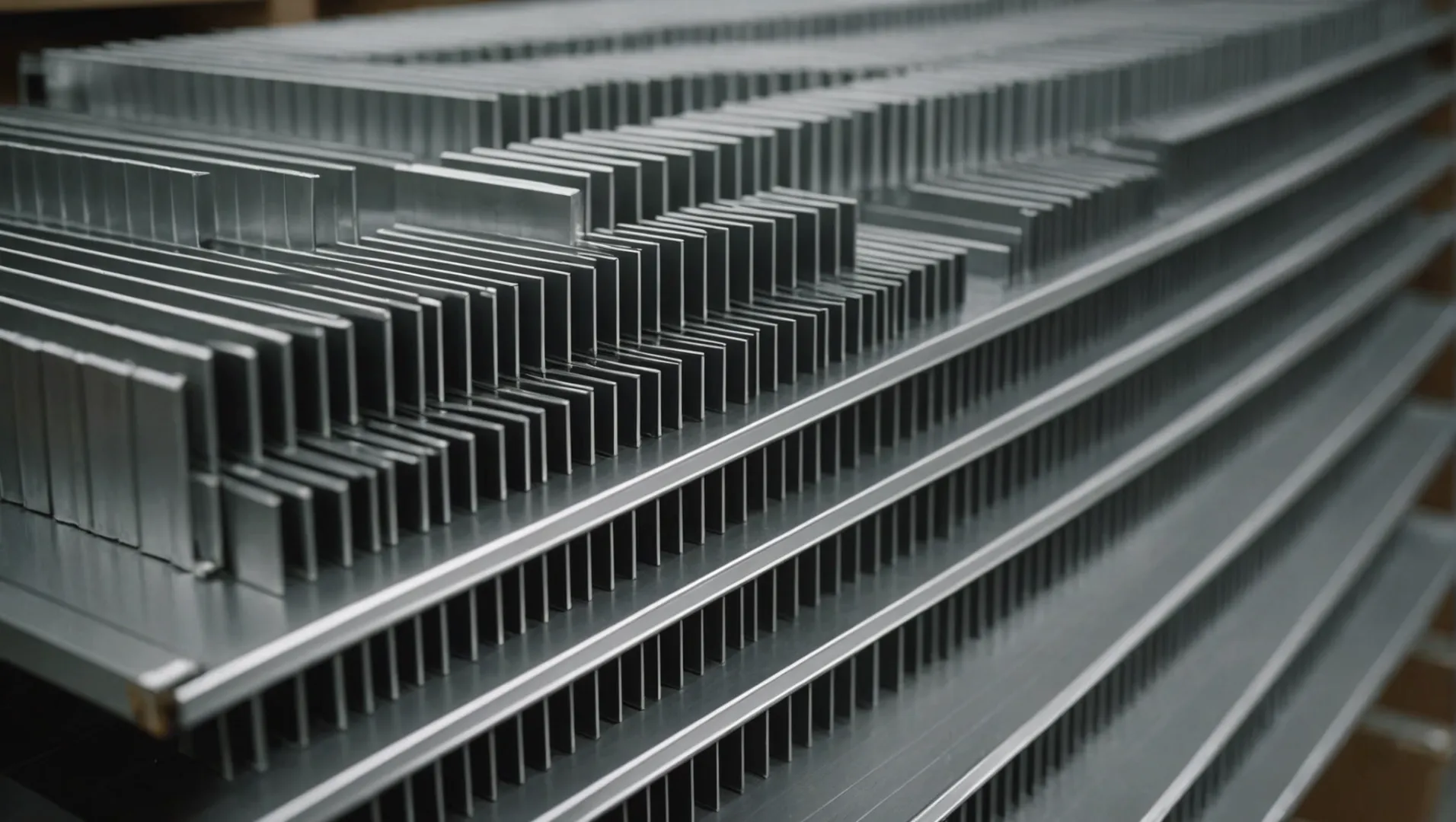
One of the primary advantages of stocked aluminum heatsink extrusions is their immediate availability1. Unlike custom options, which may require additional lead time for design and manufacturing, stocked extrusions are readily accessible, allowing for faster project completion. This is especially beneficial in industries where time-to-market is crucial.
Cost Efficiency
Stocked aluminum heatsinks often come at a lower cost compared to custom options. This is because they are produced in larger quantities and are designed to cater to a broad range of applications. By choosing a stocked heatsink, businesses can avoid the costs associated with custom die creation and the trial-and-error phase of custom manufacturing.
Versatility and Range
The range of stocked aluminum heatsink extrusions is quite broad, with many sizes and shapes available to accommodate different thermal management needs. This versatility means that businesses can often find a suitable heatsink without the need for custom development. For example, stocked options can include round heatsinks for cooling fans or straight fins for LED streetlights.
| Type | Common Applications |
|---|---|
| Round Aluminum Heatsinks | Cooling fans, LED lights |
| Straight Fins Aluminum | Electronic devices, industrial machinery |
Quality Assurance
Manufacturers like sinoextrued ALUMINIUM ensure high standards of quality for their stocked heatsinks by adhering to national and international standards such as GB/T6892 and ASTM B221. This means that even without customization, the heatsinks maintain high performance levels, meeting rigorous quality requirements.
Additional Services
Many suppliers of stocked aluminum heatsink extrusions offer additional services such as CNC machining, anodizing, and powder coating. These services can enhance the functionality and aesthetics of the heatsinks without the need for full customization. For instance, anodizing improves corrosion resistance, which can be critical for outdoor applications.
Choosing between stocked and custom aluminum heatsink extrusions depends on several factors including time constraints, budget considerations, and specific thermal management needs. Stocked options provide a practical solution for many standard applications, offering both efficiency and economy.
Stocked aluminum heatsinks are more expensive than custom ones.False
Stocked heatsinks are cheaper due to mass production and no custom die costs.
Immediate availability is a key advantage of stocked heatsinks.True
Stocked heatsinks are readily accessible, reducing project lead times.
When Should You Opt for Custom Aluminum Heatsink Extrusions?
Custom aluminum heatsink extrusions can be the perfect solution for complex thermal management needs in specialized applications.
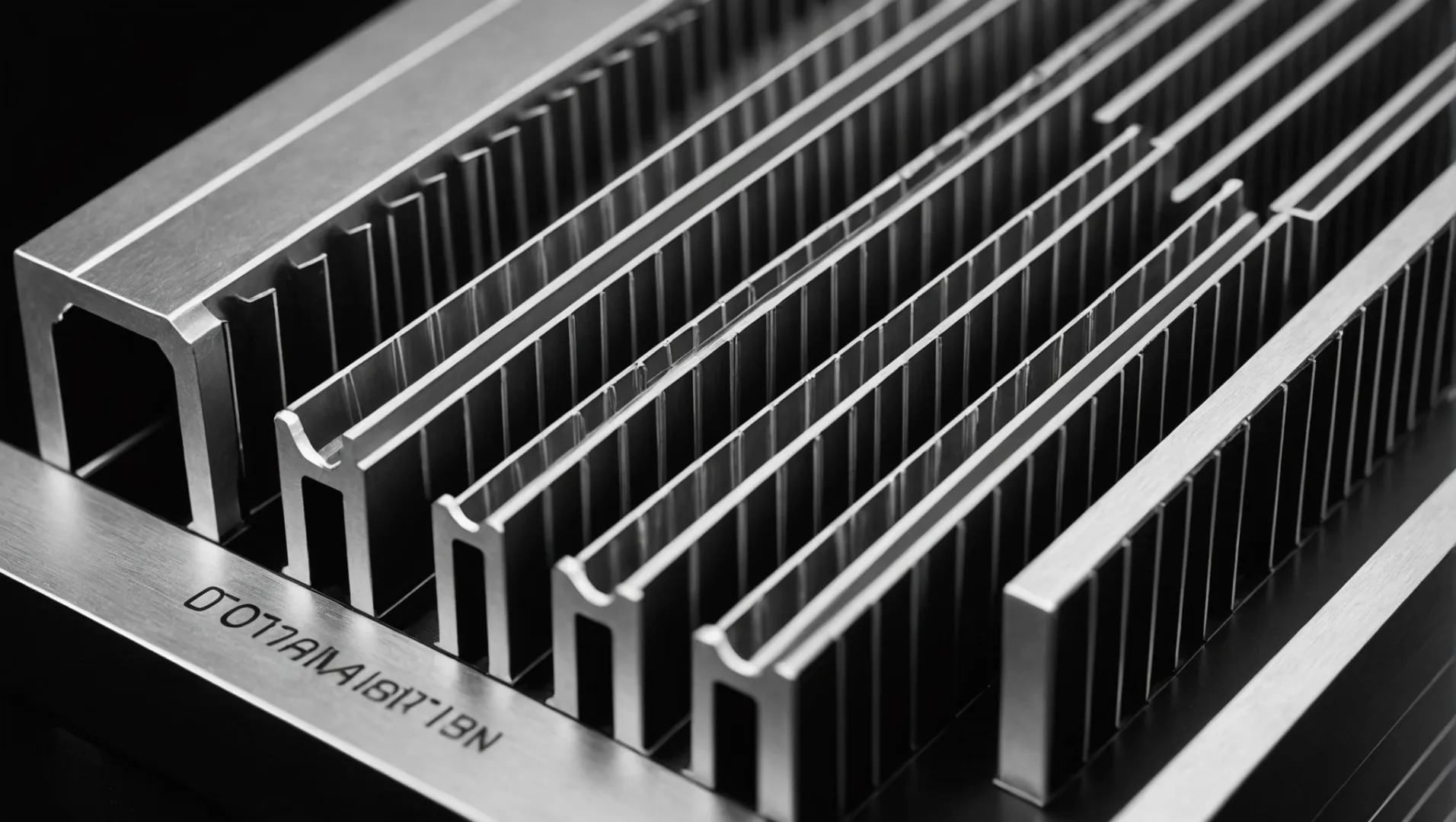
Opt for custom aluminum heatsink extrusions when you require specific thermal solutions for unique applications, intricate designs, or have strict performance standards. They provide tailored fit, enhanced heat dissipation, and compatibility with bespoke electronic components.
Tailored Solutions for Unique Applications
When your project involves distinct requirements or intricate configurations, custom aluminum heatsink extrusions become indispensable. These are specifically designed to meet the unique thermal management needs of your application, whether it’s for advanced computing2 systems, high-power LED lighting, or cutting-edge automotive electronics.
A custom extrusion allows for optimized thermal performance by providing a perfect fit that enhances heat dissipation. Unlike generic heatsinks, which might not adequately address the thermal output of specialized components, a custom solution ensures that each fin and contour is precisely engineered to maximize efficiency.
Intricate Design Compatibility
Custom heatsink extrusions are particularly beneficial when dealing with complex electronic assemblies where standard shapes simply won’t suffice. For instance, if your project involves high-density PCBs3, these custom heatsinks can be adapted to the specific layout and space constraints, ensuring an effective heat management strategy without compromising on space or design integrity.
These extrusions also support varied anodizing and coating options, providing additional corrosion resistance and aesthetic appeal tailored to your product’s design language.
Meeting Strict Performance Standards
In sectors where performance standards are non-negotiable, such as aerospace or military applications, custom extrusions become crucial. They allow you to meet stringent requirements for durability, thermal efficiency, and compliance with industry-specific standards like ASTM B2214 or EN755.
Opting for custom solutions also enables integration with advanced cooling technologies such as liquid cooling paths within the heatsink structure, offering superior heat management that stocked solutions may not provide.
Considerations for Customization
Before choosing custom extrusions, assess factors like budget, lead time, and the potential need for prototyping5. Custom solutions generally involve higher initial costs due to tooling and design requirements. However, they can lead to significant savings in long-term performance optimization and reduced component failure rates. Additionally, working with experienced manufacturers like sinoextrued ALUMINIUM ensures high-quality tooling and material standards, which are critical in producing reliable and efficient heatsinks.
| Factors | Stocked | Custom |
|---|---|---|
| Cost | Lower initial cost | Higher initial cost |
| Lead Time | Shorter | Longer |
| Design Flexibility | Limited | High |
| Performance Optimization | Standard | Tailored |
| Aesthetic Customization | Minimal | Extensive |
When deciding whether to invest in custom aluminum heatsink extrusions, weigh these considerations carefully to align with your project’s objectives.
Custom extrusions fit better than generic heatsinks.True
Custom extrusions are designed for specific applications, ensuring a perfect fit.
Stocked heatsinks offer more design flexibility than custom ones.False
Custom heatsinks provide higher design flexibility to meet unique needs.
How Do Material Properties Affect Heat Dissipation in Heatsinks?
Material properties are crucial in determining the efficiency of heat dissipation in heatsinks, impacting electronic performance.
Material properties such as thermal conductivity, specific heat capacity, and surface finish significantly influence heatsink efficiency by affecting heat transfer rates and distribution.
Thermal Conductivity: The Backbone of Heat Dissipation
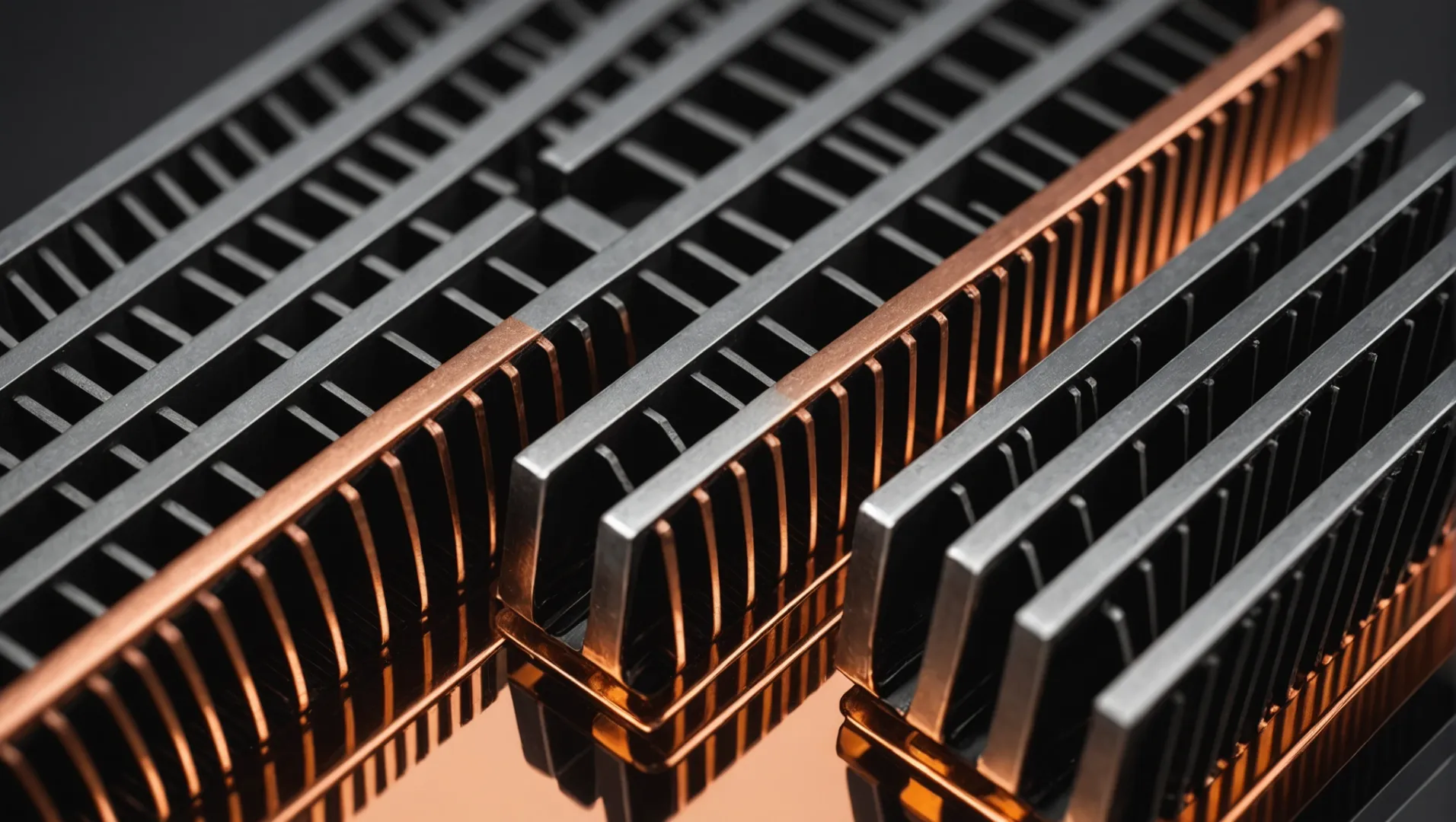
Thermal conductivity is the primary property that affects a heatsink’s ability to dissipate heat. Materials with high thermal conductivity, like aluminum and copper, allow heat to flow quickly through the heatsink, transferring it away from the source. For instance, aluminum alloys like 6061 and 6063 are commonly used due to their balance of thermal performance and cost-effectiveness.
- Aluminum 6063: Known for its excellent thermal conductivity (160-180 W/m·K), this alloy is a popular choice for heatsink applications6.
- Copper: With even higher conductivity than aluminum, copper offers superior heat dissipation but at a higher cost and weight.
Specific Heat Capacity: Storing and Distributing Heat
Specific heat capacity measures how much heat a material can store. A higher specific heat capacity allows a heatsink to absorb more heat before its temperature rises significantly. This property is particularly beneficial in applications with fluctuating thermal loads.
| Material | Specific Heat Capacity (J/kg·K) |
|---|---|
| Aluminum | 900 |
| Copper | 385 |
Surface Finish: Enhancing Efficiency
The surface finish of a heatsink can significantly affect its performance by influencing emissivity and convection. Anodizing aluminum not only improves corrosion resistance but also enhances thermal radiation, assisting in effective heat dissipation. Black anodized surfaces are particularly effective because they emit more heat than unfinished surfaces.
Geometric Design: Maximizing Surface Area
The physical design of the heatsink, such as fins’ shape and size, plays a crucial role in maximizing surface area for improved heat dissipation. Innovative shapes like combs or fishbones increase the surface area without significantly adding to the material cost or weight, making them ideal for compact or high-performance applications.
Understanding these material properties is essential when selecting or designing a heatsink for any electronic application. By evaluating the thermal conductivity, specific heat capacity, surface finish, and design considerations, one can optimize a heatsink’s performance to suit specific operational needs.
Copper has higher thermal conductivity than aluminum.True
Copper's thermal conductivity exceeds aluminum, enhancing heat dissipation.
Anodizing decreases the emissivity of aluminum heatsinks.False
Anodizing increases emissivity, improving the heat dissipation efficiency.
What Are the Cost Implications of Stocked vs. Custom Heatsinks?
Choosing between stocked and custom heatsinks impacts both budget and project efficiency significantly.
Stocked heatsinks are generally more cost-effective due to no minimum order requirements and readily available dies, making them ideal for standard projects. Custom heatsinks, while potentially more expensive upfront, offer tailored solutions that can enhance performance and reduce long-term costs by improving thermal management.
Cost Benefits of Stocked Heatsinks
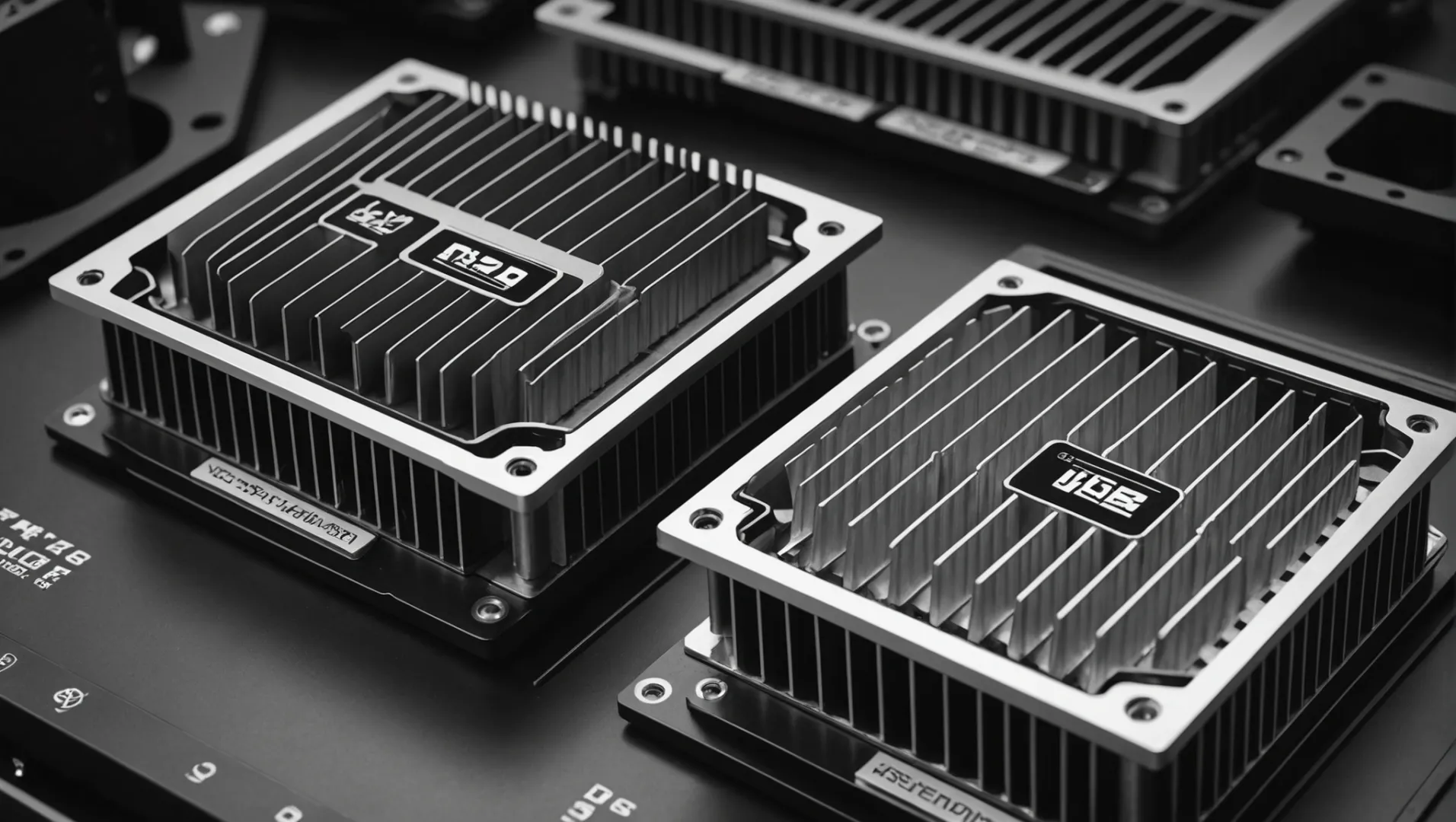
Stocked aluminum heatsinks present a straightforward solution for projects where budget constraints are critical. With no minimum order quantity required, businesses can save significantly on prototypes and small-scale projects. The existing dies mean that tooling costs are minimized, and the lead times are reduced since the products are ready for immediate delivery. This can be particularly beneficial for projects that need to adhere to tight timelines or where frequent design changes are not anticipated.
Furthermore, stocked options often come in a variety of sizes and shapes, such as round aluminum heatsinks7 and straight fins aluminum heatsinks8, allowing for some flexibility in meeting specific needs without the added expense of custom tooling.
When Custom Heatsinks Justify Their Cost
Custom heatsinks, although requiring a higher initial investment, provide precise thermal solutions tailored to specific project needs. This precision can translate into better thermal management, leading to enhanced device performance and longevity. The customization process allows for unique designs, such as fishbone or tree shapes, which can significantly improve heat dissipation efficiency.
While the upfront costs are higher due to custom die creation and longer lead times, these are often offset by the benefits of improved heat management. This can result in long-term savings through reduced energy consumption and maintenance costs.
Comparing the Costs: A Table Overview
| Feature | Stocked Heatsinks | Custom Heatsinks |
|---|---|---|
| Initial Cost | Lower | Higher |
| Lead Time | Short | Longer |
| Flexibility | Limited | High |
| Performance | Standard | Optimized |
| Order Size | No MOQ | Varies |
Evaluating Long-Term Implications
When deciding between stocked and custom heatsinks, it’s essential to consider the long-term implications. While stocked heatsinks may offer immediate savings, custom solutions can optimize performance, leading to cost savings over time due to improved efficiency and reduced risk of component failure. Projects with specific thermal requirements should consider custom options despite their higher initial costs.
Explore more about heatsink material properties9 to understand how they can affect your choice between stocked and custom solutions.
Stocked heatsinks require no minimum order quantity.True
Stocked heatsinks are cost-effective due to no MOQ and available dies.
Custom heatsinks have shorter lead times than stocked ones.False
Custom heatsinks have longer lead times due to unique die creation.
Conclusion
Ultimately, the choice between stocked and custom aluminum heatsink extrusions hinges on your project’s requirements, budget, and timeline.
-
Explore the advantages of using readily available heatsinks.: The Power of Aluminum Heat Sink Extrusions: Exploring Key Benefits and Applications · Resists Corrosion and Oxidation · Excellent Thermal Conductivity · Improved … ↩
-
Learn about specialized heatsinks designed for high-performance computing needs.: As a custom heatsink manufacturer, we pride ourselves on providing our clients with the highest-quality cooling solutions. We ensure that our heatsinks are … ↩
-
Discover how custom heatsinks optimize space and efficiency in dense PCBs.: Designing your own custom heat sink is cheaper and easier than you might think. At look at why you might want to design your own heat sink, … ↩
-
Understand the compliance requirements for aluminum extrusion quality.: This specification covers extruded bars, rods, wires, profiles, and tubes made from aluminum and aluminum alloys. All the products should be produced by hot … ↩
-
Explore why prototyping is crucial in developing effective custom heatsinks.: Only with rapid prototyping can these companies rely on obtaining their specially made heat sinks within a reasonable amount of time. ↩
-
Discover why aluminum 6063 is preferred for heat dissipation.: Aluminum 6063-T6 ; Specific Heat Capacity, 0.9 J/g-°C · 0.215 BTU/lb-°F ; Thermal Conductivity, 200 W/m-K, 1390 BTU-in/hr-ft²-°F, AA; Typical at 77°F ; Melting … ↩
-
Discover various stocked round heatsink configurations for diverse applications.: We offer a wide range of round-pin aluminum heatsinks in various sizes and designs, making it easy to find the perfect one for your needs. Check our round-pin … ↩
-
Explore different straight fin designs to suit standard cooling needs.: Straight fin heat sink solutions are available for component sizes 10x10mm to 60x60mm. Heat sink height ranges from 2-25mm with 1mm increments. ↩
-
Learn how material choices affect the efficiency of heat sinks.: Cost-efficient Si is quite proper for supporting substrates, and metal bumps are effective for thermal dissipation. This work gives guidance on … ↩