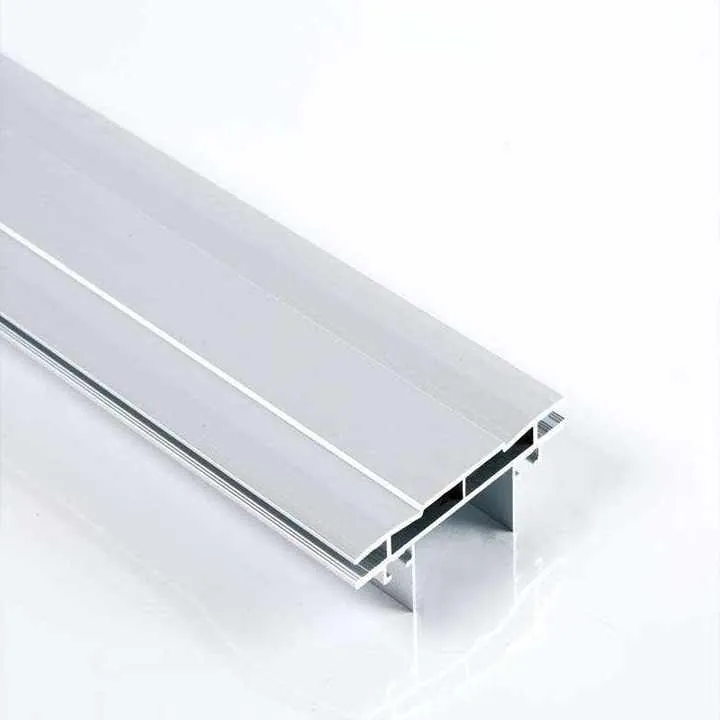
Safety of aluminium profiles in high-rise projects
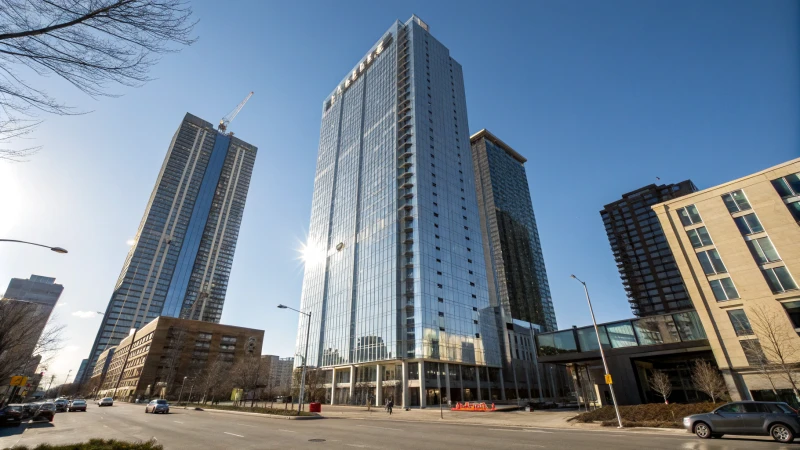
In the world of high-rise construction, safety is paramount. One material that frequently comes under scrutiny is aluminium, often used in profiles and cladding.
Aluminium profiles are considered safe for high-rise buildings when they meet specific strength and stability standards, adhere to wind pressure and seismic regulations, and receive proper surface treatments to enhance weathering and corrosion resistance.
While this brief overview provides a snapshot of aluminium profiles’ safety, the following sections will delve deeper into how these materials meet rigorous industry standards and showcase real-world applications that highlight their reliability.
Aluminium profiles meet seismic regulations for high-rises.True
Aluminium profiles are designed to withstand seismic forces in buildings.
Aluminium cladding is unsafe for high-rise buildings.False
When properly treated, aluminium cladding is safe and reliable.
What Strength and Stability Standards Do Aluminium Profiles Need to Meet?
Aluminium profiles are integral to modern construction, particularly in high-rise buildings. Ensuring their strength and stability is crucial for safety and performance. But what specific standards do they need to meet?
Aluminium profiles must comply with industry standards, ensuring sufficient yield strength and structural stability to withstand wind loads and seismic activities. Standards like GB/T 21086-2007 guide these requirements.

Understanding Yield Strength Requirements
Yield strength is a critical measure of an aluminium profile’s ability to withstand forces without permanent deformation. For instance, the 6063 aluminium alloy should meet a minimum yield strength of 110 MPa at T5 temper and 160 MPa at T6.
| Alloy Type | Temper | Yield Strength (MPa) |
|---|---|---|
| 6063 | T5 | 110 |
| 6063 | T6 | 160 |
These specifications ensure the profiles can bear external pressures such as wind and their own weight.
Compliance with Wind Pressure Standards
Aluminium profiles used in high-rise buildings must meet specific wind pressure resistance standards. The design often adheres to standards like GB/T 21086-20071, ensuring they withstand the required wind load pressures.
Key Factors Affecting Wind Resistance:
- Thickness: Profiles thicker than 1.8mm are typically preferred.
- Design: Structural designs are optimized to maximize wind resistance.
Meeting Seismic Standards
To ensure safety during earthquakes, aluminium profiles undergo rigorous testing. Shaking table tests help verify that the profiles remain intact under seismic stress. This testing aligns with seismic standards2 that dictate performance requirements.
Enhancing Durability Through Surface Treatments
Aluminium profiles often undergo anodising or powder coating to enhance their weathering and corrosion resistance. Anodising creates a robust oxide layer that protects against environmental elements like UV rays and moisture.
- Anodising: Improves surface hardness and corrosion resistance.
- Powder Coating: Provides a durable and aesthetically pleasing finish.
For example, the anodising process3 significantly extends the lifespan of aluminium profiles in harsh climates.
Practical Applications in High-Rise Buildings
A notable example of successful application is the Marina Bay Sands project in Singapore, where 6063 anodised aluminium profiles were used for curtain walls, demonstrating excellent wind and humidity resistance. This case study highlights how aluminium profiles meet both aesthetic and functional requirements in challenging environments.
6063 aluminium alloy T5 temper has a minimum yield strength of 110 MPa.True
The context specifies that 6063 alloy at T5 temper must meet 110 MPa.
Aluminium profiles thicker than 1.8mm are not preferred for wind resistance.False
The context states profiles thicker than 1.8mm are preferred for wind resistance.
How Do Aluminium Profiles Conform to Wind and Seismic Standards?
Aluminium profiles are pivotal in construction, especially in high-rise buildings, due to their lightweight nature and strength. But how do they measure up against wind and seismic standards?
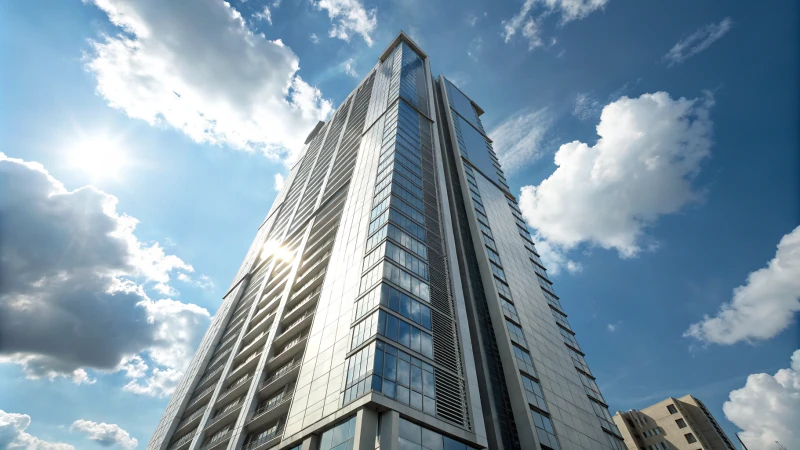
Aluminium profiles conform to wind and seismic standards by adhering to specific design and processing techniques. They undergo rigorous testing, like shaking table tests, to ensure stability against environmental stresses.
Design and Processing Techniques
To meet the demanding wind pressure4 and seismic standards, aluminium profiles must follow rigorous design protocols. Adhering to guidelines like the GB/T 21086-2007 ensures these profiles can withstand the forces exerted by strong winds.
Table: Key Design Specifications
| Specification | Requirement |
|---|---|
| Yield Strength | ≥ 110 MPa (T5) |
| Profile Thickness | > 1.8 mm |
The structural design significantly influences how aluminium profiles resist wind pressure. A thickness above 1.8 mm is often required for high stability during extreme weather conditions.
Testing for Compliance
Aluminium profiles undergo various tests to confirm their ability to handle seismic forces. Shaking table tests are among the most common methods used to assess their performance during earthquakes.
These tests simulate seismic activity, allowing engineers to observe potential weak points and make necessary adjustments to the design or material composition.
The Role of Surface Treatments
Surface treatments like anodizing enhance the weathering and corrosion resistance of aluminium profiles. An anodized layer acts as a shield against UV rays and moisture, ensuring longevity and maintaining structural integrity.
Powder coating is another effective technique that offers additional protection, which is crucial for applications in harsh climates.
Explore surface treatments5 to understand how they contribute to the durability of aluminium structures in various environments.
Case Study Insight
The successful application of 6063 aluminium profiles in Marina Bay Sands, Singapore, exemplifies these principles. The project showcased how robust design and effective surface treatments enable aluminium profiles to withstand both wind and seismic pressures effectively.
By incorporating these elements into their design strategy, architects and engineers can ensure that aluminium profiles not only comply with but exceed safety standards for wind and seismic resilience.
”AluminiumFalse
”Profiles
Shaking table tests are not used for seismic testing.False
Shaking table tests simulate seismic activity to assess aluminium profile performance.
Why Is Surface Treatment Important for Aluminium Profiles?
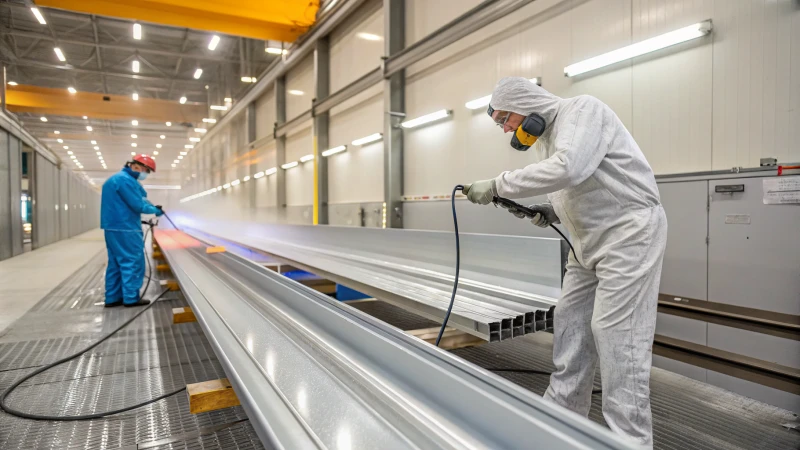
Surface treatment transforms aluminium profiles, enhancing durability and aesthetics. Discover how these treatments protect against corrosion and improve functionality.
Surface treatment is crucial for aluminium profiles as it enhances corrosion resistance, improves weatherability, and prolongs product lifespan. Methods like anodising and powder coating offer protection and aesthetic appeal.
Enhancing Corrosion Resistance
Corrosion is a major concern for aluminium profiles exposed to harsh environments. Surface treatments like anodising form a protective oxide layer, shielding against moisture, UV rays, and chemicals. This enhancement is essential for outdoor applications.
Improving Weatherability
Aluminium profiles often face severe weather conditions. Surface treatments boost weatherability by providing a robust finish that withstands extreme temperatures and humidity. For example, powder coating offers a durable surface that maintains its integrity in variable climates.
Aesthetic Appeal and Customization
Beyond protection, surface treatments enhance the visual appeal of aluminium profiles. Anodising allows for various colour finishes, offering designers flexibility to match specific design requirements. Powder coating, on the other hand, offers a range of textures and colours.
| Treatment Method | Benefits |
|---|---|
| Anodising | Corrosion resistance |
| Powder Coating | Weather resistance |
| Electroplating | Enhanced durability |
Prolonging Product Lifespan
The longevity of aluminium profiles is significantly increased through effective surface treatments. These processes reduce maintenance needs and repair costs, making them cost-effective over time.
Exploring Different Methods
- Anodising: This electrochemical process enhances aluminium’s natural oxide layer. Learn more about anodising benefits6.
- Powder Coating: Offers a high-quality finish resistant to chipping and fading. Find out how powder coating works7.
- Electroplating: Adds a metal layer for improved durability and conductivity. Discover electroplating techniques8.
Anodising enhances aluminium corrosion resistance.True
Anodising forms a protective oxide layer, shielding aluminium from corrosion.
Powder coating reduces aluminium's weather resistance.False
Powder coating actually increases weather resistance by providing a durable finish.
Can You Provide a Case Study of Aluminium Profile Application in High-Rise Buildings?
Discover how aluminium profiles revolutionize the construction of high-rise buildings with their remarkable strength, resilience, and aesthetic versatility. Dive into a detailed case study to see these advantages in action.
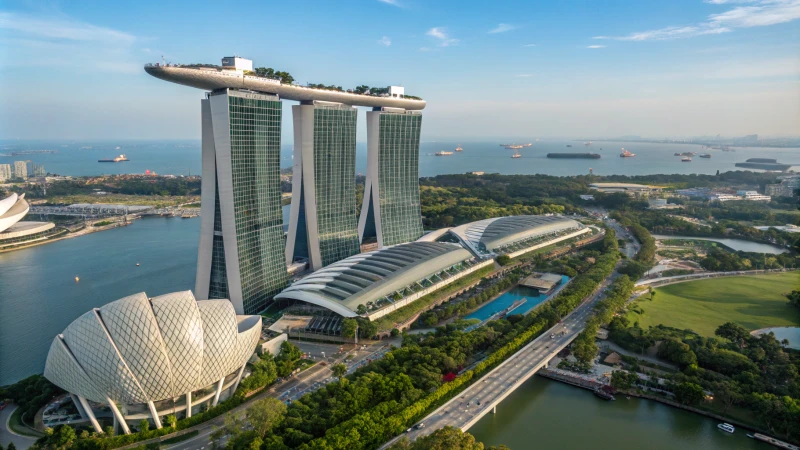
The Marina Bay Sands in Singapore exemplifies the successful use of aluminium profiles in high-rise structures, showcasing enhanced weather resistance and seismic performance through innovative design and surface treatments.
Overview of Aluminium Profiles in High-Rise Construction
Aluminium profiles have become integral to high-rise construction projects9 due to their lightweight nature and durability. These profiles provide excellent structural support while allowing for creative design.
| Feature | Benefits |
|---|---|
| Lightweight | Reduces overall building load |
| Durability | Long-lasting under various conditions |
| Design Flexibility | Allows for innovative architectural designs |
Case Study: Marina Bay Sands
Project Background
Marina Bay Sands in Singapore is a testament to the potential of aluminium profiles in skyscraper design. The building’s curtain wall system utilizes 6063 aluminium profiles, providing both aesthetic appeal and structural integrity.
Engineering Design
The curtain walls are anodised to create a protective oxide layer, enhancing their resistance to environmental factors. This treatment enables the profiles to withstand extreme weather10, including high winds and humidity.
Seismic and Wind Pressure Standards
The Marina Bay Sands is designed to resist seismic activities and strong wind pressures. This is achieved through rigorous testing and compliance with standards like GB/T 21086-2007, ensuring the profiles maintain their performance even during natural disasters.
Sustainability and Environmental Impact
The project incorporates sustainable practices by using recycled aluminium and implementing energy-efficient systems. This aligns with global trends towards eco-friendly construction, reducing the overall carbon footprint of high-rise buildings.
Advantages of Aluminium Profiles in High-Rises
- Strength and Stability: Aluminium profiles offer a high yield strength, crucial for the stability of tall buildings.
- Weather Resistance: Surface treatments such as anodising significantly improve corrosion resistance.
- Versatility: Their adaptability makes them suitable for various structural applications.
Understanding these elements can help professionals in the field leverage the benefits of aluminium profiles effectively. For more insights into design standards11 and application techniques, further exploration is encouraged.
| Criteria | Considerations |
|---|---|
| Material Selection | Choosing the right alloy and treatment for specific conditions |
| Design Compliance | Adhering to international safety and performance standards |
| Environmental Impact | Minimizing carbon emissions through smart material choices |
Aluminium profiles reduce building load in high-rises.True
Aluminium's lightweight nature decreases the overall structural load.
Marina Bay Sands uses steel profiles for its curtain walls.False
The Marina Bay Sands utilizes aluminium, not steel, for its curtain walls.
Conclusion
Aluminium profiles are safe for high-rise buildings when they meet strength, wind, and seismic standards, enhanced by surface treatments for durability and corrosion resistance, exemplified by Marina Bay Sands.
-
Understand the specific requirements for wind pressure resistance in high-rise buildings. ↩
-
Learn about the seismic testing protocols ensuring aluminium profile stability during earthquakes. ↩
-
Discover how anodising enhances aluminium profile durability and resistance. ↩
-
Learn about specific wind pressure standards that aluminium profiles must meet in construction. ↩
-
Discover how anodizing enhances the durability of aluminium profiles against environmental stressors. ↩
-
Anodising improves corrosion resistance and provides aesthetic flexibility, vital for outdoor applications. ↩
-
Powder coating offers a durable finish that resists chipping and fading, ideal for outdoor uses. ↩
-
Electroplating enhances durability and conductivity by adding a metal layer to aluminium profiles. ↩
-
Explore diverse applications of aluminium profiles in construction projects, offering insights into design and functional benefits. ↩
-
Learn about how anodised aluminium enhances resistance against extreme weather conditions, crucial for high-rise buildings. ↩
-
Understand the global standards governing the use of aluminium profiles in construction, ensuring safety and compliance. ↩