Какого размера алюминиевые экструзии используются в FolgerTech FT-5?

Многие строители выбирают FolgerTech FT-5 за его открытую раму и большой объем сборки. Но часто возникает путаница вокруг размеров экструзии. Знание точных профилей, используемых в его раме, поможет избежать ошибок при модернизации или перестройке.
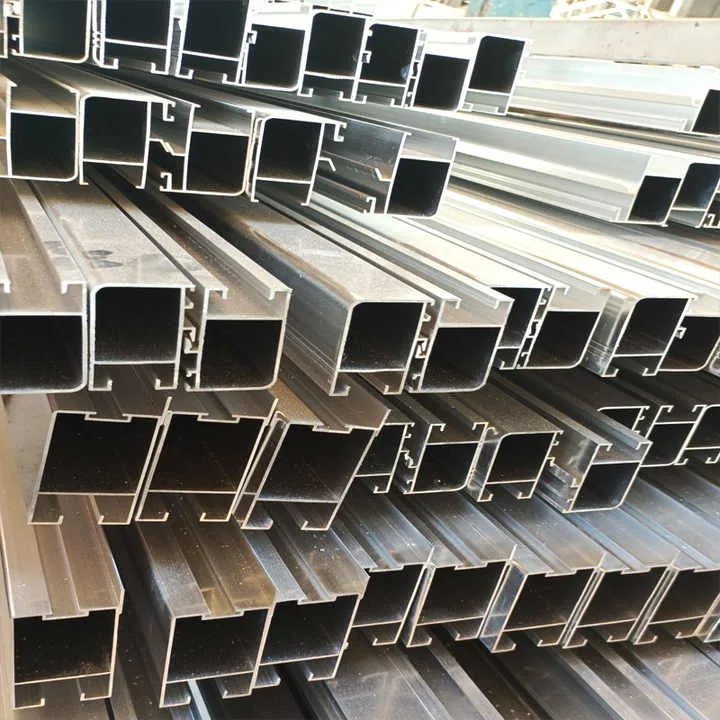
В раме FT-5 используются алюминиевые профили 2020 (20×20 мм) и 2040 (20×40 мм). Это стандартные профили с Т-образными пазами, обеспечивающие легкую, но жесткую конструкцию для 3D-печати.
Если вы задумали модифицировать, заменить или улучшить раму, читайте далее, чтобы узнать, какие профили используются, почему они были выбраны, как обеспечить совместимость и какие существуют варианты для более сильной модернизации.
Какие спецификации экструзии подходят для FT-5?
В комплект FT-5 входит смесь алюминиевых экструзий 2020 и 2040, обе в формате метрического Т-образного паза.
Для вертикальных и портальных конструкций FT-5 используются экструзии 2020, а для основания и станины - экструзии 2040, обеспечивающие прочность там, где это необходимо, без излишней громоздкости.

Согласно официальному руководству по сборке FT-5, типичная разбивка профиля выглядит следующим образом:
| Профиль | Размеры (мм) | Типичное использование |
|---|---|---|
| 2020 | 20 × 20 | Стойки, опоры порталов, края рамы |
| 2040 | 20 × 40 | Основание, каркас кровати |
Все профили имеют стандартный алюминиевый T-образный паз. Это позволяет крепить линейные направляющие, двигатели, кронштейны и пластины с помощью гаек T-slot и болтов M5. Пазы делают конструкцию модульной и легко настраиваемой.
Поскольку 2020 легче, он используется там, где жесткость не так важна. 2040 добавляет прочность в основании, где вес кровати и нагрузка при движении выше.
В FT-5 по умолчанию используются экструзии 2020 и 2040.Правда
Оригинальный комплект включает в себя несколько алюминиевых балок 2020 и 2040 с Т-образными пазами.
Все экструзии FT-5 выполнены из профиля 4040, что обеспечивает дополнительную жесткость.Ложь
В FT-5 используются экструзии 2020 и 2040; в него не входят профили 4040.
Почему в рамах принтеров используются определенные размеры?
В FT-5 используются экструзии умеренного размера не потому, что они самые прочные, а потому, что они соответствуют требованиям принтера по жесткости, стоимости и простоте использования.
В рамах принтеров, таких как FT-5, используются экструзии 2020 и 2040, что позволяет достичь баланса между стабильностью конструкции и легкостью модульного дизайна.

Профили экструзии определяют механическую основу принтера. Но использование самого сильного профиля не всегда означает лучшую печать.
- 2020 обеспечивает достаточную жесткость для вертикальных элементов и подвижных портальных узлов.
- 2040 усиливает конструкцию дна, чтобы выдержать нагрев ложа и движение по оси Y.
Кроме того, эти профили широко доступны, дешевы и совместимы с многочисленными кронштейнами, скобами и креплениями. Это означает, что требуется меньше деталей на заказ, а ремонт или модернизация становятся проще.
Легкие экструзии снижают общий вес, что облегчает перемещение принтера и его размещение на обычных столах или верстаках.
Для большинства нагрузок при печати на пластике достаточно прочных профилей 2020/2040. Использование экструзий 4040 или 4080 увеличивает вес и стоимость, но не приносит пользы, если принтер не модифицирован для высокоскоростной печати или работы с большими нагрузками.
В раме FT-5 используются экструзии 2020 и 2040 для практичного сочетания жесткости и легкости конструкции.Правда
Эти размеры идеально подходят для 3D-принтеров с умеренной нагрузкой и обеспечивают гибкость сборки.
В 3D-принтерах всегда используются большие экструзии 4040, чтобы избежать вибрации.Ложь
Более мелкие профили, такие как 2020, подходят для большинства настольных 3D-принтеров и входят в стандартную комплектацию многих наборов.
Как проверить совместимость кадров?
Модернизация или восстановление рамы принтера означает проверку того, что все размеры и оборудование по-прежнему подходят к конструкции.
Вы проверяете совместимость рамы, сравнивая расстояние между пазами, расположение монтажных отверстий, размеры экструзии, а также убеждаясь, что новая рама подходит к рабочей области вашего принтера и оборудованию для перемещения.

Вот как это сделать:
- Измерьте размеры экструзии - Убедитесь, что длина и профиль сменных выступов соответствуют оригинальным.
- Проверьте положение паза - У разных профилей (например, 2020 и 2040) пазы расположены в разных местах. Если монтажные кронштейны предполагают определенное расположение пазов, может произойти несовпадение.
- Сравните посадку болтов и кронштейнов - Стандартные аксессуары для Т-образных пазов работают с пазами 6 мм или 5 мм; убедитесь, что вы используете подходящие гайки и болты.
- Измерьте внутренние размеры - Замена балки 2020 на балку 4040 приведет к уменьшению внутреннего пространства, если только вы не подгоните другие детали.
- Проверка выравнивания линейных направляющих - Если направляющие или ремни смещены, размер экструзии влияет на их высоту и расположение. Убедитесь, что системы перемещения выровнены.
Если вы сохраняете размер станины (300×300 мм), убедитесь, что портал, ремни и концевые упоры по-прежнему расположены на одной линии после любого изменения размера станины.
Изменение размеров экструзии требует проверки правильности зазора между станиной и выравнивания деталей.Правда
Больший или меньший размер экструзии влияет на внутренние размеры и геометрию движения.
Все экструзии имеют идентичную геометрию пазов, поэтому совместимость не вызывает опасений.Ложь
Размер пазов и расстояние между ними зависят от профиля; фурнитура должна соответствовать, чтобы избежать перекоса.
Могут ли обновления изменить размер экструзии?
Да, некоторые строители модернизируют рамы FT-5 до профилей 3030, 4040 или даже 4080 для увеличения жесткости. Но это не "plug-and-play".
Для повышения прочности можно увеличить размер экструзии, но это потребует изменения конфигурации монтажных кронштейнов, размещения системы движения и общего выравнивания рамы.
Причины для обновления включают:
- Уменьшение изгиба для высоких отпечатков или высокоскоростной печати
- Поддержка более тяжелых кроватей (например, алюминиевых или стеклянных платформ)
- Подготовка принтера к работе с закрытыми корпусами или многоголовочными системами
Но большие экструзии влияют не только на прочность:
- Увеличение площади основания - Большие балки занимают больше места, уменьшая внутренний зазор.
- Измененная высота установки - направляющие, кронштейны, шкивы могут перестать выравниваться без подгонки или перестановки.
- Стоимость и вес - Большие профили стоят дороже и значительно увеличивают вес.
Вам также могут понадобиться новые кронштейны или печатные детали. Предварительно просверленные детали, рассчитанные на 2020/2040, могут не подойти к профилям 4040 без доработки.
Некоторые пользователи предпочитают подкрепления а не полная замена профиля. Например:
- Добавление диагональных скоб
- Использование алюминиевой пластины на вертикальных опорах
- Соединение двух профилей 2020 для получения более широкой балки
Они сохраняют совместимость и обеспечивают улучшенную жесткость без полной переделки.
Раму FT-5 можно модернизировать под более крупные экструзии, но для этого необходимо отрегулировать посадку деталей и расстояние между рамами.Правда
Изменение размеров профиля влияет на выравнивание компонентов и геометрию рамы, что требует изменения конфигурации.
Увеличение размера экструзии может быть выполнено без изменения каких-либо кронштейнов или крепежных элементов.Ложь
Более крупные профили смещают точки крепления, требуя новых кронштейнов или модификаций для правильной установки.
Заключение
В FolgerTech FT-5 используется продуманная комбинация алюминиевых экструзий 2020 и 2040 - достаточная для обеспечения надежной печати, но при этом легкая и модульная для строителей домов. Знание правильного размера экструзии помогает при замене, модернизации или расширении рамы. Если вы стремитесь к большей прочности, можно перейти на более крупные профили, но это влечет за собой изменения в выравнивании и структуре. При правильном планировании даже рама 2020 года может поддерживать надежный широкоформатный 3D-принтер.