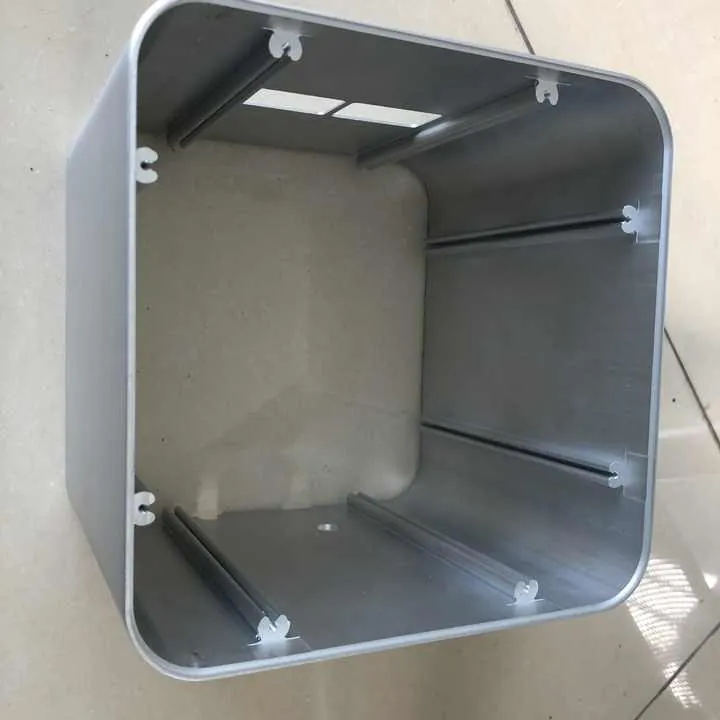
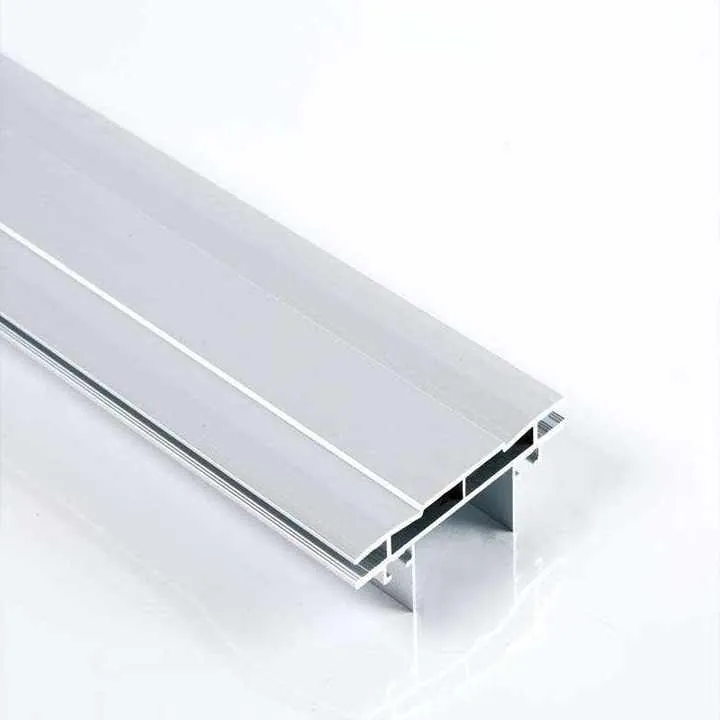
What is an aluminum extrusion shape called?

Imagine you have a long piece of metal pushed through a mold and out comes a constant cross‑section form used everywhere in construction and manufacturing.
That form is typically called an “aluminum extrusion profile” or “aluminum extrusion shape” — it describes a piece of aluminum made by forcing it through a die so the cross‑section stays the same along its length.
Let’s dive deeper into how these shapes are organized, why they vary by use case, where standards live, and how custom shapes come into being.
How are extrusion shapes categorized?
When you see many aluminum profiles side by side, the categories might overwhelm you unless you know how industry divides them.
Extrusion shapes are broadly categorized into solid, hollow, and semi‑hollow profiles, and they are further grouped by geometry (bar, channel, tube, angle) and by standard vs custom tooling.

To understand how extrusion shapes are categorized, it helps to break down a few distinct axes of classification.
Shape by void / cross‑section type
One major axis is whether the profile encloses a void. According to design guidelines, extruded shapes are described in three general categories: solid, hollow, и semi‑hollow.
- Твердый: no fully enclosed hollow in the cross‑section. For example a solid bar or some fins.
- Полые: a fully enclosed void in the section, such as tube or rectangle with open inside.
- Semi‑hollow: partial voids or open cavities, like a channel where one side is open or a shape with internal voids but not fully closed.
Using this distinction helps designers foresee structural behaviour, material usage, and cost.
Shape by geometry / form
Another axis is the geometry of the cross‑section. Common geometries include:
- Bars & rods (round, square, rectangular)
- Channels (U‑channels, C‑channels) and angles (L‑shapes)
- Beams (I‑beams, H‑shapes) and tees (T‑sections)
- Tubing (round tube, square tube) and custom extrusions with more complex profiles.
Shape by standard vs custom tooling
The third axis is whether the shape is a standard profile (stock, widely available) or a custom profile (made via special die for unique cross‑section).
Choosing an existing die means lower cost, faster lead time. Custom tooling adds cost but allows very specific geometry.
Table: summarising categories
| Категория | Key feature | Типичные случаи использования |
|---|---|---|
| Твердый | No enclosed void | Simple bar, rod, flat – good when weight isn’t critical |
| Полые | Fully enclosed void | Tubing, frames – lighter weight, good stiffness/weight ratio |
| Semi‑hollow | Partial or open voids | Complex profiles, architectural trim, channels |
| Geometric family | Shape type like channel, angle, beam | Structural members, trims, supports |
| Standard vs Custom | Standard = existing tooling; Custom = new die | Standard for cost‑efficiency; custom for unique designs |
Extruded aluminum profiles are only categorized by the shape of their outer perimeter.Ложь
They are categorized by void type (solid/hollow/semi‑hollow), geometry and tooling status, not just the outer shape.
Hollow extrusions have a fully enclosed interior void like tubing.Правда
By definition, hollow shapes completely enclose a void in the cross‑section.
Why do shapes differ by application?
Every application asks for something different — strength, weight, aesthetics, assembly ease — so shapes vary a lot.
Shapes differ because each application demands specific mechanical, structural and assembly behaviours (weight vs strength vs appearance), and extrusion allows tailoring cross‑section geometry accordingly.
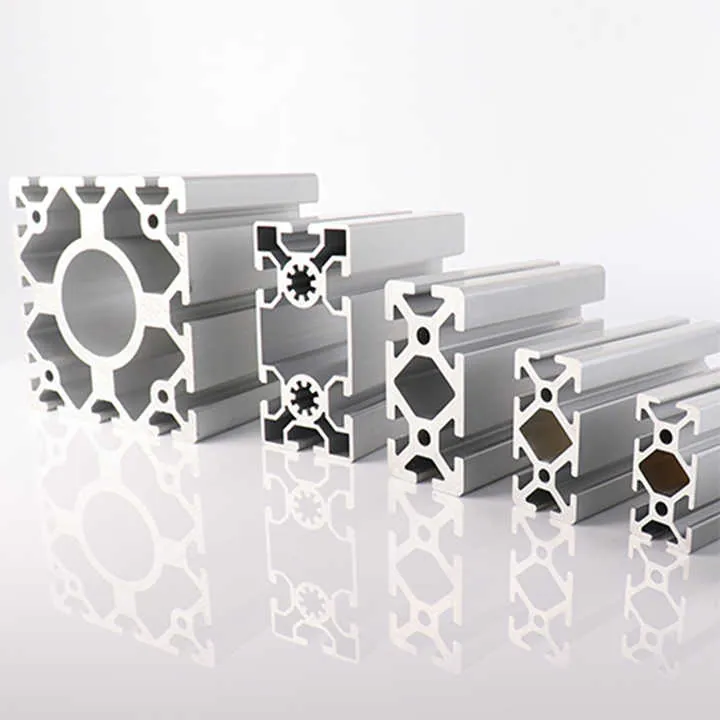
When specifying an aluminum extrusion shape for an application, I always ask: What are the functional requirements? What constraints? Then the shape is tailored (or chosen standard) accordingly. Here are the major factors that drive differences in shape by application:
Mechanical & structural requirements
Some applications need high strength or stiffness (for example machine frames or structural beams). Others prioritise low weight (for example solar panel frames or transport). The cross‑section geometry plays a direct role in these trade‑offs. A hollow tube gives good stiffness per weight; a heavy solid bar gives more mass and cost. The die design also impacts cost and feasibility: uniform wall thickness, smooth transitions help manufacturing.
Assembly & integration
Profiles often integrate features to ease assembly: channels for sliding T‑nuts, grooves for fastening, shapes that allow snap‑fit or interlocking. For example, the T‑slot profiles used in modular framing incorporate slots so accessories can attach.
If the shape makes assembly easier, fewer downstream operations (welding, machining) might be needed.
Эстетика и отделка
In architectural or visible applications (windows, curtain walls, luminaires) the extrusion shape matters for visual appeal and finish. Complex shapes might have decorative features or hidden fasteners. Also, some shapes may allow better surface treatment (anodizing, powder‑coating) and better durability. One standard shapes guide mentions use of 6063 alloy for architectural extrusions because of surface quality.
Manufacturing efficiency and cost
Extrusion process constraints play a role. If a shape has widely varying wall‑thickness or sharp corners, it may be expensive or prone to defects. Design guidelines recommend uniform wall thickness, smooth transitions.
Also standard tooling (existing dies) reduces cost and lead time.
Environmental & service conditions
Some shapes may integrate channels for wiring, heat‑dissipation fins for electronics, mounts for solar panels etc. The cross‑section geometry supports these functions. For example, solar frames might need hollow sections to route wiring or internal cavities for thermal expansion. Shapes differ because use‑case is different.
Using a standard inexpensive bar profile is always the best choice regardless of application.Ложь
Standard inexpensive profiles may not meet specialized requirements for strength, assembly, or aesthetics, so shape must match the application.
The shape of an extrusion influences how it is assembled and integrated into a system.Правда
Features added in the cross‑section (slots, grooves, mounting surfaces) facilitate assembly and integration.
Where are standard profiles documented?
When specifying an aluminum shape for procurement or project, you often turn to catalogs and standards instead of starting from scratch.
Many manufacturers and distributors publish standard extrusion profiles and catalogs (with cross‑section drawings, dimensions, tolerances) and industry guidelines list basic bar/rod/channel/beam profiles.
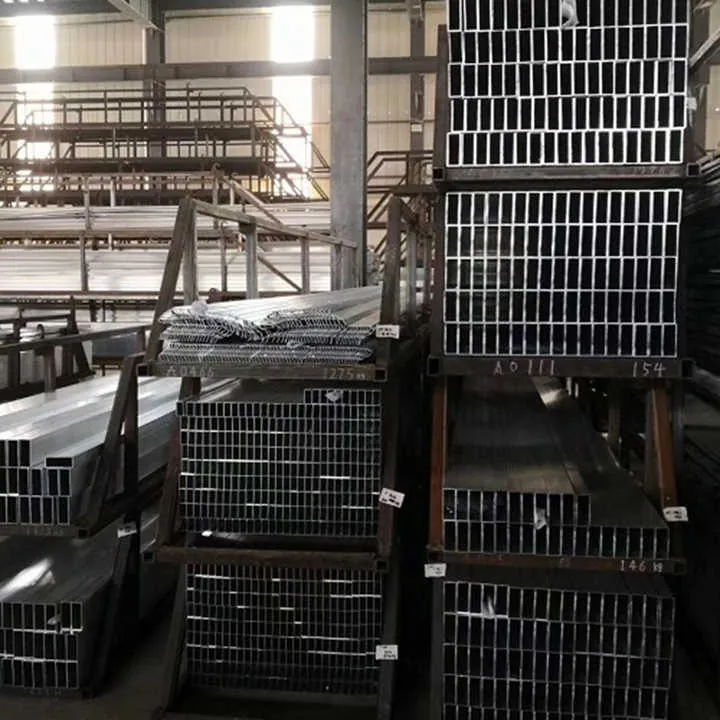
Knowing where standard profiles are documented helps buyers and engineers quickly select from existing tooling and understand lead times, cost, compatibility. I’ll walk through key places where standard profiles are documented and what to look for.
Manufacturer / distributor catalogues
Many extrusion suppliers provide searchable catalogs of standard shapes.
These catalogs often include cross‑section drawings, dimensions, alloy/temper options, surface finish options.
Industry guidelines and design tips
Some industry bodies provide guidance on design and classification of extrusions.
While these aren’t a catalog of profiles, they inform how to interpret shapes and assess manufacturing risk.
Modular framing / standard series references
In some applications like framing systems, standard series of extrusions exist. For example, T‑slot structural framing uses a defined series (10 series, 15 series, metric equivalents) with standard profiles.
These systems often have CAD libraries online so engineers can select profiles by series number.
How to use this documentation when specifying
When I work on specification:
- I consult the catalog to see if an existing profile meets size/strength/assembly needs.
- I check alloy/temper, surface finish options listed.
- I look at cross‑section drawing: wall‑thickness, groove details, symmetry.
- I refer to design guidelines to ensure shape is manufacturable (uniform walls, smooth transitions).
- If the profile is standard, I ask supplier for tooling availability, cost and lead time (existing die or new).
- I check tolerances and reference the drawing for machining/finishing compatibility.
Standard extrusion profiles catalogues include cross‑section drawings and dimensions.Правда
Supplier catalogues typically provide the cross section drawing, dimensions, alloy/temper and finish options.
There are no documented series or standards for modular T‑slot extrusion framing.Ложь
There are documented series for T‑slot framing (10 series, 15 series, metric equivalents) in framing systems.
Can custom shapes be created?
Yes — when existing profiles don’t fit your needs, custom extrusion shapes allow you to define unique cross‑sections for your project.
Custom extrusion shapes can be created by designing a new die and working with an extruder to produce the shape with required cross‑section, alloy, surface finish and length — though tooling cost and lead time will be higher.
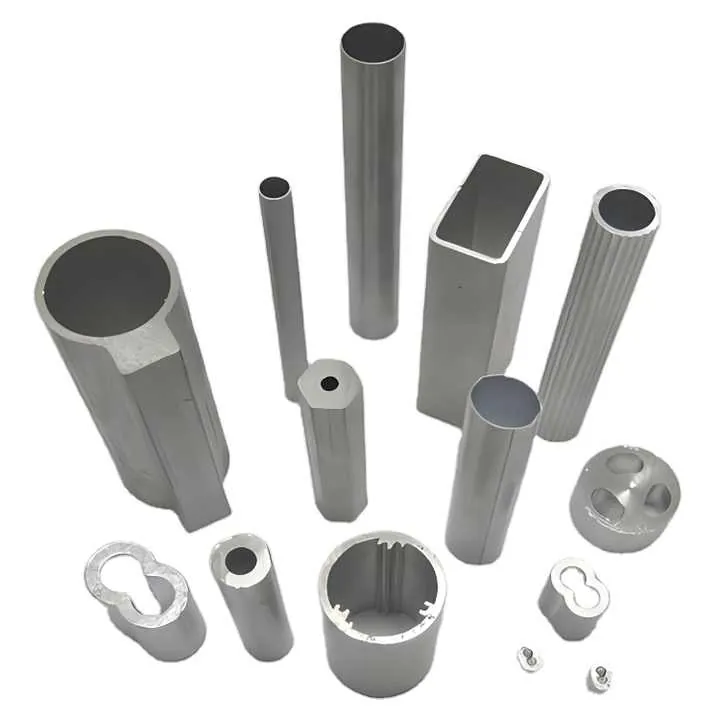
Given the context of your business (B2B aluminium extrusions), understanding custom shapes matters a lot. I’ll explain how the process works, what to expect, and how to decide when to go custom.
The process of creating a custom shape
- Requirement definition: define the functional, structural and assembly needs for the extrusion.
- Cross‑section design: design the profile geometry (CAD) with internal voids, grooves, mounting features.
- Tooling (die) design: the extruder designs a steel die that forms the molten aluminum into the desired shape.
- Extrusion trial & prototyping: produce sample pieces, inspect, and refine.
- Производство: once tooling is confirmed, full production follows.
Плюсы и минусы
| Плюсы | Cons |
|---|---|
| Tailored to exact requirement | Higher upfront tooling cost |
| Integrates features | Longer lead time |
| Supports complex finishes | Potential design issues |
| Reduces downstream operations | Higher minimum order quantity |
When to consider custom
- When no standard profile fits
- When integrated features are needed
- When project volume justifies tooling
- When visual or mechanical uniqueness is essential
You can create a custom aluminum extrusion shape if a standard profile does not meet your needs.Правда
Custom extrusion shapes are created when standard profiles don’t fit function or geometry and a new die is made.
Custom shape tooling costs are always negligible compared to using a standard profile.Ложь
Tooling cost for custom dies is significant; standard profiles reduce cost and lead time.
Заключение
Aluminum extrusion shapes — known as profiles — are defined by their cross‑sections and application needs. They fall into categories like solid, hollow, standard, or custom. Shapes vary by function, manufacturing, and integration requirements. Whether you use a catalog profile or commission a custom one depends on your project goals.