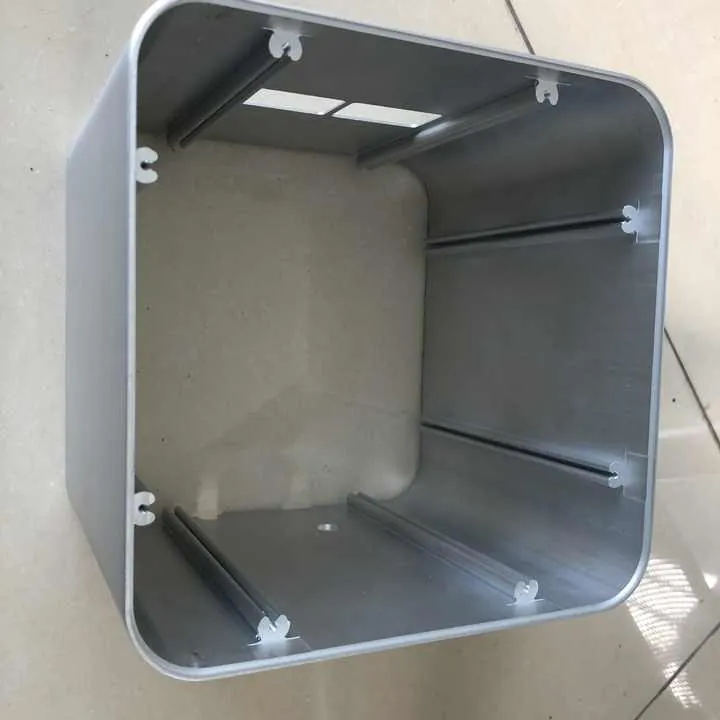
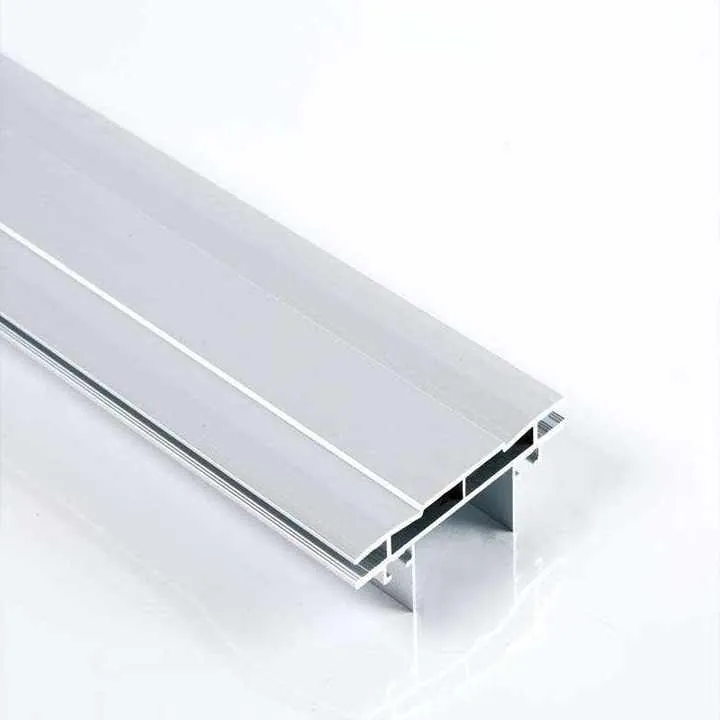
How to Make Aluminum Extrusion?

Making aluminum extrusion might seem like a mystery. But it’s actually a highly controlled, step-by-step process that transforms solid aluminum into custom profiles used across industries.
To make aluminum extrusion, manufacturers heat aluminum billets, then push them through a shaped die using a high-pressure extrusion press, producing long profiles with consistent cross-sections.
If you’re curious about what powers this transformation — from raw aluminum to architectural frame — keep reading as I walk through the machines, the temperatures, the die mechanics, and the role of automation in modern extrusion.
What machines create extrusion profiles?
Creating precise aluminum profiles isn’t done with basic tools — it takes serious industrial machinery.
Aluminum extrusion profiles are produced using large hydraulic extrusion presses, supported by billet heaters, handling tables, cooling systems, and pullers to ensure accurate shapes and lengths.
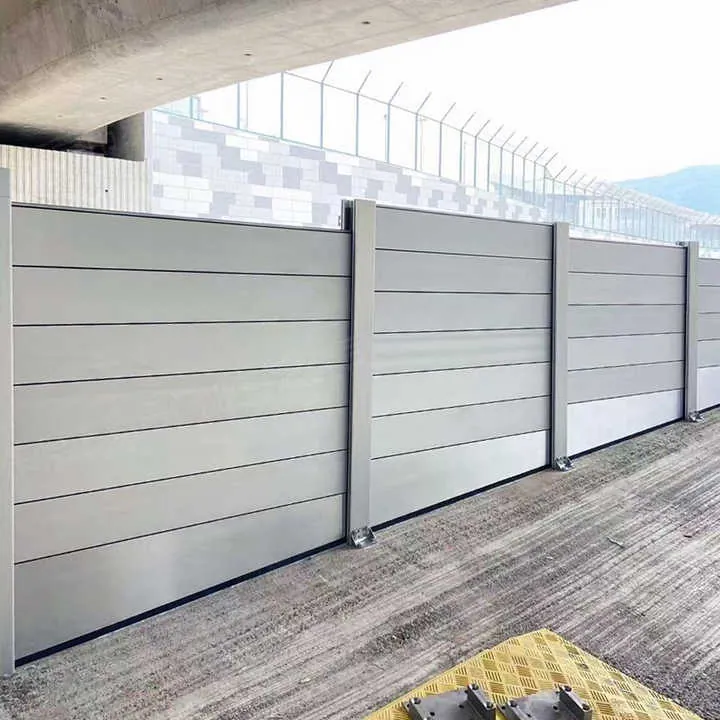
When I first visited an extrusion plant, I was shocked by the size and noise of the machines. Here’s how the main components work together.
Major Machines in an Aluminum Extrusion Line
| Машина | Функция |
|---|---|
| Billet Heater | Preheats aluminum billets to extrusion temperature (typically 400–500°C) |
| Extrusion Press | Pushes the billet through the shaped die using thousands of tons of pressure |
| Die Oven | Preheats dies for consistent metal flow |
| Runout Table | Catches extruded profile as it exits the die |
| Puller | Pulls the hot extrusion along the table at controlled speed |
| Система охлаждения | Uses fans or water mist to cool the extrusion quickly |
| Stretching Machine | Aligns and straightens the extruded profile |
| Sawing Station | Cuts extrusions to desired length |
| Aging Oven | Hardens certain alloys by artificial aging |
How It All Works Together
The process starts when a cylindrical billet is heated to a soft but not molten state. It’s then loaded into the extrusion press — a machine that can generate pressures from 500 to 4500 tons, depending on profile size and material hardness.
The press forces the hot billet through a steel die with a precise hole, producing a continuous shape. That shape is pulled down the table, cooled, stretched straight, then cut.
I once watched a 20-meter-long extrusion slide out in under 30 seconds — it’s fast, but controlled. You need exact timing between the press, puller, and cooling to prevent warping or tearing.
This orchestration only works because every machine along the line is synced with the rest. Even a small delay in cooling can distort the profile. That’s why machines are calibrated constantly and run by trained operators.
Extrusion presses push preheated aluminum billets through dies to create profiles.Правда
The main function of the extrusion press is to apply force to form aluminum profiles through shaped dies.
Aluminum extrusion profiles are shaped by melting aluminum in molds like casting.Ложь
Extrusion does not involve melting aluminum completely; instead, it heats billets and pushes them through dies.
Why billet temperature matters in making extrusions?
You might think more heat equals smoother extrusion — but the truth is more complex.
Billet temperature controls metal flow, surface finish, die wear, and final strength — it’s a key factor in ensuring high-quality aluminum extrusion output.
Getting billet temperature wrong is one of the quickest ways to ruin a production run. I’ve seen both extremes — too cold and it jams, too hot and the surface quality degrades.
Why Billet Temperature is Crucial
Here are the main reasons billet temperature (usually 400–500°C) must be carefully controlled:
- Flow Consistency: At the right temperature, aluminum flows smoothly through the die. If it’s too cold, it resists flow and might cause cracks. Too hot and it can flow too fast, making control harder.
- Отделка поверхности: Overheating causes oxidation and die pickup, which leave rough marks on the profile surface.
- Die Life: High temperatures wear out dies quickly, reducing tool lifespan.
- Internal Structure: If billet is too cold, it won’t bond properly at weld seams inside hollow profiles.
- Post-extrusion Properties: Temperature affects how well the profile can be heat-treated (aged) for strength.
Billet vs Die Temperature
The die also must be heated — typically 460–480°C — but must not be hotter than the billet. Why?
- If the die is hotter, the billet may flow too fast into cool zones, creating internal stresses.
- If the billet is hotter, it ensures stable pressure and prevents sticking.
Example from Our Plant
Once we received billets that had cooled too much during shipping. We tried to reheat them, but they produced profiles with poor finish and required more press pressure. We had to stop the line and recalibrate the heating units.
Now, we check billet core temperature with an infrared probe before every run. It’s a small step that prevents massive waste.
Billet temperature directly affects the flow of aluminum through the extrusion die.Правда
The correct billet temperature ensures smooth extrusion without defects or die damage.
Higher billet temperatures always improve surface finish and extrusion speed.Ложь
Overheating can degrade finish and cause surface defects due to oxidation and inconsistent flow.
How does die design affect extrusion output?
A poorly designed die can turn even perfect aluminum into a failed profile.
Die design defines the profile shape, controls metal flow, ensures dimensional accuracy, and impacts press speed — it’s central to extrusion quality and efficiency.

Every extrusion starts with a die — a steel tool cut with the negative of the profile shape. But it’s more than a hole in a block. Here’s why die design is both an art and science.
What Makes a Good Extrusion Die?
- Uniform Flow Paths: The die must ensure aluminum flows evenly. If one part moves faster, it causes twisting or warping.
- Balanced Bearing Lengths: These are tiny ledges inside the die that control flow rate. Adjusting them can balance pressure across wide profiles.
- Рассеивание тепла: A good die doesn’t overheat. It’s designed to manage thermal load as aluminum moves through at 500°C.
- Die Strength: Especially for large profiles, the die must handle high internal stress without cracking or bending.
- Ease of Cleaning: The more complex a die, the harder it is to clean after each cycle.
Types of Dies
| Тип штампа | Используется для | Примечания |
|---|---|---|
| Solid Die | Solid profiles like bars, angles | Most common and durable |
| Hollow Die | Tubes and profiles with holes | More complex, includes internal mandrels |
| Semi-Hollow Die | U-channels, other partial enclosures | Balance of simplicity and flow control |
Real-World Challenge
We once had a die designed overseas that looked perfect in CAD. But on the press, it produced banana-shaped profiles. We found the bearing lengths were too short on one side, letting metal flow faster there. After adjustments, the output was smooth and straight.
This proves that even tiny die errors (fractions of a millimeter) can destroy the integrity of an extrusion.
Die design affects extrusion shape, dimensional accuracy, and how smoothly aluminum flows.Правда
Die geometry guides aluminum through its transformation, and small design flaws can ruin entire batches.
Any die shape can be used in extrusion without concern for flow balance or bearing length.Ложь
Ignoring flow and bearing balance leads to warping, uneven profiles, and material waste.
Can automation optimize extrusion manufacturing?
Manual control only gets you so far — automation transforms good lines into great ones.
Yes — automation can improve extrusion accuracy, reduce downtime, track production data, and minimize human error across billet heating, pressing, cooling, cutting, and quality checks.
I’ve seen extrusion lines with almost no automation — everything run by operators, hand signals, and paper logs. I’ve also toured factories where robots track every billet, sensor feedback adjusts puller speed in real-time, and AI recommends die changes.
Where Automation Improves the Process
-
Контроль температуры
Sensors in billet ovens and die heaters ensure each piece enters at perfect temperature. No more undercooked or overheated billets. -
Press Monitoring
Smart controls adjust pressure and ram speed based on resistance data — reducing jams and increasing press life. -
Puller & Table Sync
Pullers track extrusion speed live. If anything changes, the whole line adjusts — preventing stretching or sagging. -
Real-Time Quality Tracking
Vision systems check profile shape and surface finish automatically. If they detect defects, the system alerts or rejects. -
Inventory & Batch Traceability
Automation links billet batch to extrusion output. If something fails post-delivery, you can trace the issue. -
Predictive Maintenance
Sensors track die wear, press temperature, and hydraulic flow to prevent breakdowns before they happen.
What We’ve Implemented
At our plant, we started with press monitoring and automated puller speed control. Immediately, we reduced scrap rates by 18%. Then we added infrared sensors on cooling zones — now we adjust fan speed in real-time based on profile thickness.
Comparison Table: Manual vs Automated
| Характеристика | Руководство | Automated |
|---|---|---|
| Billet Heating | Timed guesswork | Sensor feedback precision |
| Puller Speed | Operator judgment | Real-time sync to press |
| Die Change Logs | Written notes | Logged and analyzed |
| Defect Detection | Визуальный контроль | Vision AI inspection |
| Техническое обслуживание | Reactive | Predictive, sensor-driven |
The future of extrusion is automated. It makes the process faster, more accurate, and more efficient — and allows us to compete globally even with rising input costs.
Automation improves extrusion by optimizing temperature, speed, and quality checks.Правда
Smart systems adjust key variables in real time, improving output and reducing human error.
Automation is unnecessary in aluminum extrusion because manual methods are always more precise.Ложь
Manual methods are less consistent and often lead to higher scrap rates and inefficiency.
Заключение
Making aluminum extrusion is a precise process that combines high-pressure machines, controlled billet temperatures, expertly designed dies, and increasingly — automated systems. From raw billet to custom profile, each step plays a crucial role in achieving quality and speed.