Heat sink surface finishing and anodizing choices?
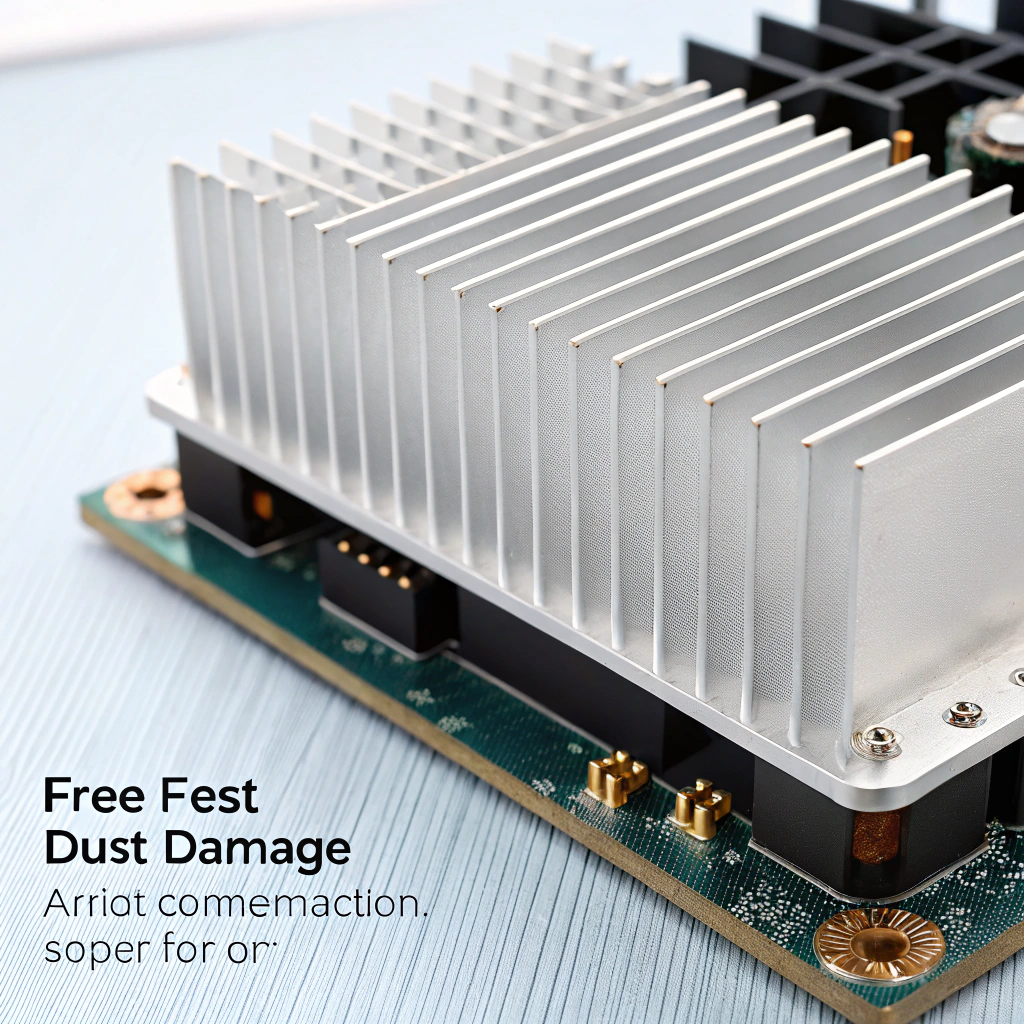
Have you ever wondered why some heat sinks last longer or look better than others? I recently faced that when sourcing extrusion finishing for aluminium parts.
The right surface finishing—especially anodizing—can improve corrosion‑resistance, surface emissivity and durability of aluminium heat sinks, while making them look good and match your brand.
In the rest of this post I will guide you step‑by‑step through key questions: what anodizing types work for heat sinks, how finishing affects thermal performance, what colour options you have, and whether hard‑coat finishes are truly necessary. Let’s dive in.
Which anodizing types suit heat sinks best?
Picture this: you pick a standard finishing to save cost and later your heat sink fails in a harsh environment. That could be avoided.
For aluminium heat sinks the main anodizing types are Type II (standard sulphuric acid) and Type III (hard‑coat) — and the choice depends on environment, durability need and cost.
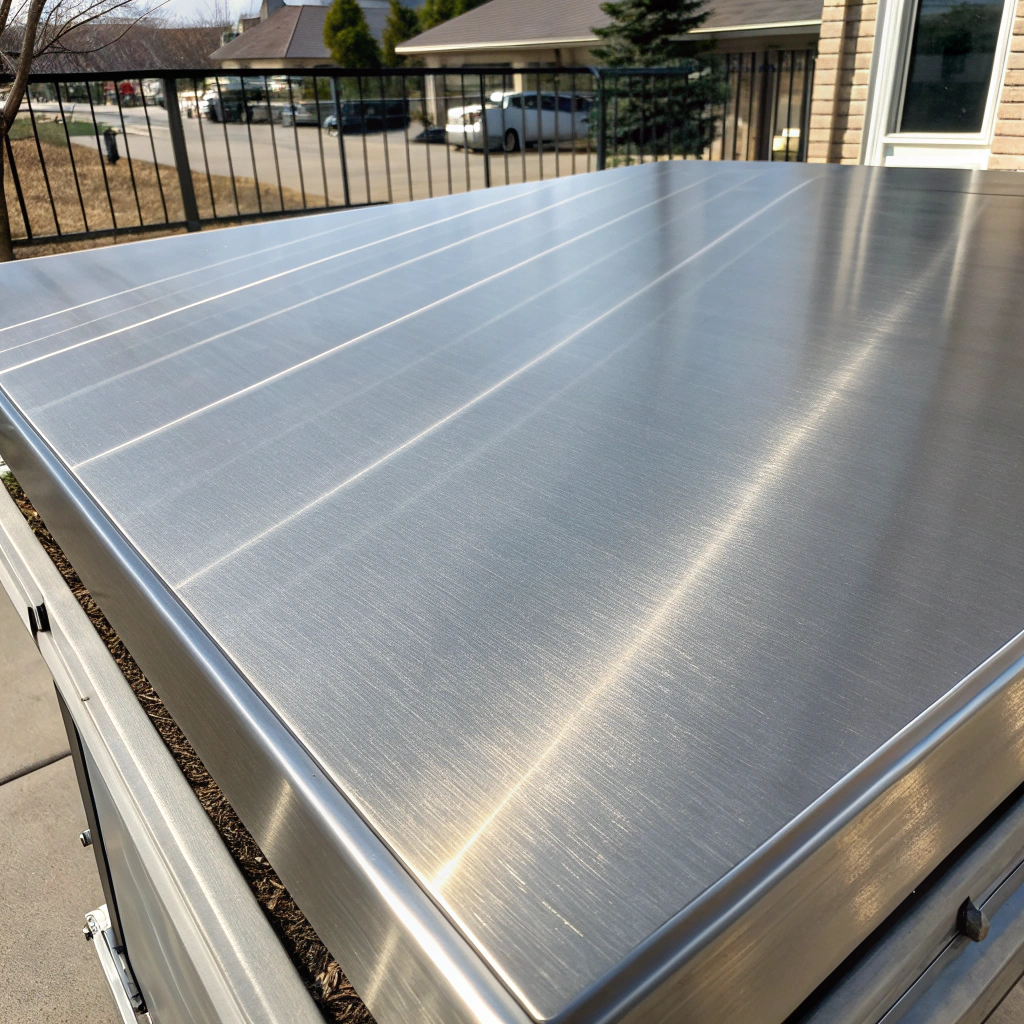
When I started working with aluminium extrusions, I discovered that anodizing is not one‑size‑fits‑all. According to sources, the common anodizing types under the U.S. military spec MIL‑A‑8625 include:
- Type I (chromic acid) — thin film, mostly decorative or for mil‑spec aerospace use.
- Type II (sulphuric acid standard) — moderate thickness, good for general protective use.
- Type III (also known as hard‑coat) — thick, dense, high durability layer for demanding conditions.
For heat sinks made by aluminium extrusions (which is our business case at Sinoextrud), the choice often comes down to Type II vs Type III. Here’s how I evaluate them:
Comparison: Type II vs Type III
| Тип | Oxide layer thickness | Ключевые преимущества | Typical use case for heat sinks |
|---|---|---|---|
| Type II | ~5‑25 µm | Good corrosion/ wear resistance, colourable, cost‑effective | Indoor electronics, moderate environment |
| Type III (hard‑coat) | ~13‑150 µm | Excellent wear/corrosion resistance, thicker dielectric, tougher surface | Outdoor, heavy‑duty, high vibration, industrial lighting, solar frames |
My take in practice
- If the heat sink is used in a normal indoor electronics enclosure, I choose Type II. The cost difference and processing time are reasonable.
- If the heat sink will be outdoors (e.g., part of solar aluminium frame or outdoor lighting) or will endure abrasion, I push for Type III.
- Note: Some designers worry that adding anodizing adds thermal resistance. But while the oxide layer is less conductive than aluminium, the improvement in emissivity and environmental protection can offset that in many cases.
- One extra point: The base alloy matters. For instance, 6063 or 6061 aluminium are common, and each may behave slightly differently in anodizing. As we use 6063‑T5 or 6061‑T6 at Sinoextrud, we ensure our anodizer matches those alloys.
Type III anodizing provides significantly greater wear resistance than Type II for heat sinksПравда
Type III (hard‑coat) has thicker, denser oxide layer, higher hardness and better wear/corrosion resistance.
Type II anodizing cannot be coloured or dyed, only Type III canЛожь
Type II anodizing still produces a porous oxide layer into which dyes can be applied; colouring is not exclusive to Type III.
How does finishing impact thermal performance?
You might assume finishing is purely cosmetic, but finishing choices can influence how well your heat sink actually cools.
Surface finishing such as anodizing influences surface emissivity (radiation heat transfer), so proper finishing helps heat sinks perform better—not just look better.
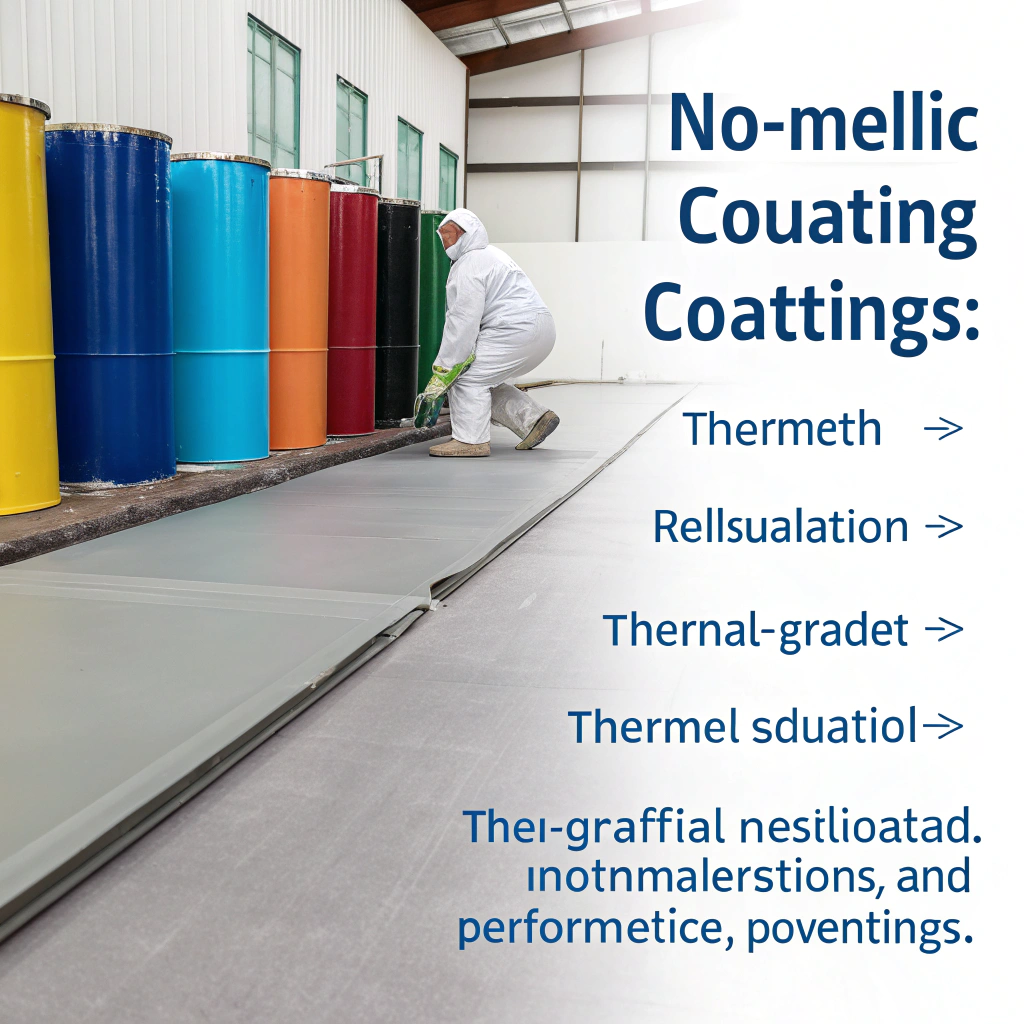
When I work with extrusion profiles and heat sinks I always keep thermal performance at front. A key aspect is the balance between conduction (from component to heat sink) and convection/radiation (from heat sink to ambient). The “fin design” gets the big part of attention, but surface finishing matters too.
Influence of finishing on heat transfer
- For a bare aluminium surface, emissivity is low: around 0.04‑0.06.
- After anodizing, emissivity jumps significantly—to around 0.83‑0.86.
- In practical terms: For heat sinks operating with natural convection or where radiation is a meaningful fraction of heat transfer, the finishing can reduce thermal resistance. For example, in some situations improvement of 20‑35% is claimed for black anodized surfaces.
But: there is a trade‑off
- The oxide layer created by anodizing is non‑metallic and less thermally conductive than aluminium. Some small loss in conduction might occur. However, in most designs the fin conduction path still dominates, so the radiation gain outweighs the conduction loss.
- If you apply thick non‑metallic coatings (like powder coating or painting), those may act as thermal insulators and degrade performance. One source warns against painting or powder coating heat sinks when thermal performance is important.
My guidelines
- For high‑power LED modules, power supplies or parts where fins are exposed and radiation counts: go for an anodized finish (especially black or dark) to maximize emissivity.
- If you plan to paint or powder coat for branding or outdoor colour, check the thermal budget. You might accept slightly higher junction temperature for aesthetic.
- If the environment is not harsh and cost is key: still choose anodizing (even standard) as it gives protection plus emissivity benefit.
- In extrusions with very short thermal path (i.e., base thick, fins tall, forced air): finishing still matters, but the relative benefit is smaller.
Anodizing always reduces the thermal performance of a heat sink because it introduces an insulating oxide layerЛожь
Although the anodic oxide layer has lower conductivity than aluminium, the increase in surface emissivity and protection often results in net improved or comparable thermal performance, especially in convection/radiation regimes.
Surface finishing such as anodizing can raise surface emissivity from ~0.05 to ~0.85 for aluminium heat sinksПравда
Sources show emissivity for bare aluminium at ~0.04‑0.06, and after anodizing the value improves to ~0.83‑0.86.
What colors are available for anodizing?
You may think anodizing is only silver or black, but in fact there is quite a range—and that opens up branding and customisation possibilities.
Anodizing allows colouring via dyes (once oxide layer is formed) or pre‑treatments, offering colours like black, blue, green, gold and more—though the colour itself does not significantly impact thermal transfer.
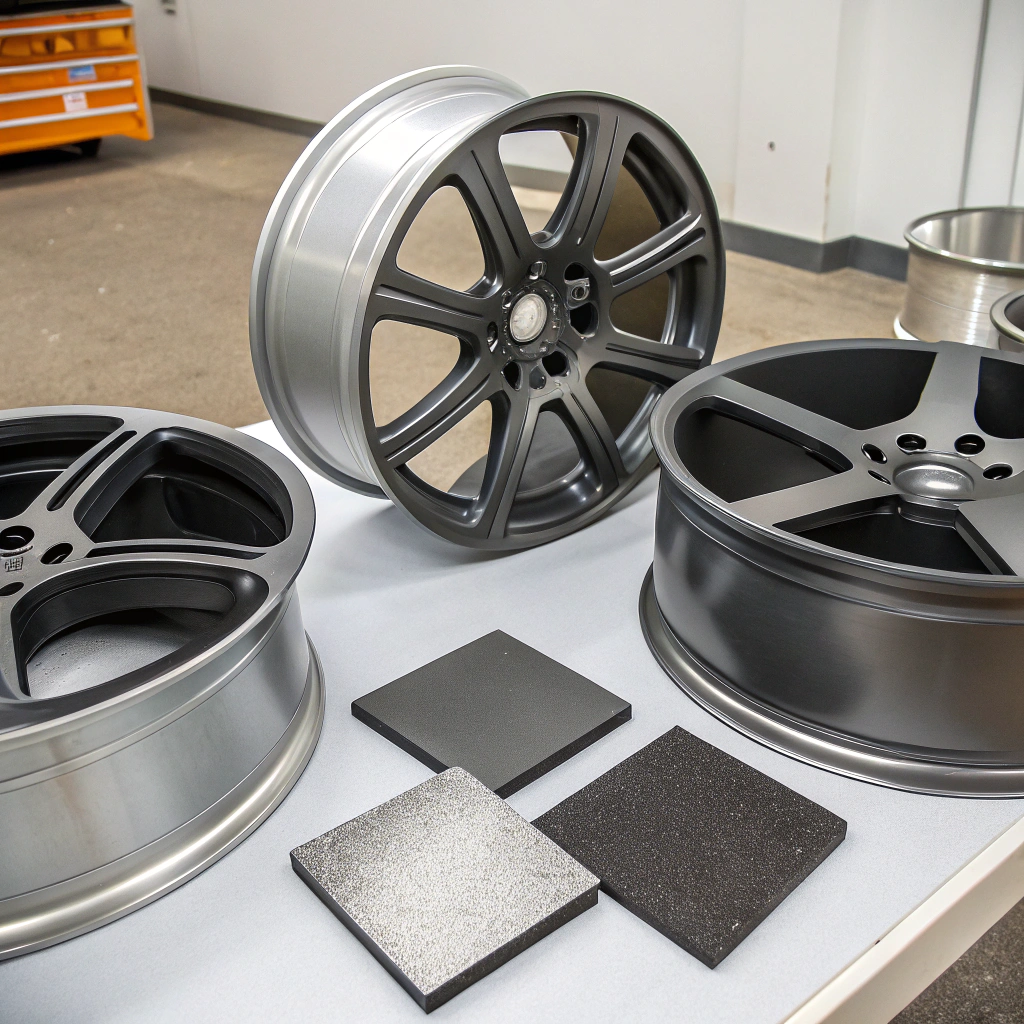
In my discussions with aluminium finishing houses I learned that colour is often a “nice to have” rather than a performance driver. Let’s break this down.
How colouring works
- After anodizing aluminium, a porous oxide layer remains. These pores can accept organic or inorganic dyes.
- After dyeing, the part is sealed (for example by immersion in boiling de‑ionized water) to lock in the dye and close pores.
- The range of colours is wide: black is common, but also blue, green, red, gold, bronze etc.
- Some alloys or thick hard‑coat processes may limit colours (hard coats often stay grey to black).
Colour and thermal performance
- The colour or dye applied does not significantly change the surface emissivity for a heat sink. For example, a clear (natural) anodized surface and a black one have similar emissive characteristics.
- Therefore, colour choice is mainly for aesthetics, branding, corrosion identification or OEM differentiation.
- That said, darker finishes sometimes are chosen because black tends to have slightly higher emissivity in general, but the difference for anodized surfaces is small.
Practical suggestions
- If your product is visible and you want brand colour matching: go ahead with dyed anodizing.
- If you want lowest cost and don’t care about colour: a clear anodized or natural finish works fine.
- For outdoor lighting or architectural aluminium where appearance matters: choose anodizing + dye + sealing + consider the alloy’s compatibility with dye.
- For extrusion supply (as we do): we offer natural anodize and black as standard, and dyed colours as custom option (with possible MOQ and cost premium).
The colour of the anodized layer significantly affects the radiative heat transfer of a heat sinkЛожь
Studies show that clear and black anodized surfaces have nearly the same emissivity; colour does not significantly impact radiation heat transfer.
Anodizing allows aluminium heatsinks to be dyed in colours such as blue, green and red as well as blackПравда
The porous oxide layer created during anodizing can accept dyes in a wide range of colours before sealing.
Are hard‑coat finishes necessary for durability?
If your heat sinks are in harsh settings, you might ask: do I need a hard‑coat (Type III) finish or will standard anodize suffice?
Hard‑coat anodizing (Type III) offers significantly greater wear and corrosion resistance than standard anodizing, but whether it is ‘necessary’ depends on your application environment, cost and design constraints.
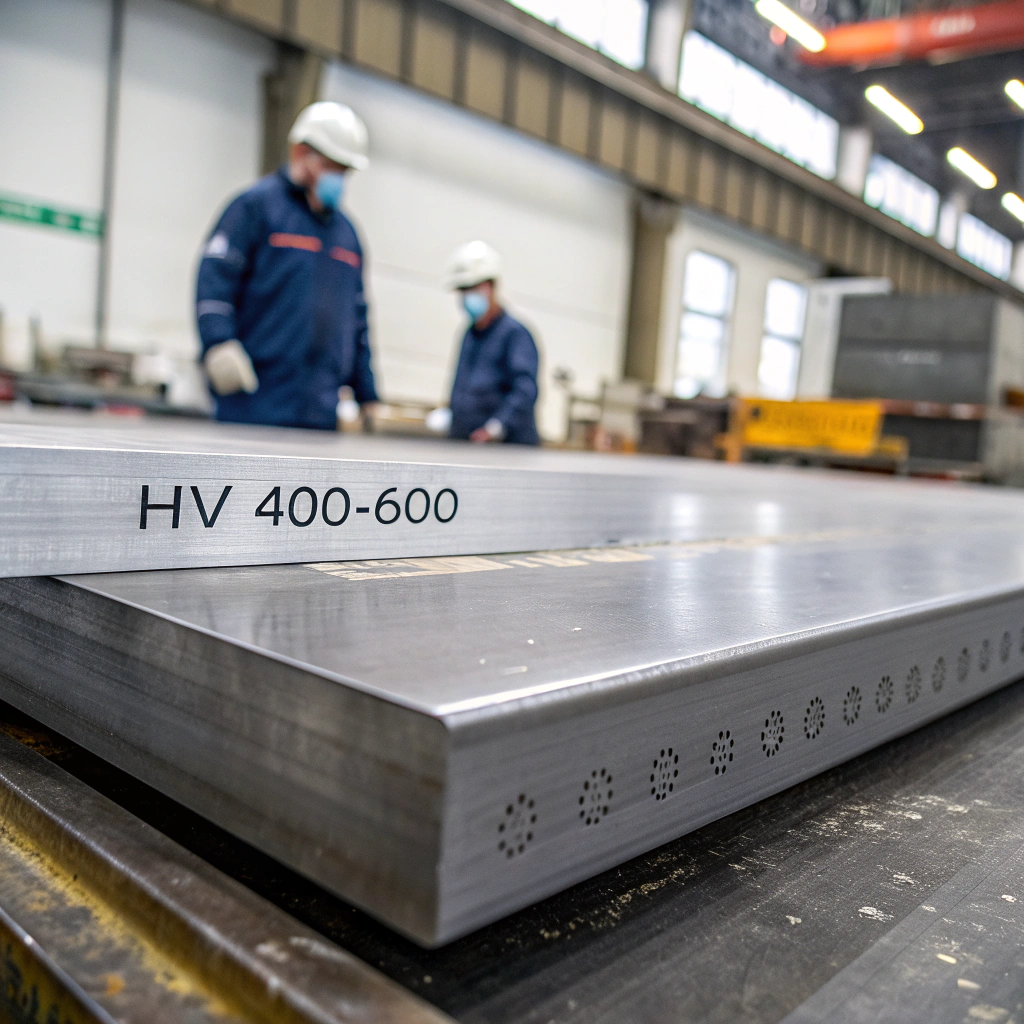
From working with outdoor luminaire frames, industrial extrusions and medical/industrial equipment, I’ve learned that the decision to choose hard‑coat finishes is not automatic but should follow application needs.
What hard‑coat (Type III) gives you
- Much thicker oxide layer, often 13‑150 µm or more.
- Increased hardness (some sources say Vickers hardness HV 400‑600 or equivalent).
- Better wear resistance (abrasion, sliding contact) and better corrosion resistance (salt spray, chemical exposure) than standard anodizing.
- Good for high‑stress or outdoor conditions: e.g., heavy‑duty lighting, automotive, industrial.
When standard anodizing is adequate
- Indoor electronics where conditions are controlled
- Low cost sensitive projects where the environment is benign
- Designs where finishing is less likely to suffer abrasion, impact or chemical exposure
- When thermal conduction path is dominant and finishing is secondary
Trade‑offs and practicalities
- Hard‑coat anodizing is more expensive, takes longer, may require stricter quality control
- Surface may be rougher or require subsequent machining/finishing if tight tolerances are needed
Моя рекомендация
At Sinoextrud, when I evaluate a custom extrusion for a client, I ask:
- What is the environment? If outdoor or corrosive → consider hard‑coat.
- Will there be mechanical contact? If yes → lean hard‑coat.
- Do you have budget constraints? → standard anodize may suffice.
- Do you want vivid dyes? → hard‑coat limits that.
- Are tight tolerances needed? → hard‑coat may require post-process machining.
Hard‑coat anodizing is always required for any aluminium heat sink used outdoorsЛожь
While hard‑coat offers higher durability, many outdoor applications can use standard anodizing if the environment is not extreme; selection should be based on actual conditions and cost‑benefit.
Hard‑coat anodizing substantially increases wear and corrosion resistance making it suitable for demanding heat sink applicationsПравда
Sources show that hard‑coat (Type III) has thicker and harder oxide layer, improved wear/corrosion resistance compared to standard.
Заключение
In my view, choosing the right surface finishing and anodizing for aluminium heat sinks is a balance of performance, durability, cost and aesthetics. Standard (Type II) anodizing is suitable for many indoor electronics and offers good protection and emissivity. Colour‑dyeing gives branding flexibility without hurting performance. Hard‑coat (Type III) is best reserved for environments with mechanical stress, outdoor exposure or heavy usage. By matching your specifications to the application, you ensure your heat sinks deliver reliability, look good and stay cost‑effective.