Стандарты обработки поверхности алюминиевых экструзий?

На алюминиевых экструзиях часто появляются нежелательные следы или шероховатости. Эти дефекты поверхности не только снижают привлекательность изделия, но и могут повлиять на удовлетворенность клиентов и последующее использование.
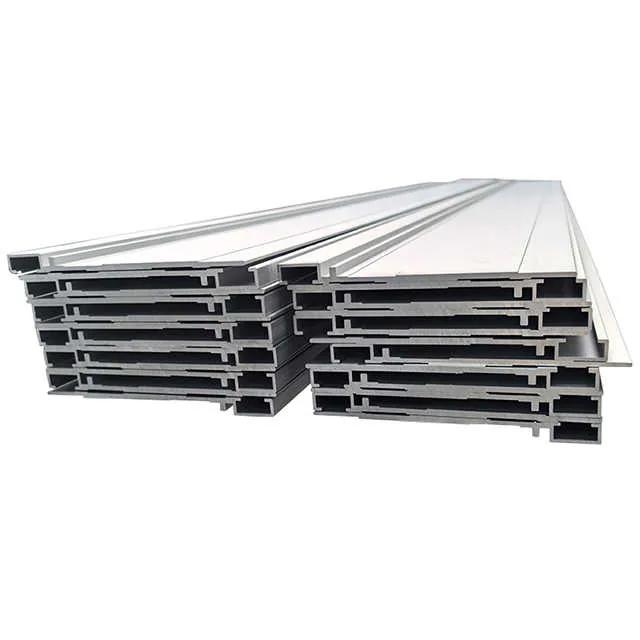
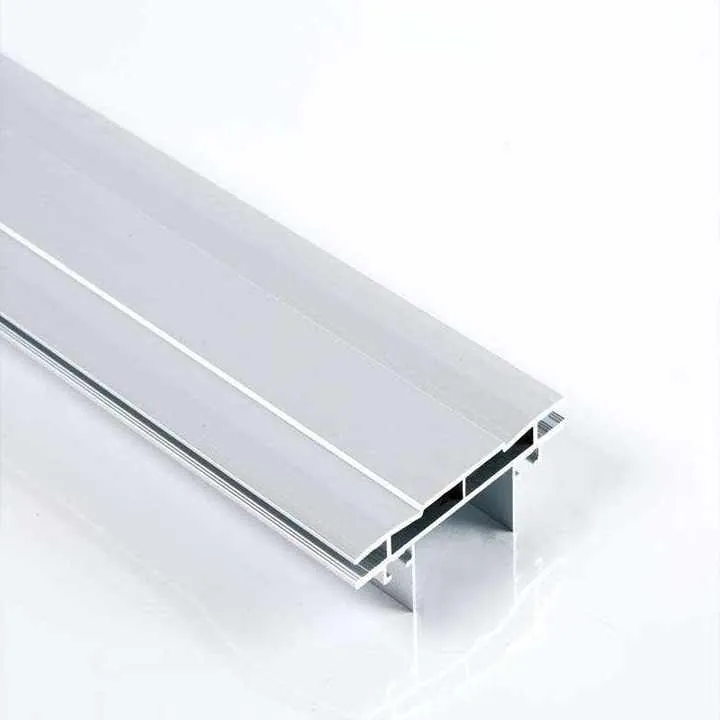
Стандарты обработки поверхности алюминиевой экструзии определяют, насколько чистым, гладким и бездефектным должен быть экструдированный профиль как с визуальной, так и с функциональной точки зрения.
Четкие стандарты отделки поверхности укрепляют доверие, помогают снизить количество отказов и способствуют более спокойной международной торговле. В этой статье мы расскажем о типах отделки, о том, как мы проверяем качество, какие стандарты имеют значение и меняет ли отделка прочность.
Каковы общие типы отделки экструдированного алюминия?
Алюминиевые детали без обработки поверхности могут подвергнуться коррозии или выглядеть непрофессионально, особенно если речь идет о дорогостоящих или открытых изделиях.
Наиболее распространенными видами отделки являются фрезерование, анодирование, порошковое покрытие, покраска, браширование и полировка. Каждый из них служит для различных целей и предлагает уникальные уровни защиты.
Основные варианты отделки
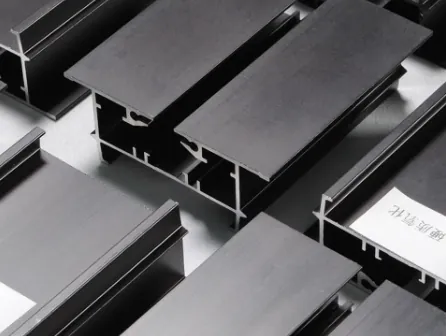
Алюминий обладает естественной реактивностью. Под воздействием воздуха он образует тонкий оксидный слой. Но этот слой не всегда прочен и однороден. Поверхностная отделка усиливает оксид или покрывает его защитными или декоративными покрытиями. Ниже приведены наиболее часто используемые варианты:
| Тип отделки | Визуальный эффект | Уровень защиты | Типовое применение |
|---|---|---|---|
| Мельничная отделка | Тусклый, серый, следы от инструментов | Низкий | Скрытые части, внутренние структуры |
| Анодированный | Матовый, металлический блеск | Средний и высокий | Оконные рамы, солнцезащитные рамы, фасады |
| Порошковое покрытие | Гладкая, однотонная | Высокий | Перила, знаки, строительные элементы |
| Матовый | Линейное зерно, матовая отделка | Средний | Отделка, крепеж, демонстрационные панели |
| Полированный | Светоотражающие, блестящие | Низкий-средний | Декоративные или видимые внутри помещения детали |
| Окрашенный | Глянцевые или нестандартные оттенки | Средний | Индивидуальный брендинг или соответствующие цветовые темы |
Ключевые факторы, влияющие на выбор
Выбор отделки зависит от:
- Где будет использоваться продукт (в помещении или на улице)
- Необходимый внешний вид
- Необходимость в коррозионной стойкости
- Ожидаемые затраты и объемы
- Время выполнения и наличие
Для структурных проектов, таких как навесные стены или каркасы солнечных батарей, предпочтительно анодирование. Порошковая окраска идеальна, когда требуется и цвет, и защита. Для декоративных изделий часто используется обработка щеткой или полировка.
Отделка фрезерованием обычно является наиболее защитным покрытием алюминия.Ложь
Фрезерная отделка обеспечивает наименьшую защиту, поскольку она не обработана и подвержена коррозии.
Анодированный алюминий обладает лучшей коррозионной стойкостью, чем фрезерованный.Правда
Анодирование утолщает оксидный слой на алюминии, обеспечивая превосходную защиту от коррозии.
Как измеряется качество отделки на производстве?
Клиенты ожидают постоянства, но при отсутствии должного контроля качество поверхности в разных партиях может отличаться.
Качество отделки измеряется толщиной покрытия, визуальной однородностью, шероховатостью поверхности, соответствием цвета и прочностью сцепления. Эти показатели отслеживаются с помощью приборов и ручного контроля.

Основные показатели инспекции
Качество отделки алюминия включает в себя как физические измерения, так и визуальные стандарты. На заводах для оценки используют различные инструменты и обученный персонал:
| Метрика | Описание | Используемые инструменты |
|---|---|---|
| Толщина покрытия | Глубина слоя анодирования или краски | Вихретоковый или магнитный манометр |
| Шероховатость поверхности (Ra) | Гладкость измеряется в микронах | Профилометр или контактный датчик |
| Равномерность цвета | Совпадение с образцом при фиксированном освещении | Визуальный или спектрофотометр |
| Уровень глянца | Уровень блеска для полированных или покрытых лаком поверхностей | Измеритель блеска |
| Адгезионная прочность | Насколько хорошо финишное покрытие сцепляется с алюминием | Ленточный тест или тест на перекрестную штриховку |
| Подсчет визуальных дефектов | Пятна, ямки, полосы или неровный вид | Ручной осмотр под фиксированным светом |
Процесс проверки во время производства
Большинство объектов используют случайная выборка в зависимости от объема заказа. Визуальный контроль часто охватывает 100% продукта, в то время как толщина и шероховатость могут быть проверены на каждых 500-1000 кг.
Инспекторы используют стандартное освещение и углы для поиска дефектов. Толщина покрытия и значения Ra регистрируются и проверяются. Отклонения могут быть вызваны обращением оператора, непостоянной очисткой или износом оборудования.
Соблюдение последовательности
Поддерживать стандарты, качество работы команды:
- Регулярно калибруйте инструменты
- Обучение персонала стандартным пороговым значениям дефектов
- Используйте контрольные диаграммы для отслеживания тенденций
- Установите пределы допустимых отклонений
- Сравните со стандартными образцами отделки
Если дефекты превышают допустимые пределы, партия может быть переработана, забракована или предложена со скидкой. Правильная проверка позволяет избежать дорогостоящих возвратов и защитить долгосрочные отношения с поставщиками.
Толщина покрытия проверяется визуально, без использования приборов.Ложь
Для обеспечения точности толщина покрытия должна измеряться с помощью соответствующих измерительных приборов.
Проверка качества поверхности включает в себя как визуальный контроль, так и числовые испытания.Правда
При финишном контроле используются визуальные наблюдения и инструменты для измерения шероховатости, толщины и адгезии.
Существуют ли мировые стандарты внешнего вида поверхности?
Споры о качестве отделки часто возникают, когда покупатели и фабрики используют разные точки отсчета.
Да, такие организации, как ISO и ASTM, публикуют стандарты обработки поверхности для алюминиевых экструзий, охватывающие дефекты, допуски и классификацию обработки.

Примеры применимых стандартов
| Стандарт | Организация | Основные направления деятельности |
|---|---|---|
| ISO 7599 | ISO | Толщина анодирования и качество поверхности |
| ISO 2768 | ISO | Общие допуски на внешний вид поверхности |
| ASTM B921 | ASTM | Спецификация анодированного алюминия |
| EN 755-9 | ЕС/ИСО | Размерные и визуальные допуски для экструзии |
Как используются стандарты
Глобальные покупатели часто ссылаются на стандарты в своих чертежах или контрактах. В спецификации может быть указано: “Отделка по стандарту ISO 7599 класс AA15”. Это означает, что толщина анодирования должна составлять не менее 15 микрон и соответствовать требованиям к внешнему виду поверхности.
Стандартные документы определяют:
- Максимально допустимые царапины или ямки
- Диапазон блеска для покрытий
- Допуск на толщину покрытия
- Пределы шероховатости поверхности (при необходимости)
- Процедуры проверки
Эти определения помогают избежать расплывчатых терминов вроде “гладкий” или “чистый”, которые варьируются в зависимости от культуры или опыта.
Ограничения и обходные пути
Многие стандарты допускают небольшие помарки, если они не влияют на функциональность. Для критических деталей покупатели часто добавляют пользовательские спецификации например: “Отсутствие видимых дефектов на расстоянии 1 м при дневном свете”. Это устанавливает более жесткую планку.
Некоторые компании также хранят справочные панели - реальные образцы алюминия с принятой отделкой - для бокового сравнения.
Хотя глобальные стандарты помогают, они могут нуждаться в дополнениях, чтобы соответствовать целям брендинга или внешнего вида в конкретных отраслях.
ISO и ASTM не имеют стандартов на обработку поверхности алюминия.Ложь
Стандарты ISO и ASTM хорошо известны для отделки алюминия, включая анодирование и экструзию.
Покупатели могут запросить индивидуальные спецификации отделки поверхности, выходящие за рамки международных стандартов.Правда
Чтобы детали соответствовали строгим визуальным или брендинговым требованиям, часто добавляются специальные спецификации.
Может ли отделка повлиять на структурные свойства?
Некоторые люди опасаются, что поверхностная отделка может ослабить алюминий или вызвать скрытые повреждения.
Финишные покрытия влияют на характеристики поверхности, такие как коррозионная стойкость или износ, но обычно не снижают прочность сердцевины при правильном нанесении.

Структурное воздействие различных видов отделки
Обработка поверхности добавляет защиту, но может также повлиять на реакцию алюминия под нагрузкой или воздействием. Вот как:
- Анодирование: Добавляет твердый оксидный слой, который противостоит коррозии и износу. Он не изменяет объемную прочность, но может немного повысить усталостную прочность.
- Порошковое покрытие: Образует толстую, скрепленную оболочку, похожую на пластик. При перегреве некоторые сплавы могут размягчаться, но хороший контроль процесса позволяет этого избежать.
- Живопись: Обеспечивает минимальную защиту, не влияет на структуру.
- Полировка или чистка: Снимает тонкий слой поверхности. Если переусердствовать, могут образоваться микронасечки, которые могут стать источниками напряжения.
Как отделка защищает структуру
Хорошая отделка:
- Блокируйте коррозию, которая со временем ослабляет соединения
- Уменьшают трение и износ, особенно в движущихся частях
- Предотвращает окисление, приводящее к точечной коррозии поверхности
Плохая отделка или дефекты покрытия могут задерживать влагу или химические вещества. Это может ускорить коррозию, особенно в морской или промышленной среде.
Чего следует избегать
- Нанесение финишных покрытий на некачественные экструзии
- Отверждение порошковых красок при неправильной температуре
- Отсутствие проверки на наличие скрытых трещин перед нанесением покрытия
- Использование абразивной полировки на несущих деталях
Для достижения наилучших результатов отделка поверхностей должна быть частью конструктивного планирования, а не последним делом. Некоторые виды отделки, например анодирование, повышают твердость поверхности без увеличения веса. Другие, например порошковое покрытие, обеспечивают защиту, но требуют термоконтроля.
Порошковая окраска повышает твердость поверхности и коррозионную стойкость, но при неправильном отверждении может повлиять на прочность алюминия.Правда
Чрезмерное нагревание во время полимеризации может привести к изменению температуры некоторых алюминиевых сплавов, особенно тонких профилей.
Все виды отделки поверхности повышают прочность алюминиевых деталей.Ложь
Большинство видов отделки улучшают поведение поверхности, но не влияют на внутренние механические свойства алюминия.
Заключение
Понимание стандартов отделки помогает обеспечить соответствие ваших алюминиевых экструзий как визуальным, так и эксплуатационным характеристикам. Выбрав правильную обработку поверхности, измерив ее должным образом и следуя мировым стандартам, вы всегда сможете выпускать надежную и привлекательную продукцию.