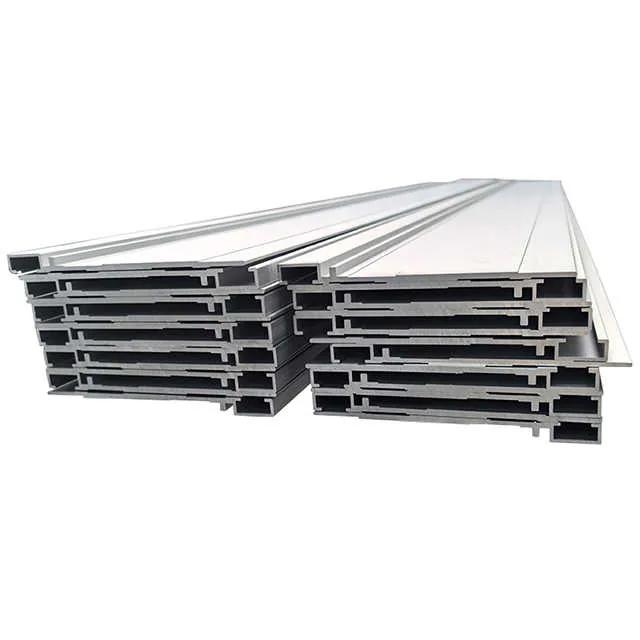
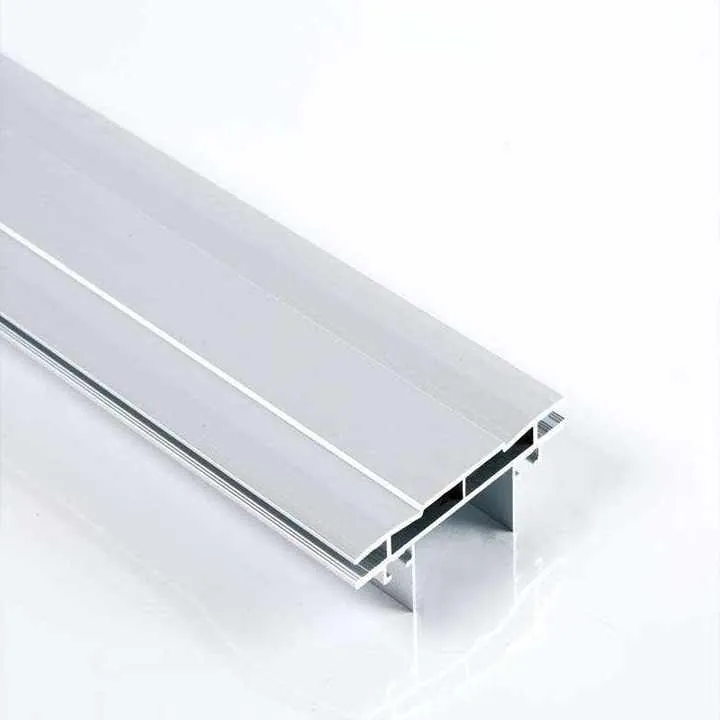
Совместимость алюминиевого экструдированного профиля с клеевым соединением?

Многие склеенные алюминиевые детали выходят из строя задолго до окончания срока службы. Отслоение, растрескивание и внезапное отделение часто возникают без предупреждения. Эти неисправности обычно связаны с плохим пониманием процессов экструзии алюминия и совместимости клеящих веществ.
Экструзия алюминия совместима с клеевым соединением, когда правильная клеевая система, обработка поверхности, метод предварительной обработки и конструкция соединения соответствуют условиям применения.
Клеящее соединение — это не просто замена сварке или крепежным элементам. Это системное решение. Каждый шаг влияет на долгосрочную надежность.
Какие клеи лучше всего подходят для алюминиевых поверхностей?
Во многих проектах выбор клея происходит слишком поздно. К этому моменту конструкция экструзии и состояние поверхности уже определены. Это создает риск.
Структурные эпоксидные, полиуретановые и акриловые клеи лучше всего подходят для алюминиевых поверхностей, поскольку обеспечивают прочную адгезию, допускают наличие зазоров и обладают долговечностью при нагрузках и воздействии окружающей среды.

Алюминий имеет естественный оксидный слой. Клей прилипает к этому оксиду, а не к чистому металлу. Поэтому химический состав клея имеет решающее значение.
Структурные эпоксидные клеи
Эпоксидные клеи наиболее широко используются для склеивания алюминиевых экструзионных профилей.
Ключевые характеристики:
- Высокая прочность на сдвиг и отрыв
- Отличная термостойкость
- Высокая химическая стойкость
Они хорошо подходят для несущих соединений. Время отверждения может быть длительным, но прочность предсказуема.
Ограничения включают хрупкость и чувствительность к загрязнению поверхности.
Полиуретановые клеи
Полиуретановые системы обеспечивают гибкость. Они поглощают вибрацию и тепловое движение.
Преимущества включают:
- Хорошая ударопрочность
- Лучшая производительность при динамических нагрузках
- Умеренная допустимая погрешность подготовки поверхности
Они часто используются в транспортных средствах и ограждающих конструкциях.
Акриловые клеи
Акриловые клеи быстро отвердевают и подходят для неидеальных поверхностей.
Преимущества:
- Быстрое время крепления
- Хорошая прочность на алюминии
- Снижение требований к подготовке поверхности
Однако запах и низкая термостойкость могут ограничивать его использование.
Сравнение выбора клеящих веществ
| Тип клея | Уровень прочности | Гибкость | Типичное использование |
|---|---|---|---|
| Эпоксидная смола | Очень высокий | Низкий | Конструктивные рамы |
| Полиуретан | Средний | Высокий | Динамические сборки |
| Акрил | Средневысокий | Средний | Быстрые сборочные линии |
| Силикон | Низкий | Очень высокий | Только уплотнение |
Выбирать клей только по прочности — это ошибка. Не менее важны воздействие окружающей среды, тип нагрузки и скорость производства.
Из числа причин отслоения, рассмотренных в производстве, неправильный выбор клея является одной из трех основных причин.
Структурные эпоксидные смолы обеспечивают наивысшую несущую способность для склеенных алюминиевых экструзий.Правда
Эпоксидные смолы обеспечивают высокую прочность на сдвиг и стабильные характеристики при правильном нанесении.
Силиконовые клеи идеально подходят для структурного склеивания алюминиевых экструзионных профилей.Ложь
Силиконы не обладают механической прочностью, необходимой для структурных алюминиевых соединений.
Как состояние поверхности влияет на прочность соединения?
Многие проблемы со склеиванием выглядят как отслоение клея. На самом деле это дефекты поверхности.
Качество поверхности напрямую влияет на прочность соединения, поскольку шероховатость, чистота и состояние оксидного слоя определяют степень смачивания и сцепления клея с алюминиевыми поверхностями.
Клеи действуют за счет механического сцепления и химического притяжения. Оба эти явления зависят от состояния поверхности.
Гладкие и шероховатые поверхности
Очень гладкие поверхности уменьшают механическое зацепление. Очень шероховатые поверхности задерживают воздух и загрязнения.
Оптимальная поверхность имеет:
- Контролируемая шероховатость
- Однородная текстура
- Без рыхлых частиц
Экструдированный алюминий часто имеет линии штамповки. В зависимости от направления и глубины они могут способствовать или препятствовать склеиванию.
Влияние анодированных поверхностей
Анодированный алюминий может хорошо склеиваться, если это сделать правильно.
Ключевые моменты:
- Допустимы тонкие анодные слои
- Герметичное анодирование снижает прочность соединения
- Остатки краски могут препятствовать адгезии
Для структурного склеивания часто предпочтительнее использовать незагерметизированный анодированный или необработанный алюминий.
Влияние загрязнения поверхности
К распространенным загрязнителям относятся:
- Масла
- Пыль
- Оксидная головня
- Обращение с остатками
Даже невидимые загрязнения могут снизить прочность сцепления более чем на 50 процентов.
Качество поверхности и прочность соединения
| Состояние поверхности | Тенденция прочности сцепления | Уровень риска |
|---|---|---|
| Чистый, травленый | Очень высокий | Низкий |
| В виде экструдированного продукта | Средний | Средний |
| Анодированный герметичный | Низкий | Высокий |
| Маслянистый или пыльный | Очень низкий | Очень высокий |
Финишная обработка поверхности должна быть определена на раннем этапе. Если оставить ее неопределенной, это приведет к несоответствиям между партиями.
Опыт работы в полевых условиях показывает, что равномерная обработка поверхности в большей степени снижает вариации адгезии, чем смена марки клея.
Контролируемая шероховатость поверхности улучшает прочность адгезивного соединения на алюминиевых экструзионных профилях.Правда
Усиливает механическое сцепление и адгезивное смачивание.
Более гладкая алюминиевая поверхность всегда обеспечивает более прочное склеивание.Ложь
Слишком гладкие поверхности снижают механическую фиксацию и надежность соединения.
Может ли предварительная обработка повысить надежность соединения?
Пропуск предварительной обработки — распространенный способ сэкономить время. Со временем это также становится одной из самых дорогостоящих ошибок.
Предварительная обработка повышает надежность соединения за счет очистки, активации и стабилизации алюминиевых поверхностей, обеспечивая стабильную адгезию во всех производственных партиях.

Предварительная обработка не означает только сложную химию. Даже простые шаги могут иметь большое значение.
Механическая предварительная обработка
Механические методы включают:
- Легкое истирание
- Щетка
- Пескоструйная обработка
Эти методы увеличивают площадь поверхности и удаляют слабые оксидные слои. Контроль имеет решающее значение. Чрезмерное абразивное воздействие приводит к появлению вкраплений мусора.
Химическая предварительная обработка
Химические обработки более стабильны.
Общие методы:
- Щелочная очистка
- Травление кислотой
- Конверсионные покрытия
Они удаляют масла и создают химически активную поверхность.
Конверсионные покрытия и грунтовки
В некоторых системах склеивания используются грунтовки.
Преимущества включают:
- Улучшенная адгезия
- Защита от коррозии
- Постоянство процесса
Грунтовочные покрытия действуют как промежуточный слой между алюминием и клеем.
Процесс предварительной обработки
| Шаг | Назначение | Риск в случае пропуска |
|---|---|---|
| Очистка | Удалите масла | Отслоение клея |
| Травление | Активировать поверхность | Слабая связь |
| Промывка | Предотвращение образования остатков | Химическая атака |
| Сушка | Удаление влаги | Пустоты |
Каждый шаг укрепляет надежность. Пропуск одного шага часто проявляется через несколько месяцев в виде отложенной неисправности.
Стоимость против надежности
Предварительная обработка увеличивает затраты и время. Однако затраты, связанные с отказом, выше. Гарантийные претензии, отзывы и перепроектирование значительно превышают затраты на предварительную обработку.
Согласно результатам долгосрочных обзоров проектов, последовательная предварительная обработка является самым надежным фактором, определяющим успех склеенного соединения.
Предварительная обработка поверхности значительно повышает долговечность адгезивного соединения.Правда
Обеспечивает чистоту и химическую активность алюминиевых поверхностей.
Предварительная обработка влияет только на внешний вид, но не на адгезионные свойства.Ложь
Предварительная обработка напрямую влияет на прочность и долговечность адгезии.
Какие конструкции соединений подходят для алюминиевых экструзионных профилей с клеевым соединением?
Даже лучший клей не поможет при плохом дизайне соединения. Геометрия имеет такое же значение, как и химия.
Алюминиевые экструзионные профили с клеевым соединением демонстрируют наилучшие характеристики при использовании конструкций соединений, которые максимально увеличивают сдвиговую нагрузку, площадь соединения и распределение напряжений, одновременно минимизируя силы отрыва и раскола.
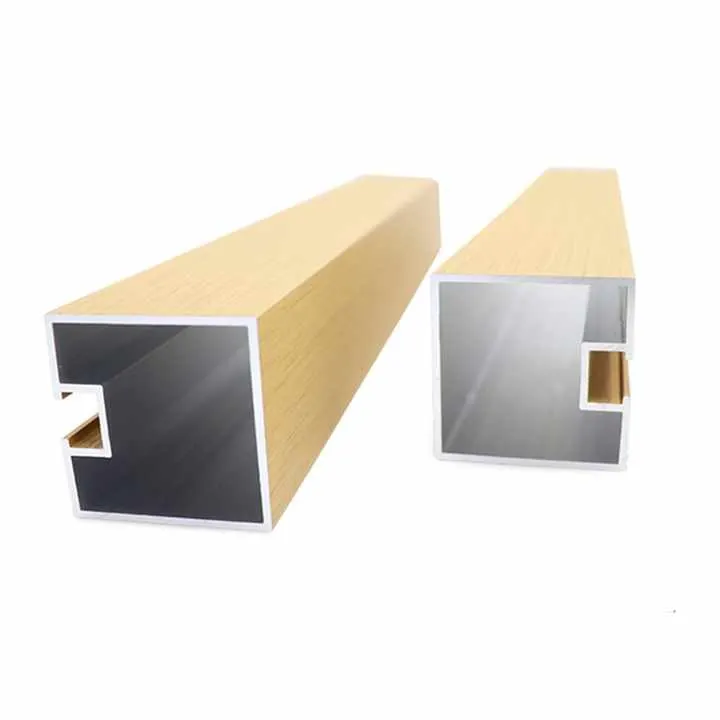
Клеи обладают наибольшей прочностью при сдвиге и наименьшей прочностью при отрыве.
Предпочтительные типы соединений
Наиболее эффективные конструкции включают:
- Стыковые соединения
- Стыки шарфов
- Профили с пазом и шпунтом
Эти конструкции распределяют нагрузку на большую площадь.
Совместные проекты, которых следует избегать
К конструкциям с высоким уровнем риска относятся:
- Стыковые соединения под натяжением
- Одноточечное соединение
- Острые углы нагрузки
Они концентрируют напряжения и способствуют возникновению трещин.
Контроль толщины клеевого слоя
Клеи требуют контролируемой толщины.
Слишком тонкий:
- Голодные суставы
- Плохая поглощающая способность при нагрузках
Слишком толстый:
- Низкая прочность
- Повышенная ползучесть
Большинство структурных клеев демонстрируют наилучшие характеристики в определенном диапазоне толщины.
Сравнение эффективности конструкции соединений
| Тип соединения | Распределение нагрузки | Надежность |
|---|---|---|
| Стык внахлест | Даже | Высокий |
| Шарнирное соединение | Очень ровный | Очень высокий |
| Стыковое соединение | Концентрированный | Низкий |
| Спотовая облигация | Очень концентрированный | Очень низкий |
Интеграция конструкции с экструзией
Экструзия позволяет использовать функции, которые помогают скреплению:
- Соединительные фланцы
- Внутренние каналы
- Выравнивающие ребра
Использование этих функций снижает зависимость от одной только адгезионной прочности.
Судя по результатам анализа конструкций, ошибки в геометрии соединений приводят к большему количеству отказов, чем ошибки в выборе клея.
Клеевые соединения в алюминиевых экструзионных профилях демонстрируют наилучшие характеристики при нагрузке, преимущественно направленной на сдвиг.Правда
Сдвиговая нагрузка равномерно распределяет напряжение по всей площади соединения.
Стыковые соединения под растягивающей нагрузкой идеально подходят для склеенных алюминиевых экструзионных профилей.Ложь
Они концентрируют напряжения и способствуют разрушению клеевого соединения.
Заключение
Клеевое соединение хорошо подходит для алюминиевых экструзионных профилей, если правильно подобрать клей, обработку поверхности, предварительную подготовку и конструкцию соединения. Относитесь к склеиванию как к системному решению, чтобы добиться стабильной и долговечной работы.