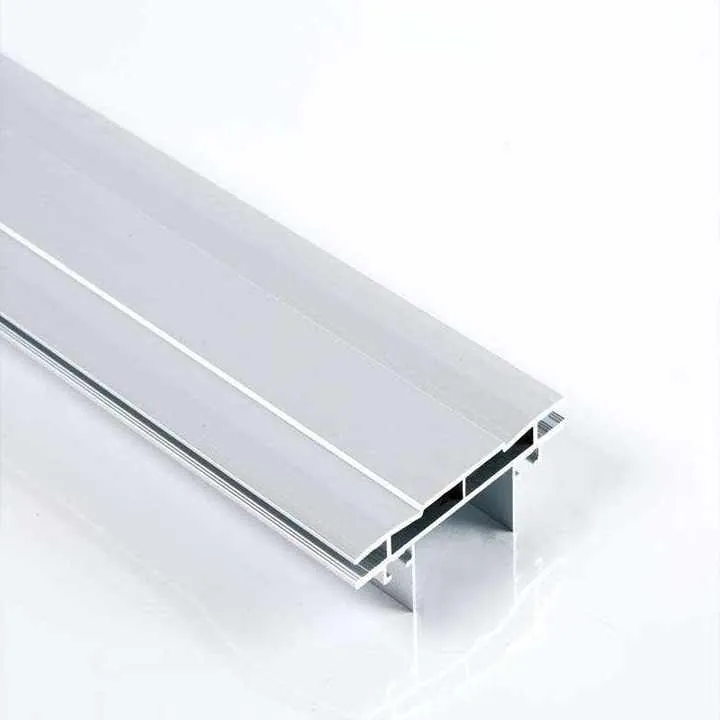
Факторы, влияющие на цену алюминиевого экструдированного профиля?
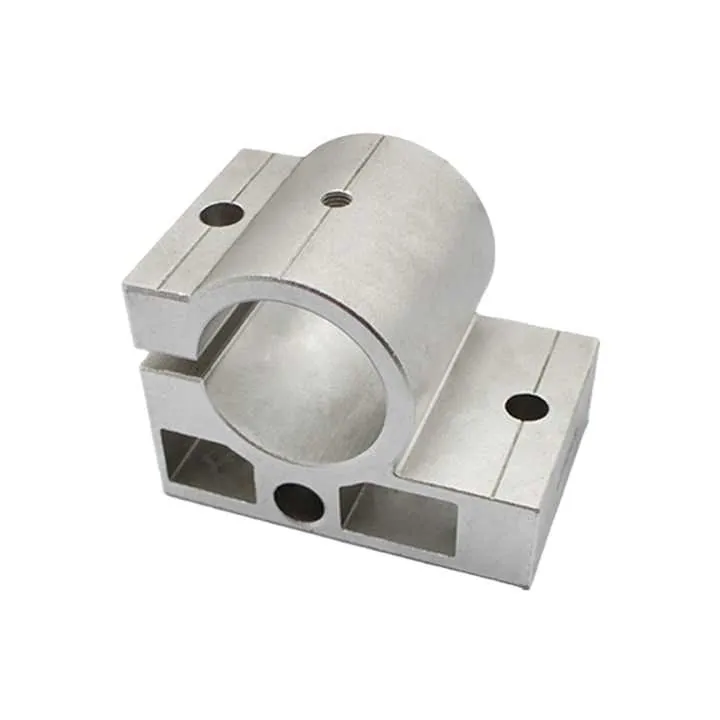
Эта тема может показаться немного сухой, но она имеет огромное значение.
Понимание того, что определяет цену за единицу продукции при экструзии алюминия, помогает покупателям и поставщикам избежать неожиданностей.
Если вы останетесь со мной, то увидите реальные рычаги, стоящие за колебаниями цен.
Что определяет удельную стоимость экструдированных профилей?
Представьте, что вы заказываете алюминиевые профили, а стоимость резко меняется, даже если размер остается прежним. Почему так происходит?
Стоимость единицы продукции зависит не только от веса и длины, но и от многих факторов: материал, форма, обработка, отходы и накладные расходы - все это имеет значение.

Когда компания называет цену за единицу продукции из экструдированного алюминия, она не ограничивается тем, что смотрит на количество используемого алюминия. Они учитывают множество элементов затрат. Во-первых, цена на необработанный алюминий колеблется. Если цены на сплавы растут, стоимость увеличивается. Далее, имеет значение сложность поперечного сечения. Простая прямоугольная форма отнимает меньше алюминия, чем сложный профиль с несколькими камерами, тонкими стенками или замысловатыми изгибами. Это имеет значение. Если для придания формы требуется более толстая заготовка или образуется больше брака, стоимость увеличивается. Кроме того, экструзионные машины имеют ограничения по размеру заготовки и длине профиля. Меньшие или короткие профили могут требовать больше обработки, что увеличивает трудозатраты на единицу продукции. Кроме того, существует объем производства: при больших заказах затраты на наладку распределяются на большое количество изделий, что снижает накладные расходы на единицу продукции. Мелкие партии делают обратное. Кроме того, учитываются этапы финишной обработки. Если профиль нуждается в обработке на станках с ЧПУ, сверлении, резке, гибке или обработке поверхности, например анодировании, каждый этап добавляет время и затраты. Наконец, контроль качества, упаковка и логистика доставки также играют свою роль.
Вот упрощенная таблица основных факторов затрат и их влияния:
| Фактор стоимости | Почему это влияет на цену |
|---|---|
| Необработанный алюминиевый материал | Цена за кг колеблется |
| Сложность профиля | При изготовлении более сложных форм расходуется больше материала или требуется специальная оснастка |
| Количество отходов/лома | Лом увеличивает стоимость готовой продукции |
| Объем производства | Распределение постоянных затрат на большее количество единиц |
| Машинное время и труд | Сложные или длинные прогоны требуют больше времени на обработку |
| Вторичные операции | Резка, сверление, ЧПУ, финишная обработка увеличивают стоимость |
| Контроль качества и упаковка | Дополнительная обработка добавляет трудозатраты и материалы |
| Транспорт и логистика | Доставка громоздких или тяжелых профилей увеличивает расходы |
Из-за этих факторов два одинаковых на первый взгляд предложения могут сильно отличаться. Именно поэтому важно поделиться с поставщиком всеми деталями, включая чертежи, предполагаемый объем и требуемую отделку, прежде чем запрашивать цену.
Удельная стоимость экструзии зависит только от веса используемого алюминияЛожь
Себестоимость включает в себя цену сырья, металлолом, рабочую силу, оснастку, накладные расходы, отделку, а не только вес.
Расходы на установку и накладные расходы распределяются на большее количество единиц, что снижает цену за единицу продукцииПравда
Постоянные затраты распределяются между большим количеством изделий, что снижает нагрузку на единицу продукции.
Как выбор сплава влияет на цену за кг?
Выбор другого алюминиевого сплава может показаться простым. Однако это может изменить стоимость одного килограмма.
Состав сплава, спрос и необходимость обработки - все это меняет цену за килограмм при выборе различных сплавов.
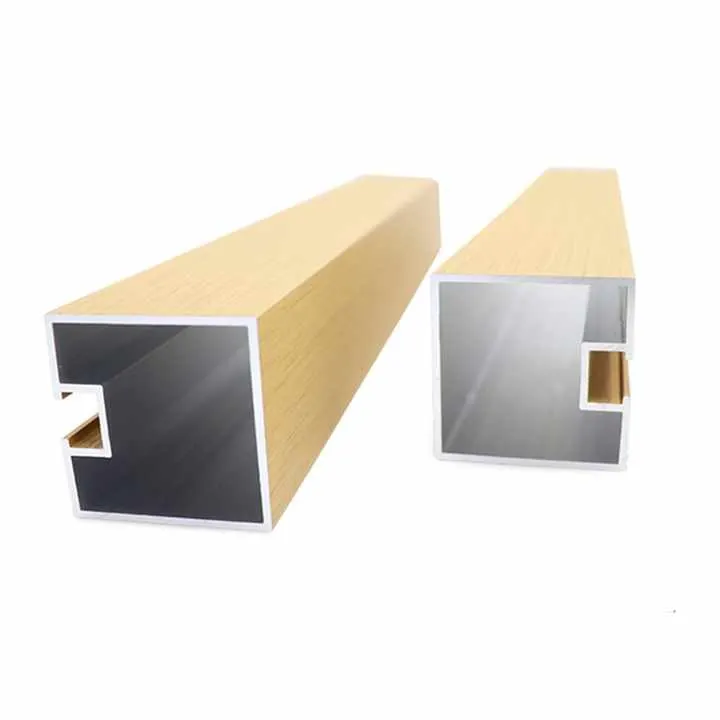
Сплавы имеют значение, потому что не весь алюминий одинаковый. В разных сплавах используются различные легирующие элементы. Например, в состав некоторых сплавов могут входить магний, кремний или другие металлы. Эти элементы меняют стоимость. Когда спрос на определенные сплавы растет - возможно, благодаря таким отраслям, как автомобилестроение или производство солнечных батарей, - их цена повышается. Кроме того, стоимость увеличивается за счет чистоты сплава и его сертификации. Для некоторых клиентов сплав должен соответствовать спецификации, например 6063-T5 или 6061-T6. Для удовлетворения этих требований могут потребоваться заготовки более высокого класса или более строгий контроль материала. Это приводит к увеличению стоимости.
Обработка сплава также может отличаться. Некоторые сплавы экструдируются легче. Другие могут требовать большего нагрева или меньшей скорости экструзии. Это увеличивает машинное время и трудозатраты. Может измениться и количество брака: более твердые сплавы могут ломаться или деформироваться при неправильной скорости, что увеличивает количество отходов. Эти отходы влияют на стоимость килограмма конечного продукта.
Ниже приведен вымышленный пример того, как выбор сплава может повлиять на стоимость:
| Марка сплава | Типичная надежность | Относительная стоимость за кг |
|---|---|---|
| 6063-T5 | стандарт на строительные экструзии | 1,0× (базовый уровень) |
| 6061-T6 | сильнее, нуждается в лучшем контроле | 1,1× - 1,2× |
| Специальный сплав (на заказ) | специальный состав, строгая спецификация | 1,3× или более |
Поскольку стоимость часто указывается за килограмм или за метр (при условии фиксированной плотности), использование премиального или специального сплава напрямую повышает стоимость килограмма. Это относится даже к обработке поверхности или механической обработке.
Кроме того, на цену заготовок влияют местоположение и спрос на мировых рынках. Если предложение ограничено, поскольку регион экспортирует много продукции, заготовки стоят дороже. Это сказывается на всех клиентах во всем мире.
Как покупатель, я обращаю внимание на счета поставщиков заготовок. Когда стоимость сплава подскакивает, я вижу, что котировки сразу же растут. Это помогает мне лучше понять структуру затрат и вести переговоры соответствующим образом.
Все алюминиевые сплавы стоят примерно одинаково за кг.Ложь
Разные сплавы включают в себя различные элементы, отличаются по востребованности, что и обуславливает разброс стоимости.
Сплавы премиум-класса или более строгие спецификации, как правило, стоят дороже за кг, чем стандартные сплавыПравда
Большее количество легирующих элементов, более жесткое качество, более высокая стоимость заготовки и сложность обработки повышают стоимость.
Значительно ли увеличивает стоимость обработка поверхности?
Вы можете подумать, что обработка поверхности - это просто покраска или отделка. Это нечто большее.
Обработка поверхности, такая как анодирование или порошковое покрытие, добавляет этапы, материалы, трудозатраты и контроль - так что да, это может значительно повысить стоимость.
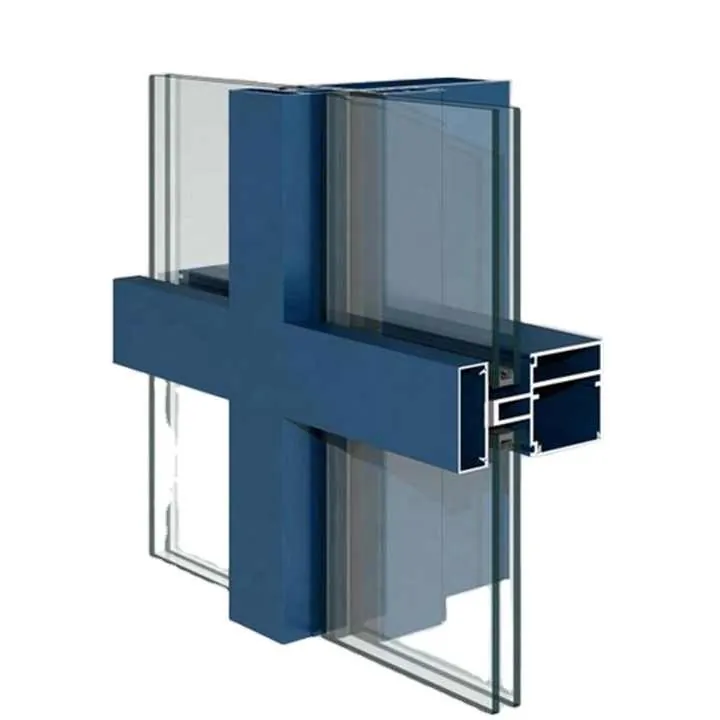
Обработка поверхности увеличивает стоимость, поскольку добавляет процессы после экструзии и механической обработки. Рассмотрим распространенные виды обработки: анодирование, порошковое покрытие, отделка "под дерево", покраска или даже финишная обработка на ЧПУ. Каждая из них требует очистки, маскировки (если некоторые участки должны оставаться необработанными), запекания в печи, проверки, различной упаковки, а иногда и более защитной упаковки.
Например, анодирование требует тщательной очистки профилей. Затем погрузить их в кислотные ванны, промыть, высушить и упаковать. Это требует времени и энергии. Кроме того, при этом используются химикаты и образуются отходы, которые должны быть безопасно утилизированы. Соблюдение этих требований увеличивает расходы. Порошковая окраска требует предварительной обработки, нанесения покрытия, запекания, финишной обработки. Это требует дополнительных затрат труда, электроэнергии и времени. Перенос древесного рисунка добавляет еще больше этапов, а также специальные пленки.
Каждая из этих обработок увеличивает время обработки. Если профили длинные или большие, линии обработки должны быть больше, что требует больше ресурсов. Кроме того, при неправильном обращении с профилем во время обработки может увеличиться количество брака или дефектов. Эти отходы увеличивают затраты.
Дополнительная стоимость - это не просто фиксированная надбавка. Она зависит от того, насколько сложной является обработка и сколько профилей обрабатывается. При небольших заказах стоимость одной детали может сильно подскочить, поскольку постоянные затраты на настройку обработки распределяются между небольшим количеством деталей.
Во многих случаях отделка может добавить 10-30% к базовой цене экструзии. Иногда больше, если обработка сложная или многократная. Поэтому покупатели должны заранее указывать требования к отделке.
При переговорах с поставщиком полезно запрашивать отдельные цены: экструзия основы, механическая обработка, обработка поверхности, упаковка. Такая ясность поможет вам честно сравнить цены.
Обработка поверхности добавляет незначительные затраты по сравнению с экструзиейЛожь
Обработка требует дополнительных затрат труда, материалов, энергии и переработки отходов, что значительно повышает стоимость.
Сложная или многократная обработка поверхности может увеличить стоимость на 10-30% или болееПравда
Из-за дополнительных трудозатрат, материалов и обработки цена за единицу продукции значительно возрастает.
Являются ли короткие партии продукции более дорогими в расчете на единицу продукции?
Небольшие заказы и короткие тиражи кажутся удобными. Так оно и есть. Но обычно они обходятся дороже в расчете на один профиль.
При коротких сериях стоимость единицы продукции выше, поскольку постоянные расходы, такие как наладчик, оснастка и накладные расходы, распределяются на меньшее количество единиц продукции.

Когда клиент заказывает небольшую партию, поставщик все равно затрачивает тот же объем работы на подготовку. Они настраивают станки, готовят заготовки, чистят, проверяют и занимаются логистикой. Эта работа требует времени. Если заказ небольшой, эти постоянные затраты покрывают меньшее количество изделий. Таким образом, на каждую деталь приходится больше затрат.
Кроме того, небольшие партии могут привести к большим потерям. Допустим, торговцу нужно всего 200 кг экструзии - это мало. Заготовка может поставляться партиями по 1000 кг. При резке и сортировке может образоваться дополнительный лом. Для обработки лома и остатков заготовок может потребоваться хранение или переработка. Эти затраты должны быть возмещены. Часто поставщик берет за кг больше, чтобы покрыть их.
Еще один фактор - график производства. Если поставщик выпускает небольшие партии, он может прерывать выполнение других заказов или планировать запуск ламп. Это нарушает эффективность. Менее эффективный график означает более высокую общую стоимость. Поставщики могут включать надбавку за приоритетное планирование или неэффективность мелких партий.
В отличие от этого, большая партия - скажем, в несколько тонн - обеспечивает непрерывную работу машины, минимальное количество установок на килограмм, меньшее время простоя, лучшее использование материала. Это снижает стоимость единицы продукции.
Часто в котировках указывается “наценка за мелкую партию”. Она может быть фиксированной за кг или за заказ. Покупатели иногда недооценивают, сколько это дает в сумме.
В реальных случаях, которые я наблюдал, небольшой заказ в 500 кг обходился на 20-40% дороже, чем крупная партия в 5000 кг. Эта разница возникала в основном за счет отходов лома и распределения постоянных затрат.
Короткие партии стоят примерно столько же за единицу продукции, сколько и длинные.Ложь
Постоянные затраты и отходы распределяются на меньшее количество деталей, что повышает стоимость единицы продукции при коротких партиях.
При больших объемах производства стоимость единицы продукции обычно ниже, чем при малых партияхПравда
Экономия от масштаба позволяет снизить накладные расходы на единицу продукции и повысить эффективность использования материалов при больших объемах производства.
Заключение
Понимание цен на алюминиевую экструзию поможет избежать неожиданностей. Рост цен зависит от материала, формы, отделки и размера партии. Четкие спецификации и объем заказа определяют справедливые расценки. Всегда проверяйте все составляющие стоимости перед подтверждением заказа.