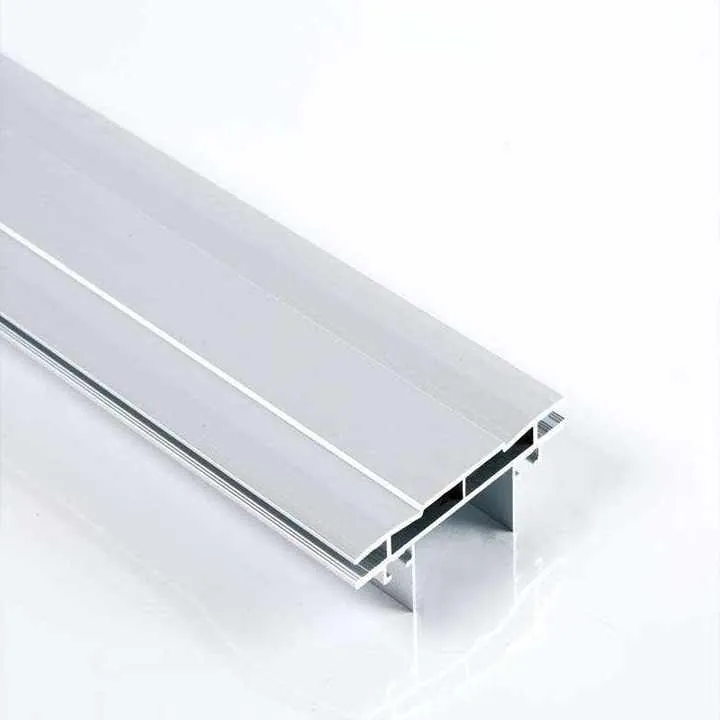
Как прикрепить дерево к алюминиевому профилю?
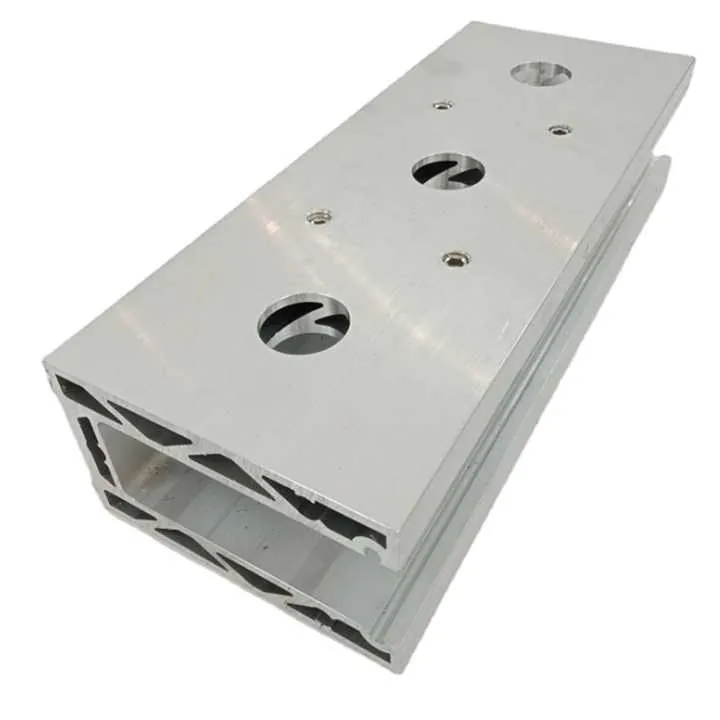
При соединении деревянных и алюминиевых профилей могут возникнуть трудности - смещение, ослабление крепежа, расщепление древесины. Давайте это исправим.
Эффективное крепление древесины к алюминиевому экструзиону подразумевает выбор правильного крепежа, использование подходящих кронштейнов, предотвращение повреждения древесины, а иногда и добавление клея для дополнительной прочности.
В следующих разделах я расскажу о четырех ключевых вопросах, чтобы вы могли выбрать лучший метод для своего проекта.
Какие крепежные элементы лучше всего соединяют древесину с экструзией?
Если использовать неправильный крепеж, соединение может разрушиться под действием нагрузки или вибрации.
Механический крепеж, такой как Т-образные гайки, болты в пазах экструзии и шурупы по дереву (с пилотными отверстиями), обеспечивает надежное соединение деревянных и алюминиевых профилей.

Когда я прикрепляю деревянные панели к алюминиевым экструзиям, я в первую очередь учитываю тип экструзии (например, Т-образный паз) и толщину древесины. Для алюминиевой стороны я часто использую вальцованную Т-образную или квадратную Т-образную гайку в паз, чтобы крепеж был закреплен в экструзии, а не только в алюминиевой стенке. В одном источнике отмечается, что использование стандартных кронштейнов для фиксации панелей с болтами и Т-образными гайками отлично подходит для монтажа панелей в экструзии.
На деревянной стороне я всегда сверлю пилотные отверстия. Без пилотных отверстий древесина может расколоться или шуруп может прокрутиться в полости. Длина шурупа должна обеспечивать достаточное заглубление в древесину и при этом не проникать в нежелательные поверхности. Например, если толщина древесины составляет 20 мм и она прилегает к экструзии, можно выбрать длину винта ~25 мм, чтобы он немного входил в древесину и выдерживал нагрузку. Диаметр должен соответствовать требованиям к сдвигу и выдергиванию.
Я также учитываю направление нагрузки. Если деревянная панель нагружена на сдвиг (скольжение) относительно экструзии, крепеж должен противостоять боковому движению. Если панель нагружается на растяжение (отрыв), то необходимо более глубокое заглубление и более прочный выбор крепежа. Иногда я использую болты, а не шурупы: сквозной болт в древесине, резьбовая Т-образная гайка в пазу экструзии, фиксация с помощью шайбы и гайки со стороны древесины. Это обеспечивает более прочное соединение.
Еще одно соображение: покрытие поверхности между деревом и алюминием. При расширении древесины (влажность) может возникнуть движение. Крепеж должен обеспечивать возможность подтяжки в случае ослабления. Использование шайб под головками винтов помогает распределить нагрузку и избежать повреждения древесины при сжатии.
Вот простая таблица с выбором крепежа:
| Тип крепежа | Пример использования | Плюсы | Cons |
|---|---|---|---|
| Винт в древесине + Т-образная гайка в экструзии | Умеренные нагрузки, фиксированные панели | Экономичный, простой | Меньшая прочность при растяжении, чем у болта |
| Сквозной болт с гайкой + Т-образная гайка | Большие нагрузки, частое обслуживание | Высокая прочность, возможность демонтажа | Требуется доступ с обеих сторон |
| Самонарезающий винт в алюминий + дерево | Тонкие слои древесины с наполнителем | Быстрая установка | Риск срыва алюминиевой резьбы |
Для долговременного выдерживания нагрузки достаточно использовать только шурупы в деревянной панели, не закрепляя их в пазах экструзии.Ложь
Поскольку анкерный паз экструзии (Т-образная гайка) обеспечивает прохождение нагрузки в алюминий, использование только шурупов по дереву может привести к ослаблению или вытягиванию под нагрузкой.
Т-образная гайка, закрепленная в пазу экструзии, в сочетании с правильно вкрученным в дерево шурупом обеспечивает более прочное соединение, чем просто клей.Правда
Механическое крепление обеспечивает надежное соединение и в меньшей степени зависит от прочности сцепления с поверхностью, которая со временем может разрушаться.
Зачем использовать скобы для соединения дерева с алюминием?
Кронштейны устраняют геометрические несоответствия и обеспечивают скрытые или прочные соединения - без них вам будет трудно выровнять дерево и экструзию.
Кронштейны позволяют надежно крепить деревянные панели к алюминиевым профилям, обеспечивая заданное положение, распределяя нагрузку и облегчая чистую сборку, особенно когда дерево и профили не совпадают идеально.
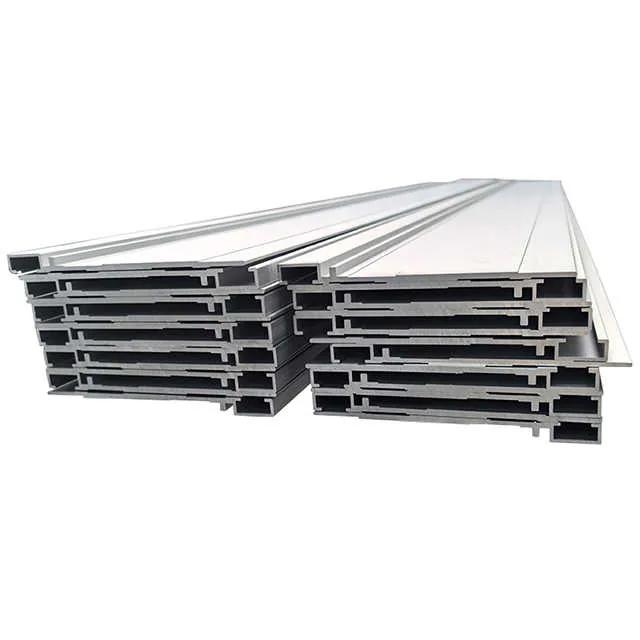
Во многих сборках деревянная панель или брус одной своей поверхностью прилегает к алюминиевой экструзионной раме. Экструзия может иметь Т-образный паз или использоваться в качестве канала для крепления других компонентов. Кронштейн выступает в качестве промежуточного компонента: одна ножка крепится к экструзии (с помощью Т-образной гайки или болта с пазом), а другая - к дереву. Такой подход к двойному креплению обеспечивает более контролируемое и жесткое соединение.
Один из практических сценариев: я построил каркас стеллажа, используя алюминиевые профили 20 мм × 20 мм и полки из 18-миллиметровой фанеры. Фанера располагалась на горизонтальном профиле, и я использовал прямоугольные стальные кронштейны: горизонтальная ножка крепилась болтами к Т-образному пазу, а вертикальная ножка ввинчивалась в нижнюю часть фанеры. Это предотвратило вращение или подъем фанеры при нагрузке.
К преимуществам кронштейнов относятся:
- Распределение нагрузкиВместо того, чтобы вся нагрузка на сдвиг приходилась на крепежные элементы в древесине, кронштейн распределяет нагрузку по площади пластины.
- Выравнивание и повторяемость: положение кронштейнов обеспечивает выравнивание панелей и соблюдение зазоров.
- Удобство обслуживанияЕсли вам нужно снять панель, открутите кронштейн, а не выкручивайте несколько винтов в дереве.
- Скрытая фиксация: кронштейны могут скрывать крепеж от посторонних глаз, придавая более чистый эстетический вид.
Вот мини-таблица сравнения бреккетов:
| Тип кронштейна | Лучшее для | Соображения |
|---|---|---|
| Прямоугольный металлический кронштейн | Полки, перпендикулярные соединения | Проверьте доступ и зазор между болтами |
| Кронштейн с плоской пластиной | Монтаж заподлицо с панелью | Требуется точное сверление в обеих частях |
| Угловой кронштейн с пазовым болтом | Модульные рамы и экструзии | Дополнительные затраты на оборудование, но высокая гибкость |
Кронштейны необходимы для любого соединения дерева с алюминиевым профилем, чтобы предотвратить разрушение.Ложь
Кронштейны очень полезны, но в некоторых случаях, не требующих больших нагрузок или эстетики, может быть достаточно шурупов по дереву и клея.
Использование кронштейнов улучшает выравнивание, распределение нагрузки и удобство обслуживания по сравнению с простым ввинчиванием дерева в алюминиевый профиль.Правда
Кронштейны обеспечивают эти преимущества, выступая в качестве структурных посредников и улучшая качество соединений.
Как предотвратить раскалывание древесины при креплении?
Если провести шуруп слишком близко к краю древесины или пропустить пробное сверление, древесина может треснуть и ослабить соединение.
Чтобы предотвратить раскалывание древесины, выберите правильный размер шурупов, просверлите соответствующие отверстия, избегайте кромок, следите за влажностью древесины и направлением ее зерен.

Когда я работаю с деревянными панелями (фанера, МДФ, твердые породы дерева), прикрепляя их к алюминиевым профилям, я обращаю особое внимание на то, как крепеж взаимодействует с древесиной. Расщепление древесины - распространенная неисправность: изначально соединение может казаться хорошим, но со временем вибрация или циклическая нагрузка могут привести к появлению трещин в отверстии для шурупа или на краю панели.
Вот основные тактики, которые я использую:
1. Пилотные отверстия и зазоры
Для ввинчивания шурупов в дерево я всегда сверлю пилотное отверстие. Диаметр пилотного отверстия зависит от диаметра резьбы шурупа и породы древесины: для мягких пород - 70-80% от диаметра корня; для твердых пород - равно диаметру корня.
2. Расстояние между краями
Винты, расположенные слишком близко к краю древесины, увеличивают риск раскалывания. Я придерживаюсь эмпирического правила: центр винта должен находиться на расстоянии не менее 2× диаметра винта от края панели.
3. Направление зерна и порода древесины
При работе с массивной древесиной направление винтов должно совпадать с направлением долевой нити, что помогает уменьшить расщепление. С фанерой или МДФ эта проблема менее актуальна, но при слишком большой нагрузке слои шпона могут расслаиваться.
4. Использование шайб и распределение нагрузки
Если головки шурупов упираются в древесину, нагрузка на них может привести к смятию или раскалыванию древесины. Чтобы распределить нагрузку, я использую шайбы или подштамповки.
5. Зенковка и предварительное сверление для деревянной вставки
Если я использую винты или болты большого диаметра, я иногда зенкую деревянную сторону, чтобы головка винта была заподлицо. Это также уменьшает местные напряжения.
6. Контроль влажности и движения
Древесина расширяется и сжимается. Если соединение жесткое, а дерево движется, крепеж может ослабнуть или расколоться. Я допускаю небольшие подвижки, используя винты, которые можно подтянуть.
| Профилактический шаг | Почему это помогает |
|---|---|
| Пилотное отверстие | Уменьшает напряжение при вставке винта |
| Расстояние между краями | Предотвращает расщепление и отслаивание шпона |
| Шайбы под головкой винта | Распределяет нагрузку, снижает локальный пик нагрузки |
| Правильная подготовка древесины (сухая) | Минимизирует движение древесины после закрепления |
| При необходимости зенковать | Заподлицо с поверхностью и меньшей нагрузкой |
Если пропустить пробное сверление, то при вкручивании больших шурупов вблизи края возможно раскалывание древесины.Правда
Пропуск пилотных отверстий увеличивает крутящий момент при вставке и повышает радиальные напряжения в древесине, что часто приводит к раскалыванию.
Выбор диаметра шурупа, равного толщине панели, всегда предотвращает расщепление.Ложь
Слишком большой шуруп по отношению к толщине или слишком близко к кромке может увеличить раскалывание; диаметр должен соответствовать породе древесины, толщине и расстоянию между кромками.
Могут ли клеи улучшить гибридную сборку?
Если полагаться только на механический крепеж, то слабыми местами остаются поверхности и зазоры. Клеи помогут разделить нагрузку и скрепить разнородные материалы.
Использование клеев в дополнение к механическим крепежным элементам позволяет повысить прочность соединения, распределить нагрузки на границе дерево-алюминий и уменьшить ослабление со временем.

В проектах, где требуется эстетика, виброустойчивость или герметичность соединений, я часто дополняю механическое крепление клеевым слоем между деревом и алюминиевым профилем или кронштейном.
Вот как я наношу клей в гибридных сборках:
- Очистите обе поверхности. Слегка отшлифуйте алюминий и вытрите насухо дерево.
- Нанесите клей в соответствии со спецификацией производителя. Зажмите с обеих сторон.
- Используйте крепеж в качестве механического резерва.
- Дайте клею полностью отвердеть перед окончательным затягиванием.
| Совместный метод | Преимущества | Компромиссы |
|---|---|---|
| Только крепеж | Простой, недорогой, съемный | Возможны концентрированные нагрузки, движение с течением времени |
| Только клей | Чистый внешний вид, распределенная нагрузка | Трудно разбирается, длительное время полимеризации |
| Гибрид (крепеж + клей) | Лучшее из двух миров | Более высокая стоимость, больше трудозатрат |
Одного клея достаточно для всех соединений древесины с алюминиевыми экструзиями.Ложь
Клей сам по себе может не обеспечить достаточной прочности для несущих конструкций или возможности последующего демонтажа; механические крепежи все равно обеспечивают основную нагрузку.
Сочетание клея с механическими крепежными элементами обеспечивает превосходные характеристики для многих соединений древесины с алюминиевыми экструзионными элементами.Правда
Клей распределяет и распределяет нагрузку, а крепежные элементы обеспечивают надежное механическое соединение и удобство обслуживания.
Заключение
В общем, когда я соединяю древесину с алюминиевым экструзией, я использую подходящие крепежи, применяю кронштейны для выравнивания и распределения нагрузки, предотвращаю раскалывание древесины с помощью хороших практических методов и часто добавляю клеи для улучшения характеристик. Сочетание этих подходов позволяет получить прочные и долговечные соединения, подходящие для высококачественного производства или сборки.