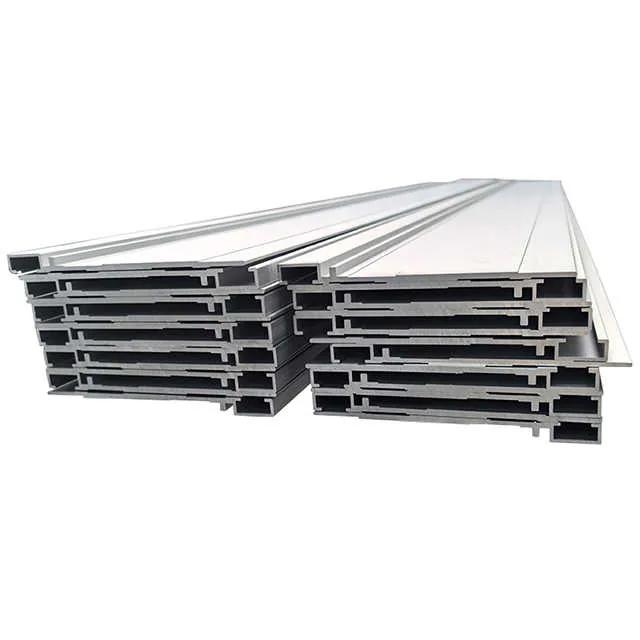
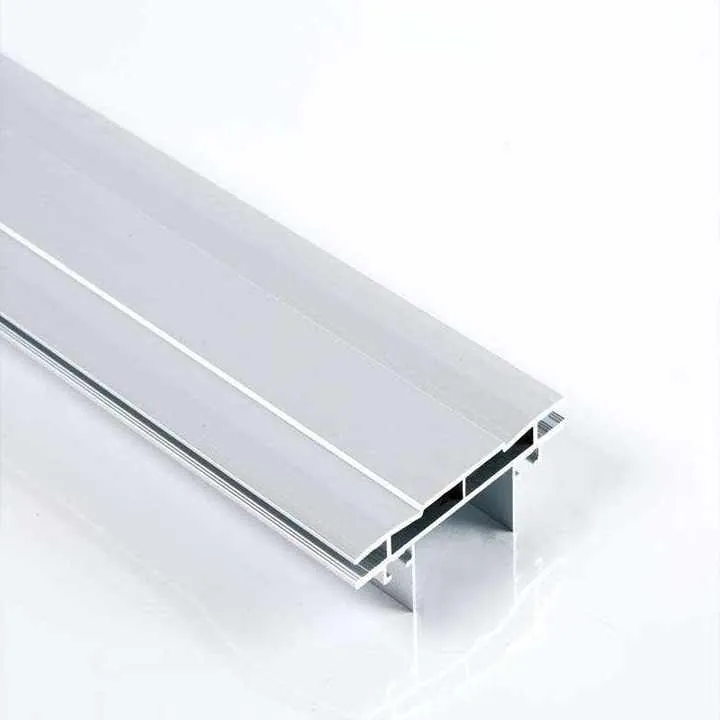
Список поставщиков сертифицированных ISO радиаторов?
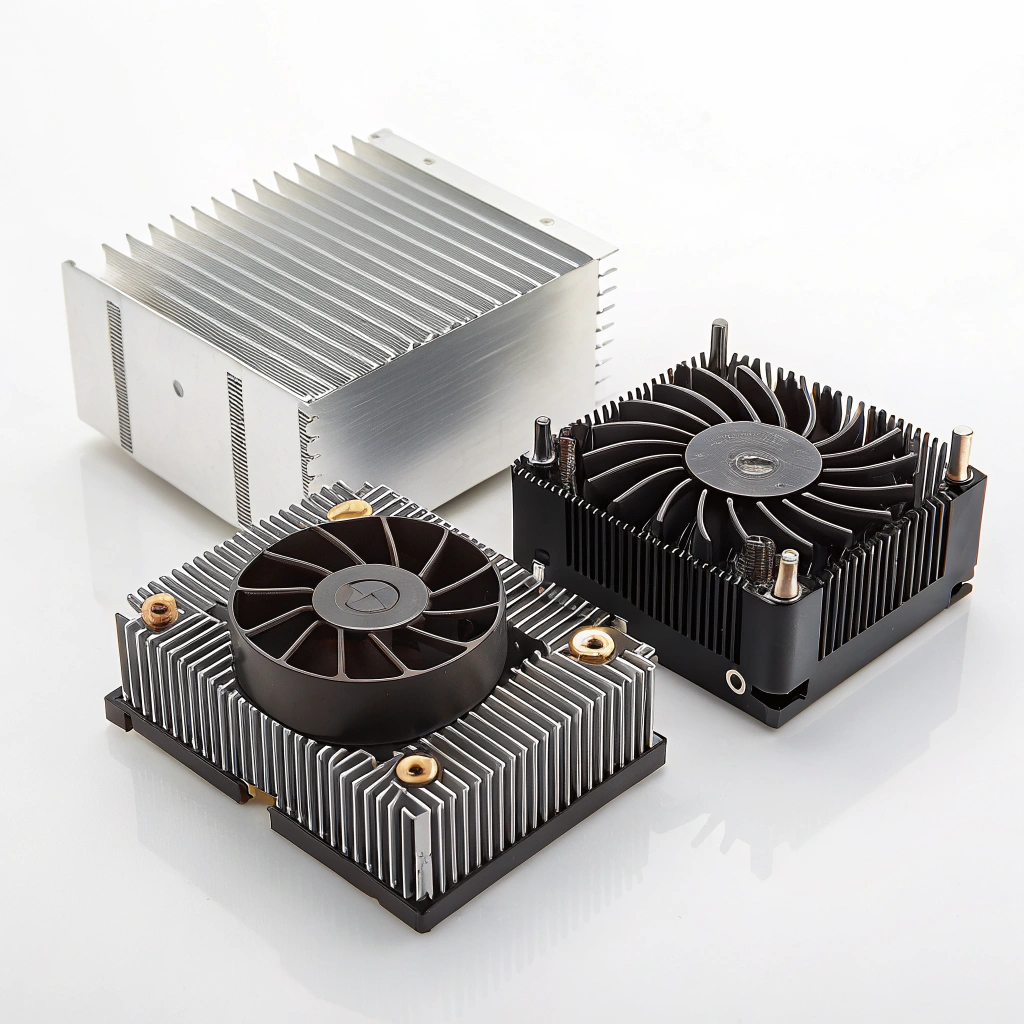
Несколько лет назад я работал над важным проектом и выбрал поставщика теплоотводов, не проверив его сертификацию ISO. У нас возникли проблемы с качеством поверхности, задержки с поставками и нулевая прослеживаемость процесса. Я на собственном опыте понял, почему сертификация имеет значение.
Работа с поставщиками радиаторов, сертифицированными по стандарту ISO, обеспечивает управление качеством, документированные процессы и стабильную продукцию, соответствующую мировым стандартам.
В этой статье я расскажу о том, какие поставщики имеют сертификаты ISO, как ISO повышает качество, какие документы подтверждают соответствие, и нужно ли проводить аудиты каждый год.
Какие поставщики имеют сертификаты ISO?
Когда я выбираю поставщиков алюминиевых радиаторов, одним из моих первых фильтров является сертификат ISO 9001. Если фабрика не может предоставить действительную документацию, я не буду рассматривать ее кандидатуру - независимо от того, насколько низка ее цена.
Несколько надежных поставщиков теплоотводов имеют сертификат ISO 9001, подтверждающий соответствие их системы управления качеством международным стандартам.

Вот четыре поставщика, которых я лично проверял или с которыми работал и которые имеют действующие сертификаты ISO:
1. Mecc.Al S.r.l. (Италия)
Они специализируются на производстве экструдированных и клееных радиаторов для промышленного применения. Сертификат ISO 9001:2015 находится в открытом доступе и охватывает весь спектр производства радиаторов.
2. Коламбия-Ставер Лтд. (ВЕЛИКОБРИТАНИЯ)
Этот британский поставщик не только имеет сертификат ISO 9001:2015, но и ISO 14001 по экологическому менеджменту. В сферу их деятельности входят термические сборки, механическая обработка и обработка алюминия.
3. PSI Industries Inc. (США)
Североамериканский поставщик теплоотводов на заказ с ЧПУ и возможностью экструзии. Сертификация ISO распространяется на экструзию, обработку с ЧПУ и последующую обработку тепловых компонентов.
4. Группа BAL (Великобритания)
Известна своими алюминиевыми решениями и системами теплоотводов. Сертификат ISO 9001 включает в себя производство радиаторов, отделку и сопутствующие процессы.
Почему это важно
Без сертификации нет никакой гарантии, что поставщик соблюдает стандартные операционные процедуры, проводит проверки или ведет надлежащие записи о качестве.
Я понял, что проверка соответствия требованиям ISO на ранней стадии позволяет избежать таких проблем, как несоответствие размеров, дефекты покрытия или отсутствие документации.
Как ISO повышает качество производства?
За годы руководства проектами по производству радиаторов я видел, как ISO меняет все - от проверки материалов до обработки несоответствий.
Системы ISO улучшают качество, обеспечивая структурированность процессов, стандартизируя процедуры проверки и требуя корректирующих действий при возникновении проблем.
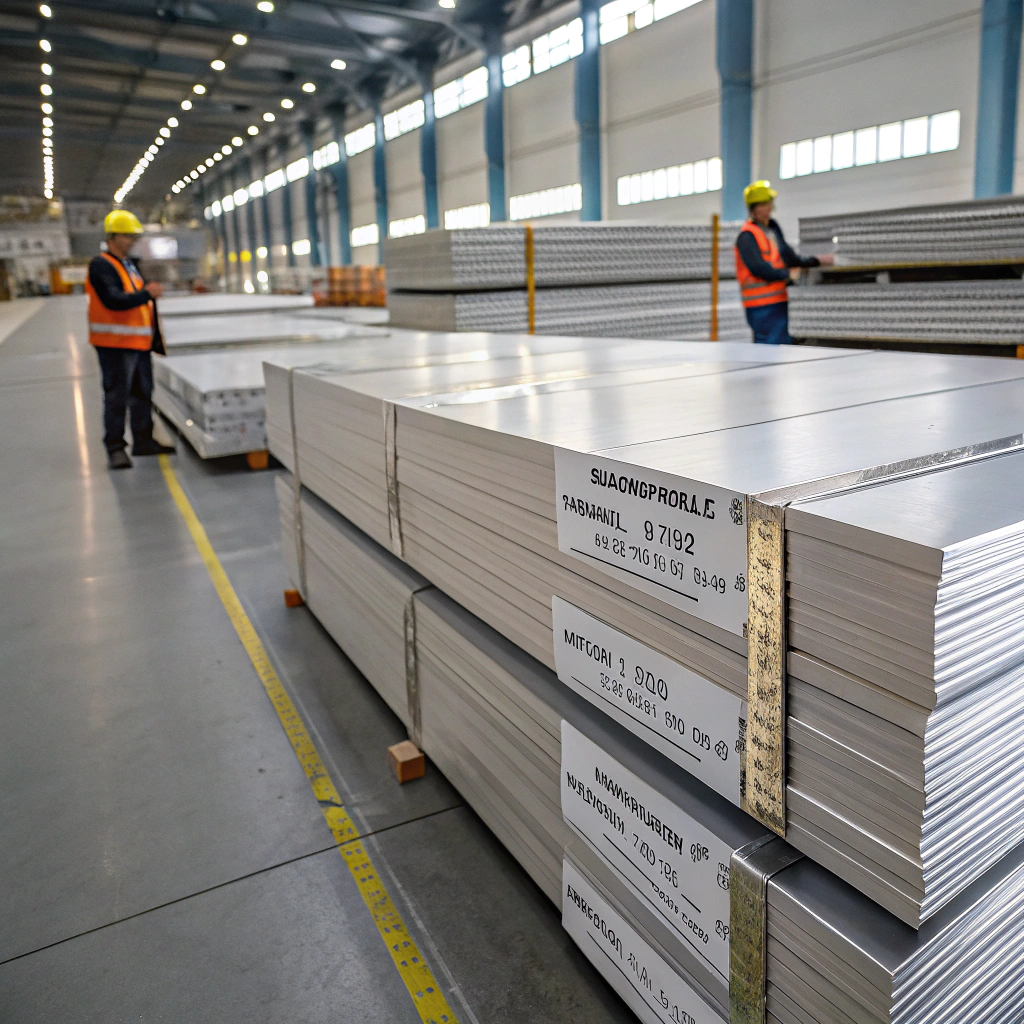
Вот что я испытал на себе:
1. Стандартизированные процессы
Поставщики с сертификатом ISO документируют каждый шаг - начиная с поиска алюминиевых заготовок, экструзии, обработки поверхности, обработки на станках с ЧПУ и заканчивая упаковкой.
Это означает меньше сюрпризов. Например, когда я заказываю анодированный радиатор, я знаю, что толщина покрытия и цветовая гамма будут соответствовать определенным спецификациям, а не угадываться.
2. Встроенные контрольные точки
Системы ISO включают проверки первых изделий, проверки в процессе производства и окончательную проверку. Каждая партия имеет записи измерений. Если возникает проблема, я могу быстро отследить ее до первопричины.
Без ISO я часто получаю расплывчатые ответы типа “может, оператор забыл”. Это неприемлемо в критически важных приложениях.
3. Согласованность между партиями
На заводах, сертифицированных по ISO, используется статистический контроль процессов и отслеживаются отклонения. Это означает, что вторая и десятая партии будут соответствовать первой. Это очень важно для крупных или повторяющихся заказов.
4. Прослеживаемость
Каждая партия материала и производственная партия имеют отслеживаемые коды. Я использовал это для проверки, когда алюминий поступал с другого завода и вызывал изменения в производительности. Без ISO такого отслеживания не существует.
Таблица: Преимущества качества, основанные на стандартах ISO
| Характеристика | Выгода для покупателя |
|---|---|
| Документированные СОПы | Меньше ошибок в производстве |
| Контрольные пункты осмотра | Раннее обнаружение проблем |
| Отслеживание несоответствий | Анализ первопричин и их устранение |
| Записи об обучении | Согласованность и повторяемость действий оператора |
| Журналы отслеживания | Подотчетность и видимость поставщиков |
Какие документы подтверждают соответствие ISO?
Каждый раз, когда я утверждаю нового поставщика радиаторов, я запрашиваю определенный список документов. Они позволяют мне проверить их статус ISO и подтвердить, насколько эффективно применяется система.
Ключевыми документами для проверки сертификации ISO являются сам сертификат, область его действия, орган, выдавший сертификат, резюме аудита и отдельные внутренние процедуры качества.

1. Сертификат ISO (PDF или скан)
В сертификате должно быть указано:
- Стандарт (например, ISO 9001:2015)
- Орган по сертификации (например, BSI или SGS)
- Номер сертификата и дата истечения срока действия
- Название и местоположение объекта
Если поставщик не может обеспечить это в течение дня, я предполагаю, что его система не поддерживается должным образом.
2. Сфера сертификации
Этот текст показывает, какие процессы охватываются. Я ищу понятные термины, такие как:
- “Производство алюминиевых радиаторов”
- “Обработка с ЧПУ и сборка термокомпонентов”
Если там говорится только о “металлических деталях”, я прошу уточнить, потому что сфера применения может быть слишком общей.
3. Краткий обзор последних аудиторских проверок
Хотя полные отчеты могут быть закрытыми, большинство сертифицированных фабрик могут поделиться одностраничным резюме, подтверждающим их достоверность:
- Последний аудит был завершен
- Серьезных несоответствий не обнаружено
- Сертификат находится в хорошем состоянии
Я убедился, что это отличный способ заметить красные флажки до того, как возникнет проблема.
4. Процедуры контроля качества образцов
Обычно я прошу:
- Процедура проверки поступающих материалов
- Контрольный перечень проверки готовой продукции
- Блок-схема обработки несоответствий
Эти документы показывают, применяет ли поставщик процессы ISO в реальной работе или только для видимости.
5. Аккредитация органа по сертификации
Орган по сертификации должен быть признан на международном уровне. Я предпочитаю сертификаты, выданные под аккредитацией таких агентств, как UKAS, ANAB или CNAS.
Таблица контрольного перечня документов
| Тип документа | Что я проверяю |
|---|---|
| Сертификат ISO | Срок действия, срок годности, номер сертификата |
| Описание области применения | Охватывает производство радиаторов |
| Резюме аудита | Недавно, без серьезных проблем |
| Процедуры качества | Приложение "Показать процесс |
| Данные сертифицирующего органа | Аккредитован и поддается проверке |
Если поставщик присылает мне все вышеперечисленное, я считаю его хорошо подготовленным. Если они колеблются или медлят, я перехожу к следующему варианту.
Требуется ли ежегодный аудит ISO?
Многие люди спрашивают, нужно ли каждый год проводить повторный аудит поставщиков. Вот что я вижу на практике.
Да, производители радиаторов, сертифицированные по ISO, проходят ежегодный надзорный аудит, а раз в три года они должны пройти полный ресертификационный аудит, чтобы их сертификат оставался действительным.

Ежегодные контрольные аудиты
Каждый год сертифицирующий орган проверяет, соответствует ли фабрика стандартам ISO. Основное внимание уделяется:
- Записи о контроле качества
- Обновление процессов
- Журналы регистрации несоответствий
- Результаты внутреннего аудита
Если завод пропустит год или не пройдет контроль, его сертификат может быть приостановлен.
Ресертификационные аудиты каждые 3 года
Это более детальный обзор - как будто начинаешь с нуля. Он проверяет:
- Является ли система ISO по-прежнему эффективной
- Насколько хорошо он интегрируется в производственный процесс
- Изменения в помещениях, персонале или руководстве
Я всегда прошу подтвердить прохождение ресертификации, особенно если заключаю долгосрочный контракт.
Что произойдет, если аудиты будут пропущены?
Однажды у меня был поставщик, чей сертификат был просрочен на 18 месяцев, но они все еще использовали логотип в документах. Мы отменили заказ и больше никогда с ними не работали.
ИСО - это не одноразовое одобрение. Это живая система, которую необходимо поддерживать.
Передовая практика
В свои договоры поставки я включаю пункт, обязывающий поставщиков:
- Ежегодно предоставлять действующие сертификаты ISO
- Уведомляйте меня о любых ошибках аудита
- Предоставление кратких отчетов о результатах аудита по запросу
Это дает мне уверенность в том, что они соблюдают требования и проявляют инициативу.
Компании, сертифицированные по ISO 9001, должны ежегодно проходить контрольный аудитПравда
Ежегодные аудиты необходимы для поддержания активного статуса сертификата и обеспечения постоянного соответствия требованиям.
После получения сертификата ISO 9001 больше никогда не требуется повторная сертификация или аудитЛожь
Стандарт ISO 9001 требует проведения постоянных контрольных аудитов и полной ресертификации каждые три года.
Заключение
По моему опыту, работа с поставщиками радиаторов, сертифицированных по ISO, - один из лучших способов снизить риск проекта. Сама по себе сертификация не делает поставщика идеальным, но она показывает, что он ценит последовательность, структуру и подотчетность. Я всегда прошу подтвердить сертификацию, убеждаюсь, что объем работ соответствует требованиям, и подтверждаю, что аудиты проводятся постоянно. Эти небольшие шаги дают мне душевное спокойствие, а мои клиенты ценят такую заботу.