


Aluminum extrusion traceability control process?

Quality issues sometimes appear weeks or months after shipment. When problems occur, buyers often ask a simple question: which batch produced this product? Without traceability, answering that question becomes difficult.
Aluminum extrusion traceability control links raw materials, production batches, processing records, and inspection data so every product can be traced back to its source and manufacturing conditions.
In global B2B supply chains, traceability protects both suppliers and buyers. It helps identify problems quickly, maintain quality records, and support compliance with industry standards. Understanding the traceability process helps companies manage risk and improve reliability.
How is traceability ensured in aluminum production?
When aluminum extrusions move through multiple production stages, information can easily become lost. Without structured tracking, it becomes difficult to connect the final product to its original material batch.
Traceability in aluminum extrusion production is ensured through batch identification, process records, labeling systems, and digital production tracking that connect raw materials, extrusion processes, and finished products.
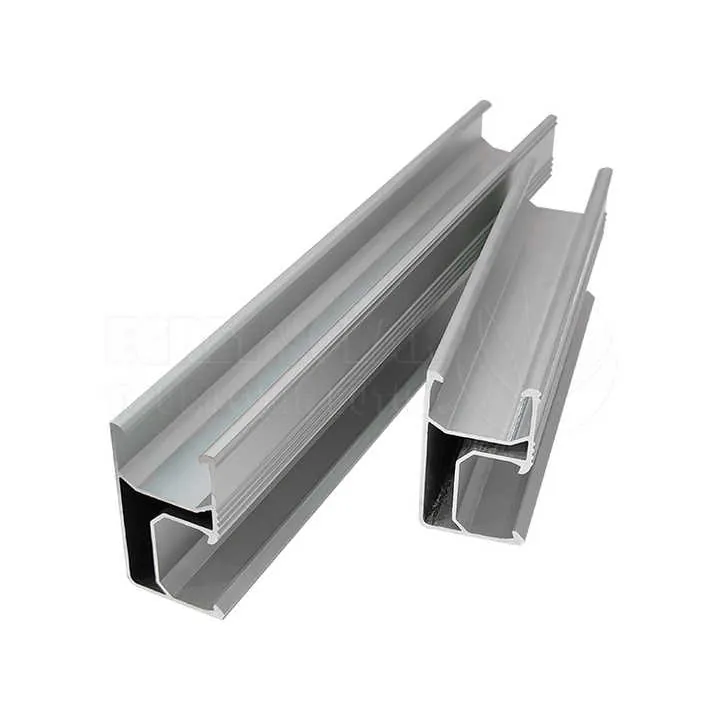
The Purpose of Traceability in Manufacturing
Traceability allows manufacturers to follow the history of each product.
This history includes:
- raw material source
- production machine
- processing conditions
- inspection results
If a quality problem appears, engineers can analyze these records and identify the root cause.
Traceability Begins With Raw Material
The traceability process usually starts with aluminum billets.
Each billet batch receives a unique identification number. This number links the billet to supplier documents such as the mill test report.
During production, this batch number follows the material through every step.
Tracking Through Production Stages
Extrusion production involves several stages.
Each stage must record important data.
| Стадия производства | Traceability Record |
|---|---|
| Billet reception | Supplier batch number |
| Extrusion press | Machine number and parameters |
| Термическая обработка | Furnace ID and temperature |
| Обработка поверхности | Coating process data |
| Упаковка | Final batch labeling |
By recording this information, manufacturers maintain a complete production history.
Batch Identification Systems
Batch identification helps workers recognize products during production.
Common identification methods include:
- printed labels
- barcode stickers
- batch tags
- digital tracking systems
These identifiers stay attached to bundles or pallets until delivery.
Role of Production Management Systems
Modern factories often use production management software.
These systems automatically record:
- machine data
- process timing
- production quantities
Digital records improve traceability accuracy and reduce manual errors.
Traceability Protects Both Buyer and Supplier
When traceability systems work properly, companies can isolate issues quickly.
Instead of recalling an entire shipment, manufacturers can identify the exact batch involved.
This reduces cost and protects customer relationships.
Traceability systems connect raw materials, production records, and finished products through batch identification.Правда
Traceability links each stage of manufacturing so products can be traced back to their source.
Traceability is unnecessary once aluminum products pass final inspection.Ложь
Traceability remains important after inspection because future quality issues may require investigation.
What data must be recorded for full traceability?
Traceability works only when enough information is recorded. Incomplete data makes it difficult to identify production conditions or locate problem batches.
Full aluminum extrusion traceability requires recording material batch numbers, production parameters, equipment identifiers, inspection results, and packaging records.
Core Traceability Data Categories
Manufacturing traceability data typically falls into several categories.
К ним относятся:
- raw material information
- production parameters
- inspection records
- packaging data
Each category supports the overall traceability system.
Raw Material Information
Raw material data forms the foundation of traceability.
Important records include:
- billet supplier name
- alloy type
- billet batch number
- химический состав
This information connects the extrusion product to the original aluminum source.
Production Process Data
Extrusion parameters influence product quality.
Manufacturers often record key production data.
| Production Data | Назначение |
|---|---|
| Extrusion press number | Identify machine used |
| Температура экструзии | Control material flow |
| Скорость экструзии | Maintain dimensional stability |
| Die identification | Track tooling used |
These parameters help engineers analyze production performance.
Heat Treatment Records
Heat treatment affects mechanical strength.
Traceability records often include:
- furnace identification
- temperature profile
- holding time
- cooling method
These details ensure the aluminum reaches the correct temper condition.
Inspection and Quality Data
Quality inspection results must also be recorded.
Typical inspection data includes:
- dimensional measurements
- surface quality results
- coating thickness
- mechanical test values
These records confirm that each batch meets specification.
Packaging and Shipment Records
Traceability continues through packaging.
Packaging records may include:
- bundle numbers
- pallet identification
- shipment date
- container number
These records connect the production batch to shipping documents.
Why Detailed Records Matter
When quality issues occur, engineers need accurate data to analyze the cause.
Without detailed records, investigations rely on guesswork.
Complete traceability data provides clear evidence for problem solving.
Recording production parameters helps manufacturers analyze quality issues and identify production conditions.Правда
Process data allows engineers to trace the cause of defects or inconsistencies.
Traceability only requires recording the final shipment date.Ложь
Traceability requires detailed records from raw material to finished product shipment.
Can QR codes improve extrusion batch tracking?
Traditional labeling systems rely on printed batch numbers. While effective, they often require manual searching through records.
Modern factories increasingly use QR codes to improve traceability.
QR codes improve extrusion batch tracking by linking physical product labels to digital databases containing production records, inspection results, and material information.
What Are QR Codes in Manufacturing?
A QR code is a two-dimensional barcode that stores digital information.
Workers can scan the code using a smartphone or scanning device.
The scan instantly retrieves information from a database.
Benefits of QR Code Tracking
QR code systems improve traceability efficiency.
Key advantages include:
- faster data retrieval
- reduced manual record searching
- improved labeling accuracy
- easier information sharing
These benefits make traceability systems more reliable.
Example of QR Code Traceability
A QR code label attached to a bundle may contain a link to production data.
When scanned, it can show:
| Information Displayed | Example Data |
|---|---|
| Production batch number | EX20260301 |
| Тип сплава | 6063-T5 |
| Extrusion press | Press #12 |
| Inspection result | Passed |
This instant access improves transparency.
Integration With Digital Systems
QR codes often connect with digital systems such as:
- ERP systems
- manufacturing execution systems
- warehouse management systems
These systems automatically store and update production data.
QR Codes Reduce Human Error
Manual record keeping may lead to mistakes.
Labels can be misread or written incorrectly.
QR scanning reduces these risks because the information is stored digitally.
Supporting Customer Transparency
Some manufacturers allow buyers to scan QR codes.
This allows customers to verify:
- production batch
- inspection results
- material specifications
Such transparency improves trust in supplier relationships.
QR codes allow quick access to digital production records linked to aluminum extrusion batches.Правда
Scanning QR codes retrieves stored traceability data instantly.
QR codes replace the need for production documentation.Ложь
QR codes provide access to records but do not replace the documentation itself.
Are traceability systems mandatory in exports?
Some buyers believe traceability is always legally required in international trade. In reality, the requirements vary depending on industry and customer standards.
Traceability systems are not always legally mandatory for aluminum extrusion exports, but many industries and large buyers require them as part of quality management and supply chain control.

Regulatory Requirements
In most countries, aluminum extrusion exports do not require a specific traceability law.
However, traceability may be required indirectly through:
- quality management standards
- industry regulations
- buyer contracts
Industries With Strict Traceability Requirements
Certain industries require strong traceability systems.
| Промышленность | Traceability Requirement |
|---|---|
| Аэрокосмическая промышленность | Mandatory |
| Автомобили | Strict supplier traceability |
| Электроника | Material compliance tracking |
| Строительство | Moderate requirements |
Higher safety industries require stronger documentation.
Buyer Contract Requirements
Many B2B buyers include traceability requirements in supply contracts.
These contracts may require:
- batch labeling
- production record retention
- quality documentation access
Suppliers must follow these requirements to maintain approval.
Role of Quality Management Standards
Quality standards such as ISO systems encourage traceability practices.
These systems emphasize:
- documentation control
- production monitoring
- batch tracking
Although not always legally mandatory, they are widely expected in professional manufacturing.
Benefits Beyond Compliance
Even when traceability is not required, many companies still implement it.
Traceability helps:
- improve quality management
- reduce recall costs
- strengthen customer confidence
These benefits make traceability valuable for long-term operations.
Traceability as a Competitive Advantage
Suppliers who maintain strong traceability systems often stand out in international markets.
Buyers prefer suppliers who can provide clear production history and transparent documentation.
This capability improves credibility and supports long-term cooperation.
Traceability systems are often required by buyers or industry standards even when not legally mandated.Правда
Many industries and customers include traceability requirements in quality management systems.
Traceability systems are never required in aluminum extrusion exports.Ложь
Many industries and buyer contracts require traceability documentation even if laws do not mandate it.
Заключение
Traceability control connects every stage of aluminum extrusion production, from raw materials to final shipment. By recording key data, using digital tracking systems, and maintaining organized documentation, manufacturers can improve quality control, respond quickly to problems, and build stronger trust with global customers.


