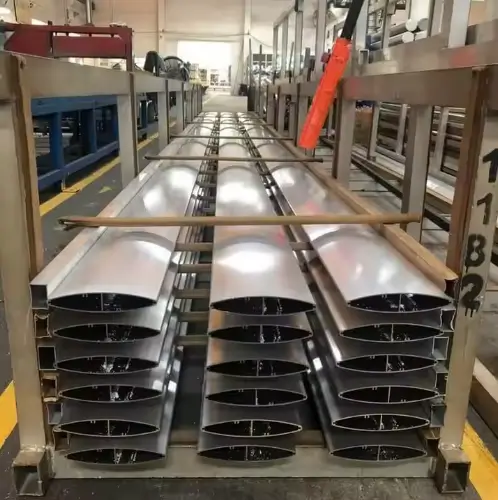
Правила проектирования минимального радиуса алюминиевой экструзии?
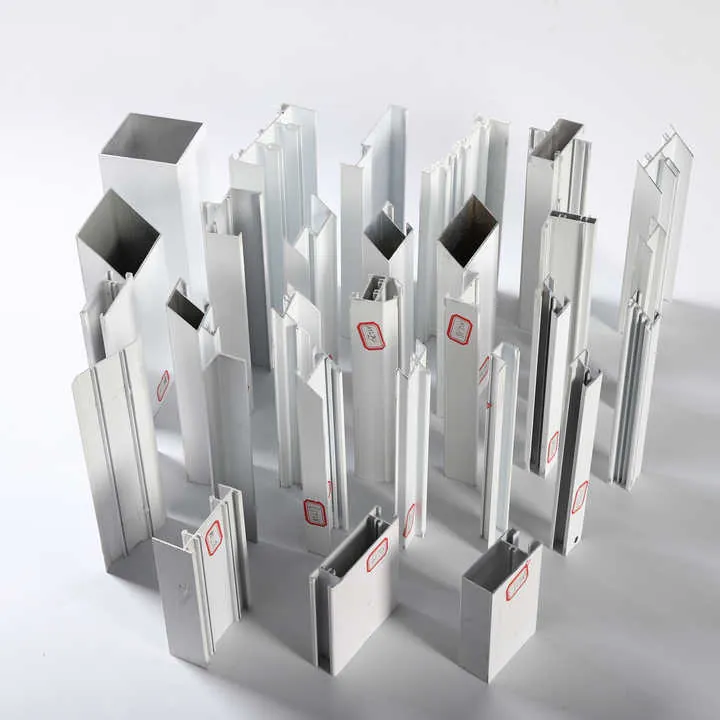
Алюминиевые профили часто выходят из строя на поздних стадиях производства, потому что радиусы углов были угаданы, а не рассчитаны. Этот риск стоит времени, инструментов и доверия.
Минимальный радиус при экструзии алюминия зависит от сплава, толщины стенок и расхода профиля, и он должен быть достаточно большим, чтобы обеспечить движение металла без разрывов и нарастания напряжения.
Многие покупатели думают, что правила радиуса - это простые цифры. Это не так. Радиус - это системный результат. Он зависит от расхода металла, прочности штампа и конечного использования. Эта статья объясняет правила простыми словами, основываясь на том, что мы видим в цехах каждый день.
Каков минимальный радиус изгиба для экструдированного алюминия?
Короткие радиусы выглядят аккуратно на чертежах, но они являются основной причиной растрескивания плашек и выхода из строя профилей.
Для большинства экструдированных алюминиевых профилей радиус внутреннего угла должен быть как минимум в 0,5-1,5 раза больше толщины стенки, в зависимости от сплава и формы профиля.

Когда дизайнеры спрашивают о минимальном радиусе изгиба, они часто смешивают правила гибки с правилами экструзии. Экструзия - это не гибка листа. Алюминий продавливается через фильеру в виде мягкой массы. Он течет. Углы направляют этот поток. Если угол слишком острый, металл заполняется неравномерно.
Как работает радиус при экструзии
Внутри матрицы алюминий перемещается из контейнера в узкие каналы. На углах скорость потока меняется. Острый угол замедляет движение металла по внутренней кромке. Внешний край движется быстрее. Это создает напряжение и тепловые перепады.
Если радиус слишком мал, произойдут три вещи:
- Уголок заполняется не полностью
- Появляются поверхностные линии
- Под действием напряжения образуются микротрещины
Сначала эти дефекты могут не проявляться. Они появляются позже во время анодирования, обработки или сборки.
Общие рекомендации по минимальному радиусу
Исходя из производственных данных, это безопасные отправные точки:
| Толщина стенки (мм) | Рекомендуемый внутренний радиус (мм) |
|---|---|
| 1.0 - 1.5 | 0.8 - 1.2 |
| 1.6 - 2.5 | 1.2 - 2.5 |
| 2.6 - 4.0 | 2.0 - 4.0 |
| > 4.0 | >= толщина стенки |
Это не строгие ограничения. Это рабочие правила, обеспечивающие баланс между сроком службы штампа, качеством поверхности и стоимостью.
Внутренний и внешний радиус
Внутренний радиус имеет большее значение, чем внешний. Внешние углы могут выглядеть острыми даже при большом внутреннем радиусе. Это ключевой дизайнерский прием.
Мы часто предлагаем оставить внутренний радиус большим, а затем использовать небольшую внешнюю фаску или пост-обработку, если требуется острый вид.
Реальное влияние на производство
Когда радиус слишком мал:
- Время полировки матрицы увеличивается
- Скорость экструзии снижается
- Уровень лома повышается
- Срок поставки продлевается
В реальных проектах увеличение радиуса всего на 0,5 мм часто снижает количество дефектов более чем в два раза.
Минимальный радиус внутреннего угла в алюминиевой экструзии обычно зависит от толщины стенки, а не от общего размера профиля.Правда
Напряжение течения металла концентрируется на тонких стенках, поэтому толщина стенки контролирует, насколько малым может быть радиус без дефектов.
Внутренний угол с нулевым радиусом можно смело выдавливать, если сплав достаточно мягкий.Ложь
Углы с нулевым радиусом препятствуют течению металла и почти всегда вызывают трещины, складки или разрушение штампа независимо от мягкости сплава.
Как толщина стенки и сплав влияют на предельный радиус?
Дизайнеры часто фокусируются на форме, но толщина и сплав определяют возможные варианты.
Более толстые стенки обеспечивают больший разброс напряжений и меньший относительный радиус, в то время как более твердые сплавы требуют большего радиуса, чтобы избежать растрескивания и дисбаланса потока.
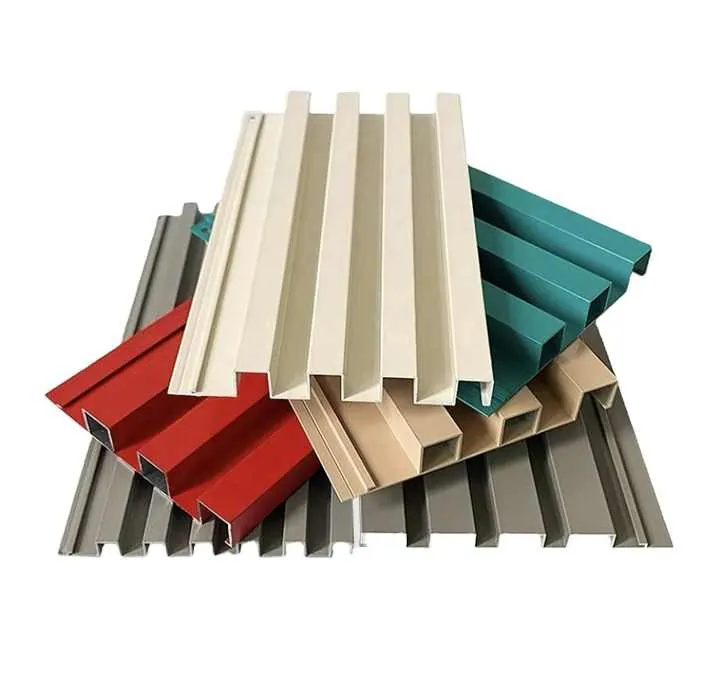
Толщина стенки и сплав работают вместе. По отдельности судить о них нельзя.
Влияние толщины стенки
Тонкие стенки быстрее остывают и сопротивляются потоку. На углах это сопротивление сильнее. Малый радиус на тонкой стенке создает дроссельную заслонку.
Основные наблюдения за производством:
- Тонкие стенки требуют большего соотношения радиусов
- Толстые стенки выдерживают более жесткие изгибы
- Неравномерная толщина повышает риск
Равномерная толщина стенок помогает больше, чем любое другое изменение конструкции.
Различия сплавов на практике
Не весь алюминий ведет себя одинаково. Вот простое сравнение:
| Сплав | Способность к потоку | Радиусная чувствительность | Типичное использование |
|---|---|---|---|
| 6063 | Высокий | Низкий | Архитектура |
| 6061 | Средний | Средний | Структурные |
| 6005A | Средний | Средний | Транспорт |
| 7075 | Низкий | Очень высокий | Аэрокосмическая промышленность |
6063 плавно перетекает. Он легко заполняет углы. 6061 прочнее, но жестче. Ему нужны более широкие радиусы.
Почему более твердые сплавы требуют больших радиусов
Твердые сплавы сопротивляются деформации. Во время экструзии им требуется большее давление для перемещения. На острых углах давление резко возрастает. Это приводит к:
- Трещины под напряжением в штампе
- Разрыв поверхности
- Короткий срок службы матрицы
При переходе с 6063 на 6061 мы часто советуем увеличить радиус на 30-50%, даже если форма остается прежней.
Толщина и сплав в сочетании
Тонкая стенка в твердом сплаве - наихудший вариант. Многие неудачи происходят из-за такого сочетания.
Хороший дизайн следует этому порядку:
- Выберите сплав для функциональности
- Установите минимальную толщину стенки
- Определите последний радиус угла
Пропуск этого порядка приводит к зацикливанию перепроектирования.
Переход с алюминия 6063 на 6061 обычно требует увеличения радиусов углов для сохранения качества экструзии.Правда
6061 обладает меньшей способностью к обтеканию, поэтому большие радиусы уменьшают напряжение и улучшают обтекание металла.
Толщина стенки мало влияет на минимальный радиус угла при снижении скорости экструзии.Ложь
Снижение скорости не может полностью компенсировать блокировку потока, вызванную тонкими стенками и острыми углами.
Могут ли острые углы нарушить целостность профиля?
Острые углы выглядят сильно, но часто скрывают слабость.
Да, острые внутренние углы создают точки концентрации напряжений, которые снижают усталостную долговечность и повышают риск образования трещин под нагрузкой и при изменении температуры.
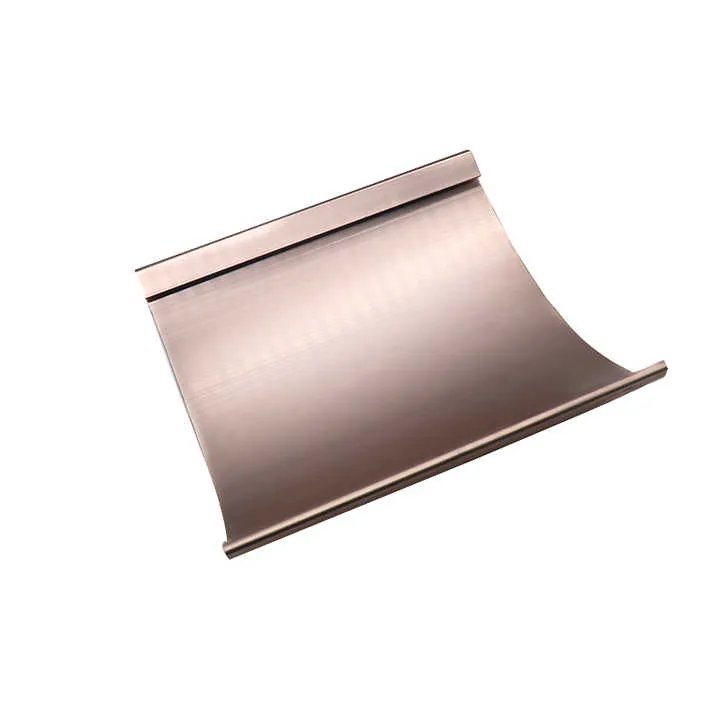
Целостность профиля - это не только прочность на бумаге. Речь идет о том, как профиль ведет себя после экструзии, обработки и использования.
Концентрация напряжений объясняется просто
Напряжение проходит через материал, как вода через трубу. Острые углы действуют как внезапные изгибы. На углу возникает давление.
Это приводит к:
- Местный урожай
- Зарождение микротрещин
- Раннее усталостное разрушение
При малом радиусе напряжение распространяется на большую площадь.
Воздействие при вторичной обработке
Многие профили появились позже:
- CNC обработанный
- Бурение
- Сварные
- Анодированный
Острые углы усиливают проблемы на всех этих этапах.
Во время анодирования острые углы притягивают ток большей плотности. Это приводит к изменению цвета и появлению следов от ожогов.
Во время сварки тепло собирается на углах. Это повышает риск деформации.
Примеры отказов на местах
В несущих рамах трещины часто появляются на острых внутренних углах, а не на плоских участках. Даже если расчеты проходят успешно, реальная эксплуатация выявляет слабые места.
Радиус как характеристика прочности
Добавление радиуса не ослабляет дизайн. Зачастую он усиливает его.
Преимущества включают:
- Лучшая усталостная прочность
- Более стабильная обработка поверхности
- Более длительный срок службы
Дизайнеры иногда опасаются, что радиус уменьшит посадку или пространство. В большинстве случаев изменения незначительны, а выигрыш велик.
Острота зрения против здоровья структуры
Профиль может выглядеть острым, не будучи острым внутри. В этом и заключается основная идея.
Внутренний радиус защищает целостность. Внешний дизайн контролирует внешний вид.
Острые внутренние углы увеличивают концентрацию напряжений и снижают усталостную долговечность экструдированных алюминиевых профилей.Правда
Напряжение концентрируется при резких изменениях геометрии, что ускоряет зарождение трещин при циклической нагрузке.
Внешние острые углы более опасны, чем внутренние, для прочности профиля.Ложь
Внутренние углы несут большую нагрузку на конструкцию и более критичны к целостности, чем внешние края.
Существуют ли стандарты проектирования радиусов углов?
Многие дизайнеры ищут единый стандартный номер. Такого номера не существует.
Универсального стандарта минимального радиуса не существует, но отраслевые рекомендации ассоциаций экструзии и производителей обеспечивают безопасные диапазоны проектирования.
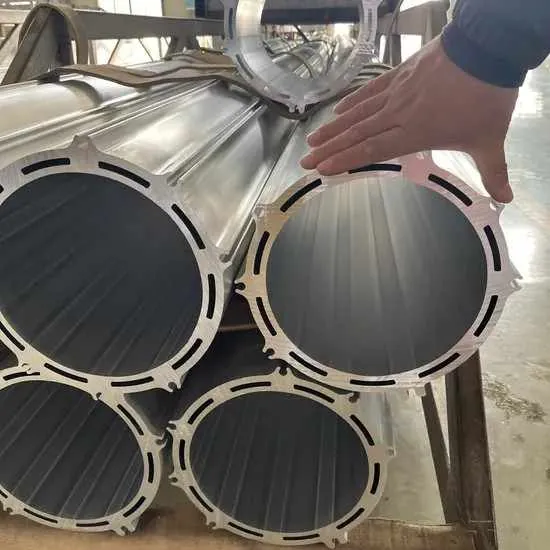
Стандарты дают направление, а не гарантии.
Общие справочные источники
Дизайнеры часто консультируют:
- Руководства по проектированию алюминиевой экструзии
- Руководства по возможностям поставщиков
- Данные испытаний для конкретного проекта
Эти документы согласовывают принципы, а не точные значения.
Типичные ориентировочные диапазоны
Большинство путеводителей предлагают:
- Внутренний радиус >= 0,5 x толщина стенки для мягких сплавов
- Внутренний радиус >= 1,0 x толщина стенки для конструкционных сплавов
- Большие радиусы для полых и тонких профилей
Эти диапазоны защищают как продукт, так и оснастку.
Почему стандарты остаются гибкими
Условия экструзии могут быть разными:
- Размер печати
- Дизайн штампа
- Метод охлаждения
- Скорость производства
Радиус, который работает на одном прессе, может не сработать на другом. Вот почему опыт имеет значение.
Как мы применяем стандарты в реальных проектах
Мы начинаем с рекомендаций. Затем мы моделируем поток. Затем корректируем в зависимости от риска.
Для крупносерийных проектов мы всегда выбираем консервативные радиусы. Для прототипов мы можем проверить предельные значения.
Лучшие практики для покупателей и дизайнеров
Самый безопасный подход прост:
- Заранее делитесь информацией о нагрузке и условиях использования
- Принять обратную связь по радиусу от экструдера
- Фиксация радиуса перед высечкой
Поздние изменения радиуса обходятся дороже всего.
Не существует единого мирового стандарта, определяющего минимальный радиус угла для всех алюминиевых экструзий.Правда
Результаты экструзии зависят от сплава, толщины стенок, конструкции матрицы и возможностей пресса.
Следование опубликованным рекомендациям по радиусу всегда гарантирует бездефектную экструзию.Ложь
Руководства снижают риск, но не могут заменить оценку и тестирование конкретного проекта.
Заключение
Расчет минимального радиуса - это не гадание. Это баланс сплава, толщины стенки и расхода. Соблюдение этих правил обеспечивает прочность, качество поверхности и сроки поставки.