
RoHS compliant heat sink materials check?

I once received a batch of heat sinks that looked perfect—until I discovered they failed RoHS testing due to a coating additive. It delayed our shipment and forced costly retesting.
To ensure your heat sink materials meet RoHS regulations, you need to check alloy content, coatings, and full product compliance—with valid documentation.
In this guide, I’ll explain which materials are RoHS compliant, how suppliers prove it, the risks of using non-compliant alloys, and whether RoHS certificates are mandatory for export.
Which materials meet RoHS requirements?
If your heat sink contains restricted metals or improper coatings, it may violate RoHS laws even if it performs well. That’s why I verify every material stage—from base alloy to surface finish.
RoHS-compliant heat sinks are made from alloys like 6063-T5 or 6061-T6, with certified low levels of lead, cadmium, mercury, and no banned flame retardants or coatings.
Safe base materials
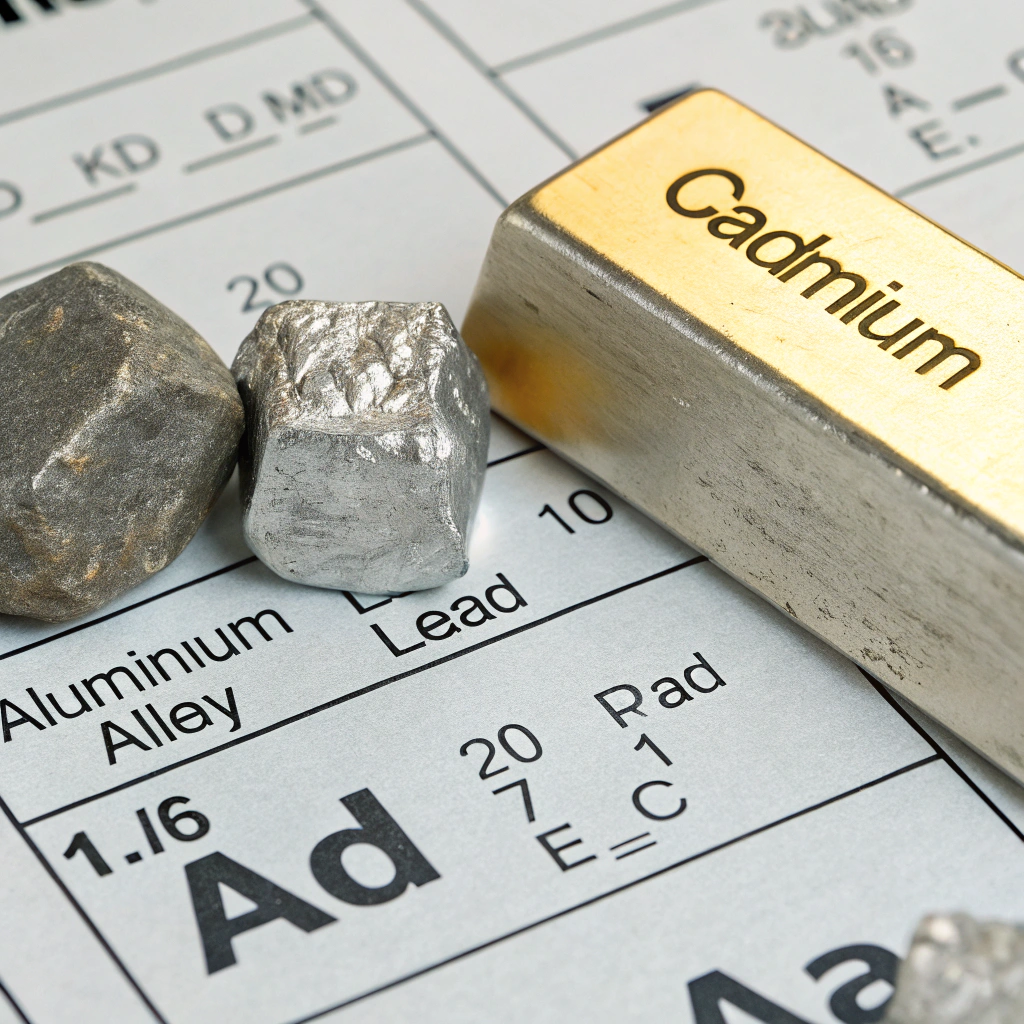
Most aluminium extrusions are safe if they’re made from 6000-series alloys. I always ask for mill certificates to confirm no restricted substances exceed the following:
- Lead (Pb): <0.1%
- Mercury (Hg): <0.1%
- Cadmium (Cd): <0.01%
- Hexavalent chromium (Cr⁶⁺): <0.1%
Surface coatings
Finishes like anodizing are generally safe, but paints, powder coatings, and platings must be carefully checked. Avoid:
- Chromium-based passivation
- Lead-based pigments
- Brominated flame retardants
I once had to reject a black powder-coated part because the pigment exceeded allowed phthalates.
Additive risks
Sometimes, lubricants, dyes, or release agents used in manufacturing sneak in restricted chemicals. I always ask suppliers to declare all chemical substances used—even temporary ones.
Summary table
| Material Area | What to Verify | RoHS-Safe Example |
|---|---|---|
| Aluminium Alloy | Lead, cadmium, mercury levels | 6063-T5 with test certificate |
| Coating or Finish | No hexavalent chromium or lead pigments | Black anodizing or clear coating |
| Additives | Dyes, lubricants, flame retardants | Certified RoHS-safe processes |
Aluminium alloys like 6063-T5 can be RoHS compliant if tested for hazardous substancesTrue
6063-T5 is widely used in compliant products, as long as lead, mercury and cadmium levels are below regulated thresholds.
You only need to check RoHS compliance for the metal, not for surface coatings or paintsFalse
Coatings may introduce banned substances like Cr⁶⁺ or lead-based pigments; they must also be verified.
How do suppliers verify RoHS compliance?
When I work with new suppliers, I don’t just take their word for it. I ask for real documents and testing to confirm compliance.
Reliable suppliers verify RoHS compliance through third-party testing, internal quality control, and issuing declarations of conformity.
Testing methods
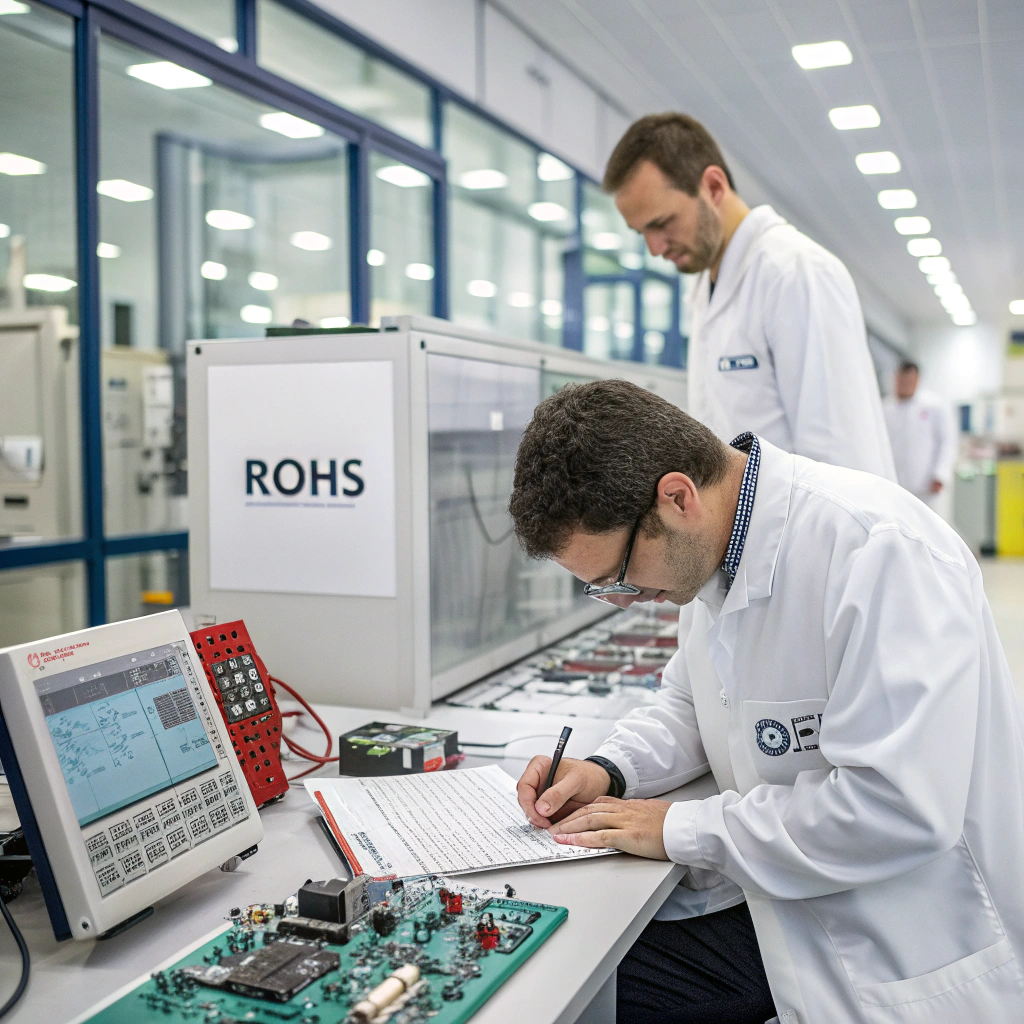
Most RoHS testing uses XRF (X-ray fluorescence) or ICP-MS (Inductively Coupled Plasma Mass Spectrometry). These methods detect restricted elements in trace amounts.
Good suppliers either have in-house testing equipment or work with certified labs. I ask for:
- Test reports with results for each restricted substance
- The test method and lab accreditation
- Sample ID or batch number linked to my order
Documentation I request
I include the following items in my supplier checklist:
- Full RoHS Declaration of Conformity (with signature and date)
- Lab test results for alloy and coatings
- Material traceability: which lot or heat the alloy came from
- Change control: if they change coating, they must retest
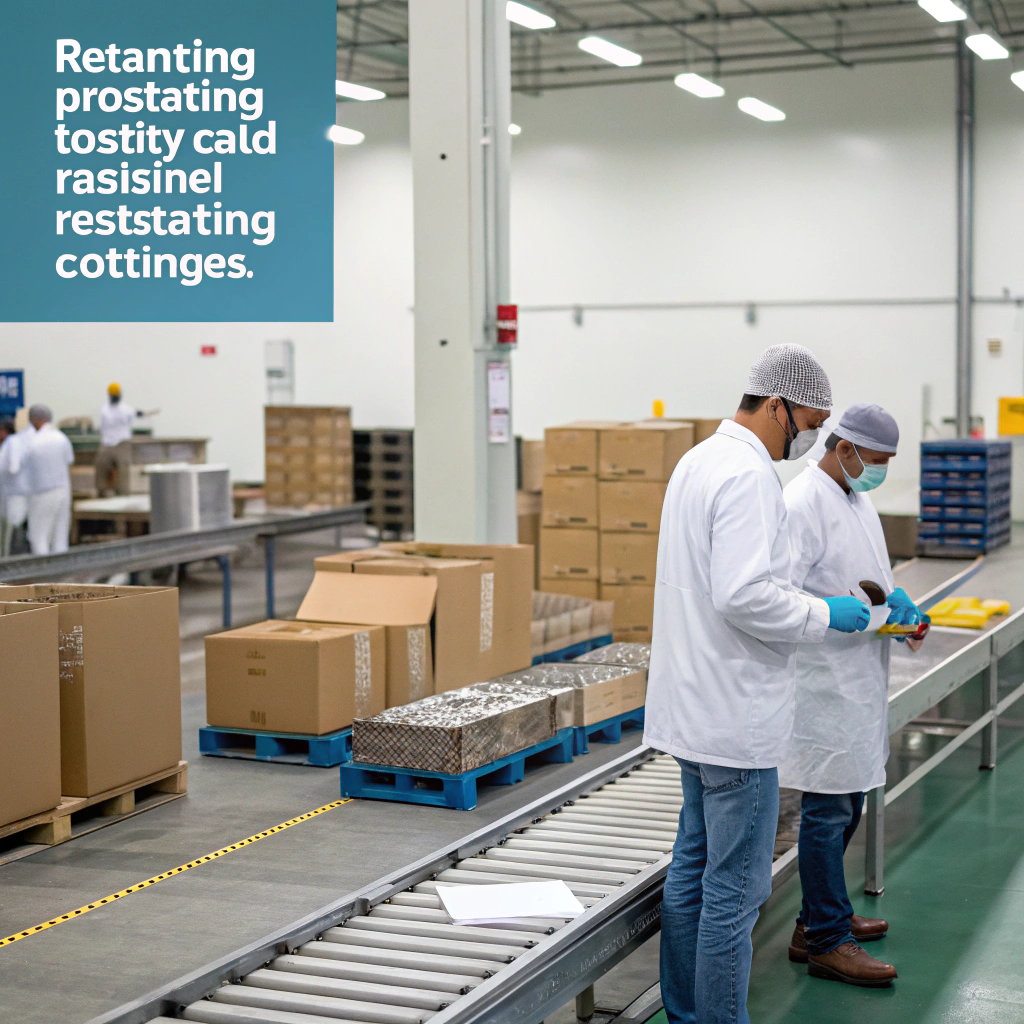
My verification process
- Check if RoHS is mentioned on the supplier’s datasheet
- Request valid RoHS documentation with each shipment
- Cross-reference alloy lot number with certificate
- For large contracts, I send random parts for third-party verification
Sample supplier process table
| Supplier Task | My Verification Step |
|---|---|
| Conduct material testing | Review full lab report and certification |
| Issue RoHS certificate | Confirm document matches order details |
| Track material sources | Match batch codes to certificates |
| Notify about changes | Ensure re-testing before changes ship |
Suppliers verify RoHS compliance using certified lab tests and material traceabilityTrue
Testing with XRF or ICP is standard; traceability and certification are required to prove compliance.
A supplier's verbal confirmation is enough to ensure RoHS complianceFalse
Verbal claims are not accepted under regulations; documentation and testing are mandatory.
What risks arise from non-compliant alloys?
Even if your heat sink performs flawlessly, non-compliance with RoHS puts your product—and your brand—at serious risk.
Non-compliant heat sinks can cause shipment delays, legal penalties, customer rejections, or bans from regulated markets like the EU.

Legal risks
- Non-compliant products cannot be CE marked or sold in Europe
- You may face fines, product recalls, or brand damage
- In some cases, customs may detain shipments for testing
I once had an EU distributor reject an entire batch because the coating did not have a valid test certificate. It cost us 6 weeks of delays.
Supply chain problems
- If the coating supplier changes materials and doesn’t retest, you could ship banned substances without knowing
- Customers may add your company to a “blacklist” of non-compliant vendors
- OEMs may demand compensation for rework or field failures
Technical concerns
Some banned substances also impact performance. For example:
- Lead-based coatings may soften or degrade over time
- Chromium passivation may corrode or discolor faster
- Cheap alloy substitutes may have inconsistent thermal conductivity
Risk summary
| Risk Type | Potential Impact |
|---|---|
| Regulatory | Shipment blocked, legal fines, sales bans |
| Commercial | Lost contracts, recalls, customer distrust |
| Operational | Production delays, scrap, requalification costs |
| Technical | Poor coating durability, thermal inconsistency |
Using non-compliant heat sink materials can lead to blocked shipments and rejected ordersTrue
Markets like the EU require full RoHS compliance; violations result in holds, fines, or bans.
Non-compliant materials are allowed as long as they pass thermal testingFalse
Thermal performance does not exempt products from RoHS laws; chemical content must meet legal limits.
Are RoHS certificates required for export?
This is one of the most common questions I hear: “Do I really need a RoHS certificate?” My answer is always yes—especially if you’re shipping to Europe, the UK, or Japan.
RoHS certificates are essential for exporting heat sinks into regulated markets, proving that your product meets legal substance restrictions.
When certificates are required
- Exporting to the EU: Mandatory under Directive 2011/65/EU
- Selling to OEMs: Most ask for full declarations from suppliers
- Marketing as “RoHS compliant”: You must have proof
Even if your customer doesn’t ask, regulators might.
What the certificate must include
- Reference to the current RoHS directive (e.g., EU 2011/65/EU)
- List of restricted substances with threshold values
- Statement confirming compliance
- Signed by an authorized person with date and supplier info
My best practices
- Always include RoHS as a line item in your purchase order
- Keep certificates and lab reports archived by batch
- Perform spot checks if the coating or alloy source changes
- Ask for new documents every 12 months or when materials change
Table: RoHS certificate essentials
| Document Element | What to Check |
|---|---|
| Directive Reference | Correct and updated directive listed |
| Substances Covered | All 10 restricted items listed |
| Thresholds Stated | Limit values clearly defined |
| Authorized Signature | Person and company issuing the document |
RoHS certificates are required when exporting heat sinks to the EU or selling to RoHS-regulated marketsTrue
RoHS documentation is needed to meet export regulations and customer demands in regulated countries.
If your product passes performance tests, RoHS documentation is not necessaryFalse
Regulations focus on chemical content, not just performance; documentation is still required.
Conclusion
In my experience, RoHS compliance for heat sinks is not optional—it’s a core requirement for international trade and brand trust. You need to check materials, verify finishes, request real test data, and keep clean documentation for every batch. Don’t assume compliance—prove it. That’s how you protect your shipments, your business, and your customers.