PVDF Coating On Aluminum Panel For Curtain Wall Cladding?
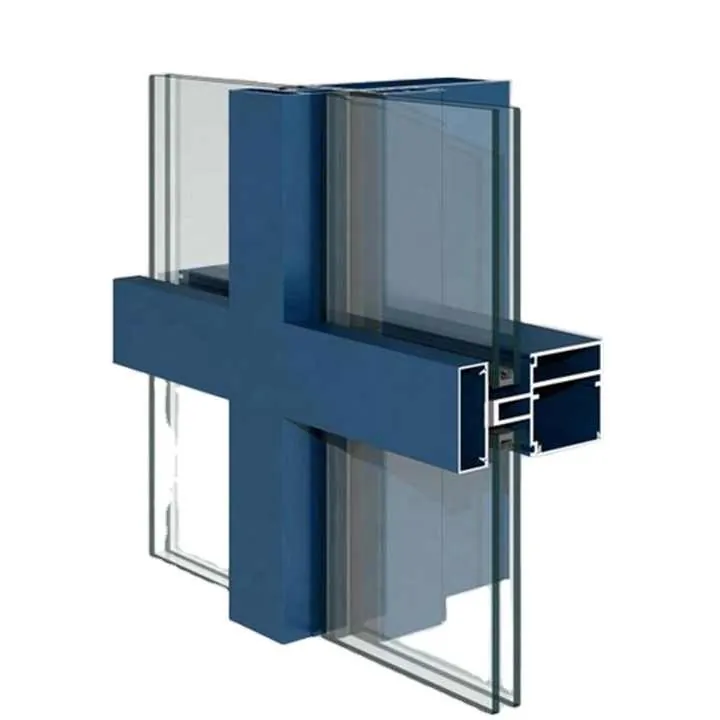
I once walked through a downtown office tower and noticed how bright the fa?ade stayed after a decade. The secret was PVDF-coated aluminum panels.
PVDF coatings offer durability, vivid colors, and easy maintenance for curtain wall panels in any weather.
Let’s explore PVDF benefits, recommended thickness, UV/weather resistance, and how to care for coated panels.
What benefits does PVDF coating offer for curtain walls?

PVDF, or polyvinylidene fluoride, is a high-performance coating used widely in architectural aluminum because it combines color brilliance with weather resistance.
It offers superior UV stability, excellent color retention, chemical resistance, and low maintenance, making it ideal for architectural cladding.
Key Benefits of PVDF
| Feature | Benefit for Curtain Walls |
|---|---|
| UV Resistance | Maintains color for 20+ years with minimal fade |
| Color & Gloss Stability | Keeps vibrant finishes and sheen in bright sun |
| Chemical & Stain Resistance | Resists pollution, acid rain, bird droppings, and fingerprints |
| Flexible Application | Coats flat and curved panels with uniform finish |
| Scratch and Abrasion Resistance | Handles construction and cleaning without damage |
| Environmentally Safe | Contains low VOC, RoHS and LEED friendly |
| Aesthetic Design Range | Available in thousands of colors and matte/gloss levels |
PVDF-coated panels remain bright and smooth even after rainstorms and city grime. I once saw dull coated panels restored to shine with just mild soap.
How thick should PVDF coatings be on exterior panels?
Coating thickness matters for performance and warranty. PVDF must be thick enough to protect but not so thick it chips or fails.
Standard PVDF systems apply about 25–35 microns of top coat, plus 5–15 microns of primer, for a total thickness of 30–50?μm.
Typical Coating Thickness Layers
| Layer | Recommended Thickness (μm) | Purpose |
|---|---|---|
| Primer | 5–15 | Promotes paint adhesion |
| PVDF Topcoat | 25–35 | Provides final color and weather barrier |
| Total | 30–50 | Ensures protection and longevity |
- Topcoat thickness lower than 25?μm may crack over time.
- Too thick (>50?μm) can lead to poor adhesion or cracking under stress.
Leading panel manufacturers recommend total film build around 40?μm to safely combine durability and flexibility without issues.
Can PVDF-coated panels resist UV and weathering?

Yes, resisting sun and weather is a top PVDF strength. That’s why it’s preferred on cladding and fa?ade systems.
PVDF coatings exhibit outstanding UV resistance, often with warranty guarantees of 20–30 years, and resist harsh weather conditions.
Performance in Sun and Weather
- UV Testing: PVDF shows ΔE color shift <5 after 10+ years in Florida or Arizona.
- Chalking Resistance: Rating 8–10 on ASTM D4214 scale, meaning minimal chalking.
- Humidity/Fog: No blistering in ASTM D2247–based cyclic testing.
- Acid and Alkali Resistance: Resists 5% salt or acid in outdoor exposure.
Real-Life Weather Exposure
I talked to a facility manager whose building used PVDF panels since 2005. After 18 years, the panels remained bright and smooth, with just a faint change in gloss.
How to maintain PVDF aluminum curtain wall panels?

PVDF panels need less cleaning than other finishes, but good care keeps them bright and functional for decades.
Regularly wash the surface with mild detergent and water, inspect periodically, avoid harsh tools or chemicals, and repair damage quickly.
Maintenance Guide
-
Routine Cleaning
- Use low-pressure water and mild detergent every 6–12 months based on pollution.
- Rinse well and dry with a soft cloth.
-
Avoid Harsh Cleaners
- Don’t use solvent-based coatings, strong acids/alkalis, abrasive pads, sandblasters.
-
Address Stains Promptly
- Remove bird droppings, moss, and graffiti within days using a soft cloth and mild soap.
-
Inspect Seams and Fasteners
- Check seals and fix gaps or rusted screws quickly.
-
Handle Repairs with Care
- For scratches under 0.5?mm, use matching touch-up coatings.
- For deeper damage, order replacement panels from the same production batch to match color and sheen.
-
Track Coating Warranty
- PVDF systems often come with 20-year warranties on color retention. Keep purchase records.
Maintenance Frequency Recommendations
| Environment | Cleaning Interval | Inspection Interval |
|---|---|---|
| Urban/Industrial | 3–6 months | 6 months |
| Suburban/Residential | 6–12 months | Annually |
| Coastal | 3 months | 6 months |
Don’t use power washers above 3000?psi—stick to soft nylon brushes instead.
Conclusion
PVDF coatings give curtain wall panels long-lasting color retention, excellent protection from UV, chemicals, and abrasion, and low maintenance. A total coating thickness of 30–50 μm is ideal. Cared for properly with regular cleaning and checks, PVDF-clad fa-ades can look great for decades.
True/False Questions
PVDF-coated aluminum panels require less frequent cleaning compared to other coatingsTrue
PVDF's smooth surface resists dirt and pollution, so it only needs cleaning every 6–12 months in most areas.
A PVDF topcoat thicker than 60 μm is always better for curtain wallsFalse
Exceeding 50 μm can cause adhesion issues or cracking under thermal expansion, so 30–50?μm total is recommended.