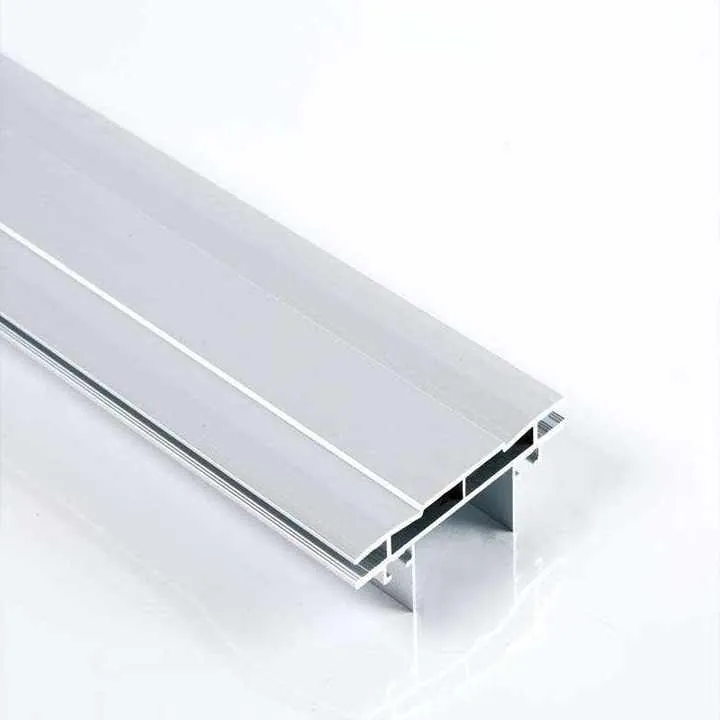
Profile Factory Offers You the Best Slatwall Panel Inserts?

Many store owners lose sales because their slatwall displays bend, wear, or look outdated. Weak inserts can make a store look cheap and unorganized.
Profile Factory slatwall panel inserts offer strength, style, and easy installation, helping stores display products safely and attractively for years.
When I first replaced my old slatwall inserts with ones from Profile Factory, I noticed customers stayed longer in the store. They found products easier to reach, and the displays looked much better. Here is why they stand out.
What makes slatwall panel inserts from Profile Factory superior?
Retailers often struggle with inserts that break under weight or fade over time.
Profile Factory inserts use durable materials, precise manufacturing, and strong finishes to ensure long life, even with heavy use.

Profile Factory designs inserts with strength and style in mind. They use high-grade aluminum or PVC, which resists bending and cracking. The manufacturing process keeps dimensions exact, so hooks and shelves fit snugly. The surface finishes resist scratches and fading, keeping displays looking new.
Key Strengths
- High Load Capacity – Holds heavy merchandise without bending.
- Durable Finish – Resists wear and scratches.
- Exact Fit – Works perfectly with standard slatwall panels.
| Advantage | Why It Matters |
|---|---|
| Strength | Prevents sagging or damage |
| Aesthetics | Keeps displays looking fresh |
| Easy Fit | Reduces setup time |
Profile Factory inserts are designed to hold heavy merchandise without bending.True
They use strong materials like aluminum and high-grade PVC.
Profile Factory inserts are made only for decorative purposes and cannot support weight.False
They are functional and designed to support retail merchandise.
How to measure for slatwall panel insert installation?
Poor measurements can lead to inserts that don’t fit, causing wasted time and money.
To measure, check panel slot width, depth, and spacing, then confirm with the insert’s specifications before purchase.

I always measure the slot width first using a caliper for accuracy. Then I measure the depth to ensure the insert fits flush without sticking out. Finally, I check the spacing between slots so the inserts align with all panel grooves.
Measurement Steps
- Slot Width – Measure the horizontal opening between slot edges.
- Slot Depth – Measure from the slot opening to the back panel.
- Slot Spacing – Measure from the top edge of one slot to the next.
| Measurement | Tool |
|---|---|
| Width | Caliper or ruler |
| Depth | Depth gauge |
| Spacing | Measuring tape |
Getting accurate measurements avoids costly rework and ensures a clean, professional look once the inserts are in place.
Measuring slot width, depth, and spacing is important before installing slatwall inserts.True
Accurate measurements ensure the inserts fit correctly and securely.
Slot spacing is not important when fitting inserts into a slatwall panel.False
Incorrect spacing can cause misalignment and poor appearance.
What materials are best for slatwall inserts?
Some materials look nice but fail under weight, while others last for years.
The best materials are aluminum for high strength and PVC for cost-effective, lightweight applications.
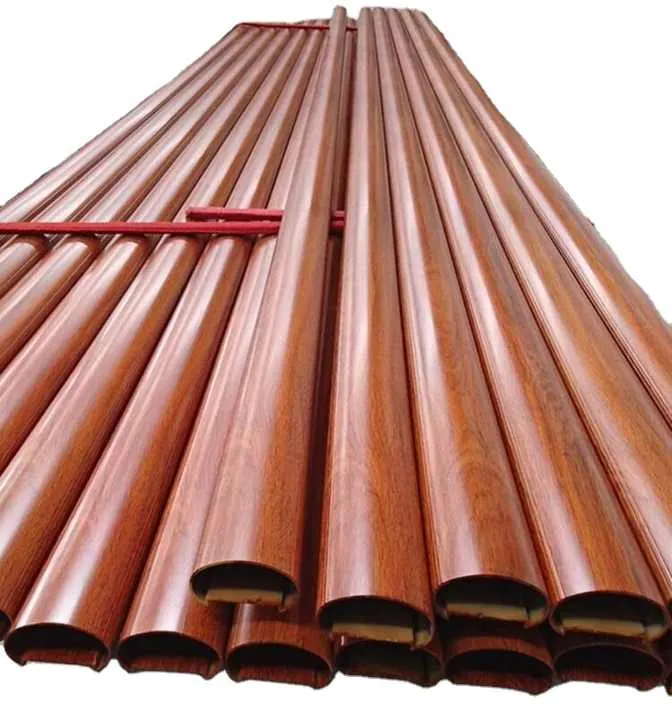
Aluminum inserts are ideal for stores with heavy merchandise, like tools or electronics. They resist bending, provide a clean metallic look, and last for decades. PVC inserts are lighter and more affordable, making them great for seasonal displays or lightweight products.
Material Comparison
| Material | Pros | Cons |
|---|---|---|
| Aluminum | Strong, long-lasting, sleek look | Higher cost |
| PVC | Affordable, lightweight, easy to install | Less strength |
When choosing, I match the material to the store’s needs. A clothing store might use PVC for light racks, while a hardware store needs aluminum for heavy-duty shelving.
Aluminum is a strong, durable choice for slatwall inserts.True
It supports heavy loads and resists wear.
PVC inserts are always stronger than aluminum ones.False
PVC is lighter and less strong than aluminum.
How to customize slatwall inserts for different retail displays?
Using the same plain insert for every product can limit your store’s look and functionality.
Customizing involves choosing colors, finishes, and shapes to match brand style and display needs.
I like to work with the manufacturer to choose colors that match the store’s brand. Powder-coated aluminum inserts can come in bright colors, while PVC can be printed with patterns or textures. Inserts can also be shaped with different edge profiles to give a unique appearance.
Customization Options
- Color Matching – Align with store theme.
- Surface Finish – Gloss, matte, woodgrain, or metallic.
- Shape Adjustments – Rounded edges, beveled corners.
These options let stores create a display system that both works well and reinforces brand identity.
Custom colors and finishes can help slatwall inserts match a store's brand.True
They make the displays part of the overall design.
Slatwall inserts cannot be made in different shapes or finishes.False
Manufacturers can customize both shape and surface treatment.
Conclusion
Profile Factory slatwall inserts combine durability, style, and customization. By choosing the right material, measuring correctly, and using brand-matched designs, stores can create displays that last and attract customers.