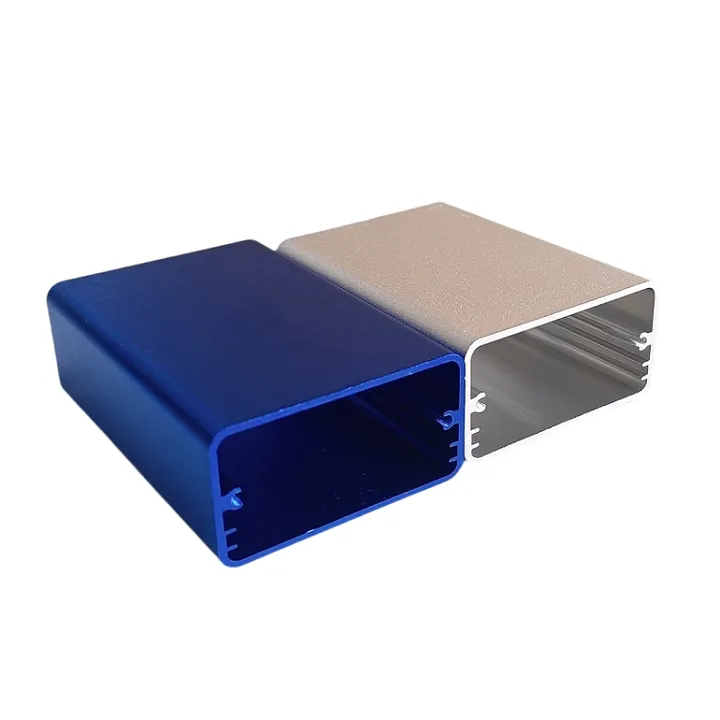
Products Details
| Product Name | Anodized Aluminum Electronic Equipment Enclosure |
| Aluminum Alloy | 1000 series, 200 series, 3000 series, 5000 series, 6000 series, 7000 series |
| Temper | T3-T8 |
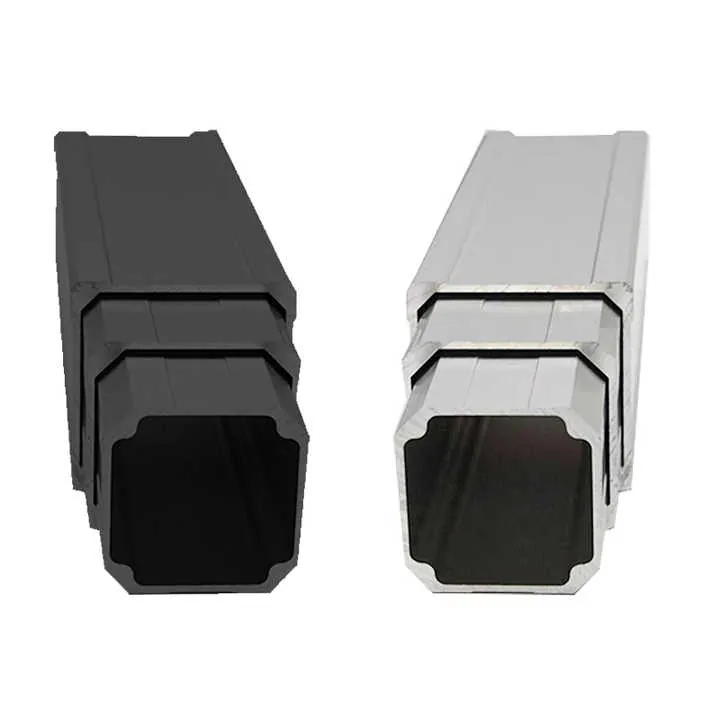
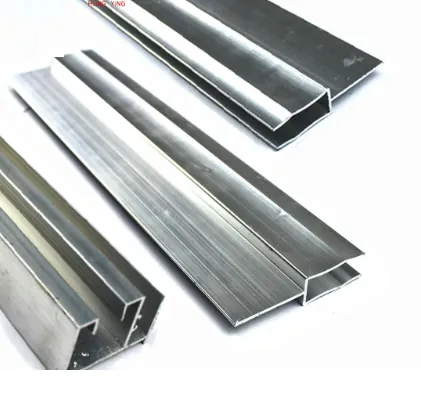
| Shape | Enclosure, shell, housing |
| Application | Electronic, automotive, aerospace, medical, and telecommunication industries, among others. |
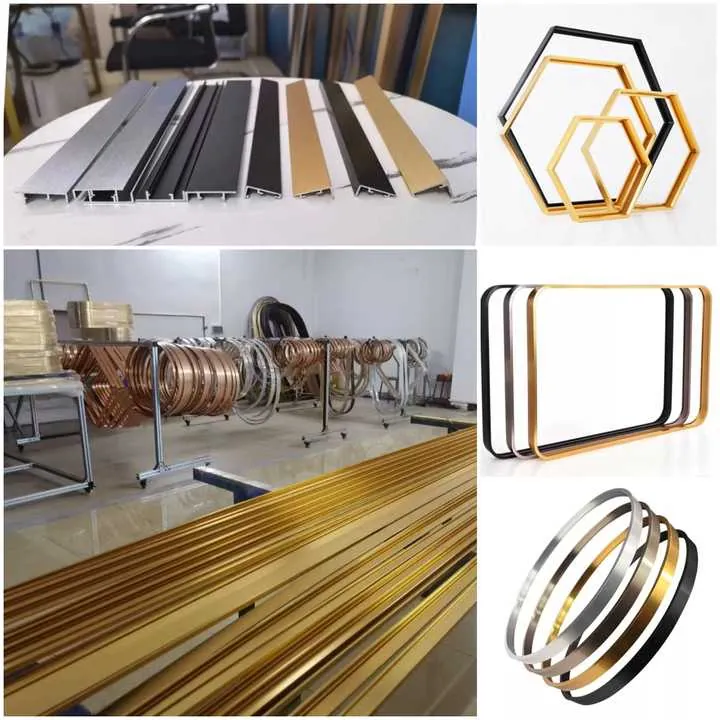
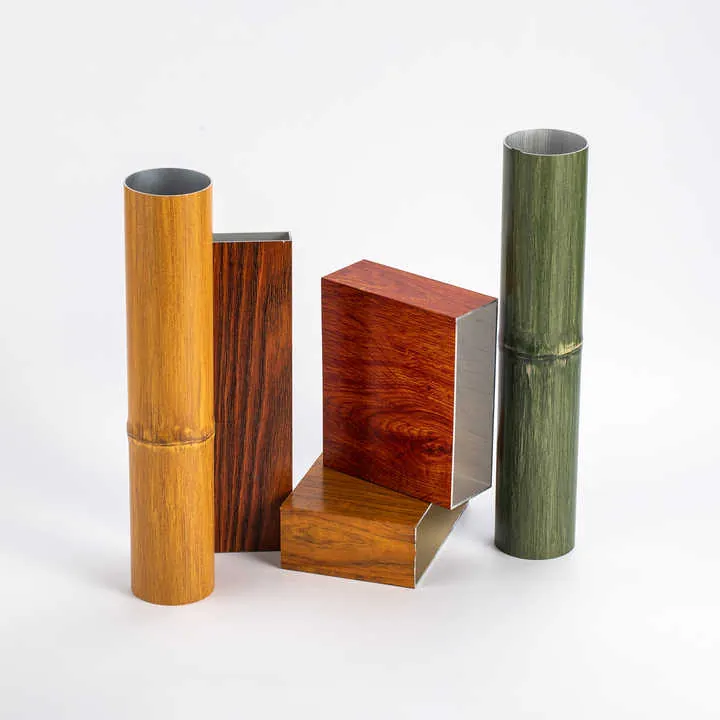
| Surface Treatment | mill finished, anodized, wood grain, power coating, sand blasting, electrophoresis, brushed, polishing, etc |
| CNC Deep Processing | cutting, drilling, machining, punching, bending, tapping and so on |
| Certifications | CE, ISO, SGS, TUV, ROHS |
| Samples | free sample. 1-3 days delivered to you. |
| MOQ | 200KG for each profile |
| Delivery Time | Mold developing and sample conformation is 12-15 days, then production duration is 15-25 days after receipt of deposit from buyer. |
| Payment Terms | 30% deposit before production, and balance before shipment. , etc |
Our Manufacturing Base
Factory Panorama

Aluminum Bar Manufacturing Workshop


Mold Storage Warehouse

43 Aluminum Extrusion Lines (500–5500 Tons)


Powder Coating Workshop

Anodizing Workshop

Deep Processing Workshop

CNC Precision Machining Workshop

Finished Product & Export Warehouse


FAQ
1.What is an anodized aluminum electronic equipment enclosure?
It is a protective housing made from anodized aluminum designed to safeguard electronic equipment from environmental and mechanical damage.
2.What are the key advantages of anodized aluminum enclosures for electronic equipment?
They offer excellent corrosion resistance, enhanced surface hardness, lightweight durability, and improved thermal dissipation for sensitive electronics.
3.Why choose anodized aluminum for electronic equipment enclosures?
Anodizing provides a durable, scratch-resistant finish that protects against oxidation and extends the lifespan of the enclosure in harsh environments.
4.Can anodized aluminum electronic equipment enclosures be customized?
Yes, they can be customized in size, shape, thickness, color, and finish to meet specific electronic device requirements and design specifications.
5.How does anodizing improve the performance of aluminum enclosures?
Anodizing increases surface hardness, prevents corrosion, enhances electrical insulation, and provides a visually appealing finish.
6.Are anodized aluminum enclosures suitable for outdoor electronic equipment?
Yes, they offer superior protection against moisture, UV rays, and temperature fluctuations, making them ideal for outdoor and industrial applications.
7.Which industries commonly use anodized aluminum electronic equipment enclosures?
Telecommunications, medical devices, industrial controls, aerospace, and consumer electronics industries rely on these enclosures for durability and protection.
8.How do anodized aluminum electronic equipment enclosures support sustainable manufacturing?
Aluminum is fully recyclable, and anodizing is an eco-friendly process that enhances durability, reducing waste and the need for frequent replacements.