OEM or ODM Services from a Heat Sink Manufacturer?
When your thermal solution isn’t off‑the‑shelf, you need a partner who can customise design, manufacture and branding seamlessly.
OEM and ODM services from a heat sink manufacturer give you tailored thermal components, brand‑flexible output and full supply‑chain support — helping you differentiate and scale.
In this article I explain what OEM/ODM services heat sink manufacturers provide, why they matter, how to choose between OEM vs ODM, and what trends are shaping these services in our industry.
What OEM or ODM services do heat sink manufacturers provide?
If you engage a manufacturer for OEM (Original Equipment Manufacturer) or ODM (Original Design Manufacturer) services, you’ll see a range of offerings beyond just “make this part”.
Heat sink manufacturers providing OEM/ODM services typically offer product‐design support, prototyping, tooling, custom manufacturing (extrusion, die‑casting, skived fins etc), surface finishing, assembly, branding/packaging and logistic support.
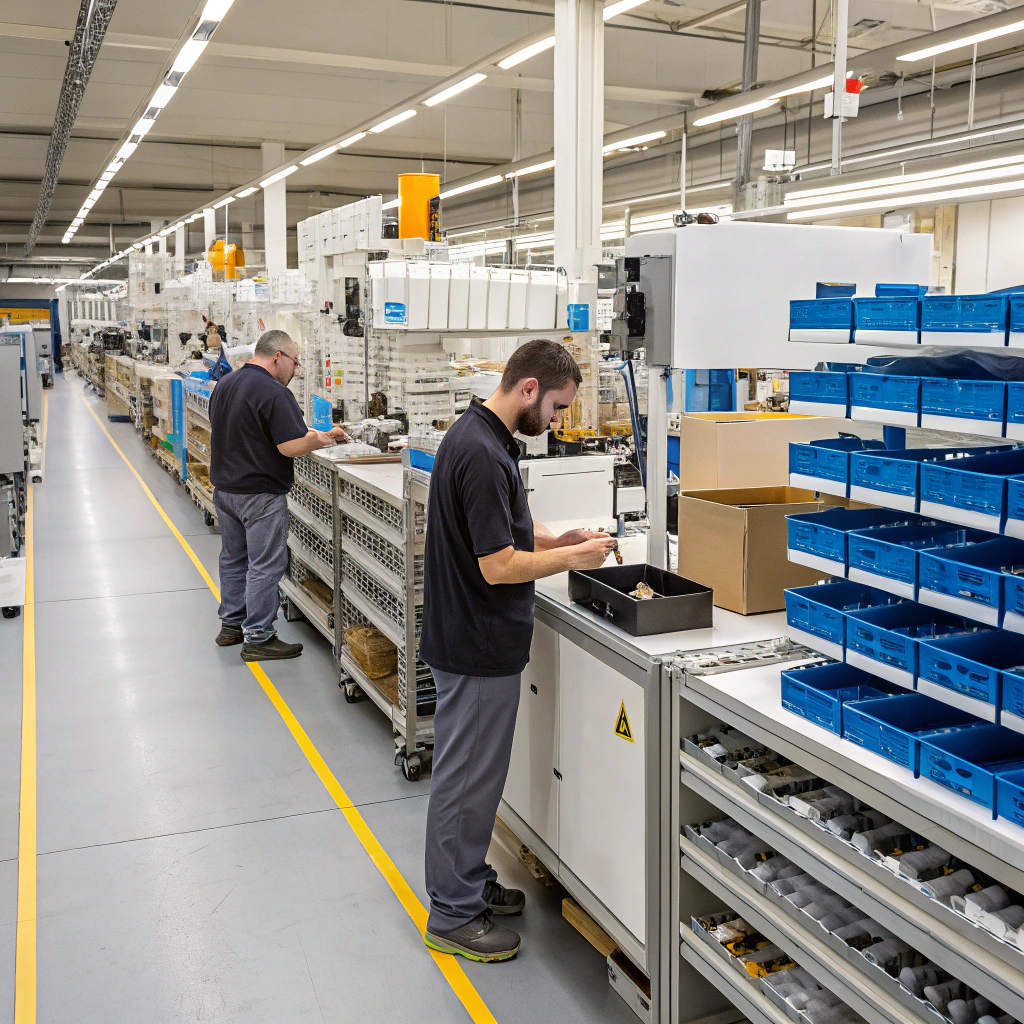
Here are typical service elements in OEM/ODM for heat sinks:
Design & engineering support
Manufacturers will often accept your specification or concept and provide thermal simulation, CAD drawings, fin‑geometry optimisation, choice of alloy (e.g., 6063‑T5 or 6061‑T6) and tooling guidance. For example, one factory mentions “OEM & ODM available … our engineer can check and discuss your design”.
They help you translate your thermal budget (power, ambient temperature, airflow) into a manufacturable heat sink profile.
Prototyping & sample production
Once design is settled, many OEM/ODM suppliers will provide prototype runs or samples for verification. They may handle CNC machining, 3D printing, rapid tooling, or small batch extrusion so you can test fit, function and thermal performance before full production.
Tooling and manufacturing
For custom shapes or extrusions, the manufacturer will manage tooling (moulds, extrusion dies), and then run full manufacturing including cutting, milling, drilling, finishing, assemblies etc.
For example, a supplier offers “one‑stop service … cutting, milling, punching, drilling, welding, CNC machining & assembling etc” alongside OEM/ODM.
Surface treatments and branding
Custom finish options (anodising, powder coating, wood‐grain transfer, spray, plating) are part of OEM/ODM offerings so the heat sink matches your brand identity or end‑product aesthetic. Also packaging and labelling may be custom.
Supply chain, assembly and logistics
Some manufacturers supporting OEM/ODM will assemble sub‑components, provide ready‑to‑install modules, manage QA (e.g., 100% inspection before shipment) and ship under your branding or via your logistic route.
After‑sales and revision support
As part of the OEM/ODM mindset, a manufacturer may assist you in design revisions, custom packaging, spare part supply, and lifecycle refurbishment. This helps when your product goes into medium term production and may need variant management.
In short, if you choose a heat sink manufacturer offering OEM/ODM services, you get not just a part but a collaborative product development route, manufacturing and supply chain integration.
OEM/ODM heat sink services typically include design support, prototyping, tooling and custom manufacturing.True
Heat sink manufacturers that list OEM/ODM offerings mention design review, custom tooling and full manufacturing for custom parts.
Choosing OEM or ODM means you will use standard catalogue heat sinks without any customisation.False
OEM/ODM specifically refers to custom or semi‑custom products rather than purely off‑the‑shelf standard items.
Why are OEM and ODM services beneficial?
Opting for OEM or ODM services brings significant business value — especially in B2B manufacturing contexts like yours where differentiation, integration and scalability matter.
By using OEM/ODM services you get heat sinks tailored to your own product, brand alignment, supply‑chain control, volume scaling, and often cost efficiencies — all of which support long‑term competitive advantage.
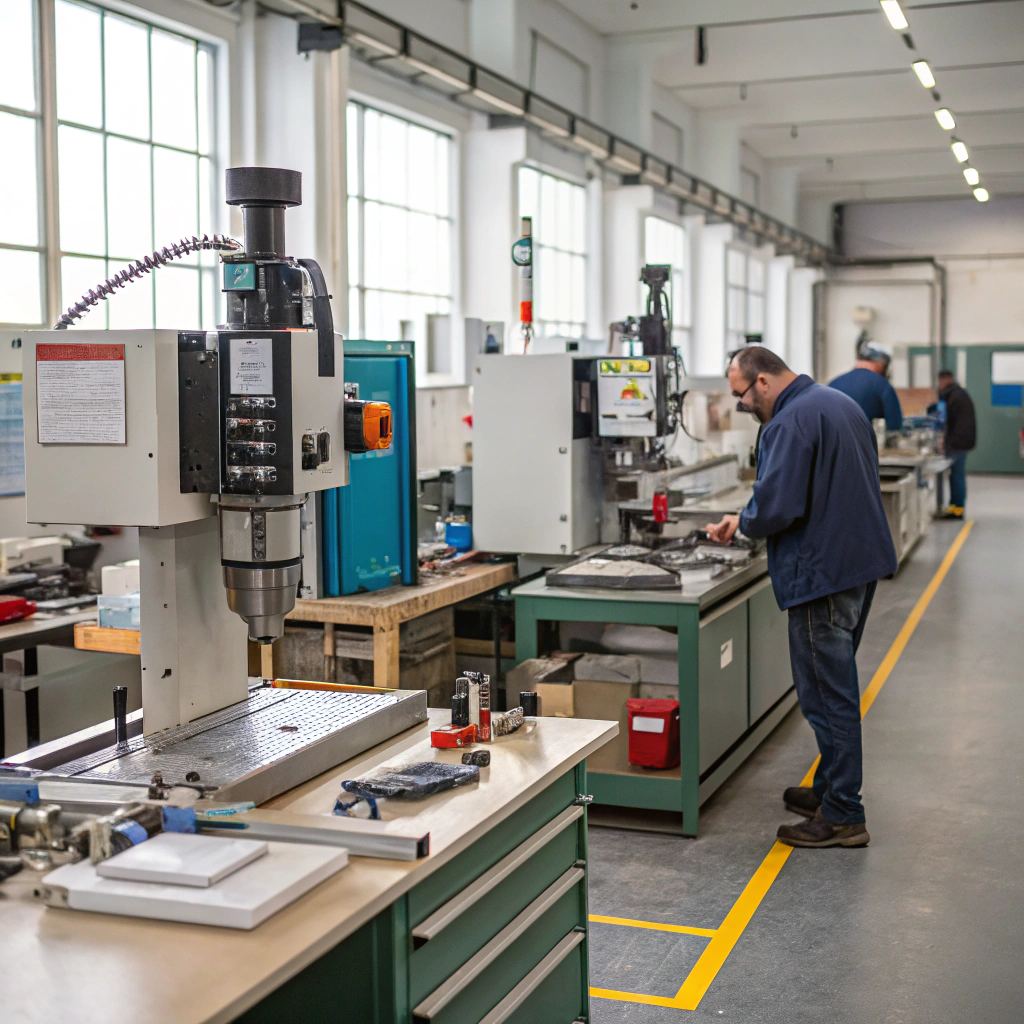
Here’s how OEM/ODM services become valuable:
Tailored thermal solutions
When your project involves unique form‑factors, higher power densities, unusual mounting conditions or outdoor environments (for example large‑scale aluminium extrusions, solar frames, lighting enclosures), off‑the‑shelf heat sinks may not suffice. OEM/ODM gives you the exact shape, alloy, surface finish and mounting features you need.
Brand and differentiation
If you supply to large building companies, machinery OEMs or industrial clients, having a heat sink that reflects your brand (through finish, packaging or integration) helps differentiate your offering. ODM in particular often allows you to brand the product as your own.
Supply chain and volume optimisation
Once custom tooling is set up, unit cost often falls in volume. Also, working with a single manufacturer for tooling, finish and assembly simplifies logistics. For a B2B supplier producing large orders, this is a significant advantage.
Integrated service and risk reduction
With OEM/ODM services the manufacturer often provides design validation, manufacturing, QA and sometimes after‑sales support. This means you rely less on multiple vendors and reduce coordination risk — you get one partner from design through delivery.
Future readiness and flexibility
Because the manufacturer supports custom tooling and revisions, you can adapt to new requirements over time (for example higher wattage, changing heat loads, new outdoor specs). This flexibility is harder when stuck with standard parts.
ODM services allow a buyer to use a manufacturer’s design and sell it under their own brand.True
ODM typically means the manufacturer designs the product and the buyer brands and sells it, leveraging the manufacturer’s design capability.
OEM services always result in lower upfront tooling cost compared to using catalogue parts.False
Custom tooling for OEM services involves upfront investment — it may cost more than using existing standard parts, though it may pay off in volume.
How to choose between OEM and ODM?
When you talk with manufacturers, you’ll need to decide whether to pursue OEM or ODM — and how to select the right partner. I’ll walk through key considerations and give you a comparison table to guide your decision.
Choosing between OEM and ODM comes down to your requirements for design control, brand ownership, upfront cost, volume, and flexibility.
OEM vs ODM: what’s the difference?
- OEM (Original Equipment Manufacturer): You provide the design (or specify your own), and the manufacturer makes the product to your specification. You retain design ownership, brand identity, and supply chain responsibility.
- ODM (Original Design Manufacturer): The manufacturer offers a ready design (or collaborates on design) and you adopt it, often branding it as your own. Design ownership may reside with the manufacturer (depending on contract) and you focus on branding and sales.
When to choose OEM
- You already have a design, or your engineering team wants to steer design.
- You need a highly custom solution: unique mounting, alloy, finish, thermal performance.
- You have higher volumes (so tooling cost amortises) and you want full control over IP, specs and branding.
- You can afford up‑front tooling and longer lead‑time.
When to choose ODM
- You want to move faster and reduce design burden.
- You are okay using the manufacturer’s design but want to brand it and integrate into your product.
- Volume or cost constraints favour picking from a near‐custom solution rather than full custom design.
- You want lower entry cost, faster time‑to‑market.
Comparison Table
| Factor | OEM | ODM |
|---|---|---|
| Design ownership | Buyer owns the design | Manufacturer owns or partially owns it |
| Up‑front tooling cost | Higher (custom tooling) | Lower (existing or semi‐customised) |
| Time to market | Longer (design + tooling) | Faster (use existing design) |
| Brand flexibility | Full brand alignment | Good, though design may restrict changes |
| Suitable for | Unique products, high volumes | Standard/similar products, moderate volume |
| Risk & investment | Higher risk and investment | Lower risk and lower investment |
Practical tips for heat‑sink sourcing
- Ask the manufacturer for tooling cost estimate, minimum order quantity (MOQ), lead time for samples, and design ownership/IP rights.
- Inspect their design & simulation capabilities: can they support thermal modelling, prototypes and revision iterations?
- Clarify brand labelling and packaging options: will the heat sinks be delivered under your brand, your packaging, or the manufacturer’s?
- Check after‑sales and revision support: if you need variant runs or change in specs later, can the manufacturer handle that under OEM/ODM terms?
- Verify quality certifications (ISO9001, ISO14001, IATF16949 if needed for automotive), manufacturing flexibility (extrusion, CNC, surface treatments) and communication responsiveness.
Choose OEM when you need full design control and own the IP for your custom heat sink.True
OEM means the buyer drives the design and owns or strongly controls the product specification.
ODMs always cost more upfront than OEMs.False
ODMs often cost less upfront because they provide a ready design or semi‑custom solution, reducing tooling and design cost.
What trends shape OEM/ODM services?
The field of OEM/ODM for heat sink manufacturing is evolving rapidly. Some key trends affect how you select and work with manufacturers.
Trends include faster prototyping, digital design and simulation, modular manufacturing, global supply networks, environmental compliance and service ecosystem integration.

Trend 1: Rapid prototyping & digital tools
Manufacturers now offer fast turnaround on design iterations: drawing review within hours, simulation, 3D printed prototypes, and small lot runs. This compresses the time from concept to sample and helps OEM/ODM models.
For example, a supplier advertises free drawing review and 12‑hour quote turnaround for custom heat sinks.
Trend 2: Modular and flexible manufacturing
To serve OEM/ODM customers, factories support multiple manufacturing processes (extrusion, die‑casting, skived fin, bonded, stamping) under one roof. That flexibility means you can pick the best method based on thermal, cost and volume rather than being locked in.
This broad capability reduces lead time and tooling risk for custom heat sinks.
Trend 3: Custom branding and packaging
OEM/ODM services increasingly include branding, packaging, label printing, logistics, and drop‑shipping under the buyer’s brand. The service becomes “turn‑key” rather than just parts supplier.
This aligns with your B2B model (you supply to large building companies, industrial clients) where brand and presentation matter.
Trend 4: Global supply chain and localised production
Because many clients are global (Africa, North America, Europe, Middle East), OEM/ODM heat sink manufacturers are developing multi‑site production, local finishing, international logistics and local warehousing. This matters if your shipments are large or need regional support.
Trend 5: Sustainability, regulatory & lifecycle services
OEM/ODM customers now expect their manufacturers to meet environmental standards, recyclability, material traceability, and support lifecycle upgrades or replacements. For heat sinks (aluminium extrusions, large frames) this becomes relevant when clients require green certification, reuse of molds, and service over long product lifetimes.
| Trend | Impact on OEM/ODM Service |
|---|---|
| Rapid prototyping | Shorter design‑to‑sample lead times |
| Flexible manufacturing | More process options, lower risk |
| Full branding & logistics | More seamless product roll‑out |
| Global supply chain support | Easier export, regional stocking |
| Sustainability & lifecycle | Better long‑term fit with client requirements |
Rapid prototyping and digital simulation are now standard services offered in heat sink OEM/ODM manufacturing.True
OEM/ODM heat sink manufacturers advertise drawing review, simulation, small batch prototypes and fast quotes as part of their service.
OEM/ODM services for heat sinks are static and unchanged over the past decade.False
The industry is evolving with faster tooling, branding services, global logistics and environmental expectations — so OEM/ODM services are changing.
Conclusion
If you need bespoke thermal solutions, working with a heat sink manufacturer offering OEM or ODM services is a strategic decision. You gain design support, custom manufacturing, branding flexibility and supply‑chain integration. Choose whether OEM or ODM fits your needs, evaluate manufacturers carefully, and prioritise those who keep pace with emerging trends to future‑proof your sourcing and thermal performance.