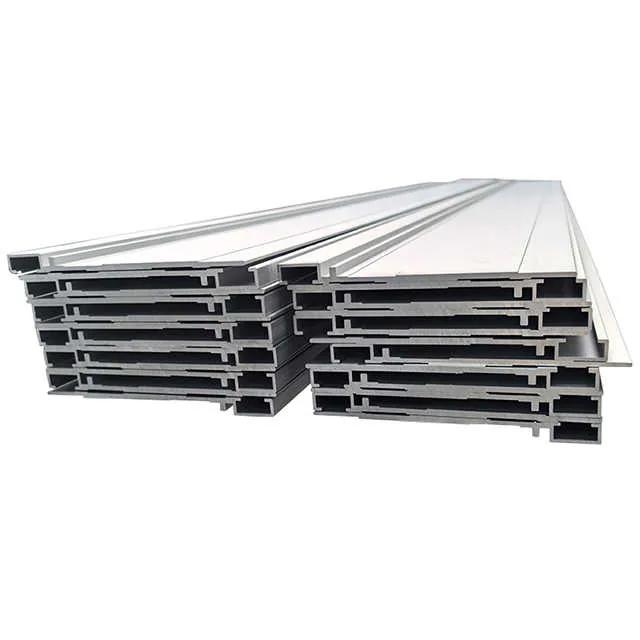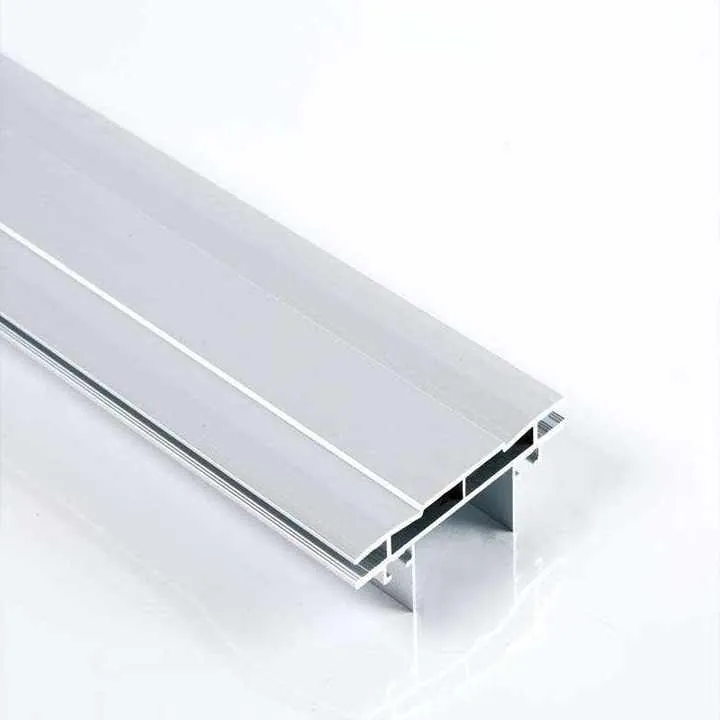

알루미늄 압출 경량 설계의 한계점?

많은 프로젝트에서 비용 절감과 효율성 향상을 위해 더 가벼운 알루미늄 프로파일을 추구합니다. 하지만 지나친 경량화는 종종 숨겨진 위험을 초래합니다. 한계를 무시할 경우 설계자는 실패, 재작업, 안전 문제에 직면하게 됩니다.
알루미늄 압출 경량 설계에는 강도, 안정성, 공정 제어 및 실제 애플리케이션 부하로 정의되는 명확한 한계가 있습니다. 이러한 한계를 무시하면 휨, 균열 및 조기 제품 고장으로 이어질 수 있습니다.
경량 설계는 가능한 한 많은 소재를 제거하는 것이 아닙니다. 무게, 강도, 장기적인 성능 사이에서 안전한 균형을 찾는 것입니다.
프로필 무게를 줄일 때 어떤 제한이 적용되나요?
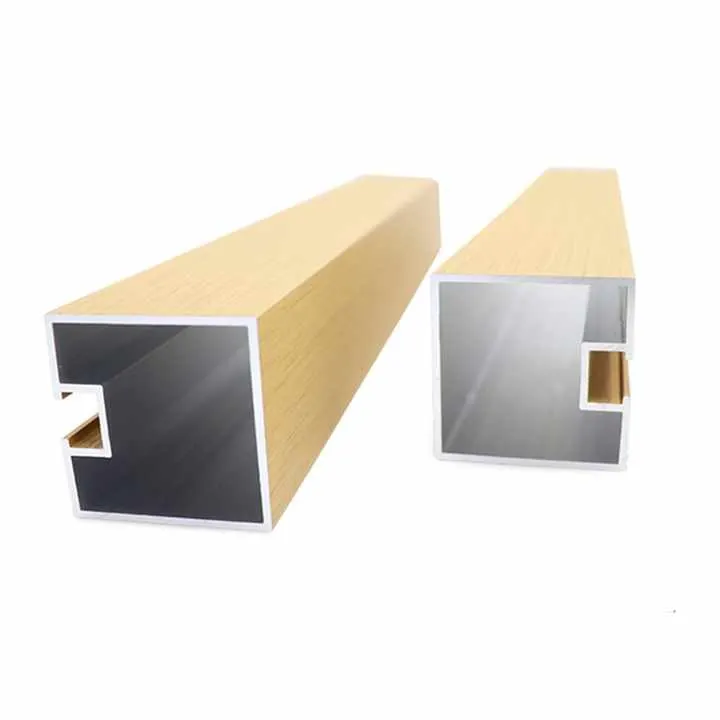
드로잉 단계에서는 경량화가 간단하게 느껴집니다. 하지만 프로파일이 제작 및 사용 단계에 들어가면 실제 한계가 나타납니다.
프로파일 무게 감소는 벽 두께, 압출 흐름, 치수 안정성 및 결함 위험에 의해 제한됩니다. 이러한 제한은 기본적인 제조 가능성과 안전을 보호합니다.
무게를 줄이면 압출 과정에서 알루미늄이 흐르고 냉각되는 방식이 항상 달라집니다. 한계를 넘으면 품질이 불안정해집니다.
벽 두께 제한
벽 두께는 첫 번째 어려운 한계입니다. 벽이 매우 얇으면 압출 난이도와 스크랩률이 높아집니다. 압출 시 알루미늄은 금형을 통해 고르게 흘러야 합니다. 벽이 너무 얇으면 흐름이 고르지 않게 됩니다.
얇은 벽은 또한 더 빨리 냉각됩니다. 이로 인해 내부 응력과 왜곡이 발생합니다. 노화 후에는 프로파일이 뒤틀리거나 휘어질 수 있습니다. 이러한 결함은 교정 비용을 증가시키고 수율을 떨어뜨립니다.
실제 생산에서 최소 벽 두께는 프로파일 폭, 합금 및 프레스 크기에 따라 달라집니다. 이러한 현실을 무시한 설계는 대량 생산에 실패하는 경우가 많습니다.
압출 흐름 균형
경량 설계는 종종 내부 리브를 제거하거나 단면을 줄입니다. 이로 인해 금속 흐름 경로가 변경됩니다. 고르지 않은 흐름은 표면 선, 다이 마크 및 크기 변화를 일으킵니다.
균형 잡힌 흐름을 위해서는 적재적소에 자료가 있어야 합니다. 재료를 너무 많이 제거하면 이 균형이 깨집니다. 아무리 강한 합금이라도 흐름의 불균형을 해결할 수는 없습니다.
치수 안정성
무게가 감소하면 강성이 더 빨리 떨어집니다. 벽이 얇은 프로파일은 자체 무게로 인해 모양이 변형됩니다. 절단, 포장 및 운송 중에 변형이 증가합니다.
치수가 불안정하면 나중에 조립에 문제가 발생합니다. 프로파일이 픽스처나 커넥터에 맞지 않을 수 있습니다.
생산 수율에 미치는 영향
가벼운 디자인은 종종 불량품을 증가시킵니다. 불량률이 높다는 것은 재료 중량이 더 낮더라도 실제 비용이 더 높다는 것을 의미합니다.
| 제한 구역 | 초과 시 영향 |
|---|---|
| 벽 두께 | 크래킹, 왜곡 |
| 흐름 균형 | 표면 결함 |
| 강성 | 굽힘, 뒤틀림 |
| 수율 | 더 높은 스크랩 비율 |
프로파일 무게 감소는 벽 두께, 금속 흐름 균형 및 치수 안정성에 의해 제한됩니다.True
이러한 요소는 제조 가능성 및 모양 제어를 제어합니다.
합금 강도가 높으면 프로파일 무게는 항상 줄일 수 있습니다.False
벽이 너무 얇거나 흐름이 불안정하면 아무리 튼튼한 합금이라도 실패합니다.
디자인이 하중 지지력에 어떤 영향을 미치나요?
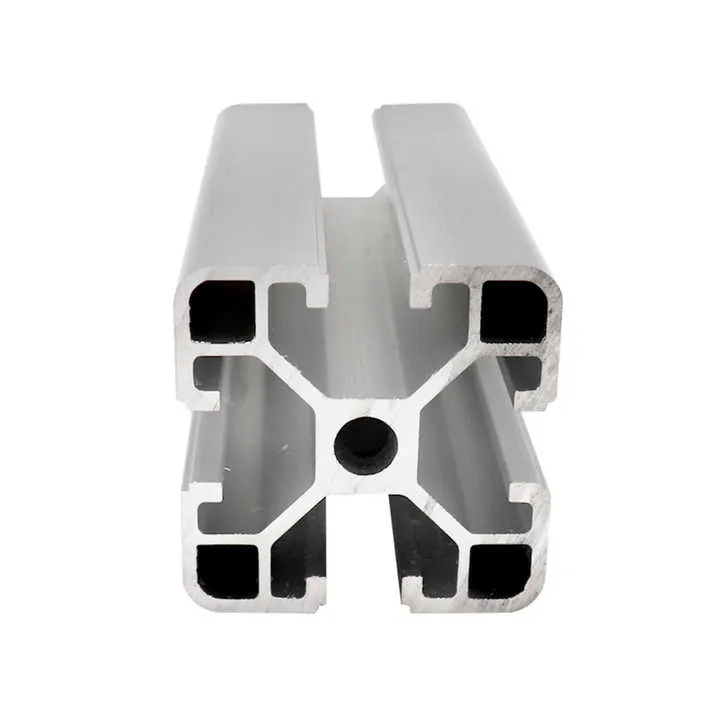
많은 경량 디자인이 육안 검사에서는 통과하지만 실제 하중에서는 실패합니다. 하중을 견디는 능력은 총 무게보다 형태에 더 많이 좌우됩니다.
설계 지오메트리는 굽힘 저항, 좌굴 위험 및 하중 분포를 직접 제어합니다. 지오메트리가 좋지 않으면 재료 강도가 동일하게 유지되더라도 프로파일이 약해집니다.
무게 감소는 구조적 역학을 고려해야 합니다.
섹션 계수 중요성
하중 지지력은 단면 탄성률에 따라 달라집니다. 바깥쪽 가장자리 근처의 재료를 제거하면 강성이 급격히 감소합니다. 중앙 근처의 재료를 제거하면 충격이 줄어듭니다.
무게를 줄이기 위해 외벽을 얇게 설계하면 굽힘 강도가 먼저 떨어지는 경우가 많습니다. 이로 인해 하중을 받으면 눈에 띄는 처짐이 발생합니다.
좌굴 위험 증가
벽이 얇으면 압축 시 좌굴 위험이 증가합니다. 프레임, 랙 또는 지지대에 사용되는 프로파일은 축방향 하중을 받습니다. 지지되지 않는 긴 스팬을 가진 경량 디자인은 쉽게 좌굴됩니다.
좌굴은 종종 갑자기 발생합니다. 실패하기 전에 경고가 거의 없습니다.
로드 경로 중단
좋은 디자인은 하중이 연속적인 경로를 통해 전달되도록 유도합니다. 경량 디자인은 하중 전달을 지원하는 리브나 웹을 제거하기도 합니다.
이로 인해 스트레스가 집중됩니다. 특히 주기적으로 부하가 걸리는 경우 이러한 지점에서 균열이 시작되는 경우가 많습니다.
실제 로딩 조건
설계 계산은 이상적인 하중을 가정하는 경우가 많습니다. 실제 사용에서는 하중이 이동하고 진동하며 충격을 받습니다. 경량 설계는 이러한 변화를 흡수할 수 있는 여유가 적습니다.
정적 부하 제한을 간신히 충족하는 프로필은 동적 사용 시 조기에 실패할 수 있습니다.
| 디자인 선택 | 부하에 미치는 영향 |
|---|---|
| 얇은 외벽 | 급격한 강성 손실 |
| 갈비뼈 제거 | 스트레스 집중 |
| 긴 스팬 | 좌굴 위험 |
| 날카로운 모서리 | 크랙 시작 |
프로파일 지오메트리는 총 무게만으로는 하중을 견디는 능력에 더 큰 영향을 미칩니다.True
모양은 강성과 응력 분포를 제어합니다.
프로필이 정적 하중 계산을 충족하는 경우 동적 하중은 문제가 되지 않습니다.False
동적 부하는 종종 정적 가정을 초과합니다.
경량 프로파일이 업계의 강도 요구 사항을 충족할 수 있나요?

많은 구매자가 경량 프로파일이 약하다고 걱정합니다. 항상 그런 것은 아닙니다. 하지만 업계의 요구를 충족하려면 신중한 제한이 필요합니다.
경량 알루미늄 프로파일은 설계, 합금 및 적용 분야가 일치할 때 업계의 강도 요구 사항을 충족할 수 있습니다. 무게 감소가 실제 사용 사례를 무시할 때 문제가 나타납니다.
가볍다는 것은 깨지기 쉽다는 뜻이 아닙니다. 최적화되어 있다는 뜻입니다.
합금 선택의 역할
합금이 강할수록 단면이 더 얇아집니다. 그러나 합금 선택은 압출 난이도, 표면 품질 및 비용에 영향을 미칩니다.
고강도 합금은 종종 내식성이나 압출 속도를 감소시킵니다. 설계자는 이러한 장단점을 균형 있게 고려해야 합니다.
애플리케이션별 강도 요구 사항
산업마다 강도를 정의하는 방식이 다릅니다. 건설은 안전 여유도와 장기 하중에 중점을 둡니다. 자동화는 강성과 정밀도에 중점을 둡니다. 운송은 피로 저항에 중점을 둡니다.
한 업계에서는 효과가 있는 경량 프로필이 다른 업계에서는 실패할 수도 있습니다.
안전 요소는 사라지지 않습니다.
경량 설계는 종종 안전 마진을 감소시킵니다. 하지만 안전 계수가 존재하는 데는 이유가 있습니다. 온도 변화, 오용, 마모는 시간이 지남에 따라 실제 강도를 감소시킵니다.
안전 마진을 제거한 설계는 몇 주가 아니라 몇 년 후에 실패하는 경우가 많습니다. 이러한 실패는 비용이 많이 들고 추적하기 어렵습니다.
테스트 및 유효성 검사
경량 설계에는 가정이 아닌 테스트가 필요합니다. 하중 테스트, 피로 테스트, 조립 시험을 통해 약점을 조기에 발견할 수 있습니다.
테스트를 건너뛰면 단기적으로는 시간을 절약할 수 있지만 장기적으로는 위험을 초래할 수 있습니다.
| 산업 | 주요 강점 우려 사항 |
|---|---|
| 건설 | 안전 마진 |
| 자동화 | 강성 |
| 운송 | 피로 수명 |
| 전자 제품 | 진동 제어 |
경량 알루미늄 프로파일은 적절한 설계와 테스트를 통해 업계의 강도 요구 사항을 충족할 수 있습니다.True
합금, 형상 및 애플리케이션의 정렬이 핵심입니다.
무게 절감 효과가 충분히 크면 산업 강도 표준을 무시할 수 있습니다.False
실패와 책임을 방지하기 위한 표준이 존재합니다.
과도한 체중 감량을 방해하는 요인은 무엇인가요?

많은 팀이 초경량 디자인을 원합니다. 하지만 몇 가지 현실적인 요인으로 인해 안전성과 경제성이 떨어집니다.
과도한 무게 감소는 제조 현실, 비용 안정성, 품질 위험 및 장기적인 신뢰성에 의해 제한됩니다. 이러한 요소들이 진정한 경계를 정의합니다.
이러한 제한을 무시하면 총 프로젝트 비용이 증가하는 경우가 많습니다.
제조 제약 조건
압출 프레스, 금형 및 냉각 시스템에는 한계가 있습니다. 얇은 디자인은 생산 속도가 느려지고 불량품이 증가합니다. 이로 인해 킬로그램당 가격이 상승합니다.
어느 순간부터 프로필이 가벼워지면 비용이 더 많이 드는 것이 아니라 더 적게 듭니다.
비용 대비 혜택의 균형
무게를 줄이면 재료비가 절감됩니다. 하지만 툴링 비용, 테스트 비용, 품질 관리 비용이 증가합니다.
스마트한 디자인은 총 비용이 가장 낮은 곳에서 멈추는 것이 아니라 무게가 가장 낮은 곳에서 멈춥니다.
조립 및 문제 처리
경량 프로파일은 조립 중에 쉽게 변형됩니다. 작업자가 패스너를 과도하게 조이거나 부품을 잘못 정렬할 수 있습니다.
이러한 문제는 조립 시간과 재작업을 증가시킵니다.
장기적인 신뢰성
얇은 디자인은 노화가 잘 진행되지 않습니다. 크리프, 피로, 부식으로 인해 잔존 강도가 감소합니다. 무거운 디자인은 천천히 고장납니다. 초경량 디자인은 갑자기 고장납니다.
이론적 효율성보다 더 중요한 것은 신뢰성입니다.
| 제한 요소 | 결과 |
|---|---|
| 제조 | 더 높은 스크랩 |
| 비용 잔액 | 숨겨진 비용 |
| 어셈블리 | 변형 |
| 신뢰성 | 조기 실패 |
제조 및 신뢰성 요소는 경량 설계의 실제 한계를 정의합니다.True
이러한 한도를 초과하면 위험은 이익보다 빠르게 증가합니다.
가능한 한 가장 가벼운 프로필이 항상 가장 비용 효율적인 솔루션입니다.False
극단적인 경량화는 종종 총 비용과 위험을 증가시킵니다.
결론
알루미늄 압출 경량 설계에는 분명한 한계가 있습니다. 이러한 한계는 물리학, 제조 및 실제 사용에서 비롯됩니다. 스마트한 디자인은 최소한의 질량을 추구하는 대신 무게, 강도, 비용, 신뢰성 간의 균형을 맞춥니다.