알루미늄 압출이란 무엇인가?
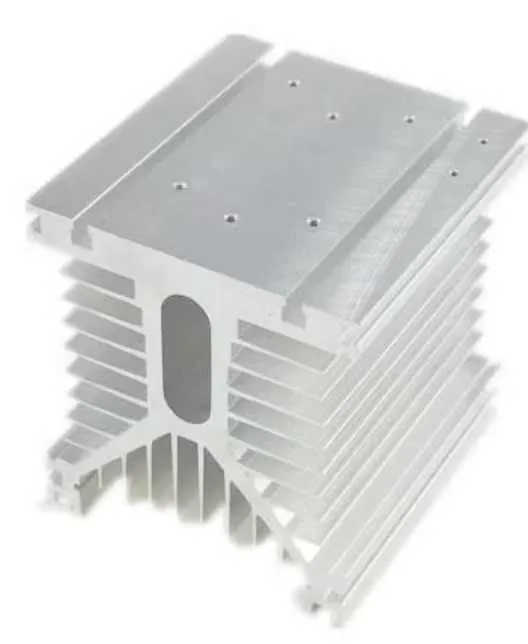
An aluminum extrusion is a long profile part made by forcing a heated aluminum billet through a shaped die so that the metal flows and takes the cross‑section of that die. It results in a continuous length of consistent section that can be cut, finished and used in many applications.
How is an aluminum extrusion defined technically?
When we describe an aluminum extrusion in technical terms, we focus on its geometry, manufacturing process and material structure.
Technically, an aluminum extrusion is defined as a shaped aluminum alloy profile produced by pushing or drawing a heated – but solid – billet through a die with a specific cross‐section, resulting in a part with uniform cross‐section and material properties along the length.
Key aspects
- Cross‐section uniformity: The shape of the profile remains constant along its length because the die defines the cross‐section and the extrusion flow maintains it.
- Material state: The billet is heated, softened but not melted, so the metal flows plastically rather than being poured.
- Flow direction and grain structure: Because the metal is forced through the die, the internal grain structure aligns with the length of the profile, which influences mechanical properties, especially in longitudinal direction.
- Length flexibility: Extrusions can be produced in long lengths (meters or more) and then cut to size, offering economies for long structural parts.
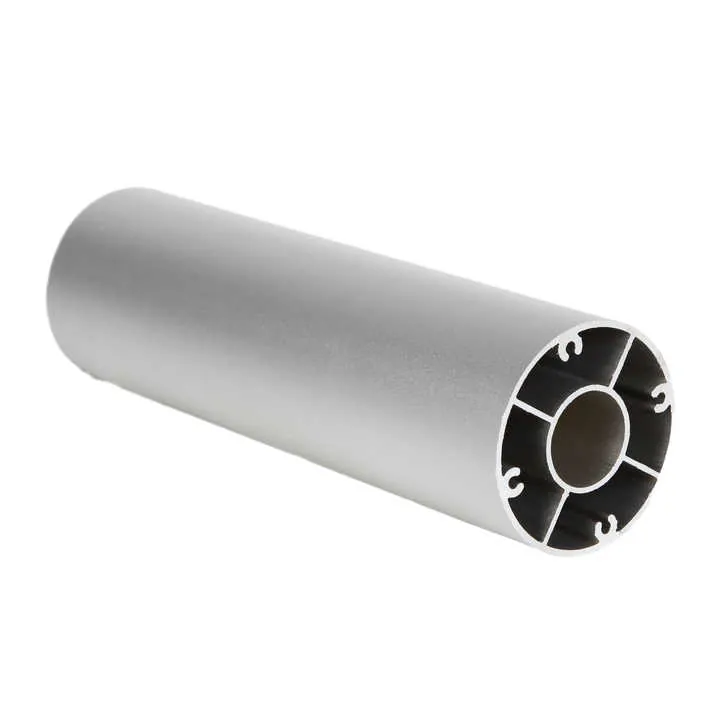
- Profile types: Extruded profiles can be solid, hollow, or semi‑hollow. That allows much flexibility in shape design, for example channels, tubes, T‑slots, complex chambers.
Why this technical definition matters
For my business supplying custom aluminum profiles, understanding this definition helps me specify what I expect — length, cross‑section, alloy, temper, finish. It also clarifies why extrusions behave differently than cast or machined parts. When I talk to my extrusion partner, I need to ensure die design, extrusion flow and material state are matching the specification.
An aluminum extrusion always has the same alloy composition as the original billet.True
The billet defines the alloy; the extrusion process does not change the alloy composition significantly though heat and deformation refine structure.
An aluminum extrusion is always a hollow tube.False
Extrusions can be solid, hollow or semi‑hollow depending on the die design and intended application.
Why use aluminum extrusion in engineering?
Aluminum extrusions are very popular in engineering because they deliver many advantages over other manufacturing methods.
Engineering applications adopt extrusion because it allows efficient production of profiles with high strength‑to‑weight ratio, flexible geometry, integrated features (slots, channels), and good compatibility with finishing and fabrication.

Engineering benefits
- Strength‑to‑weight efficiency: Aluminum has lower density compared to steel, and when extruded into optimized profiles (for example I‑beams, hollow boxes, complex cavities) you achieve strong, lightweight structures.
- 디자인 유연성: Extrusion allows integrated features—flanges, ribs, internal cavities, T‑slots, mounting channels—without requiring assembly of many parts. This reduces weight, cost, welding, fasteners.
- Shorter lead times for complex profiles: Once the die is in place, producing long runs of the same profile is efficient. Even custom profiles with moderate volume become viable.
- Good finish and corrosion resistance: Since aluminum extrusions can be anodized, powder‑coated or mechanically finished, they match requirements for aesthetics and durability in engineering systems, especially outdoors or exposed applications.
- Compatibility with further machining or fabrication: After extrusion you can CNC machine, bend, drill, weld, join—making it versatile for final assembly in engineering products.
How this aligns with your business
Since your company supplies large‑scale custom aluminum extrusions for construction, solar frames, industrial machinery: emphasizing these engineering benefits gives your customers confidence. You can explain that choosing extruded aluminum means integrated profiles with fewer joints, lighter weight, faster installation and lower overall cost.
Extruded aluminum profiles cannot integrate mounting channels or slots without further machining.False
One of the advantages of extrusion is that you can design mounting channels or slots into the profile itself via the die.
Using aluminum extrusion often reduces assembly time in engineering systems compared to fabricating from multiple welded parts.True
By providing pre‑formed profiles with the required geometry and features, assembly is simplified and fewer parts or welds are needed.
Where can extruded profiles improve structures?
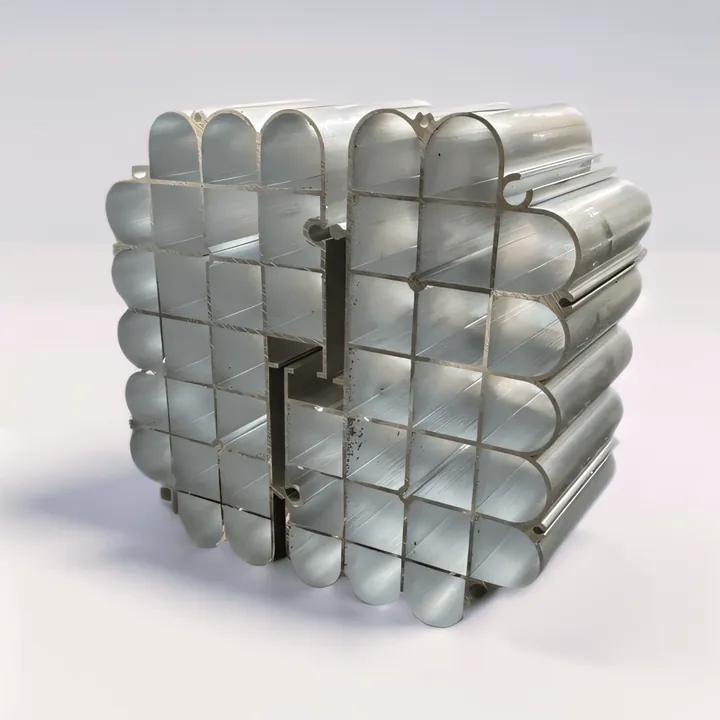
Extruded aluminum profiles find their way into many structural and support applications across industries because of their shape flexibility, modular capability and material advantages.
Extruded profiles improve structures when used as framework, supports, mounting systems, enclosures, tracks, frames, and any application where long, uniform cross‑section parts deliver strength, light weight and modularity.
Typical structural uses
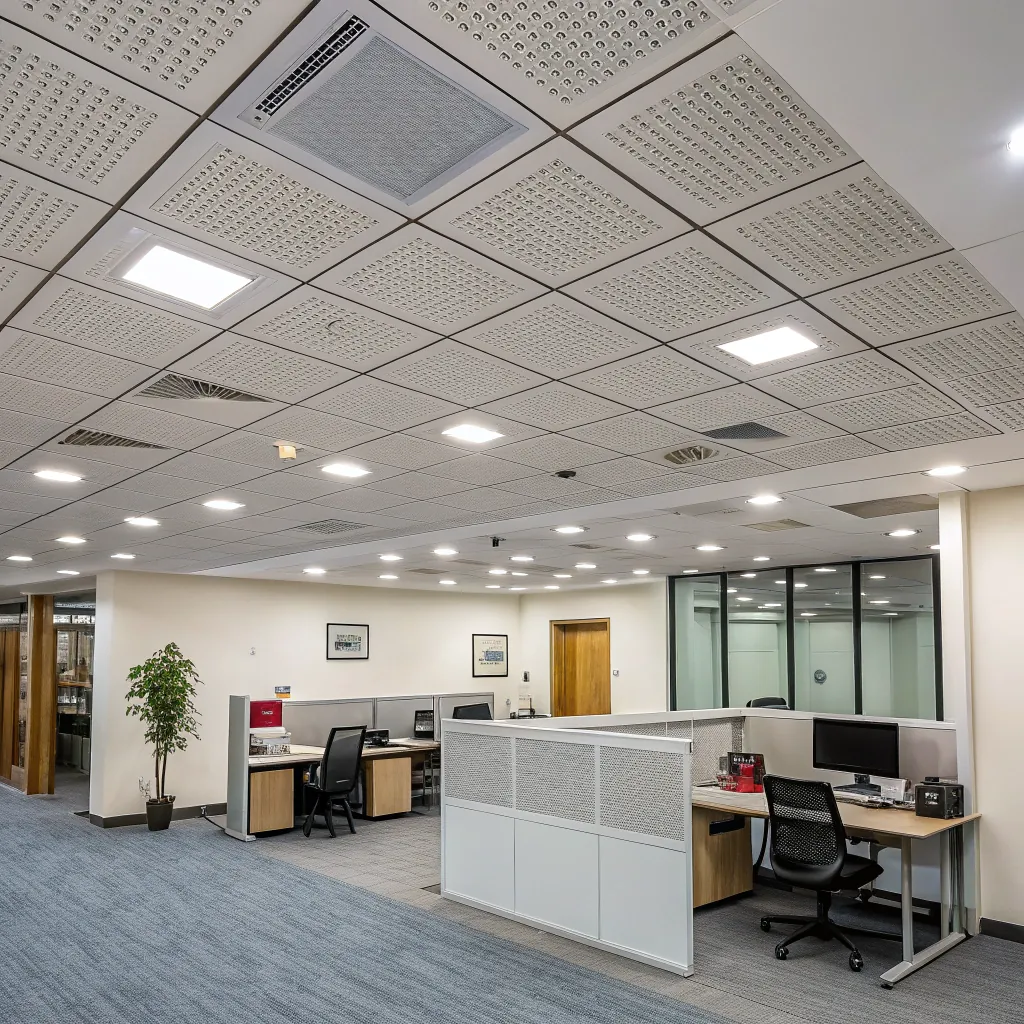
- 건축 및 건설: Window and door frames, curtain wall mullions, façade support systems, railing systems, structural channels for glazing, solar mounting racks.
- Solar energy systems: Mounting rails, tracker frames, module frames, support structures for panels in ground‑mount or rooftop systems. These benefit from extruded aluminum’s corrosion resistance, length capability and integrated mounting features.
- Industrial machine frames and automation: Modular extruded aluminum T‑slot systems form machine bases, safety guarding, assembly stations, conveyors, workbenches. They use extruded profiles for structure and flexibility.
- 교통편: Profiles in rail cars, bus interiors, structural braces in vehicles, roof rails, frames for electric vehicles. Extruded shapes contribute to weight saving and strength.
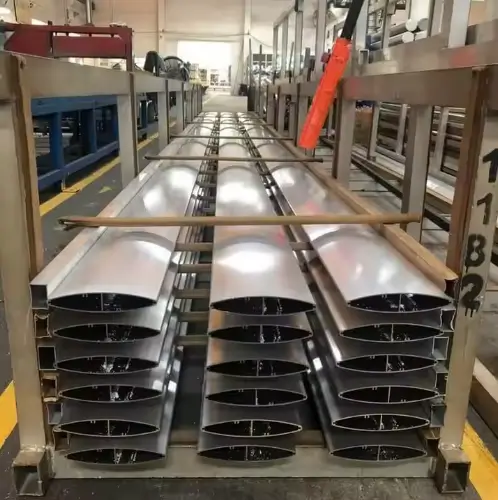
- Furniture, display and architectural elements: Shelving frames, display systems, architectural fins or louvers, lighting housings—all use extruded aluminum for strength, finish and integration.
Why this matters to your clients
Given your supply model (B2B, wholesale, supplying custom profiles globally), knowing these structural roles means you can tailor offerings: you can offer extrusions designed for solar frames (with slots for mounting hardware), or for industrial machine frames (with T‑slots or channels), or for architectural façade elements (with anodize finish, long lengths, large cross‑section). Understanding where the profiles will be used helps align your length, strength, finish and tolerance specs.
Extruded profiles are rarely used as structural elements because they cannot carry heavy loads.False
Extruded aluminum is widely used in structural applications, especially where strong, lightweight assemblies are required.
Using extruded aluminum profiles for machine frames allows faster re‑configuration and modular assembly.True
Extruded profiles with slots and channels facilitate modular construction, changes and expansions in machine or assembly systems.
Can extrusion shapes be customized easily?
One of the major benefits of aluminum extrusion is the ability to customise the profile shape to fit exact application needs. While tooling cost and volume matter, customization is quite feasible.
Yes — extrusion shapes can be customised by designing dedicated dies, selecting specific alloys, wall thicknesses, internal cavities and surface treatments so that the final profile matches the functional, aesthetic and assembly needs of a project.

Customization factors
- 다이 디자인: Each unique profile requires a die (or modification of an existing die) that defines its cross‑section. The initial cost is higher, but for production volumes this is efficient.
- Wall thickness, cavity design and sections: Into the die you can incorporate hollow chambers, ribs, slots, mounting flanges, etc. You can tailor wall thickness for strength or weight.
- 길이와 마감: Extrusions can be produced in long lengths, then cut to size; you can choose surface treatment (anodize, powder coat, wood‑grain).
- Alloy and temper selection: Depending on strength, finish and corrosion requirements you can choose the appropriate alloy and temper.
- Integration of features: Some extrusions include pre‑machined slots, channels, or joining features that reduce downstream machining or assembly.
- Volume considerations and tooling amortisation: Customization is easier when volumes justify the tooling cost; smaller runs are feasible but cost per unit is higher.
What you should know as a supplier
Because your company serves global clients with custom aluminum profiles, it’s important to communicate to customers:
- Custom shape = die cost + minimum order quantity (MOQ) + lead time for die production.
- Standard profiles or slight modifications cost less and deliver faster.
- If you anticipate many shapes, consider modular design with common die families to amortise cost.
- When finish and wall thickness are critical (architectural or solar frames), make sure the die and extruder partner confirm tolerances and surface quality upfront.
Any profile shape can be extruded with no additional tooling cost.False
Each unique profile generally requires a custom die or tool modification, which involves cost and setup time.
Extrusion allows design of integrated mounting slots and channels in the profile itself, reducing later machining.True
One of extrusion’s major advantages is integrating features into the profile shape at the die stage, eliminating or reducing downstream machining.
결론
An aluminum extrusion is a profile formed by forcing heated aluminum alloy through a die, yielding a long, consistent cross‑section with aligned grain structure and design flexibility. Engineers use extrusions because of their strength‑to‑weight advantages, ability to integrate complex features and compatibility with finishing. Extruded profiles improve structures across buildings, solar systems, industrial machinery and transport applications. Moreover, extrusion allows significant customization of shape, features, finish and material—making it ideal for your work supplying tailored aluminum profiles worldwide.