방열판이 자동차 배터리 냉각 시스템에 적합합니까?
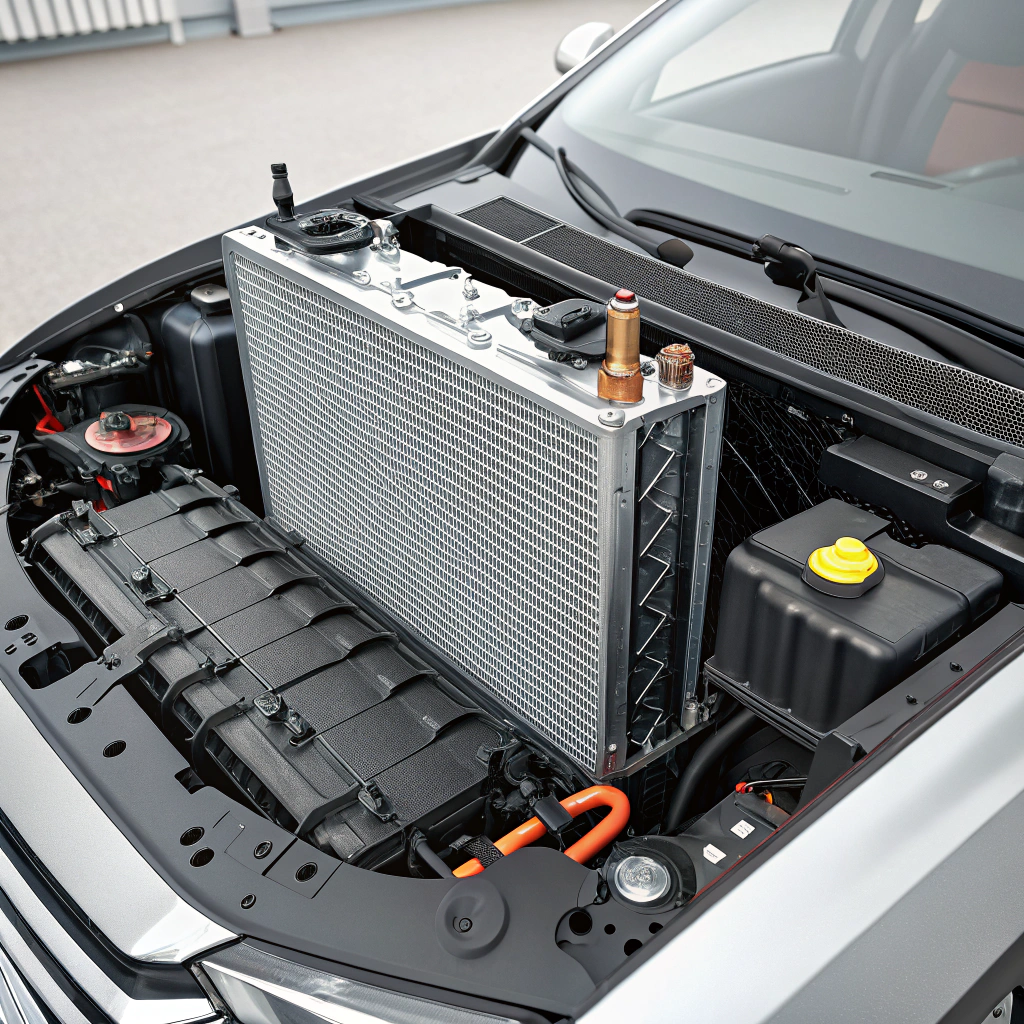
전기차의 배터리 팩은 많은 열을 발생시킵니다. 방열판이 고장 나면 배터리가 과열되어 수명이 단축되거나 화재가 발생할 수도 있습니다.
예, 방열판은 적절한 열 용량, 내진동성, 자동차 등급의 내구성으로 설계된 경우 전기차 배터리 냉각에 사용할 수 있습니다.
저는 차량 시스템에 방열판을 추천할 때 항상 열 부하, 장착, 재료 안정성 및 테스트 요구 사항을 고려합니다.
이 방열판이 자동차 배터리 냉각 시스템에 적합합니까?
배터리 시스템은 에너지 밀도가 높고 덥고 거친 환경에서 작동합니다. 방열판이 이를 처리하지 못하면 고장납니다.
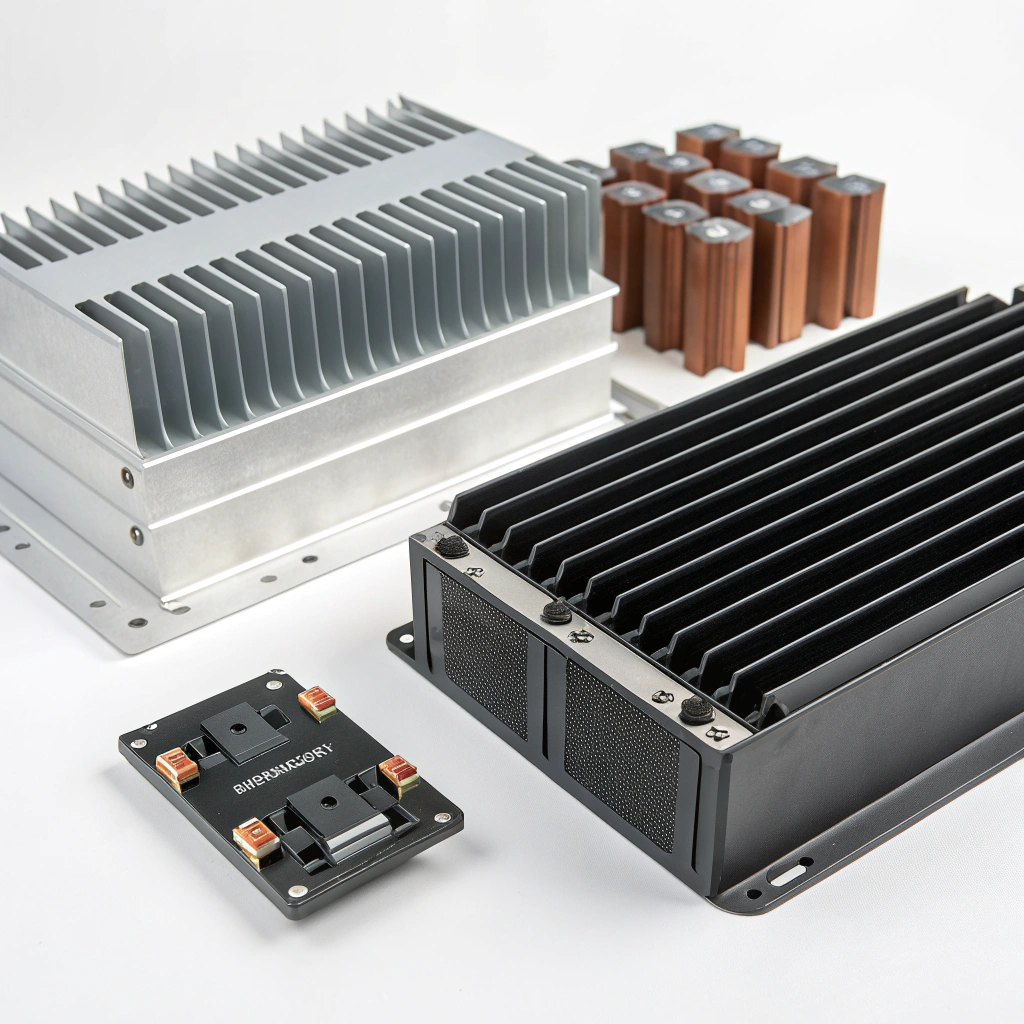
전기차 배터리용 방열판은 높은 열 부하를 관리하고, 넓은 온도 변화를 견디며, 부식과 진동에 견디고, 안전하게 장착할 수 있도록 설계되어야 합니다.
전기차 배터리 방열판의 주요 요구 사항
| 기준 | 필수 기능 |
|---|---|
| 열 전달 | 배터리 모듈의 고전력 부하를 처리해야 합니다. |
| 환경 내구성 | 진동, 습도, 부식 견딤 |
| 온도 범위 | 40°C ~ 125°C 이상에서 안정적으로 작동합니다. |
| 장착 방법 | 진동 방지 설계(다중 지점 고정)를 사용해야 합니다. |
| 자료 | 고급 알루미늄, 양극산화 또는 코팅 처리됨 |
표준 방열판이 EV 배터리 팩 내부에서 견딜 수 있다고 생각하지 않습니다. 최고의 방열판은 열 순환, 염수 분무, 습도 및 도로 충격에 대한 테스트를 거친 제품입니다. 모양, 재질, 장착 방식은 신중하게 선택해야 합니다. 거의 항상 커스터마이징이 필요합니다.
EV 배터리 시스템용 방열판은 높은 열과 진동에 견딜 수 있어야 합니다.True
배터리 환경은 열악하기 때문에 방열판은 자동차의 내구성 요건을 충족해야 합니다.
모든 표준 PC 방열판을 전기 자동차에 사용할 수 있습니다.False
차량 애플리케이션은 스트레스와 온도를 처리하기 위해 특별한 설계, 재료 및 테스트가 필요합니다.
방열판은 전기차 사용 시 어떤 온도를 견딜 수 있나요?
차량 시스템은 빠르게 뜨거워집니다. 방열판이 125°C 이상을 견디지 못하면 휘어지거나 부식될 수 있습니다.
자동차 등급 방열판은 일반적으로 -40°C~+125°C를 연속으로 견디며, 일부는 최대 150°C의 짧은 폭발을 견뎌냅니다.
온도 내구성 가이드라인
| 유형 | 온도 범위 | 참고 |
|---|---|---|
| 가전 제품 | 0°C ~ 85°C | 차량용이 아님 |
| 표준 산업 | -20 °C ~ 100 °C | 언더후드 전기차 사용에는 적합하지 않음 |
| 자동차 등급 | -40°C ~ 125°C 이상 | EV 시스템 요구 사항과 일치 |
| 확장형 자동차 | 150°C에서 단기간 사용 | 고온 영역 근처의 구성 요소의 경우 |
저는 항상 알루미늄 합금과 표면 처리가 열에 의해 성능이 저하되지 않는지 확인합니다. 표면 마감이 벗겨지거나 뒤틀리거나 변색되지 않아야 합니다. 40°C에서 +125°C 사이의 열 순환은 피로를 유발할 수 있으므로 이에 대한 계획도 세웁니다.
차량용 방열판은 최대 125°C까지 연속으로 처리할 수 있습니다.True
이는 EV 배터리 및 컨트롤러 모듈의 공통 사양입니다.
차량 배터리 냉각을 위해 플라스틱 방열판을 사용하는 것이 좋습니다.False
플라스틱은 전기차 환경에 필요한 열 용량과 온도 안정성이 부족합니다.
차량용 애플리케이션을 위한 방열판 설계가 있나요?
모든 방열판이 똑같이 만들어지는 것은 아닙니다. 차량용 방열판은 특별한 구조, 소재, 테스트가 필요합니다.
예, 많은 방열판은 강화된 프레임, 진동 마운트 및 자동차 표면 처리를 통해 전기차에 맞게 맞춤 설계되었습니다.
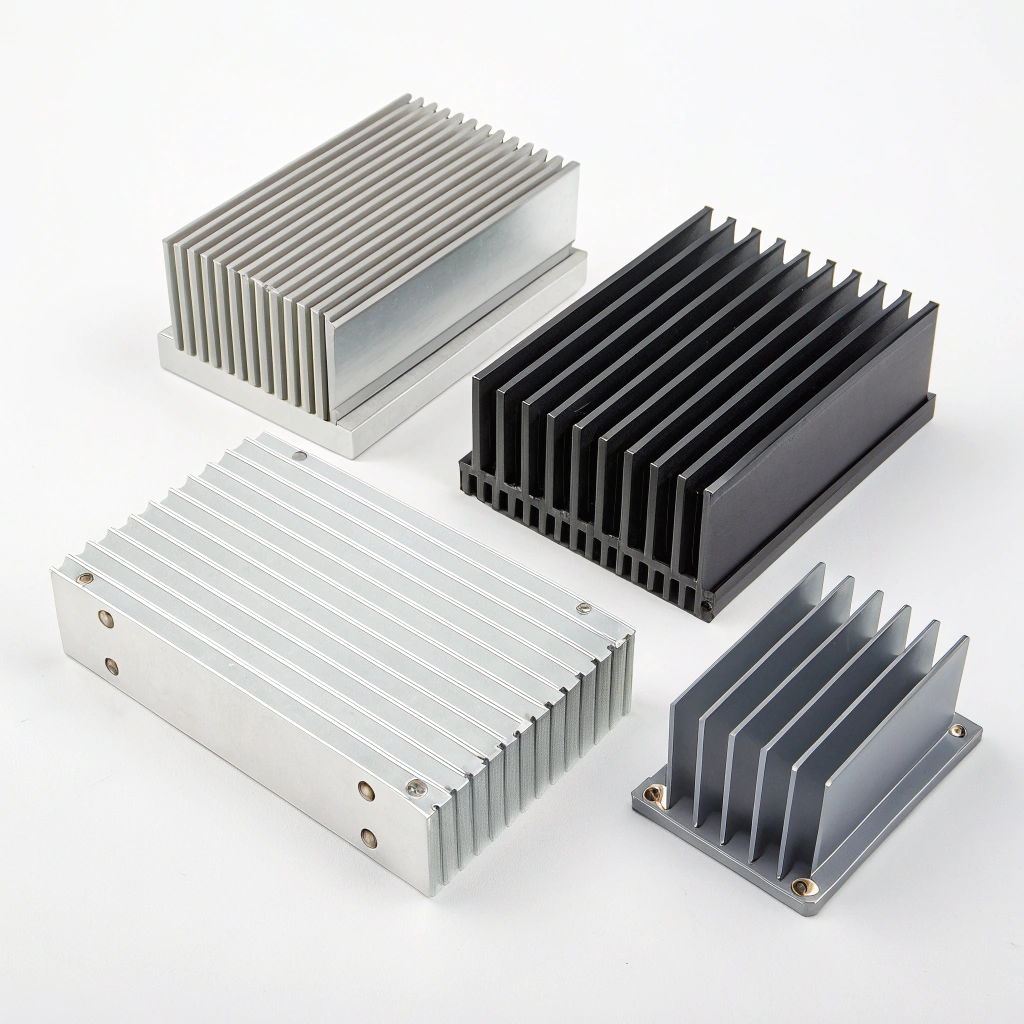
차량용 방열판 설계 특징
| 기능 | 기능 |
|---|---|
| 강화 갈비뼈 | 충격 및 진동에 대한 내성 |
| 멀티포인트 마운팅 | 스트레스 집중 방지 |
| 부식 방지 마감 | 습도, 염분, 화학 스프레이 취급 |
| 열팽창 간격 | 온도 변화로 인한 균열 방지 |
| 높은 내성 표면 | 열 접촉을 위한 평탄도 유지 |
전기차를 디자인할 때는 공진을 피하기 위해 모달 분석을 실행합니다. 스트레스 완화 구역이나 플로팅 마운트를 추가합니다. 추가 냉각이 필요한 곳에는 구리 인서트가 도움이 됩니다. 습도 및 열 사이클이 있는 시뮬레이션 도로 조건에서 테스트를 수행합니다.
차량용 방열판은 진동 및 염수 분무에 대한 내성 테스트를 거칩니다.True
도로 충격과 환경 노출을 견뎌내야 합니다.
모든 알루미늄 방열판은 자동으로 차량용 등급이 적용됩니다.False
자동차 용도로 설계, 코팅 및 테스트된 제품만 자격이 주어집니다.
자동차 등급 방열판에는 어떤 인증이 적용되나요?
적절한 표준이 없으면 강력한 방열판이라도 전기차 생산에 적합하지 않을 수 있습니다.
자동차 방열판은 부품 신뢰성에 대한 AEC-Q 표준과 환경 스트레스 테스트에 대한 ISO 16750 표준을 따라야 합니다.
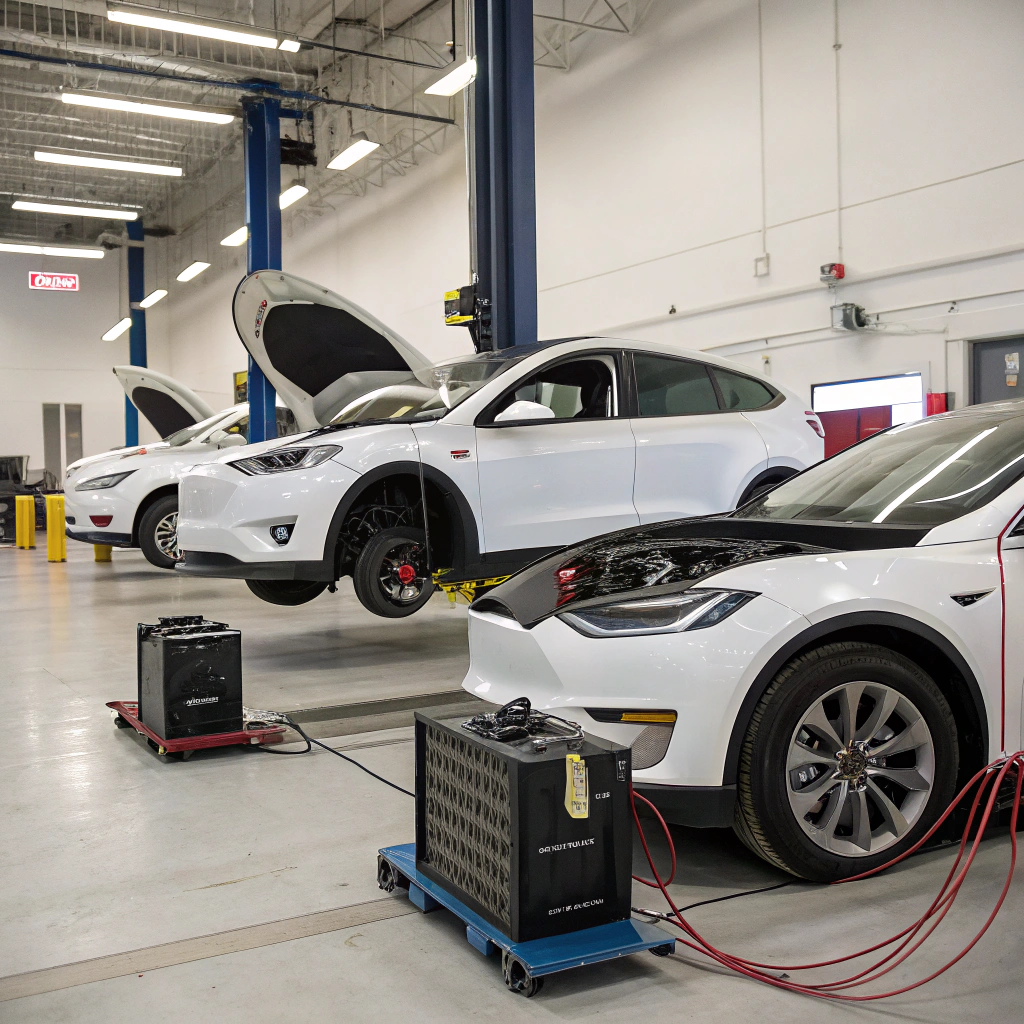
일반적인 자동차 인증
| 표준 | 목적 |
|---|---|
| AEC-Q100/200 | 차량의 전자 신뢰성 보장 |
| ISO 16750 | 진동/온도에서 내구성 검증 |
| IATF 16949 | 자동차 공급업체를 위한 품질 관리 |
| ISO 26262 | 기능 안전(방열판 고장으로 인한 위험 발생 시) |
| RoHS / REACH | 환경 및 자재 규정 준수 |
제 경험에 따르면 전기차 OEM은 방열판에 대해 최소 ISO 16750 수준의 테스트 보고서를 요구합니다. 일부는 진동 및 염수 분무 테스트 데이터도 요구합니다. 저는 제조 전에 항상 고객과 함께 어떤 것이 적용되는지 확인합니다.
IATF 16949는 차량 부품 공급업체를 위한 품질 관리 표준입니다.True
자동 공급망에서 프로세스 일관성과 결함 제어를 보장합니다.
자동차 방열판에는 RoHS 규정 준수가 필요하지 않습니다.False
금속 부품에도 환경 규정이 여전히 적용됩니다.
방열판이 전기 자동차의 진동을 처리할 수 있나요?
도로는 거칠고 전기차는 끊임없이 진동합니다. 방열판이 느슨하면 전선이 끊어지거나 모듈이 과열될 수 있습니다.
예, 방열판은 견고한 설계와 올바른 장착으로 전기 자동차의 지속적인 진동을 견딜 수 있습니다.
진동 방지 설계 방법
| 기술 | 목적 |
|---|---|
| 구조적 리브 | 지느러미와 베이스 강화 |
| 멀티포인트 볼트 | 부하 분산 및 이동 감소 |
| 스프링 와셔 | 충격에도 고정력 유지 |
| 진동 마운트 | 전자기기로부터 충격 차단 |
| 모달 분석 | 자연 주파수 매칭 피하기 |
IEC 60068 진동 표준 또는 실제 도로 테스트를 통해 테스트합니다. 방열판이 한 지점에만 고정되어 있으면 시간이 지나면서 느슨해질 수 있습니다. 그래서 저는 스트레스 스프레더, 캡티브 나사, 풀림 방지 페이스트를 사용합니다. 극한 환경에서는 충격 흡수 폼이나 그로밋을 추가합니다.
전기차의 방열판은 진동 내구성을 테스트해야 합니다.True
장기간의 도로 충격과 움직임에는 진동에 강한 설계가 필요합니다.
방열판은 중앙 볼트 하나로 장착하는 것이 진동 저항에 가장 좋습니다.False
단일 포인트 마운트는 느슨해지기 쉽고 스트레스가 집중되기 쉽습니다.
결론
차량용 방열판은 단순한 냉각 이상의 기능을 제공해야 합니다. 수년간 열, 충격, 부식, 스트레스를 견뎌내야 합니다. 올바른 설계와 표준을 갖춘 방열판은 전기차 시스템을 안전하고 효율적으로 유지하는 데 도움이 됩니다.