알루미늄 압출 보호 필름 요구 사항?

Protective film on aluminum extrusions often feels optional. But skipped films can lead to scratches, dirt or oxidation during transport — a real headache. Proper film choice and use solves these risks before they start.
Aluminum extrusion protective films must meet specific needs: correct film thickness, suitable adhesive, clean surface appearance, and compatibility with surface treatments like anodizing.
Let us walk through why films matter, how thick they should be, when to apply them, and how they affect finishing.
Transitioning from basics to details helps you pick the right film for your extrusion process.
Why are protective films used on aluminum extrusions?
Protective films guard extruded aluminum from scratches, dirt and handling damage during storage, transport, and processing.
Protective films protect aluminium surfaces from scratches, dust and minor impacts until final finishing — they act as a simple shield for extrusions.
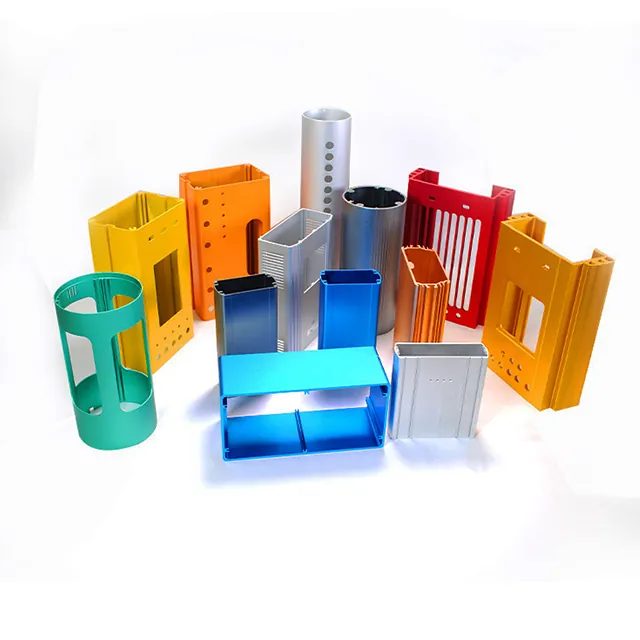
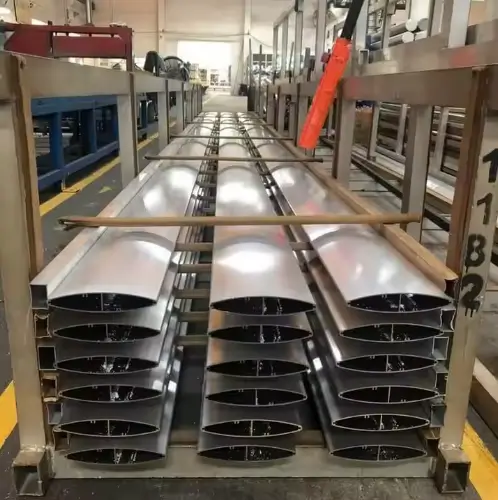
Aluminum extrusions are often handled many times before they reach their end use. Raw extrusions may stand in the warehouse, wait for shipping, be loaded and unloaded, or be cut and processed. Each step risks scratching or denting the visible surfaces. A protective film acts like a thin skin to take the brunt of those hazards. Without film, even gentle contact with pallets, tools, or workers’ gloves may leave marks that are hard to buff out. These marks are often visible after anodizing or painting — ruining the finished look.
Moreover, a film helps keep dust, dirt, oil residues, and fingerprints off the surface. Even tiny dust particles can embed under anodized layers or paint, causing blemishes or uneven coating. For shipping internationally or over long distance, the risk rises. Weather, moisture, and rough handling all add up. Film reduces contact with the environment.
In addition, film can help protect sharp edges or machined corners during CNC processing or bending. Edges might scratch adjacent profiles or damage protective coatings. A suitable film prevents that. It also helps during cutting or storage — if pieces are stacked, film prevents metal-to-metal contact that can scratch surfaces.
The use of film standardizes protection: suppliers know they must send parts with surface shielded, clients know finished parts come clean. Without film, quality may vary widely depending on handling. This inconsistency may lead to rework or rejects.
Overall, protective films offer low cost but high value protection. They reduce scratch risk, maintain surface cleanliness, and ensure consistent finish quality.
| Risk / Issue Without Film | What Film Prevents |
|---|---|
| Scratches from handling or pallets | Surface marks, dents, or scrapes |
| Dirt, dust or oil sticking to surface | Contaminated surfaces that spoil finish |
| Edge damage during stacking or transport | Edge-to-edge scratches or abrasion |
| Fingerprints, oxidation spots | Visible stains after coating |
Protective film helps prevent scratches and surface contamination during transport and processing.True
Film creates a barrier that protects the surface from direct contact, dirt, dust, and handling damage.
Protective film is only for aesthetic purposes and does not reduce actual physical damage risk.False
Film reduces actual abrasion, impact and contamination, not just improve appearance.
How thick should the protective film typically be?
What thickness works best? Usually a film thin enough to follow the profile, but thick enough to absorb handling damage.
Typical protective film thickness is about 40 to 60 microns. This thickness balances flexibility, protection, and easy removal without residue.
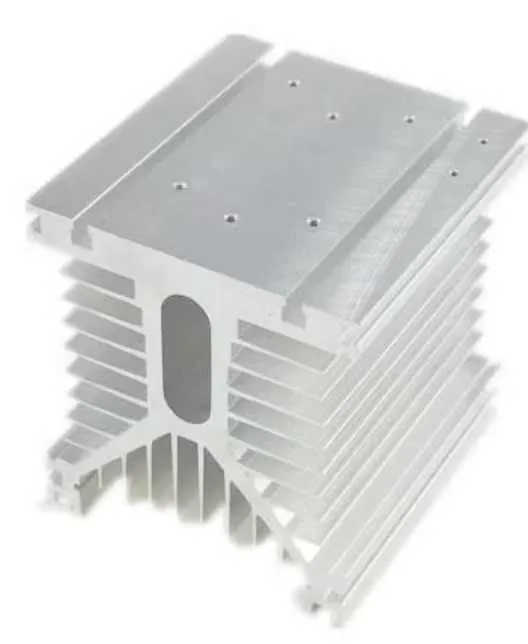
Film thickness matters. Too thin, and it tears or does not protect. Too thick, and it is stiff, hard to conform to complex profiles, or leaves residue. For many aluminum extrusions, a film in the range of 40 to 60 microns (which is about 1.5 to 2.5 mil) works well. This thickness gives decent impact and scratch resistance during handling and transport.
In some heavy-duty cases — for example long extrusion lengths, heavy profiles, or repeated handling — a thicker film (70 to 100 microns) may be used. The thicker film absorbs more energy if a part bumps against a pallet or wall. But thicker film often sticks harder and may leave adhesive residue. Also removal becomes more laborious.
On the other hand, very thin film (20–30 microns) may be used for small or light parts when cost is critical or when parts require tight dimension tolerance. Thin film is easy to remove and leaves little residue but gives minimal protection.
Often film suppliers mark their specification sheets with thickness, adhesive type, release liner, and ambient storage data. It helps to choose film based on profile size, handling steps, storage time, and shipping distance. If the extrusion will be shipped internationally, pass through customs, stored in humid climate, or undergo multiple handling steps, thicker, stronger film is safer.
In summary, a mid‑range film thickness around 40–60 microns suits most extrusion shipments. For heavier demands, more robust film may be selected, but always balance protection vs ease of removal and clean surfaces.
| Scenario / Use Case | Recommended Film Thickness |
|---|---|
| Light parts, local shipping, minimal handling | 25–40 microns |
| Most common extrusions, general transport | 40–60 microns |
| Heavy profiles, long-distance shipping, repeated handling | 60–100 microns |
A 40–60 micron film thickness is usually the best balance for most aluminum extrusions.True
This thickness offers enough protection and still remains easy to remove without residue under common handling conditions.
Always use the thickest film available to prevent any possible damage.False
Thick film can be hard to conform to shapes, may leave residue, and may cause removal difficulties.
Are films applied before or after surface treatment?
Should film go on before or after anodizing, painting or other surface finishes? The sequence matters.
In most workflows, film is applied right after extrusion and before any surface treatment. This ensures protection during storage and handling prior to finishing.
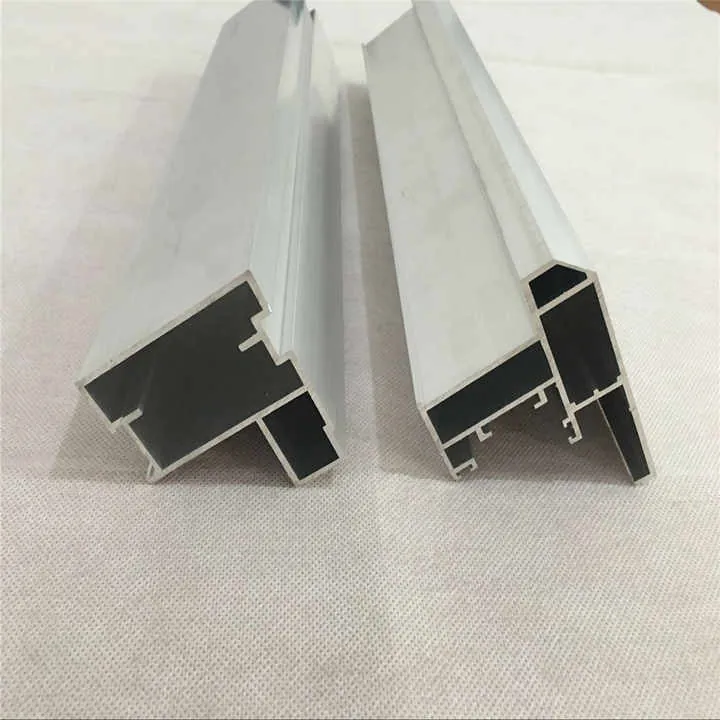
The typical workflow starts with extrusion of the aluminum profile. Right after extrusion, the profile surface is clean and smooth. At this point, applying protective film makes sense because the surface is most vulnerable. Once film is on, handling for cutting, storage, inspection, or packing becomes safer.
Later, before anodizing, painting, or other treatments, the protective film is removed. Then the part is cleaned, etched or rinsed as required. This ensures that the finish process works on bare metal, allowing proper surface adhesion or coating quality. If the film stayed on during treatment, the coating would only stick to film, which would be stripped, leaving no real coating on aluminum.
However, in some cases a film may be applied after surface treatment. For instance, after anodizing and sealing, films can protect the newly finished surface during shipping to the end customer. This helps keep finish clean and free from scratches or stains. But that requires a film compatible with the finish — adhesive must not react with anodized surface, and removal must not damage the oxide layer.
Therefore, decisions rely on intended use. If parts go from extrusion to finishing without long storage or handling, film may stay off until after finishing then applied. If finishing occurs shortly after extrusion, film before finish makes sense for interim protection. For long waiting periods, dual film use (pre‑finish film, then remove, finish, then post‑finish film) sometimes offers best protection.
That said, each additional film application adds cost and risk of contamination or residue. It also adds labor to remove film properly. So many manufacturers limit to a single film applied before finishing, then remove and finish, then pack finished parts without additional film.
In real projects, always confirm with client or downstream process: if anodizing or painting is next, remove film first. If parts go to assembly immediately, film may be skipped. The key rule: finish must bond to bare metal; film is only a transient protector.
Can film type affect anodizing results?
Film type and adhesive composition can impact finish quality. Wrong film may leave residue or cause discoloration during anodizing.
Yes. If film adhesive or backing contains contaminants or incompatible chemicals, finish like anodizing can fail — so choose film certified for surface treatment compatibility.

Anodizing is a chemical process. Aluminum is immersed in acid baths or electrolytic solutions. In this acid environment, any residue from film adhesive, release liner glue, plasticizers or processing agents may dissolve or react. Such contamination can lead to uneven oxide layers, stains, pitting, or weak adhesion of the anodized layer.
For this reason many anodizing shops require film to be fully removed before anodizing. They often wash the aluminum, even scrub with mild solvent, to ensure no film trace remains. If residue remains, the oxide layer may blister, peel or show discoloration. Even tiny film fragments cause defects.
Even if post‑anodizing film is applied, the film must use adhesive and liner that do not outgas or leach chemicals over time. Some inexpensive films use plasticizers or softeners which migrate and leave oily spots. These spots may dull the anodized finish or cause uneven color after sealing. Quality films designed for finished surfaces use stable adhesive that holds tight but leaves no residue, and liners that peel cleanly.
Also the backing film material should be stable: PVC films are common but some PVC grades may leach chlorine or plasticizer during storage or under sunlight, affecting finish quality. Polyethylene films or specially treated PVC with low chlorine content may be safer. Film suppliers often rate their films as "anodizing safe" or "paint safe." Always ask for those ratings if parts will be anodized after film removal or will carry film after anodizing.
In practice, before ordering film, check chemical spec of adhesive, ask for compatibility certificates, and test on sample extrusion through your finishing line. That test helps catch issues early. Never assume any film works.
Post‑anodizing film (if used) must also avoid strong adhesive. Weak adhesive helps avoid damaging oxide layer on removal. Stronger adhesives may strip or scratch oxide, especially on textured or clear‑finish surfaces.
In short: film type matters for finish — wrong film can ruin a carefully anodized surface. Always treat film choice as part of finishing process design.
Using protective film increases risk of anodizing defects if adhesive or backing material is incompatible.True
Contaminants from adhesive or plasticizer can interfere with anodizing chemistry, causing poor oxide bonding or discoloration.
Any protective film will work as long as it is removed before anodizing.False
Some films leave residue or contaminate the surface even after removal; incompatibility may still affect finish quality.
결론
Protective film is more than a wrap — it is a critical layer in aluminum extrusion processing. Choosing proper film, thickness, timing and compatibility helps protect the metal and safeguard finish quality.