알루미늄 압출과 접착 본딩의 호환성?

Many bonded aluminum parts fail long before design life. Debonding, cracking, and sudden separation often appear without warning. These failures usually trace back to poor understanding of aluminum extrusion and adhesive compatibility.
Aluminum extrusion is compatible with adhesive bonding when the correct adhesive system, surface finish, pre-treatment method, and joint design are matched to the application conditions.
Adhesive bonding is not a simple replacement for welding or fasteners. It is a system decision. Each step affects long-term reliability.
What adhesives work best with aluminum surfaces?
Many projects choose adhesives too late. By then, extrusion design and surface state are already fixed. This creates risk.
Structural epoxies, polyurethanes, and acrylic adhesives work best with aluminum surfaces because they provide strong adhesion, gap tolerance, and durability under load and environmental exposure.

Aluminum has a natural oxide layer. Adhesives bond to this oxide, not to pure metal. This makes adhesive chemistry critical.
Structural epoxy adhesives
Epoxy adhesives are the most widely used for aluminum extrusion bonding.
주요 특징
- High shear and peel strength
- Excellent temperature resistance
- Strong chemical resistance
They work well for load-bearing joints. Cure time can be long, but strength is predictable.
Limitations include brittleness and sensitivity to surface contamination.
Polyurethane adhesives
Polyurethane systems offer flexibility. They absorb vibration and thermal movement.
장점으로는 다음과 같습니다:
- 우수한 내충격성
- Better performance under dynamic loads
- Moderate surface preparation tolerance
They are often used in transport and enclosure applications.
Acrylic adhesives
Acrylic adhesives cure fast and tolerate less-than-perfect surfaces.
혜택:
- Fast fixture time
- Good strength on aluminum
- Reduced surface prep needs
However, odor and lower temperature resistance may limit use.
Adhesive selection comparison
| 접착 유형 | 강도 수준 | 유연성 | 일반적인 사용 |
|---|---|---|---|
| 에폭시 | 매우 높음 | 낮음 | 구조 프레임 |
| 폴리우레탄 | Medium | 높음 | Dynamic assemblies |
| 아크릴 | 중간 높음 | Medium | Fast assembly lines |
| 실리콘 | 낮음 | 매우 높음 | Sealing only |
Choosing adhesive based only on strength is a mistake. Environmental exposure, load type, and production speed matter just as much.
From bonding failures reviewed in production, wrong adhesive choice is one of the top three root causes.
Structural epoxies provide the highest load-bearing capability for bonded aluminum extrusions.True
Epoxies offer high shear strength and stable performance when properly applied.
Silicone adhesives are ideal for structural bonding of aluminum extrusions.False
Silicones lack the mechanical strength needed for structural aluminum joints.
How does surface finish affect bond strength?
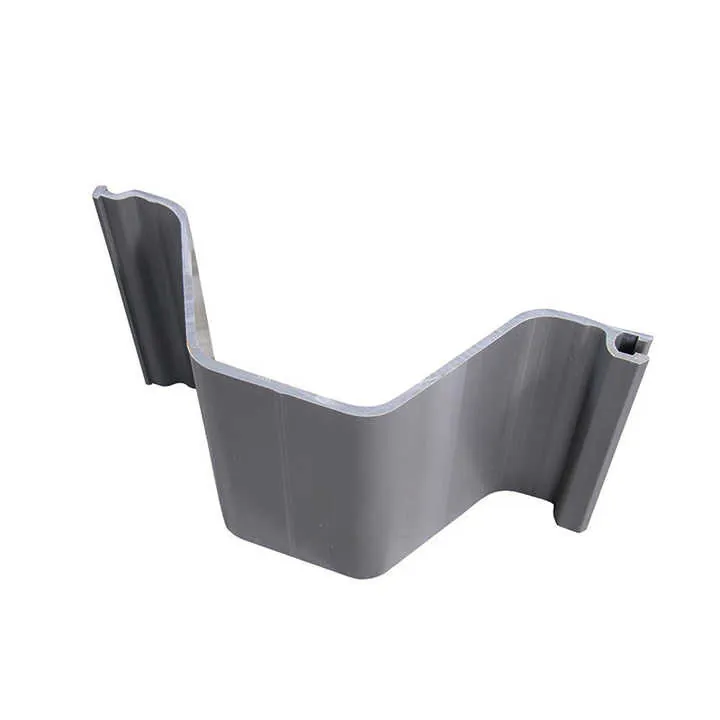
Many bonding problems look like adhesive failure. In reality, they are surface failures.
Surface finish directly affects bond strength because roughness, cleanliness, and oxide condition determine how well adhesive wets and anchors to aluminum surfaces.
Adhesives rely on mechanical interlocking and chemical attraction. Both depend on surface condition.
Smooth versus rough surfaces
Very smooth surfaces reduce mechanical keying. Very rough surfaces trap air and contaminants.
An optimal surface has:
- Controlled roughness
- Uniform texture
- No loose particles
Extruded aluminum often has die lines. These can help or hurt bonding depending on direction and depth.
Effect of anodized surfaces
Anodized aluminum can bond well if done correctly.
요점
- Thin anodic layers are acceptable
- Sealed anodizing reduces bond strength
- Dye residues can interfere with adhesion
For structural bonding, unsealed anodizing or bare aluminum is often preferred.
Influence of surface contamination
일반적인 오염 물질은 다음과 같습니다:
- Oils
- Dust
- Oxide smut
- Handling residues
Even invisible contamination can reduce bond strength by more than 50 percent.
Surface finish and bond performance
| 표면 상태 | Bond Strength Trend | 위험 수준 |
|---|---|---|
| Clean, etched | 매우 높음 | 낮음 |
| As-extruded | Medium | Medium |
| Anodized sealed | 낮음 | 높음 |
| Oily or dusty | 매우 낮음 | 매우 높음 |
Surface finish must be specified early. Leaving it undefined invites inconsistency between batches.
From field experience, consistent surface finish reduces bond variation more than changing adhesive brands.
Controlled surface roughness improves adhesive bonding strength on aluminum extrusions.True
It enhances mechanical interlocking and adhesive wetting.
A smoother aluminum surface always produces stronger adhesive bonds.False
Overly smooth surfaces reduce mechanical anchoring and bond reliability.
Can pre-treatment improve bonding reliability?
Skipping pre-treatment is a common shortcut. It is also one of the most expensive mistakes over time.
Pre-treatment improves bonding reliability by cleaning, activating, and stabilizing aluminum surfaces, ensuring consistent adhesion across production batches.

Pre-treatment does not mean complex chemistry only. Even simple steps make a large difference.
Mechanical pre-treatment
기계적 방법에는 다음이 포함됩니다:
- Light abrasion
- 칫솔질
- Grit blasting
These methods increase surface area and remove weak oxide layers. Control is critical. Over-abrasion causes embedded debris.
Chemical pre-treatment
Chemical treatments are more consistent.
Common methods:
- Alkaline cleaning
- Acid etching
- 변환 코팅
These remove oils and create a chemically active surface.
Conversion coatings and primers
Some bonding systems use primers.
다음과 같은 혜택이 있습니다:
- Improved adhesion
- Corrosion protection
- Process consistency
Primers act as an interface layer between aluminum and adhesive.
Pre-treatment process flow
| 단계 | 목적 | 건너뛰면 위험 |
|---|---|---|
| 청소 | 오일 제거 | Adhesive failure |
| 에칭 | Activate surface | Weak bonding |
| 헹굼 | Prevent residue | 화학 공격 |
| 건조 | Moisture removal | Voids |
Each step builds reliability. Missing one step often shows up months later as delayed failure.
Cost versus reliability
Pre-treatment adds cost and time. However, failure costs are higher. Warranty claims, recalls, and redesigns far exceed pre-treatment expense.
From long-term project reviews, consistent pre-treatment is the strongest predictor of bonded joint success.
Surface pre-treatment significantly improves long-term adhesive bonding reliability.True
It ensures clean and chemically active aluminum surfaces.
Pre-treatment only affects appearance and not bond performance.False
Pre-treatment directly controls adhesion strength and durability.
Which joint designs suit bonded aluminum extrusions?
Even the best adhesive fails in a poor joint design. Geometry matters as much as chemistry.
Bonded aluminum extrusions perform best with joint designs that maximize shear loading, bond area, and stress distribution while minimizing peel and cleavage forces.
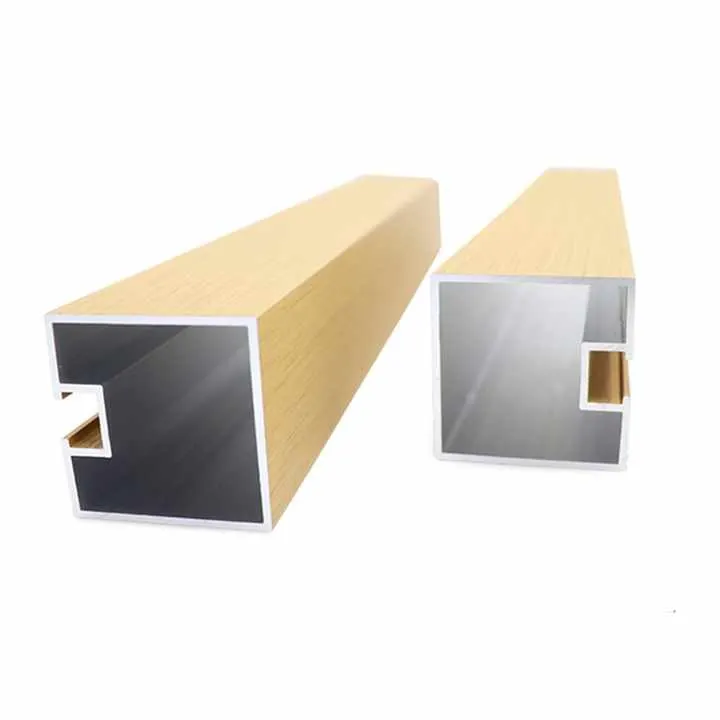
Adhesives are strongest in shear and weakest in peel.
Preferred joint types
Best performing designs include:
- Lap joints
- Scarf joints
- Tongue and groove profiles
These designs spread load over a larger area.
Joint designs to avoid
High-risk designs include:
- Butt joints under tension
- Single-point bonding
- Sharp corner load paths
These concentrate stress and promote crack initiation.
Bond line thickness control
Adhesives need controlled thickness.
Too thin:
- Starved joints
- Poor stress absorption
Too thick:
- 낮은 강도
- Increased creep
Most structural adhesives perform best within a defined thickness range.
Joint design performance comparison
| 조인트 유형 | Load Distribution | 신뢰성 |
|---|---|---|
| Lap joint | 심지어 | 높음 |
| Scarf joint | Very even | 매우 높음 |
| Butt joint | Concentrated | 낮음 |
| Spot bond | Very concentrated | 매우 낮음 |
Design integration with extrusion
Extrusion allows features that help bonding:
- Bonding flanges
- Internal channels
- Alignment ribs
Using these features reduces reliance on adhesive strength alone.
From design reviews, joint geometry errors cause more failures than adhesive selection errors.
Adhesive joints in aluminum extrusions perform best when loaded primarily in shear.True
Shear loading distributes stress evenly across the bond area.
Butt joints under tensile load are ideal for bonded aluminum extrusions.False
They concentrate stress and promote adhesive failure.
결론
Adhesive bonding works well with aluminum extrusions when adhesive choice, surface finish, pre-treatment, and joint design are aligned. Treat bonding as a system decision to achieve stable, long-term performance.