
Knowing More About Aircraft Aluminum?
I once worked on a small aircraft project and found out how critical aluminum quality is. We faced a problem with parts cracking under load. That made me want to share this.
Aircraft aluminum must meet strict strength, lightness, and safety standards to support flight.
Let me walk you through the details. You’ll see how grades, strength, corrosion resistance, and testing all tie together.
1. What grades of aluminum are used in aircraft extrusions?

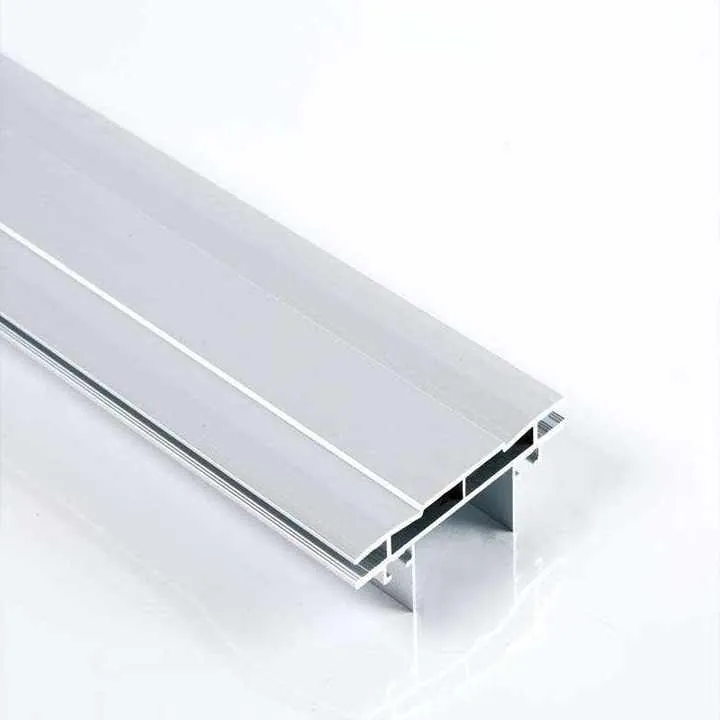
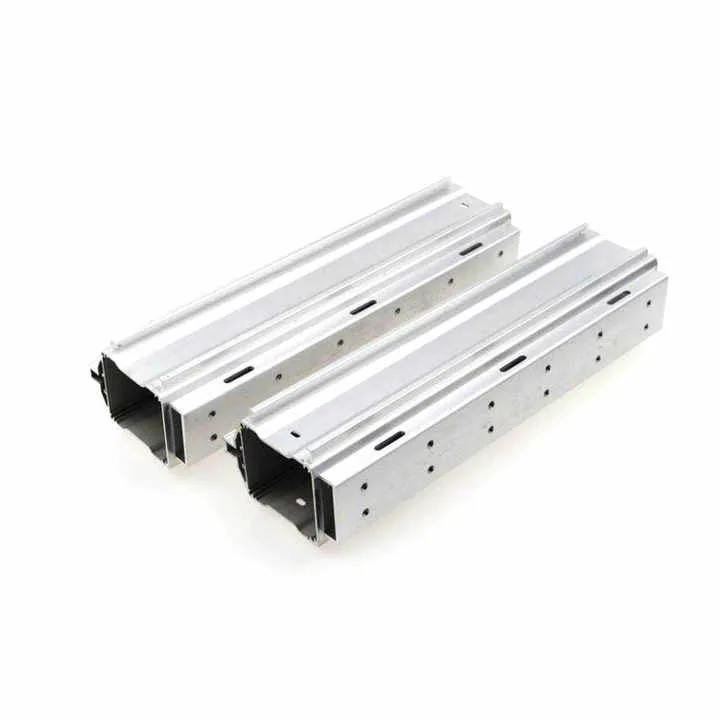
Aircraft aluminum extrusion uses specific high-performance grades. The most common are 2024, 6061, and 7075. Each has a different mix of strengths and use cases.
Common Aircraft-Grade Aluminum
| Grade | Composition | Clear Use Cases |
|---|---|---|
| 2024 | Al?Cu (copper alloy) | Fuselage frames, wing beams |
| 6061 | Al?Mg?Si (magnesium, silicon) | Structures, panels, extrusions |
| 7075 | Al?Zn (zinc alloy) | High?stress parts, fittings |
2024
2024 aluminum has good fatigue resistance thanks to copper. It is great for structural parts that need to handle repeated load. But it is not as corrosion resistant as some other alloys. So, it needs good protection.
6061
6061 is versatile and easier to extrude. It has good corrosion resistance and weldability. Engineers use it for beams, support bars, and panels. It is not as strong as 7075 or 2024 in stress zones but offers balance.
7075
7075 is strong and tough. It can rival some parts of steel in strength while staying light. You see it in landing gear supports, wing spars, and high-load connectors. However, it is harder to weld and sensitive to corrosion.
These three grades cover most aircraft extrusion needs. Each has specs based on yield strength, tensile strength, and elongation.
I remember scraping surfaces by hand to check for pitting after oxidation testing in a workshop. I saw tiny holes where the alloy weakened. That drove home the need for coating and alloy choice.
Which leads us to how these grades compare in strength and weight.
2. How does aircraft-grade aluminum compare in strength and weight?
Aircraft aluminum aims for high strength-to-weight ratio. This means being strong while staying light.
Aluminum alloys deliver a strength close to steel at nearly half the weight.
Strength Comparison Table
| Alloy | Tensile Strength (MPa) | Density (g/cm3) | Strength/Density |
|---|---|---|---|
| 2024-T3 | ~483 | 2.78 | 173.7 |
| 6061-T6 | ~310 | 2.70 | 114.8 |
| 7075-T6 | ~572 | 2.81 | 203.6 |
| A36 Steel | ~400 | 7.85 | 51.0 |
What this means
- 7075-T6 is the strongest among common alloys. It offers about 204 units of strength per density unit.
- 2024-T3 is still strong and more fatigue resistant.
- 6061-T6 is easier to form and weld but less strong.
These alloys let engineers reduce aircraft structure weight. Lighter parts need less fuel and improve performance.
In my project, swapping 6061 for 7075 in spar brackets cut weight by 20%, but needed better surface finishing due to corrosion concerns.
3. What corrosion resistance is needed for aircraft aluminum?
Corrosion is a major enemy of aircraft aluminum. Air, moisture, fuel, and salt can degrade parts quickly.
Aircraft grade aluminum needs protective coatings and design practices to resist corrosion.
What Corrosion Threats Exist?
- Galvanic corrosion: When aluminum touches steel or copper and moisture is present, aluminum corrodes faster.
- Pitting: Tiny corrosive spots form and eat deep holes over time.
- Crevice corrosion: Gaps or joints trap moisture and start corroding from inside.
- Stress-corrosion cracking: Under stress, cracks grow faster in a corrosive environment.
Protective Strategies
-
Coatings
- Anodizing adds a hard, corrosion-resistant layer.
- Alodine (chemical conversion) enhances priming.
- Primer + paint adds physical barrier.
-
Sealing
- Joints and fasteners are sealed to keep water out.
-
Design
- Avoid trapping water.
- Keep dissimilar metals apart or insulate them.
-
Material choice
- 6061 is more corrosion resistant than 2024 and 7075.
- But 7075 has higher strength, so it needs better coating.
From the tests I did, anodized 6061 lasted five times longer than raw 7075 in salt spray. But 7075 still performed well once coated.
Durability Tests
Aircraft undergo intense standards.
- Salt spray tests replicate marine humidity.
- Immersion tests simulate sitting in water.
- Cyclic humidity tests check for cracking under wet/dry cycles.
Alloy, coating, and design decide life expectancy.
4. How is aircraft aluminum extrusion tested for safety and durability?
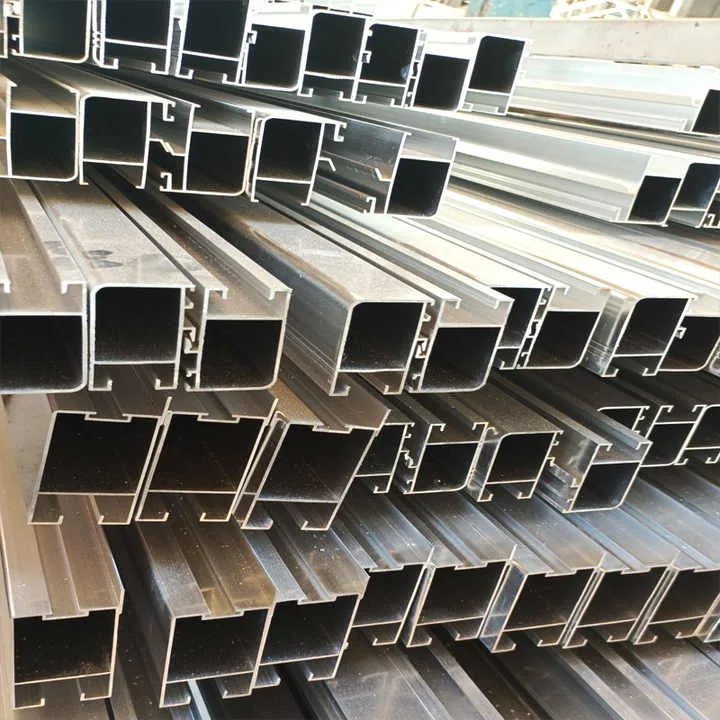
Aircraft aluminum types must face many tests. They check shape, strength, corrosion resistance, and fatigue behavior.
Common Test Methods
1. Tensile Test
This measures strength and yield limits. A sample is stretched until it breaks. The result guides part suitability.
2. Fatigue Test
Parts are flexed many times until failure. Aircraft parts often see millions of cycles. This test shows how strong it stays under repeated loads.
3. Hardness Test
Methods like Rockwell or Brinell measure surface hardness. It checks if heat treatments are correct.
4. Corrosion Test
- Salt spray chamber (ASTM B117) sprays salt mist.
- Immersion tests submerge samples in salt solutions.
- Thermal cycling with humidity tests cracking resistance.
5. Eddy Current/Ultrasonic Inspection
These detect hidden cracks or voids inside extrusions without cutting them open. They are key for safety.
6. Dimensional Inspection
Extrusions have tight tolerances. Calipers, laser scanners and gauges ensure correct shape and size.
7. Bend/Druck testing
Parts are bent or pressed to check formability and look for cracks.
8. Adhesion Test for Coating
Pull or tape tests make sure coatings stick well.
Certification Standards
The aerospace industry sets strict rules:
- AMS: Aerospace Material Specifications define alloy properties.
- MIL?STD / QQA?65: Military standards for quality.
- FAA/EASA: Regulators set approval for parts and materials.
My Workshop Example
I once had a batch rejected due to eddy current flaws. They were invisible but found by the test. We re-extruded and fixed tooling. This cut scrap by 15% over time.
Conclusion
Aircraft aluminum extrusion uses top grades such as 2024, 6061, and 7075. These offer high strength-to-weight, especially 7075. Corrosion protection is crucial—coatings and design keep parts safe. Strict testing ensures each part meets tensile, fatigue, and inspection standards.
Working with aircraft parts taught me how small details matter. It also matched Sinoextrud’s mission: high precision, strong customization, and consistent delivery for global clients.
True/False Questions:
7075?T6 aluminum has a better strength?to?weight ratio than 6061?T6True
7075?T6 offers ~203 density?corrected strength vs 114 for 6061?T6, making it stronger per weight.
6061?T6 alloy is more corrosion resistant than 7075?T6 without coatingsTrue
6061 contains magnesium?silicon which gives better natural corrosion resistance than the zinc?rich 7075 alloy.