アルミニウム押出成形品の1ポンドあたりの価格はいくらですか?
Aluminum extrusion costs can be confusing when price per pound seems to shift daily. Many buyers worry about hidden fees and unpredictable price swings. The reality is that price per pound changes for real reasons.
Price per pound for aluminum extrusions varies widely depending on alloy, order volume, surface treatment, and market conditions. For standard 6063 or 6061 extrusions in common sizes, it often ranges between $0.90 and $2.50 per pound, though special orders or heavy‑duty profiles may go higher or lower.
If you want to understand what influences the cost, how to estimate total purchase cost, or whether recycling helps, read on. This guide breaks down the pricing drivers clearly and simply.
What drives extrusion price changes?
Aluminum prices shift based on demand and supply constraints. Small changes in raw material or fuel cost can push extrusion prices up or down quickly.
Main factors like raw aluminum cost, energy prices, labor, and demand all affect extrusion pricing. These factors combine so even small shifts can change price per pound significantly.

When we think about what drives the price of aluminum extrusions, we need to consider several parts that add up. First, raw aluminum ingot or billet cost is a base. Aluminum price follows global commodity markets. When demand is high or supply tight, raw material cost rises. That rise passes down to extrusion cost.
Second, energy cost matters. Extruding aluminum requires heat and power. If electricity or natural gas costs more, extrusion plants pay more to run presses. That extra cost shows up in price per pound.
Third, labor and overhead. Skilled operators, machine maintenance, quality checks, and factory overhead add to cost. If wages rise or factory overhead increases, price must rise to cover costs.
Fourth, processing details. Surface treatments such as anodizing, electro‑coating, painting, or special coatings add extra steps and materials. Those steps raise the cost per pound compared to plain, mill‑finish extrusions.
Fifth, production volume and complexity. Large orders with simple profiles get lower per‑pound cost because the setup and handling overhead spreads over more pounds. On the other hand, small orders, custom profiles, or complicated cross‑sections need more work per pound, so cost is higher.
Sixth, market demand. When many buyers are placing orders, extrusion houses may raise prices. When demand is low, they may offer discounts or lower rates to attract orders.
Here is a simple breakdown of cost components in a typical extrusion order:
Cost Breakdown Example
| コスト・コンポーネント | Impact on Price per Pound |
|---|---|
| Raw aluminum billet | Major base cost; varies with commodity price |
| Energy (heat / power) | Variable; depends on local energy prices and plant efficiency |
| Labor and overhead | Fixed cost; lower per‑pound for large orders, higher for small runs |
| 表面処理 | Adds extra cost per pound, up to 20–40% more |
| Setup and handling | Extra cost for small or custom orders |
| Market demand | Can shift price up or down quickly |
Because all these parts vary, price per pound is a moving target. That is why one week you may see $1.10/lb and the next $1.40/lb for similar profiles. It is not random.
Extrusion price per pound can actually drop when aluminum commodity prices fall.真
Since raw‑material billet cost is a large part of total cost, a drop in aluminum commodity price leads to lower extrusion cost.
Labor cost has no effect on the final price per pound of extrusion.偽
Labor cost contributes to overhead and setup cost. If labor cost rises, total cost per pound will increase.
Why regional markets affect costs?
Where the extrusion is produced matters a lot. Local energy cost, labor cost, tariffs or shipping fees can add big variations.
Regional differences like energy cost, labor rates, import duties, and shipping fees can change the final price per pound dramatically.

The place where extrusion happens can change how much you pay. First, local raw aluminum supply affects cost. Some regions have easy access to aluminum mills or recycling centers. In those areas, billet cost is lower. In regions far from supply, billet must be shipped, which adds freight cost before extruding. That extra shipping adds to the base cost.
Energy cost varies by region as well. In places with cheap electricity or renewable energy, running extrusion presses costs less. In regions with high utility prices, energy adds more cost per pound.
Labor rates differ a lot across regions and countries. Skilled operators may cost more in developed regions, so extrusion cost per pound is higher. In regions with lower labor cost, that part of the expense is lower. But lower labor cost sometimes brings trade‑offs in quality or speed.
Regulations and environmental rules also matter. In some regions, companies must pay for emissions control, waste disposal, safety compliance. That adds cost overhead. In regions with lax rules or lower compliance cost, producers may offer lower price.
Shipping and trade costs matter especially for export. If you buy extrusions from overseas, cost adds freight, customs, tariffs. That adds per‑pound cost for delivered material.
Finally, demand in local markets influences price. In regions with many manufacturers buying aluminum frames or parts, extrusion shops may be busy and charge more. In regions with little demand, they may lower prices to secure orders.
Because of these regional factors, two identical extrusion orders may cost different amounts if produced in different places. Buyers should ask for delivered cost to their location, not just ex‑factory cost.
Shipping and customs duties can raise the delivered price even if factory price per pound is low.真
Freight cost and duties add to the base price, so delivered cost per pound often ends higher.
All extrusion plants world‑wide charge same price per pound for identical profiles.偽
Differences in region, energy cost, labor, regulations and shipping make price vary widely.
How to calculate purchase totals?
Buying aluminum extrusions means more than per‑pound cost. You must count quantity, waste, and extra services.
To calculate total cost, multiply pounds times price per pound, then add costs for cutting, finishing, shipping, and waste allowance. That gives actual total you will pay.
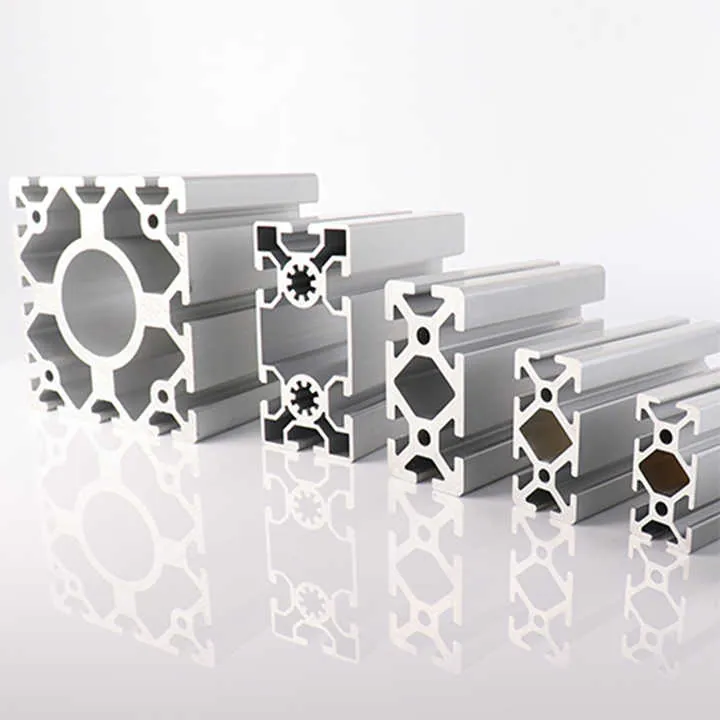
When you get a quote, it often shows a price per pound. But total cost needs more steps. First, estimate how many pounds you need. You use the profile cross‑section area, length of each part, and quantity. Then multiply by density (about 0.10 lb per cubic inch for aluminum) to get pounds. Multiply that by the quoted price per pound.
Then add other costs: processing cost (cutting, CNC, drilling, bending), surface treatment cost, shipping, packaging, and waste. If you have off‑cuts or scrap, factor in scrap rate (often 5–10% extra).
Also factor in whether the extrusion mill offers discounts for large orders or charges premiums for small custom runs.
計算例
| 項目 | 詳細 | Unit Price / Rate | Quantity / Volume | 小計 |
|---|---|---|---|---|
| アルミニウム押出 | 6063‑T5, simple profile | $1.50 per lb | 2000 lb | $3,000 |
| Cutting / CNC work | Custom cuts and holes | $0.20 per lb equivalent | 2000 lb equivalent | $400 |
| 表面処理 | 陽極酸化処理 | $0.30 per lb equivalent | 2000 lb equivalent | $600 |
| Waste allowance | 5% scrap | - | - | ~$150 |
| Shipping / packing | Delivered to site | fixed or per lb | - | e.g. $250 |
| Total cost estimate | ~ $4,400 |
This table shows a sample calculation. In this case, the base price gives $3,000. Extra services and waste raise total to about $4,400.
When you negotiate with a supplier, ask for a full quote with all components. Do not accept just “price per pound”.
Another important point: weight might vary from quoted to actual. Profiles with inside hollows, webs, or complex geometry weigh less per unit length than solid bars. Always confirm weight per foot or meter.
Also check if the quote includes finish and tolerance inspection. Sometimes finishing cost is per piece, not per pound. That changes calculations.
You should always add a 5–10% waste allowance when ordering aluminum extrusions.真
Cutting loss and scrap generates leftover material, so adding waste allowance helps avoid shortage.
Price per pound alone gives you full cost for ready‑to‑install aluminum extrusions.偽
You must add cutting, finishing, waste, shipping and other costs to get final ready‑to‑use cost.
Can recycling lower material cost?
Scrap and recycled aluminum can reduce raw material cost. Many mill houses use recycled aluminum billets. This can lower price.
Using recycled aluminum scrap can reduce raw material cost, but savings depend on scrap quality, processing cost, and alloy purity.

Recycling aluminum scrap helps only if the scrap meets alloy and impurity standards. For extrusion billets like 6063‑T5 or 6061‑T6, purity must match specifications. If scrap is mixed with wrong metals or contaminants, billet quality suffers. That causes weaker extrusions or rejects. Mill houses then need to refine the scrap, which costs time and energy. That cost may offset savings from raw material.
If mill house uses clean, sorted scrap from similar alloy batches, savings come from reduced need to mine ore and cast virgin aluminum. In that case, billet cost may drop. Those savings may pass to buyers as lower price per pound.
But there are trade‑offs. Recycled aluminum may show slightly different mechanical properties, or be more variable in consistency. For high strength or very precise profiles — like aerospace parts or structural frames — mills may avoid recycled input or charge extra for quality assurance.
Also, energy to re‑melt, flux, deoxidize, test and certify recycled billets adds cost. If energy cost is high, savings shrink. When energy cost plus extra processing nearly equals virgin billet cost, price per pound may stay similar.
Some mills share savings with buyers, some keep it internally. So recycled‑content billets do not guarantee a lower per‑pound price. As buyer, you should ask your supplier whether billet is virgin or recycled, and whether price reflects any recycling savings.
Finally, shipping and handling recycled scrap matters. Scrap may come from multiple sources and need sorting. That cost may add overhead.
If your project tolerates slight variation and you care about sustainability, recycled billets can help. If you need strict tolerance, you may accept slightly higher price for virgin billets.
Using recycled aluminum always halves the raw material cost of extrusions.偽
Savings depend on scrap quality, processing energy cost and refinishing; costs may offset savings.
Recycled aluminum billets can reduce extrusion cost when scrap is clean and local.真
Clean, local scrap reduces billet cost and avoids shipping for raw material, leading to lower extrusion cost.
結論
Aluminum extrusion price per pound changes with raw material cost, energy, labor, region, order size, and extras. Always check full quote—not just base price. Factor in waste, finishing, shipping. Ask about billet source if you want recycled savings. With clarity you can get fair cost for your project.