40アルミニウムとその曲げ特性とは?
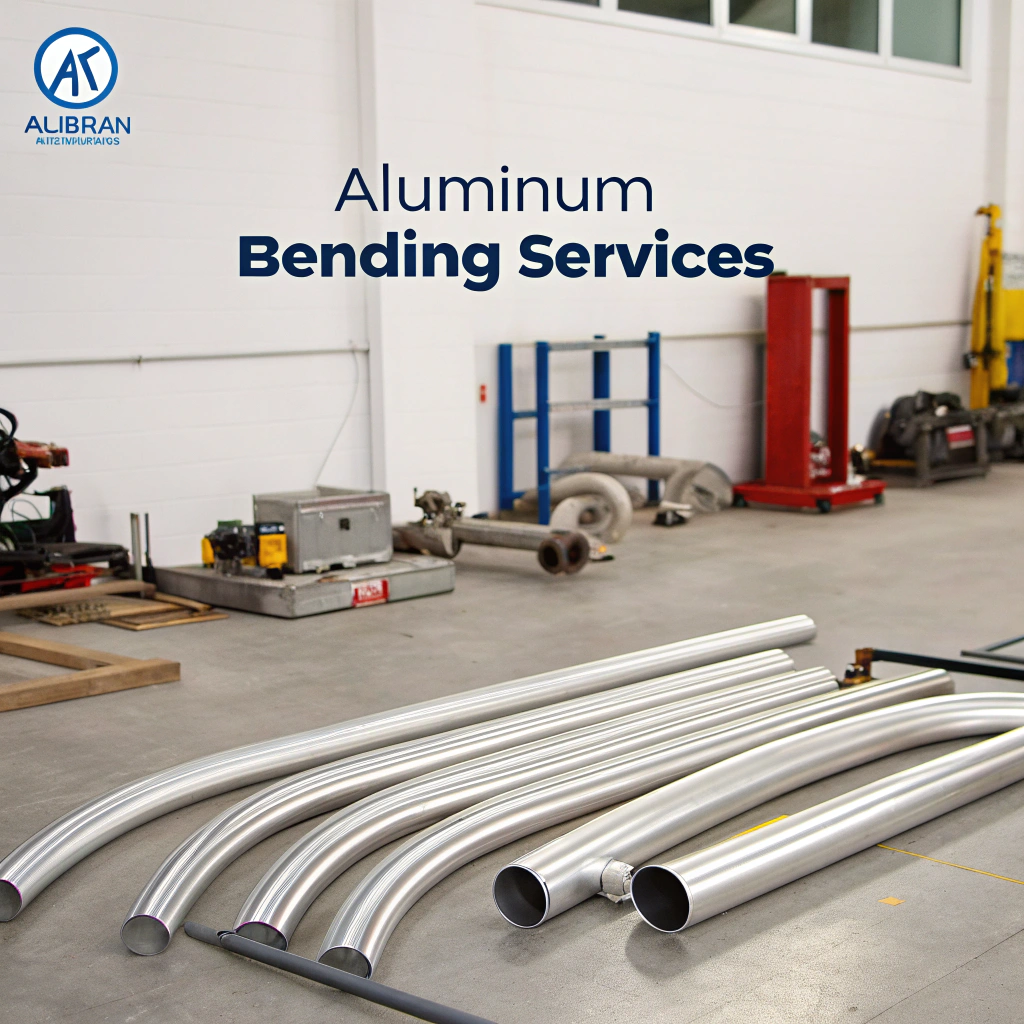
Not all aluminum is made the same. When your project calls for structural tubing, schedule numbers matter — and Schedule 40 aluminum is one of the most requested. But how well does it bend?
Schedule 40 aluminum pipe, typically made from 6061-T6 alloy, offers strength and corrosion resistance but needs proper techniques to avoid cracking during bending.
If you’re designing with it, understanding its behavior under stress can save you time, money, and wasted material.
40アルミニウムとその曲げ特性とは?
Bending aluminum sounds easy—until it cracks. That’s especially true with Schedule 40 aluminum pipe if you’re using the wrong tools or methods.
Schedule 40 aluminum is a standardized pipe size made from 6061-T6 alloy, known for high strength, moderate elongation, and limited bendability in hardened condition.
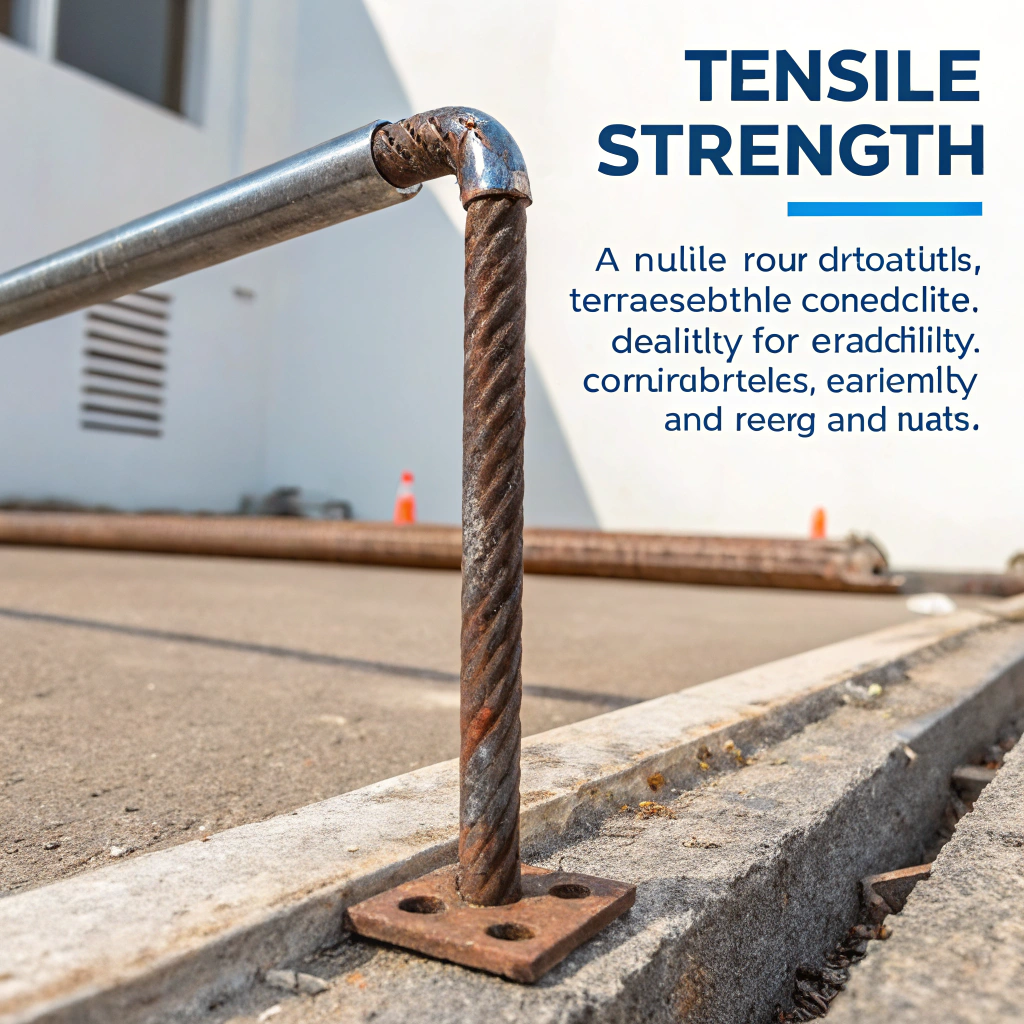
Schedule 40 refers to a standard wall thickness in piping. In aluminum, this typically means a pipe made from 6061-T6 — one of the most widely used aluminum grades in structural and mechanical applications.
Key Bending Properties:
- High Strength (T6 Temper): Great for structural loads, but not ideal for tight bends.
- Moderate Ductility: Around 8–12% elongation — okay for gentle curves, risky for tight radii.
- 耐食性: Ideal for outdoor or marine applications.
| プロパティ | Value/Description |
|---|---|
| 使用合金 | 6061-T6 |
| 引張強度 | ~42,000 psi |
| 伸び | ~8–12% |
| 曲げのリスク | Moderate to High (tight bends) |
| 一般的なアプリケーション | Frames, piping, railings |
Schedule 40 aluminum pipe is usually made from 6061-T6 alloy.真
6061-T6 is the most commonly used alloy for Schedule 40 aluminum due to its strength and availability.
Schedule 40 aluminum bends easily without tools or special handling.偽
6061-T6 in pipe form is strong but prone to cracking during tight bends without proper support or preparation.
How to Determine Minimum Bend Radius for 40 Aluminum?
Bend it too tight—and it snaps. Bend it too loose—and it won’t fit. Getting the radius right is key.
The minimum bend radius for 40 aluminum (6061-T6) typically ranges from 3× to 4× the pipe’s outer diameter, depending on wall thickness and support method.
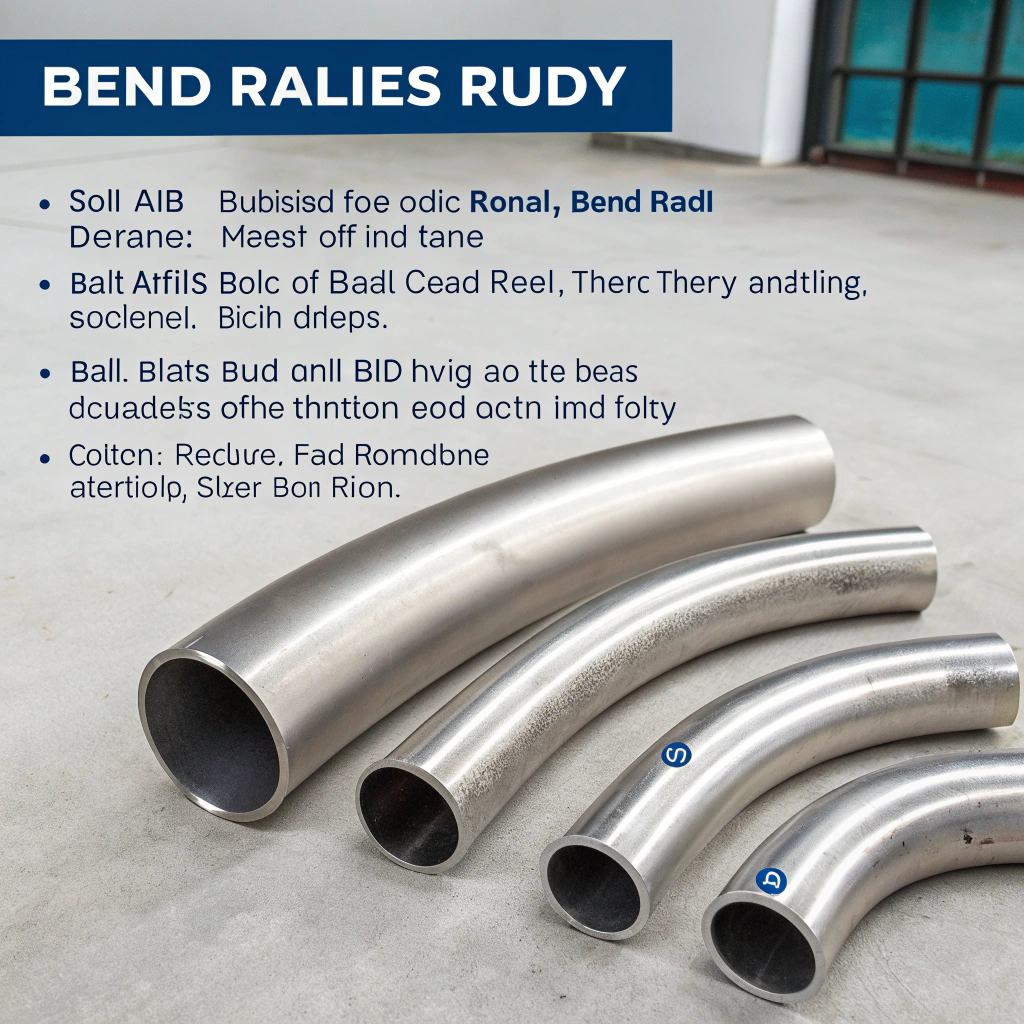
Aluminum pipe doesn’t behave like sheet or bar. Pipe has a hollow structure that can buckle or flatten if not handled correctly.
1. Start with the Outer Diameter (OD)
You’ll need the nominal pipe size and wall thickness. For example:
| Nominal Pipe Size | OD (inches) | Wall Thickness (inches) |
|---|---|---|
| 1" Schedule 40 | 1.315" | 0.133" |
| 2" Schedule 40 | 2.375" | 0.154" |
2. Apply Radius Formula
Use this quick reference rule:
- Soft Alloy (e.g., 6063-O): Bend Radius ≈ 2× OD
- 6061-T6 (Hard Alloy): Bend Radius ≈ 3–4× OD (minimum)
3. Adjust for Wall Thickness
Thicker walls handle tighter bends better. Thin walls collapse easily, especially if unsupported.
| 合金 | テンパー | Suggested Min. Bend Radius |
|---|---|---|
| 6061 | T6 | 3×–4× OD |
| 6063 | T5 | 2×–3× OD |
Minimum bend radius for 6061-T6 aluminum pipe should be at least 3 times its outer diameter.真
6061-T6 is a hard alloy with limited elongation, requiring a larger bend radius to prevent cracking.
Wall thickness has no effect on how tightly aluminum pipe can be bent.偽
Thicker walls offer more resistance to collapse during bending, enabling tighter curves with less risk.
What Tools Are Used in 40 Aluminum Bending?
Trying to bend a pipe with your hands is a bad idea. Without the right equipment, you’re risking failure.
Specialized tools like mandrel benders, roll benders, and heat-assisted systems are used to safely bend 40 aluminum pipe without damage.
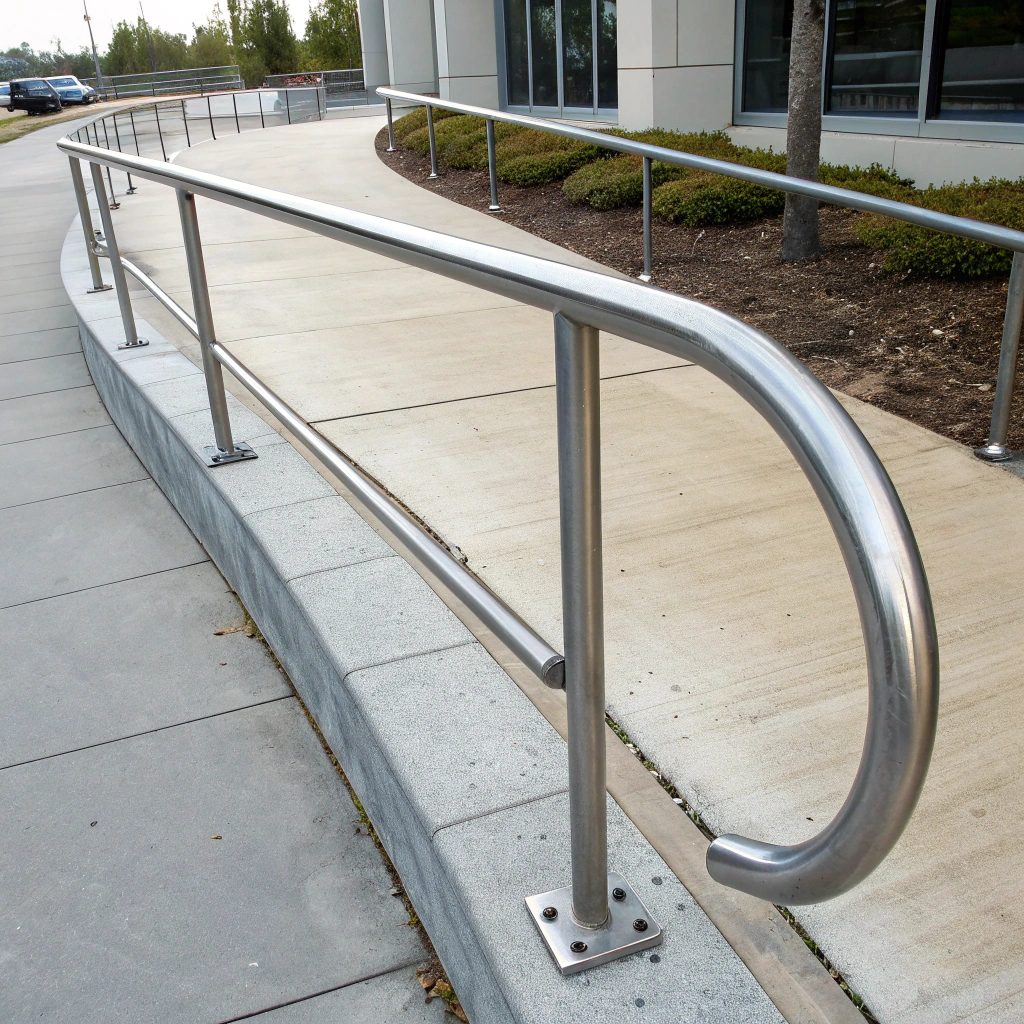
Key Tools for Pipe Bending:
マンドレル曲げ
- Ideal for tight-radius bends
- Uses an internal rod to support pipe interior
- Prevents collapse or wrinkling
ロール曲げ
- Best for gradual, large-radius curves
- Uses multiple rollers to form the shape
- Maintains circular cross-section
ロータリー・ドロー・ベンディング
- Precision CNC-controlled bending
- Suitable for repeatable, tight-radius bends
- Often used in railings or frames
Heat-Assisted Bending
- Softens 6061-T6 to reduce cracking
- Often used in prep for tighter bends
- Requires temperature control and experience
| ツールタイプ | ベスト・ユースケース | ベネフィット |
|---|---|---|
| Mandrel Bender | Tight bends, thin wall pipe | Maintains round shape |
| ロールベンダー | Large curves, thick pipes | Minimal deformation |
| ロータリー・ドロー | 精密アプリケーション | Consistent and accurate bends |
| Heat-Assisted | Hard temper alloys (T6) | Prevents cracking, smoother bend |
Mandrel bending is effective in preserving the internal shape of aluminum pipe.真
The mandrel supports the inside of the pipe during bending, preventing collapse or wrinkling.
Roll bending is suitable for very tight curves on small-diameter aluminum pipe.偽
Roll bending is better for gradual curves; tight bends require mandrel or rotary draw methods.
How to Prevent Deformation When Bending 40 Aluminum?
Nothing is worse than a flattened bend or a cracked pipe. It’s avoidable — if you plan ahead.
To prevent deformation, use a large enough bend radius, apply internal support (like a mandrel), and consider heating hard-tempered aluminum before bending.
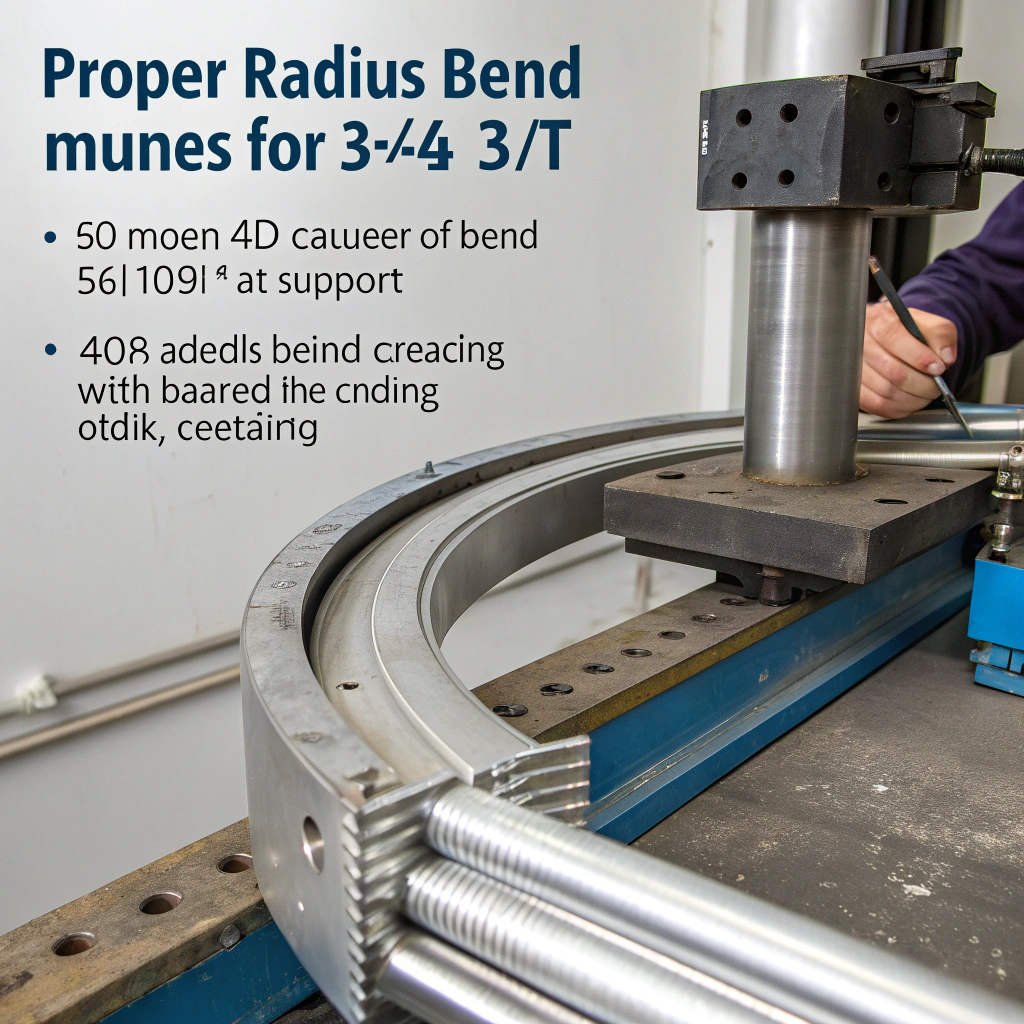
Tips to Avoid Problems:
1. Use a Proper Radius
Stick to 3×–4× OD or more for 6061-T6. Forcing tighter bends increases risk of cracking.
2. Support the Inside
Always use mandrels or packed sand to avoid collapse in thin-wall pipes.
3. Heat Treat if Needed
6061-T6 can be annealed or preheated before bending. This makes the pipe more ductile.
4. Test Bend First
Don’t commit until you’ve tested a sample. It’s worth the extra time to verify wall integrity.
5. Inspect the Bend
Use visual inspection, wall thickness gauges, and form-fit tests to confirm success.
| 問題 | Prevention Technique |
|---|---|
| Pipe Flattening | Use mandrel or thicker walls |
| Cracking at Bend | Preheat or use larger radius |
| Kinked Curves | Reduce bend angle per section |
| Wrinkling | Internal support + right speed |
Using internal support like a mandrel helps prevent pipe collapse during bending.真
Mandrels provide resistance to inward force, allowing the tube to bend while keeping its shape.
6061-T6 aluminum can be bent tightly without any special preparation.偽
6061-T6 is hardened and prone to cracking; it often needs heat or large-radius tools for successful bending.
結論
Bending Schedule 40 aluminum pipe — especially 6061-T6 — requires the right approach. You need to calculate safe radius limits, use proper tools like mandrel benders, and watch for deformation signs. Do it right, and you get strong, clean curves that perform under pressure.