アルミ押出プレスにおけるダイの交換方法
Changing the die on an aluminum extrusion press is a critical operation. If done incorrectly it can cause misalignment, downtime, defects, or safety risks.
A proper die change includes safely removing the old die, pre‑heating the new die, aligning and installing it correctly, and verifying its positioning before production begins.
Let’s explore each of the major steps in detail so you can manage the process confidently.
What steps remove an old die?

When removing the existing die from an extrusion press you should follow a clear sequence to ensure safety and efficiency.
First, you shut down the press and lock out energy sources so there is no accidental start‑up. Next, you allow the press, container and tooling to cool sufficiently to avoid burns or thermal damage during handling. Then you clean the area around the die slide, reel out or remove any tooling clamps or bolts that secure the die assembly. You use appropriate lifting equipment (crane, hoist) to support the die as you loosen connection bolts; once the die is free you slowly lift it out of the press, making sure all personnel clear the path of travel.
After removal you inspect the die assembly: check the die plate, die ring, backer, bolster and any inserts for visible wear, cracks, scale or deformation. You clean the tooling surfaces and store the die (if it is reusable) or scrap it if too worn. You also check the receiving slide and bolster for any damage or residue from the previous run.
From what I’ve seen, failure to clean properly or skip the inspection results in repeat mis‑alignment or speed reductions in the next run. Remove all old tooling carefully, document the condition of the die, and prepare the press for installation of the new die.
The old die can be removed without cooling the press first.偽
Cooling the press and tooling is required to avoid operator injury and thermal damage during removal.
Inspecting the removed die can reveal problems that will affect the next run.真
Wear or deformation noted on the removed die often indicates underlying alignment or flow issues that must be corrected before reuse.
Why preheating new dies is required?
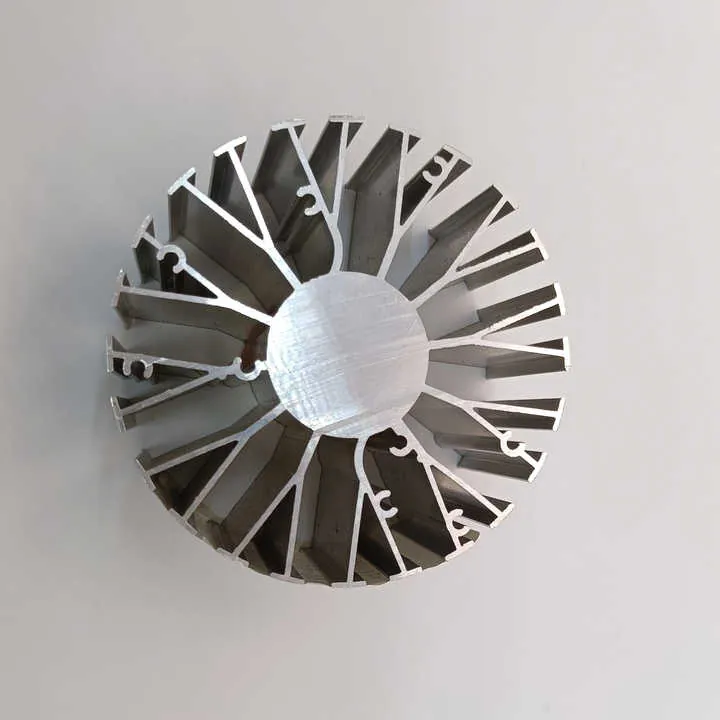
Preheating the new die before installation is essential for achieving consistent extrusion performance and extending tool life. The die must reach operating temperature so when hot aluminum flows through, the tooling experiences minimal thermal shock and stable dimensions.
In the aluminium extrusion process, dies are often heated in a die oven to several hundred degrees Celsius before use. Heating the die helps to maintain even flow, reduce die wear, and avoid defects such as weld lines or incomplete fill. If the die is installed cold, when the hot aluminum hits the die the rapid temperature change may lead to differential expansion, increased friction, die cracking or distortion, all of which degrade product quality.
In my experience I saw a new die installed without sufficient preheat and the first several extrusions had higher scrap due to under‑fill and weld lines. After we reran the heating cycle and reinstalled the die correctly, scrap dropped significantly. That confirmed to me how important preheating is.
Installing a die cold is acceptable if you run only a few billets.偽
Even short runs benefit from a pre‑heated die, since thermal shock and misalignment risks are present regardless of run length.
Preheating the die improves metal flow consistency and tool life.真
A die brought to the correct temperature provides a stable boundary condition, lower wear, and more uniform extrusion.
How to align die safely during installation?

Proper alignment of the die during installation on the press is vital for correct profile geometry, safe operation and tool longevity. If the die is mis‑aligned the profile may be off‑shape, scrap increases, and the tooling may suffer increased wear.
Here’s a reliable approach:
- 準備: Clean and inspect the die slide, bolster, backer and container mounting surfaces. Remove burrs, oxide, debris—any irregularity may tilt the die or introduce a gap.
- Lift and place: Use an overhead crane/hoist with rigging that allows fine positioning of the die. Slowly lower the die into the die slide or die holder, ensuring no contact with the press surfaces until in correct position.
- Initial positioning: Engage locating features such as dowel pins, key slots or die rings to set the die roughly.
- Bolt‑up sequence: Tighten mounting bolts in a star or cross pattern to avoid uneven loading. Use torque values recommended by the press or die manufacturer.
- Fine alignment checks: Use dial indicators or laser alignment tools to verify run‑out, concentricity, tilt and height of the die relative to the ram axis. Check that the die opening is centred and the bolster stack height is correct.
- Test and verify: Before full production, run a short trial with scrap material to check profile dimensions, surface finish and absence of defects. If any issue appears stop, realign and retest.
Safety is also important: ensure the press is locked out during installation, operators stay clear of the die lift path, and hot tooling surfaces are handled with care.
Once the die is bolted in, no further alignment checks are needed.偽
Thermal expansion, press loading and tooling wear may shift alignment; final verification and trial run are necessary.
Fine alignment using indicators and test runs prevents quality issues downstream.真
Proper alignment reduces scrap, improves dimensional accuracy and extends die life.
Can sensors verify die positioning?

Yes—modern extrusion presses increasingly use sensors and monitoring systems to verify die seating and alignment before production begins. These systems offer added assurance and reduce start‑up scrap.
Examples of sensor and monitoring methods:
- Proximity sensors or laser distance gauges that check whether the die face is correctly seated in the die holder and no gap remains between the die and bolster.
- Strain gauges on the bolster or backer to detect uneven loading or misalignment in the die stack under press pressure.
- Thermal sensors on the die and bolster to confirm they have reached proper pre‑heat temperature before extrusion begins.
- Position encoders that record the insertion height or coordinates of the tooling for repeatability when the same die is reused.
When you incorporate sensor verification into your die change routine your benefits include fewer trial scrap parts, better first‑pass quality, and early detection of mis‑seating or mounting drift. In practice I recommend including a sensor check step in your die change checklist: confirm readings are within tolerance, then proceed to test extrusion rather than jumping directly into production.
Sensors alone guarantee perfect die alignment without any manual checks.偽
Sensors aid verification, but manual inspection, alignment gauges and a short test run are still required.
Using sensors to verify seating and alignment reduces trial‑run scrap.真
Sensor feedback gives early warning of mis‑alignment or tool seating issues, reducing start‑up waste.
結論
Changing the die on an aluminum extrusion press is a process that must be executed carefully. You remove the old die safely, pre‑heat the new die to correct temperature, install and align it precisely, then verify positioning (often with sensors) before full production. Follow these steps closely and you will reduce downtime, avoid tooling damage and start the extrusion run with optimal conditions.