アルミニウム押出材は海洋環境に適していますか?
Marine projects fail faster than expected when corrosion is underestimated. Salt, moisture, and heat attack metal every day. Many buyers choose aluminum without checking marine limits. This leads to surface damage, strength loss, and early replacement.
Aluminum extrusions can be suitable for marine environments only when corrosion resistance, alloy choice, and surface protection are correctly matched to seawater exposure conditions.
Marine use is not one single condition. Coastal air, splash zones, and full seawater immersion all create different risks. This article explains what aluminum extrusion really needs to survive in marine environments and how buyers can reduce long term failure.
What corrosion resistance is needed for marine use?
Marine corrosion is aggressive and constant. Many metals look fine at first. After months, damage appears. Aluminum works well, but only with the right resistance level.
Marine aluminum extrusions must resist chloride attack, pitting corrosion, and galvanic corrosion to remain stable in seawater and coastal environments.
Salt in seawater contains chlorides. These ions break down protective oxide layers. Once pitting starts, it spreads fast and weakens the profile.
Types of marine corrosion
Marine environments cause more than one corrosion type. Each must be considered during design.
孔食
This is the most common issue. Small pits form on the surface and grow deeper. They are hard to detect early and reduce load capacity.
隙間腐食
This happens in joints, bolts, and tight gaps. Salt water gets trapped and oxygen levels drop. Corrosion accelerates in these zones.
ガルバニック腐食
This occurs when aluminum contacts dissimilar metals like steel or copper in seawater. Aluminum becomes the sacrificial metal and corrodes faster.
Resistance levels required
Not all marine projects need the same resistance. Exposure level defines requirements.
| Exposure Level | Typical Environment | 必要な抵抗 |
|---|---|---|
| Coastal air | Near sea, no splash | ミディアム |
| Splash zone | Decks, docks | 高い |
| Full immersion | Hulls, frames | 非常に高い |
Buyers should define exposure clearly. Vague terms like “marine grade” are not enough.
Practical control measures
In real production, corrosion resistance depends on more than alloy name.
良い実践例には以下が含まれます:
- Avoiding sharp corners where water stays
- Designing drainage paths
- Isolating aluminum from steel fasteners
These simple steps reduce corrosion risk without large cost increases.
Marine aluminum extrusions must resist pitting and galvanic corrosion.真
Seawater chlorides and dissimilar metals create these corrosion types.
All aluminum extrusions have the same corrosion resistance in seawater.偽
Corrosion resistance varies greatly by alloy and surface treatment.
How do salt spray tests assess suitability?
Many buyers rely on lab tests to judge marine performance. Salt spray testing is the most common method. However, it is often misunderstood.
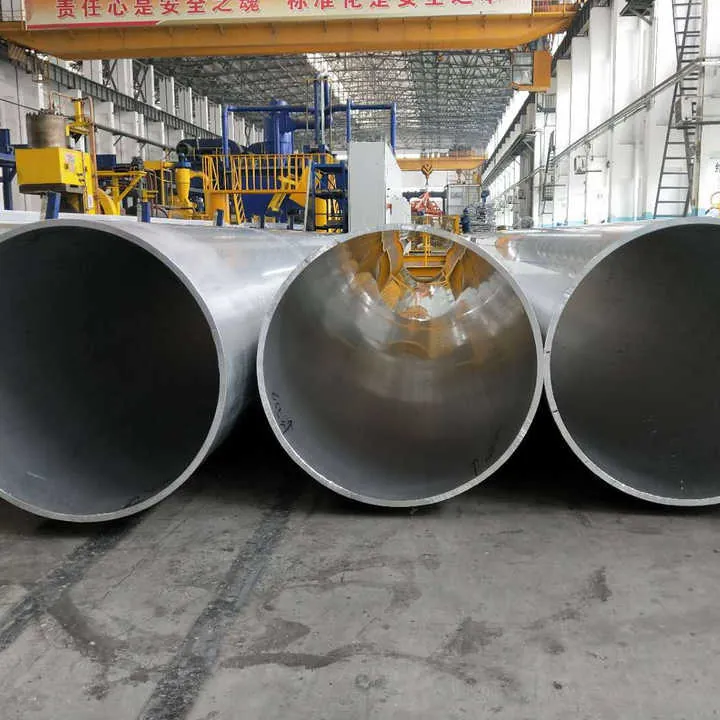
Salt spray tests evaluate surface corrosion resistance by exposing aluminum extrusions to a controlled salt fog for a defined time period.
What salt spray tests actually show
Salt spray tests simulate an aggressive chloride environment. Samples are placed in a chamber with continuous salt mist.
The test mainly checks:
- Coating quality
- 表面処理
- Uniformity of protection
It does not fully simulate real marine life cycles.
Typical test standards
Different projects use different test durations. Longer time does not always mean better performance in real life.
| Test Duration | Typical Meaning |
|---|---|
| 240 hours | Basic coating check |
| 500 hours | Moderate marine use |
| 1000 hours | Severe exposure reference |
These numbers help compare suppliers. They should not be the only decision factor.
Limits of salt spray testing
Salt spray tests are static. Real marine environments are dynamic. Drying, sunlight, and temperature changes also affect corrosion.
Because of this, a product that passes long salt spray tests may still fail outdoors if:
- Design traps water
- Coating is damaged in service
- Dissimilar metals are not isolated
How buyers should use test results
Salt spray results work best as a screening tool. They help reject poor coatings early.
Good buyers:
- Combine test results with field data
- Inspect coating thickness and adhesion
- Require consistent batch testing
This approach gives a more reliable view of marine suitability.
Salt spray tests are mainly used to compare corrosion resistance of coatings.真
They focus on surface protection under chloride exposure.
Salt spray tests perfectly replicate real marine environments.偽
They do not simulate drying, UV, or mechanical damage.
Can coated extrusions withstand seawater exposure long-term?
Coatings protect aluminum from corrosion. Still, not all coatings perform the same in seawater. Wrong choices lead to peeling and under film corrosion.
Coated aluminum extrusions can withstand long term seawater exposure only when coating type, thickness, and surface preparation are properly controlled.

Common coatings for marine aluminum
Different coatings serve different needs.
陽極酸化処理
Anodizing thickens the natural oxide layer. Marine anodizing uses greater thickness than decorative finishes. It improves corrosion resistance but remains porous without sealing.
パウダーコーティング
Powder coating creates a barrier layer. It protects well when intact. Damage allows seawater to reach aluminum underneath.
Marine paint systems
Multi layer paint systems provide the highest protection. They are common in offshore structures.
Coating performance comparison
| コーティング・タイプ | Marine Durability | メンテナンスの必要性 |
|---|---|---|
| クリアアルマイト処理 | ミディアム | 低い |
| 硬質アルマイト | 高い | 低い |
| パウダーコート | 中~高 | ミディアム |
| Paint system | 非常に高い | 高い |
This table shows trade offs between durability and upkeep.
Failure modes seen in practice
In real projects, coating failure often starts at edges and fastener holes. Mechanical damage during installation is another common cause.
Once coating is breached:
- Corrosion spreads under the film
- Repairs are difficult
- Structural strength reduces over time
Design and handling advice
Long term success depends on more than coating choice.
Best practices include:
- Rounding edges before coating
- Using touch up after drilling
- Regular inspection schedules
These steps extend service life and reduce total cost.
Coatings protect aluminum extrusions from direct seawater contact.真
They act as a barrier against chloride attack.
Once coated, aluminum extrusions need no maintenance in marine use.偽
Damage and wear require inspection and repair.
Which alloys offer best marine durability?
Alloy choice is the foundation of marine performance. Some alloys resist seawater naturally. Others fail quickly even with coating.
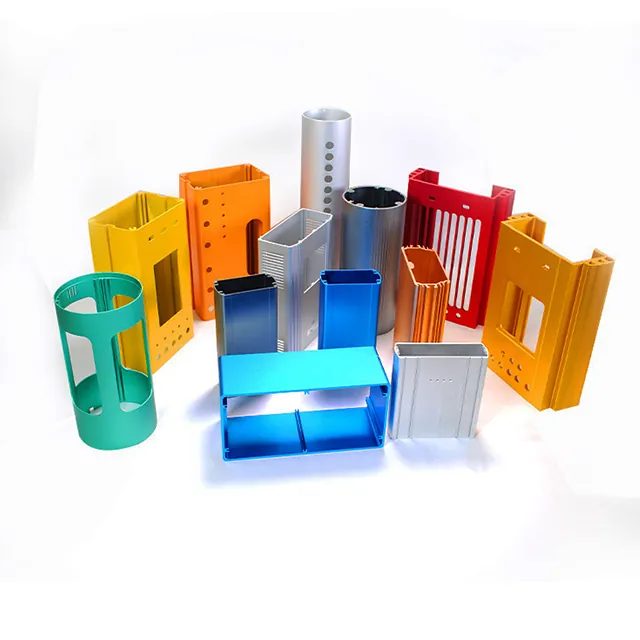
Aluminum extrusions with best marine durability usually come from 5xxx and selected 6xxx alloy series due to their strong resistance to chloride corrosion.
Why alloy chemistry matters
Alloying elements change corrosion behavior. Magnesium improves seawater resistance. Copper reduces it.
This is why some strong alloys perform poorly in marine use.
Common marine aluminum alloys
| 合金シリーズ | Marine Performance | 典型的な使用例 |
|---|---|---|
| 5xxx | 素晴らしい | 海洋構造物 |
| 6063 | グッド | Coastal frames |
| 6061 | ミディアム | Mixed environments |
| 2xxx | 貧しい | 推奨されません |
This table gives a quick selection guide.
Strength versus durability balance
Marine projects often require both strength and corrosion resistance. Designers must balance these needs.
5xxx alloys offer great corrosion resistance but lower extrusion complexity. 6xxx alloys allow complex shapes with acceptable marine durability when coated.
Lessons from field experience
Many failures come from copying non marine designs. Indoor alloys are used outdoors without review.
Successful projects:
- Define marine exposure early
- Select alloy first, coating second
- Avoid copper rich alloys
This approach reduces risk and improves long term reliability.
5xxx series aluminum alloys offer excellent marine corrosion resistance.真
Magnesium rich chemistry resists chloride attack well.
Copper containing aluminum alloys are ideal for marine environments.偽
Copper reduces corrosion resistance in seawater.
結論
Aluminum extrusions can work well in marine environments when corrosion risks are fully addressed. Alloy choice, coating system, and testing must match real exposure conditions. Clear definitions and good design prevent early failure.