アルミニウム押出成形品の耐薬品性データ?

化学物質への暴露は、多くのプロジェクトで無言のリスクとなっている。多くのバイヤーは、アルミニウムは常に安全だと思い込んでいます。その間違った思い込みは、しばしば腐食、故障、コストロスにつながります。.
アルミニウム押出材は、多くの一般的な環境に対して優れた耐薬品性を持つが、耐薬品性のレベルは合金、表面状態、化学物質の種類によって異なる。.
多くのバイヤーが耐薬品性データを求めますが、その読み方を知っている人はほとんどいません。この記事では、実際の製造経験に基づき、アルミニウム押出材の耐薬品性をわかりやすく実践的な言葉で説明します。.
アルミニウム押出材はどのような化学薬品に耐性がありますか?
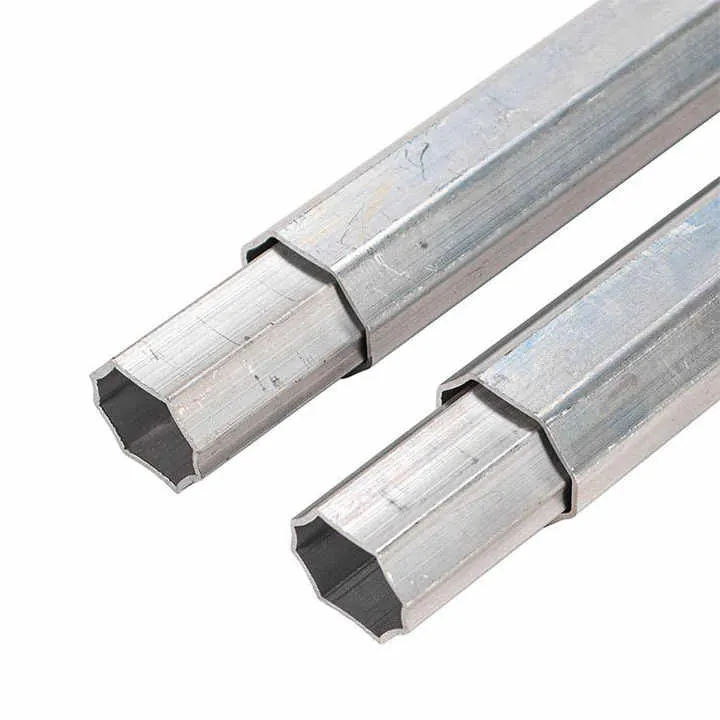
ケミカル・ダメージは多くの場合、ゆっくりと起こります。変色から始まる。次に孔食が現れる。そして最終的に、プロファイルは強度を失います。アルミニウムがどのような化学薬品に耐えられるかを知ることで、多くの不具合を避けることができます。.
アルミニウム押出材は、水、空気、アルコール、弱酸など、多くの中性で穏やかな化学薬品には耐性を示すが、強酸や強アルカリには強く反応する。.
この耐性は、アルミニウムの表面に形成される天然の酸化皮膜に由来する。この層は薄いものの、多くの環境で安定している。.
ナチュラル・オキサイド・プロテクション
アルミニウムが空気に触れると、酸化皮膜が形成される。この皮膜は緻密で、金属表面に密着している。酸素や水分が母材に到達するのを妨げます。.
そのためアルミニウムは、屋外での使用や乾燥した屋内、温和な工業環境で優れた性能を発揮します。.
アルミニウムは通常、耐薬品性に優れている。
日常的・工業的な使用において、アルミニウム押出材は多くの物質に対して強い耐性を示します。.
| 化学タイプ | 抵抗レベル | 典型的な使用環境 |
|---|---|---|
| 淡水 | 素晴らしい | 冷却システム |
| 海水 | グッド | 海洋構造物 |
| アルコール類 | 素晴らしい | 洗浄工程 |
| 弱い有機酸 | グッド | 食品設備 |
| オイルと燃料 | 素晴らしい | 機械フレーム |
これらの化学薬品は酸化被膜をすぐに分解することはありません。多くの場合、アルミニウムは目に見えるダメージを受けることなく何十年も使用できます。.
アルミニウムが耐性を示さない化学物質
一部の化学薬品はアルミニウムを強力に攻撃します。酸化皮膜を破壊し、母材を露出させます。.
| 化学タイプ | 反応リスク | 典型的なダメージ |
|---|---|---|
| 強酸 | 高い | 孔食と質量減少 |
| 強アルカリ | 非常に高い | 迅速なサーフェス・アタック |
| 高熱での塩化物 | 中~高 | 局部腐食 |
| 水銀化合物 | エクストリーム | 構造的故障 |
そのため、化学工場では特別な保護を施さない限り、アルミニウムを使用しないところもある。.
合金の違いは重要
すべてのアルミニウム押出材が同じ挙動を示すわけではありません。6063合金と6061合金が一般的ですが、その抵抗は同じではありません。.
6063は表面品質と耐食性に優れる。6061は強度が高いが、条件によっては耐薬品性がやや劣る。.
この違いは、長期の暴露環境では重要になる。.
アルミニウム押出材は、安定した酸化皮膜により、水や空気、多くの穏やかな化学薬品に自然に耐える。.真
酸化皮膜は自動的に形成され、多くの一般的な環境においてアルミニウムを保護する。.
アルミニウム押出材は、表面処理なしですべての強酸とアルカリに安全に耐えることができます。.偽
強酸や強アルカリは酸化被膜を破壊し、アルミニウムを素早く攻撃する。.
表面コーティングは耐薬品性にどのような影響を与えますか?
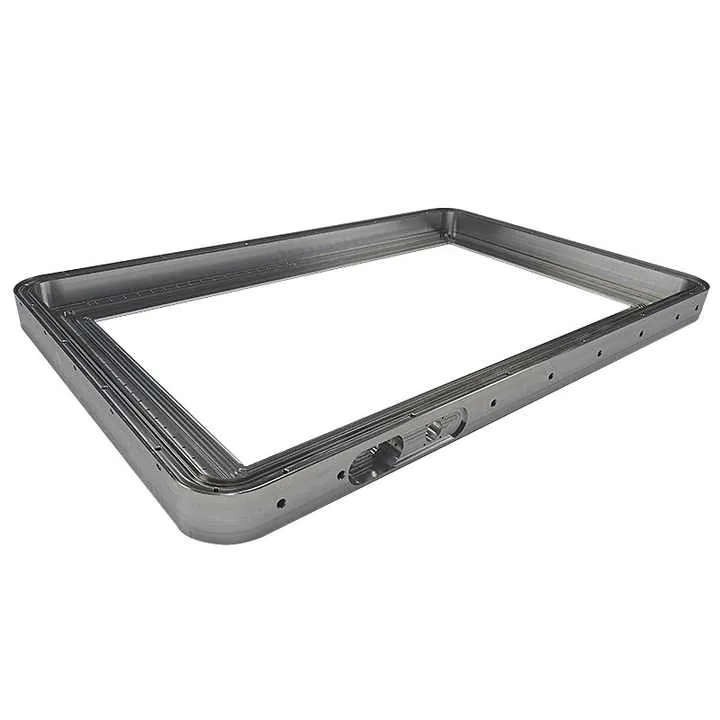
多くのバイヤーは合金のグレードだけに注目している。これはしばしば間違った材料選択につながる。表面コーティングは母材と同様に重要です。.
表面コーティングは、アルミニウムの表面を密閉し、化学物質との接触を遮断することで、耐薬品性を大幅に向上させます。.
コーティングによって保護レベルは異なる。その選択は、化学物質の種類、温度、暴露時間によって異なる。.
コーティングが抵抗挙動を変える理由
コーティングはバリアの役割を果たします。化学物質がアルミニウムに直接触れるのを防ぎます。コーティングが無傷のままであれば、腐食は止まります。.
コーティングが失敗すれば、腐食はすぐに始まる。これが、塗膜の厚さ以上に塗膜の品質が重要な理由です。.
アルミニウム押出材の一般的な塗装タイプ
陽極酸化処理
陽極酸化処理により酸化皮膜を厚くする。耐食性と耐摩耗性が向上する。また、密閉可能な多孔質構造を作ります。.
陽極酸化アルミニウムは、穏やかな化学的環境において優れた性能を発揮します。しかし、すべてのアルマイト層が同じではありません。.
パウダーコーティング
パウダーコーティングは、アルミニウムの上にポリマー層を追加します。多くの酸や塩に強い耐性を発揮します。.
また、外観や耐紫外線性も向上する。しかし、一度傷がつくと、露出したアルミニウムは腐食する可能性がある。.
電気泳動コーティング
このコーティングは、深い溝も均一にカバーする。耐湿性、耐薬品性にも優れています。.
建築用途や自動車用途によく使用される。.
化学物質への曝露に基づくコーティングの選択
| コーティングタイプ | 耐酸性 | 耐アルカリ性 | 代表的な使用例 |
|---|---|---|---|
| 陽極酸化処理 | ミディアム | 低い | 建築 |
| パウダーコーティング | 高い | ミディアム | 屋外用フレーム |
| 電気泳動 | ミディアム | ミディアム | 自動車部品 |
コーティングの選択を誤ると、たとえ高品質の合金であっても早期の故障につながる。.
実際の生産に関する洞察
過去のプロジェクトでは、薄いアルマイトを施したプロファイルはアルカリ性洗浄ラインで故障した。粉体塗装を施したプロファイルは何年も持ちこたえた。.
この違いは、合金の変更ではなく、コーティングの選択によるものだ。.
表面コーティングは、化学物質との接触を減らし、アルミニウム押出耐性を向上させます。.真
コーティングは、化学物質がアルミニウム表面に到達するのを防ぐバリアとして機能する。.
どの表面コーティングも同レベルの耐薬品性を備えている。.偽
異なるコーティングは、異なる化学物質や暴露条件から保護する。.
アルマイトの表面は過酷な化学薬品に耐えることができますか?
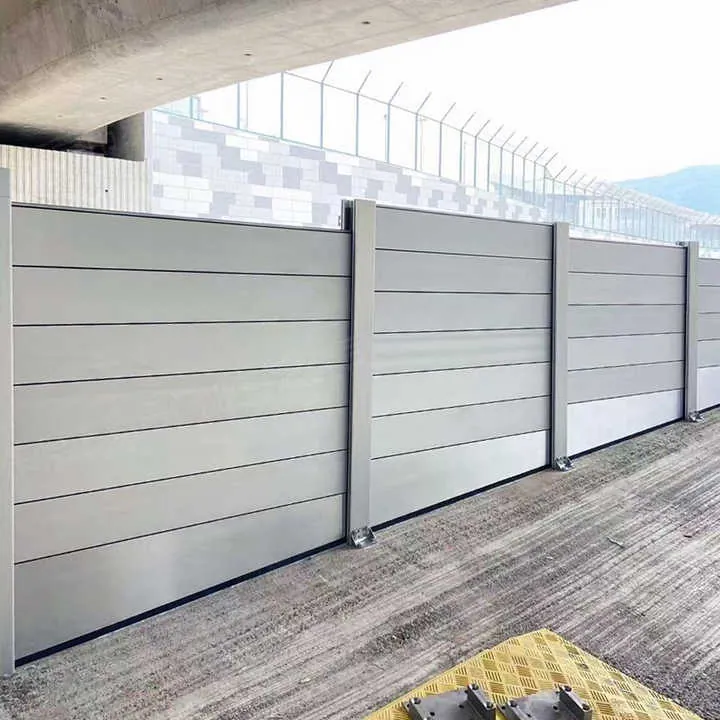
アルマイト処理はしばしば誤解されている。多くのバイヤーは、アルマイト処理は化学薬品に強いと考えています。この思い込みが、コストのかかるミスを引き起こすのです。.
アルマイトの表面は穏やかな化学薬品にはよく耐えるが、強酸や強アルカリに長時間さらされることには耐えられない。.
アルマイトの限界を理解することは、化学的環境において非常に重要です。.
アルマイト処理の実際
陽極酸化処理は、表面を酸化アルミニウムに変えます。この酸化皮膜は自然酸化皮膜よりも厚い。.
この層には孔がある。この孔は染料やシーリング剤を吸収することができる。.
シーリングは耐性を向上させるが、アルミニウムに免疫ができるわけではない。.
さまざまな化学薬品における性能
アルマイトの性能は
- 中性水
- 大気暴露
- 中性洗剤
- 弱い有機酸
で劣っている:
- 水酸化ナトリウム溶液
- 塩酸
- 高濃度の硫酸
これらの化学薬品は、時間とともに酸化被膜を溶かす。.
アルマイトの厚さの影響
アルマイトを厚くすると耐性が向上する。しかし、改善には限界がある。.
| 陽極酸化の厚さ | 耐薬品性レベル |
|---|---|
| 5-10ミクロン | ベーシック |
| 10~15ミクロン | ミディアム |
| 20~25ミクロン | 高いが限定的 |
厚いアルマイトでも、強アルカリ水槽の中ではダメになる。.
密閉陽極酸化と非密閉陽極酸化
シーリングは表面の気孔を閉じる。これにより化学薬品の浸透を抑える。.
密閉されていないアルマイトは液体を吸収しやすい。これは腐食を早めることにつながる。.
多くの失敗は、アルマイト処理が適切に密閉されていなかったために起こる。.
制作現場からの実践的なアドバイス
化学工場では、アルマイト処理だけで十分なことはほとんどない。二次的なコーティングや材料変更を行う方が安全である。.
陽極酸化処理は、建築用や軽工業用に最適です。.
陽極酸化アルミニウムは穏やかな化学薬品には耐えるが、強酸や強アルカリには耐えない。.真
強力な化学薬品は、時間の経過とともに陽極酸化皮膜を溶かす。.
アルマイトの厚みを増すことで、アルミニウムは過酷な化学薬品に完全に耐性を持つようになる。.偽
厚みは耐性を向上させるが、強力な化学薬品からの攻撃を止めることはできない。.
抵抗データを測定する試験規格は?

耐薬品性の主張は、試験データがなければほとんど意味をなさない。多くのバイヤーは報告書を受け取るが、それが何を示しているのか知らない。.
耐薬品性データは、国際規格で定められた標準化された腐食試験および暴露試験を用いて測定される。.
これらの規格は、管理された条件下で材料を比較するのに役立つ。.
スタンダードが重要な理由
基準がなければ、結果を比較することはできない。試験条件が結果を変える。.
規格では、化学物質の種類、濃度、温度、暴露時間が定められている。.
アルミニウム押出材の共通試験規格
ASTM規格
ASTMは、広く使用されている腐食試験方法を提供しています。.
ASTM B117は塩水噴霧試験である。塩化物環境に対する耐性を示す。.
ASTM G31は、液体への浸漬腐食を測定する。.
ISO規格
ISO規格は、統一された試験方法に重点を置いている。.
ISO 9227は塩水噴霧試験に似ている。.
ISO 11846は、工業用洗浄に使用される化学薬品に対する耐性を試験する。.
EN規格
ヨーロッパではEN規格がよく使われている。.
建築用アルミニウムと表面処理の品質に重点を置いている。.
テストデータから見えてくるもの
試験結果は相対的な性能を示しています。正確な寿命を予測するものではありません。.
1000時間の塩水噴霧をパスしたプロファイルが、実際の使用で長持ちすることはない。.
テストレポートの正しい読み方
バイヤーが重視すべきは
- 使用薬品
- 集中度
- 温度
- 曝露期間
- 失敗の定義
こうした細部を無視することは、間違った結論につながる。.
実際のバイヤーの失敗例
あるバイヤーは、塩水噴霧のデータだけに基づいてアルマイトのプロファイルを承認したことがある。実際の環境はアルカリ洗浄だった。.
テストが現実と一致しなかったため、プロファイルは数カ月で失敗した。.
標準化された試験により、管理された条件下でアルミニウムの耐薬品性を比較することができます。.真
規格は試験条件や評価方法を定めている。.
塩水噴霧試験に合格することで、あらゆる化学的環境においてアルミニウム押出材の生存が保証されます。.偽
塩水噴霧試験は塩化物への暴露を表しているだけで、すべての化学物質を表しているわけではない。.
結論
アルミニウム押出材の耐薬品性は、合金、表面処理、実際の暴露条件によって異なります。限界を理解し、適切なコーティングを選択し、試験データを正しく読み取ることで、コストのかかる不具合を防ぎ、長期的な性能を向上させることができます。.