アルミニウム押出成形品の接合方法?

Aluminum extrusions are widely used in many industries. People often worry about how to join them. The common thought is welding. But welding is not always the best choice. This article explains the other ways to bond aluminum extrusions.
Adhesives, mechanical joints, and surface treatments can give strong bonds. These options work well when welding is not possible or not preferred.
The article explains key methods, their benefits, and how each method works. This helps engineers, designers, and fabricators know what choice is best for their metal assemblies.
What non-welding bonding options are available?
Non-welding methods allow aluminum parts to be joined without heat. Heat from welding can change the metal strength. For some assemblies, heat distortion is a problem. Other methods avoid this issue.
Non-welding bonding options for aluminum include mechanical joining, adhesives, and surface treatment for increased bond strength.

Aluminum has a protective oxide layer that can make bonding hard. This layer is very thin. It forms naturally in air. Bonding methods must deal with this oxide layer. Some methods add fasteners, others use sticky adhesives, and some use special surface prep.
Mechanical Joining
Mechanical joining uses physical parts to hold pieces together. Examples are screws, bolts, rivets, and pins. These do not rely on melting or heating the base metal.
Mechanical joints are often used when parts might be disassembled later. They can give repeatable strength. This method also allows parts to be replaced.
Adhesive Bonding
Adhesives are chemicals that stick parts together. They can be liquid, paste, or tape form. Adhesives work by filling gaps and then curing hard.
Surface prep is key for adhesive bonds. Sanding, cleaning, and priming help the glue stick better. Adhesives can spread stress over a large area. This reduces weak points.
表面処理
Surface treatments change the aluminum surface to make bonding easier. Anodizing increases surface area and roughness. This gives adhesives more to grip onto.
Other treatments like chemical etching remove the oxide layer. These treatments increase bond reliability.
ハイブリッド・システム
Some assemblies use both adhesives and mechanical fasteners. The fasteners hold parts in place while the adhesive cures. Then both share load in use. This can be very strong.
Table: Common Non-welding Bonding Options
| 方法 | 典型的な使用例 | ストレングス・レベル |
|---|---|---|
| Mechanical Fasteners | Structural frames, panels | 中~高 |
| Adhesive Bonding | Sealed joints, lightweight parts | ミディアム |
| 表面処理 | Improves other methods | 該当なし |
| ハイブリッド・システム | High load assemblies | 高い |
Mechanical fasteners are easy to use. Adhesives fill gaps and reduce vibration. Surface treatments help all methods. Hybrid systems combine strengths.
Adhesive bonding needs surface prep to work well.真
Effective adhesive bonding requires surface cleaning and treatment because aluminum naturally forms oxide that can weaken adhesion.
Mechanical joints are not suitable for structural connections.偽
Mechanical joints can be suitable for many structural applications, especially when designed to handle loads.
How effective is adhesive bonding on aluminum?
Some people doubt if glue can hold metal. But modern structural adhesives are strong. They can handle high loads if prepared right.
Adhesive bonding can be very effective on aluminum when the surface is cleaned and prepared, and the right adhesive type is used.
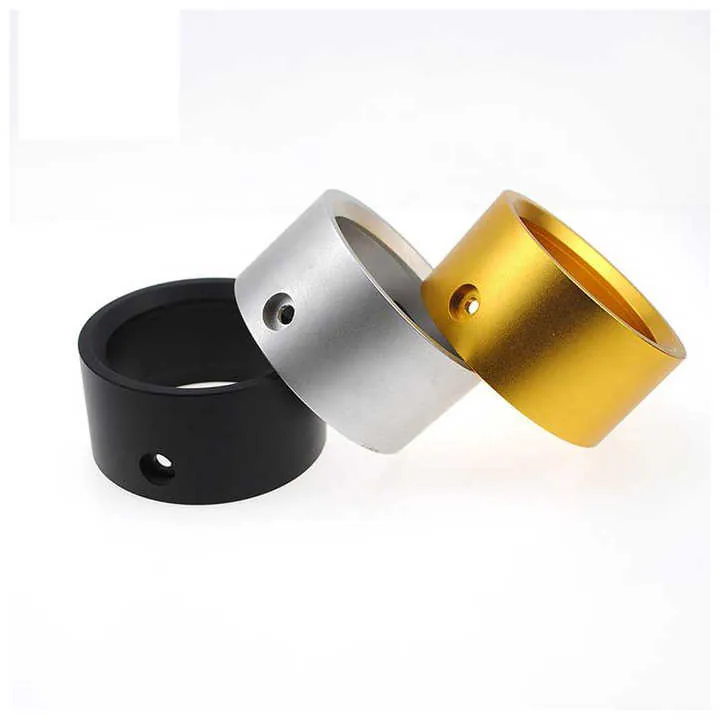
The key to good adhesive bonding is surface prep and adhesive selection. Aluminum oxide forms within seconds after cleaning. This layer is hard to remove but necessary to address. If the oxide is left, glue may not stick well. Grinding, sanding, or chemical etching expose fresh aluminum which bonds better.
Types of Adhesives for Aluminum
Different adhesives offer different performance. Epoxies can be very strong. Acrylics cure fast. Polyurethanes can handle vibrations. Silicone adhesives stay flexible.
Epoxy adhesives are often used when high strength and heat resistance are needed. They bond well to metals when the surface is prepped. Acrylic adhesives can bond metals fast but may need special primers.
表面処理
Surface cleaning is a must. Oils, dirt, or fingerprints make weak joints. Solvents such as isopropyl alcohol wipe away oils. After cleaning, the surface must be roughed. Sandpaper or abrasive pads work well.
Primers may be used to improve bond. The primer reacts with the aluminum and adhesive. This improves long-term performance.
Stress Distribution
One advantage of adhesives is that they spread load over the entire area. Fasteners create point loads. Adhesives reduce stress concentration. This can improve fatigue life.
欠点
Adhesives take time to cure. This may slow production. Some adhesives need special storage. The bonded joint may be sensitive to moisture or chemicals, depending on the adhesive used.
Table: Adhesive Types and Uses
| 粘着タイプ | Cure Time | 強さ | 代表的なアプリケーション |
|---|---|---|---|
| エポキシ樹脂 | Hours to Day | 高い | Structural bonds |
| アクリル | Minutes to Hour | ミディアム | 迅速な組み立て |
| ポリウレタン | Hours | フレキシブル | Vibration joints |
| シリコーン | Hours | 低~中 | Flexible seals |
Adhesive bonds are very effective when done right. They are widely used in automotive, aerospace, and construction. The choice of adhesive and prep steps can make or break joint performance.
Epoxy adhesives provide high strength for aluminum bonding.真
Epoxies are often used because they give high strength and good durability when properly applied.
Silicone adhesives are best for high strength structural aluminum joints.偽
Silicone adhesives are flexible and are not typically chosen for high strength structural metal joints.
Are mechanical joints common in extrusion assembly?
Mechanical joints are very common in assemblies that use aluminum extrusions. They are simple to design and build. Many extruded profiles have slots and holes that make mechanical joining easy.
Mechanical joints are very common in aluminum extrusion assembly because they offer reliable, repeatable, and adjustable connections.

Mechanical joining works when parts need to be assembled and disassembled. Aluminum extrusions often have T-slots. These slots allow bolts and nuts to slide in. Designers use these slots to create frameworks without welding.
Benefits of Mechanical Joints
Mechanical joints are easy to inspect. Engineers can check torque on bolts. If needed, bolts can be tightened or replaced. Mechanical joints also allow modular systems. This makes changing the design easier.
Another benefit is that these joints do not change properties of the base metal. Welding can change heat-affected zones. Mechanical joining avoids this change.
欠点
Mechanical joints can loosen with vibration. Designers use washers or thread-locking fluids to prevent this. Also, mechanical joints may require more parts. More parts mean more inventory and cost.
Typical Mechanical Fasteners
Common fasteners used with aluminum extrusions include:
- Tスロットナット
- Hex head bolts
- Screws with anchors
- Pins and clips
These help connect plates, brackets, and other components.
負荷に関する考察
Designers must consider shear and tension loads. Fasteners have limits. Bolts must be sized correctly. Thread engagement in aluminum should be enough to avoid pull-out.
Table: Mechanical Fasteners Compared
| ファスナータイプ | 使いやすさ | 再利用性 | 強さ |
|---|---|---|---|
| T-slot Nut | 簡単 | はい | ミディアム |
| Hex Bolt | 中程度 | はい | 高い |
| Pin/Clip | とても簡単 | はい | 低~中 |
Mechanical joints are a cornerstone of aluminum extrusion use. They are used in machine frames, workstations, racks, and enclosures.
Mechanical joints allow easy disassembly and reconfiguration.真
Mechanical joints are often chosen because they allow parts to be taken apart and reassembled.
Mechanical joints always provide higher strength than adhesive bonds.偽
Strength varies by design and application; mechanical joints are not always stronger than adhesive bonds.
Do bonded joints meet industrial strength standards?
Many industries require joints that meet strength standards. Aluminum bonding must be tested. Engineers often refer to standards from ASTM, ISO, or other bodies.
Bonded joints can meet industrial strength standards when designed and executed with proper materials and methods.

Industrial strength standards are specific to each industry. Aerospace may have stricter rules than building construction. The joint type, load direction, and environment are all factors.
Testing Bonded Joints
Bonded joints are tested in tension, shear, and peel. The joint must hold up under expected loads. Some tests simulate real use conditions like heat, vibration, and moisture.
Engineers choose adhesives with known performance. Certification data helps predict joint behavior. Surface prep and cure conditions are also controlled.
Codes and Standards
Various standards guide bond performance. For example, ASTM publishes test methods for adhesives. Designers follow these when validating joints. Records from tests show if a joint meets requirements.
Safety Factor
Engineers include safety factors. If a joint needs to hold 1000 pounds, they design for more. This ensures margin for unexpected conditions.
Real World Examples
Bonded aluminum joints are used in transportation, electronics, and construction. Aircraft skins and panels rely on adhesives. Building curtain walls may use bonded fittings. These joints are tested and approved.
Table: Strength Testing Parameters
| パラメータ | 説明 |
|---|---|
| 引張強度 | Force to pull joint apart |
| Shear Strength | Force sliding one part over another |
| Peel Strength | Force to peel adhesive from surface |
| Fatigue Test | Repeated load cycles |
Bonded joints can be trusted when all steps are followed. Designers plan for loads and conditions. Testing verifies performance before field use.
Bonded joints can meet industrial strength standards.真
With proper design, materials, and testing, bonded joints can meet industrial requirements.
Bonded joints are never accepted in aerospace applications.偽
Bonded joints are widely used in aerospace when they comply with strict standards and testing.
結論
Aluminum extrusion bonding methods include adhesives, mechanical joints, and surface treatments. Each method has a place depending on design needs. With correct prep and testing, non-welding methods can meet strength standards and provide lasting performance.