ヒートシンクのサンプルと試作プロセス?
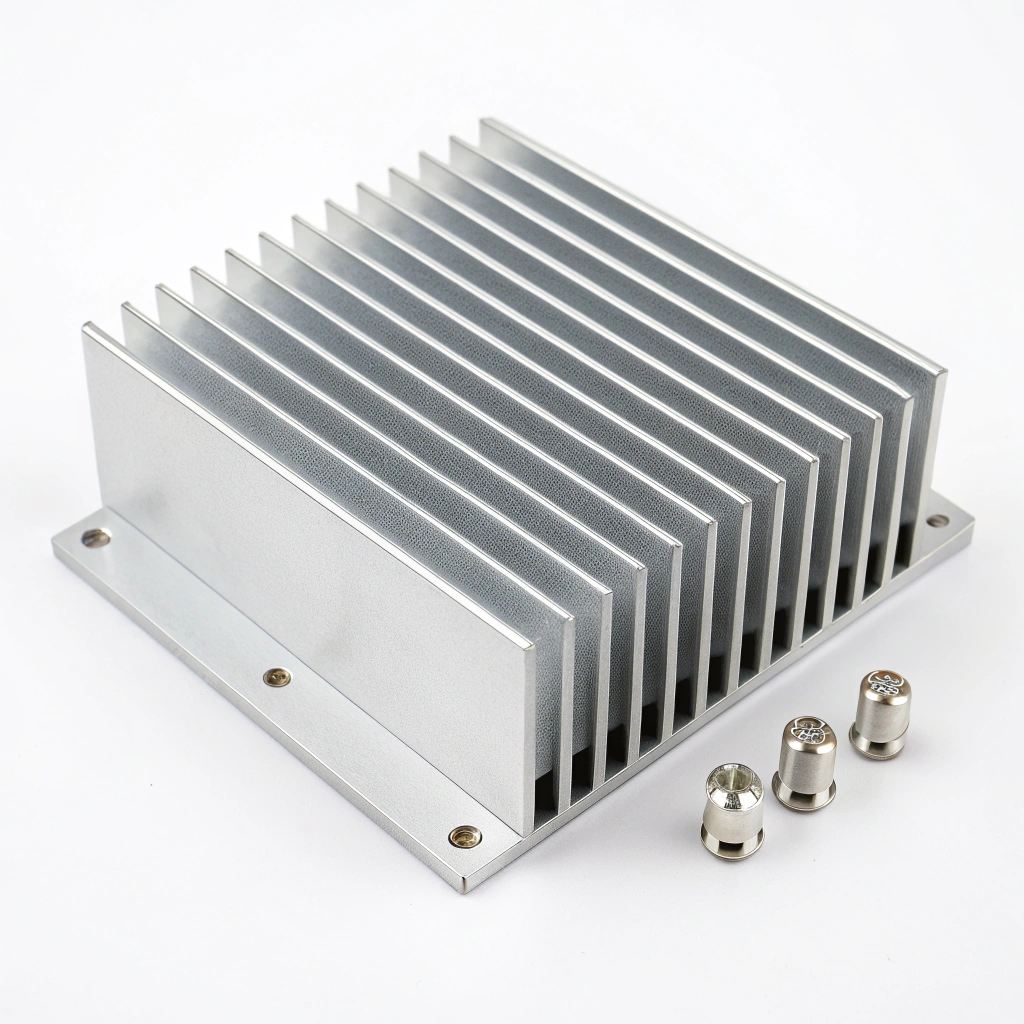
製品発売直前に過熱問題に直面したことはありませんか?それが私が解決をお手伝いする課題です。.
はい——明確なプロトタイプワークフローが違いを生みます。構造化されたサンプル段階、厳密なテスト、柔軟な設計変更の許容範囲により、コンセプトから生産まで自信を持って移行できます。.
本記事の残りの部分では、主要な質問項目を一つずつ解説します。ワークフローを構成する手順、サンプル製作にかかる時間、性能を検証するテスト内容、プロトタイピング中に設計変更が許可されるか否かについて共有します。さっそく見ていきましょう。.
プロトタイプワークフローを構成するステップは何ですか?
信頼性の高いヒートシンクサンプルを確保するには、どのような手順が重要ですか?ここで手順を誤ると、高額な手直し作業が必要になる可能性があります。.
プロトタイプワークフローは通常、要件定義、熱モデリング(CFD)、設計反復、サンプル製作用金型製作、サンプル生産、試験・検証を含む。.
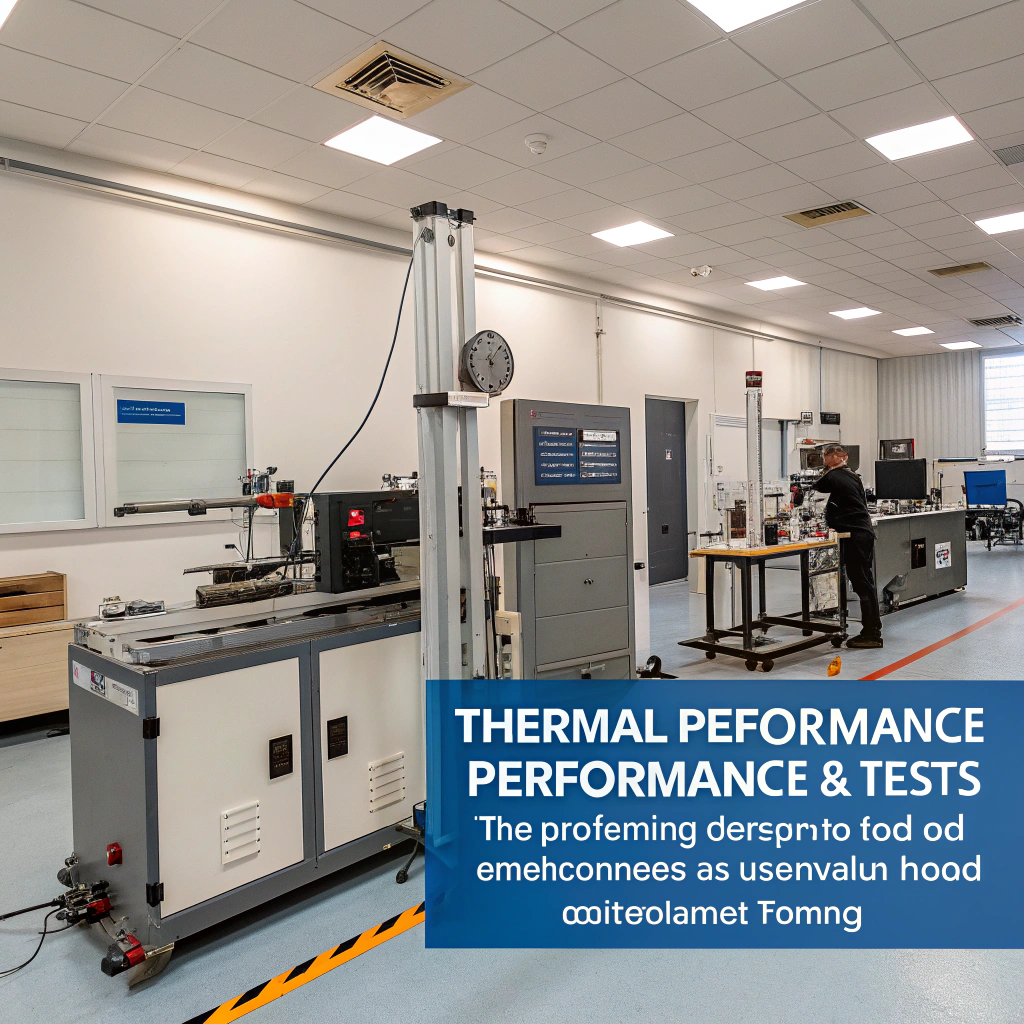
カスタムヒートシンクのプロトタイプワークフローを実行する際、私は構造化された手順に従います。まず定義するのは 要件放熱すべき熱量(ワット単位)、周囲温度環境、設置スペースや取り付け上の制約。これは熱管理の専門家によるガイダンスと一致する。.
次に、私は 熱モデリングとシミュレーションCFDまたは解析モデルを構築し、熱抵抗、フィン形状、気流などを推定します。専門家によれば、シミュレーションと試験結果の相関が鍵となります。この段階で設計の反復が行われます:フィン間隔、材料選択(例:6063-T5または6061-T6アルミニウム)、ベース厚さ、取り付け方法などを調整します。.
そして次は 試作機製作のための図面作成と工具準備生産代表ツールまたはソフトツールを作成し、サンプルユニットを製造します。この工程は複雑さに応じて約6~8週間を要します。.
工具の準備が整い次第、 サンプル生産選択された製造プロセス(押出成形、CNC加工、ダイカストなど)を用いて、1個または複数個(ロットに応じて)を製造する。.
物理的なサンプルを入手した後、我々は実施する テストと検証熱性能試験(熱抵抗、負荷時の温度上昇)、機械試験(寸法精度、取付)、必要に応じて振動または衝撃試験。.
最後に、テスト結果と顧客フィードバックに基づき、当社は以下の手順に進みます。 設計の洗練 (必要に応じて)その後、本格的な生産設計に移行します。このループは、性能と製造可能性が承認されるまで繰り返される場合があります。.
要約すると、ワークフローは次のように表にまとめられます:
| ステップ | 説明 |
|---|---|
| 1. 要件定義 | 熱負荷、周囲環境、形状、取付制約 |
| 2. 熱モデリングとシミュレーション | フィン形状、気流、抵抗のCFDまたは解析計算 |
| 3. 設計の反復と図面作成 | 材料、形状、特徴、工具図面の調整 |
| 4. 工具/試作機製作準備 | ソフト金型/サンプル金型の製作 |
| 5. サンプル生産 | 実際のヒートシンク試作品の製造 |
| 6. テストと検証 | 熱試験、機械試験、場合によっては信頼性試験または環境試験 |
| 7. 設計の精緻化と承認 | テスト/フィードバックに基づく調整 → 生産準備完了 |
プロトタイプワークフローは、金型準備の前に必ず熱モデリングから開始しなければならない。.真
熱モデリングは、高価な金型製作前に形状と性能目標を定義するのに役立ちます。.
設計の反復やシミュレーションなしにサンプル生産を開始できます。.偽
設計の反復/シミュレーションを省略すると、失敗や高コストな金型修正のリスクが増大する。ベストプラクティスには、生産前のシミュレーションが含まれる。.
サンプルの製造にはどのくらい時間がかかりますか?
物理的なヒートシンクのサンプルが手に入るまであと何週間かかりますか?もし確信が持てない場合、重要なローンチ日程を逃すリスクがあります。.
典型的な試作品サンプルの生産(ソフト金型を含む)には約6~8週間を要します。完全な開発には複雑さに応じて1~4か月かかる場合があります。.
サンプル生産のリードタイムは、設計の複雑さ(フィン密度、押出長、CNC加工要素)、材料選択、金型準備状況(ソフト金型 vs ハード金型)、製造方法、および修正サイクルなど、複数の要因に依存します。カスタムヒートシンク開発業者は、多くの設計において試作段階(ソフト金型 + サンプル製作 + 内部テスト)に約6~8週間を要すると述べています。 ただし、開発全体(CFD反復設計+製造)には、反復回数と顧客の応答時間により1~4か月を要する場合があります。別の事例では、サプライヤーが「サンプル承認後、前金入金から15~20日での納品」と生産部品の納期を明記しています(サンプル承認後)。.
主な時間要因は以下の通りです:
時間駆動要因と典型的な持続期間
- CFD/設計の繰り返し:多くの設計変更が必要な場合、シミュレーションと図面作成に数週間を要することがある。.
- 工具の準備:ソフト・ツーリングや少量生産のフィクスチャーは時間がかかる。.
- サンプル製造:金型の準備が整えば、数個の製造に数日から1週間かかることもある。.
- テストとフィードバックのサイクル:サンプル製造後、熱的/機械的試験を実施し、結果を報告し、設計を修正する可能性があるため、さらに時間がかかる。.
- 顧客対応時間:お客様のフィードバックやデザイン変更の決定により、スケジュールが延長される可能性があります。.
中複雑度のヒートシンク試作品の典型的なスケジュール:
- 第1-2週:要件と初期モデリング
- 第3-4週:詳細設計図、シミュレーション検証
- 第5週:ソフトツーリングまたはサンプルフィクスチャーの準備
- 第6~7週:サンプル製造と社内テスト
- 第8週:カスタマーレビュー、フィードバック、調整の可能性
カスタムヒートシンクの試作サンプルは、常に4週間以内で完成する。.偽
多くの情報源は、ソフト・ツーリングを含むプロトタイプの製作に通常6~8週間かかるとしている。.
サンプルが承認されると、生産部品は15~20日で納品される。.真
いくつかのサプライヤーは、生産部品のサンプル承認後15-20日のリードタイムを挙げている。.
プロトタイプの性能を検証するテストは?
ヒートシンクサンプルが「良品」であるためには、どのようなテストに合格しなければならないのでしょうか。重要なテストを省略すると、冷却性能不足、オーバーヒート、システムの故障につながる可能性があります。.
バリデーションには通常、荷重下での熱抵抗/ΔT試験、機械的検査、環境ストレス試験(熱サイクル、振動)、気流またはCFD相関試験が含まれる。.
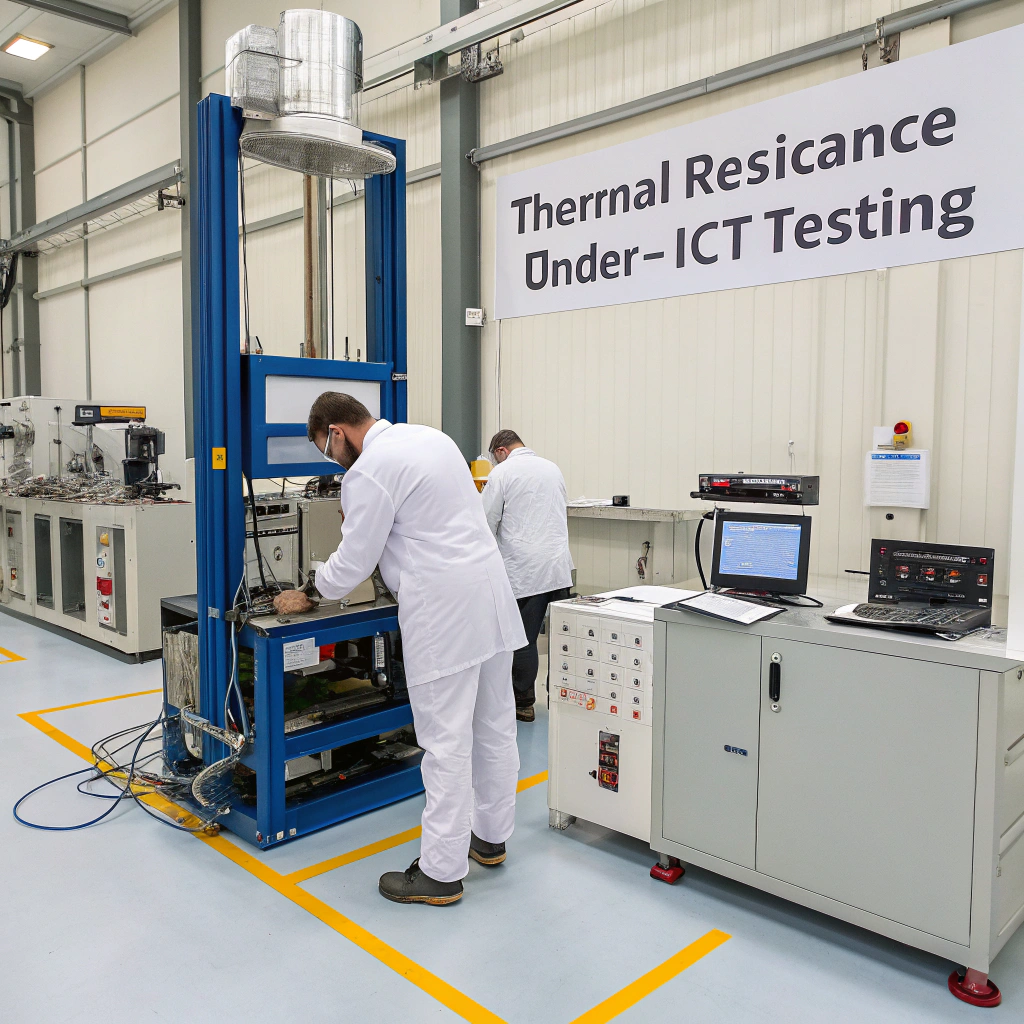
プロトタイプのヒートシンクを評価する際、私は熱試験、機械試験、環境試験の組み合わせに重点を置いています。ここでは、一般的な方法とその理由を説明します。.
熱性能試験
- 既知の熱負荷を加えたときの熱抵抗(℃/W)またはデルタT(温度上昇)を測定する。.
- サーマルチャンバーまたは試験装置を使用して、周囲条件と負荷条件をシミュレートする。.
- 測定された性能をCFD予測値または設計目標と比較する。.
- また、実装/熱界面材料(TIM)の影響も評価する。.
機械・寸法試験
- フィンの高さ、間隔、ベースの平坦度、取り付け穴の位置を確認する。.
- 反り、バリ、表面仕上げに問題がないか検査する。.
- 該当する場合は、機械的信頼性試験を実施する。.
環境・信頼性試験
- 熱サイクル:-40 °Cから+100 °Cで何サイクルも。.
- 振動、湿度、気流経路の検証。.
- シミュレーションの相関性:テストとCFDの結果を確認。.
| テストカテゴリー | 主要指標 | なぜそれが重要なのか |
|---|---|---|
| 熱性能 | 既知の負荷におけるΔT、℃/W | 冷却能力が仕様を満たしているか確認 |
| 機械/寸法 | フィン間隔、平面度、取り付け公差 | 適合性と製造性を確保 |
| 環境ストレス | 熱サイクル、湿度、振動 | 時間や条件に対する信頼性を評価 |
| 気流/対流 | 風速と温度降下 | 実際の条件下で冷却が機能することを保証 |
| シミュレーション相関 | 実測結果とシミュレーション結果 | デザインルールとモデリングの精度を検証 |
熱抵抗測定は、ヒートシンクのプロトタイプにとって最も重要なテストです。.真
なぜなら、ヒートシンクの機能の基本である、負荷がかかった状態での放熱性能を直接示すからだ。.
プロトタイプが物理的にシステムに適合すれば、それ以上のテストは必要ない。.偽
物理的な適合は、環境条件下での熱性能や信頼性を保証するものではない。.
プロトタイピング中のデザイン変更は許されますか?
サンプルが出来上がっても、デザインを微調整できますか?はい、しかしタイミングとコストが問題です。.
はい - 設計変更は通常、プロトタイピングの段階で認められますが、変更のたびに時間とコストがかかる場合があります。変更が早ければ早いほど、影響は小さくなります。.

ヒートシンクのプロトタイプをお客様と一緒に作るとき、私はプロトタイプ製作中の設計変更は許されるだけでなく、期待されるものであることを強調します。.
考慮すべき点
-
変更のタイミングが重要
早期の変更は低コスト。遅い変更は高くつく。. -
変更管理
私たちは、すべての変更要求、更新された図面、時間、コストを文書化します。. -
生産への影響
あまりに多くの変更があると、立ち上げが遅れ、コストがかさむ。. -
製造方法
ソフトツーリングとCNCは、より迅速な変更を可能にする。ハードツーリングは調整にコストがかかる。. -
費用対効果
改善が明確であれば、私はそれを支持する。そうでなければ、次回の改訂に変更を委ねる。.
ベストプラクティスの推奨
- コアのスペックを早めにロックする。.
- サンプルツールの前にシミュレーションを行う。.
- 早期リビジョンのためのソフト・ツーリングを許可する。.
- 1-2回の修正を計画する。.
- 検証後にデザインを凍結する。.
プロトタイプが出来上がると、デザインの変更は一切できません。.偽
プロトタイプは修正のためのものであり、デザインの変更は可能だが、遅れた場合はコストや時間がかかる場合がある。.
プロトタイピング中にデザインを変更することは、常にコストと時間を追加することになる。.真
変更には追加作業(シミュレーション、金型調整、製造)が必要となるため、コストや時間に影響する。.
結論
ヒートシンクのサンプルとプロトタイピングのプロセスについて、ワークフローのステップ、一般的なリードタイム、必要不可欠なテスト、設計変更の管理方法などを説明しました。これを理解することで、試作段階を明確に計画し、生産に向けたサプライズを回避することができます。.