...
スタートフォーム 200KG

ブログ

>>

ステンレス鋼はアルミニウムと反応するか?
更新日8月 16, 2025
5分で読める

ステンレス鋼はアルミニウムと反応するか?

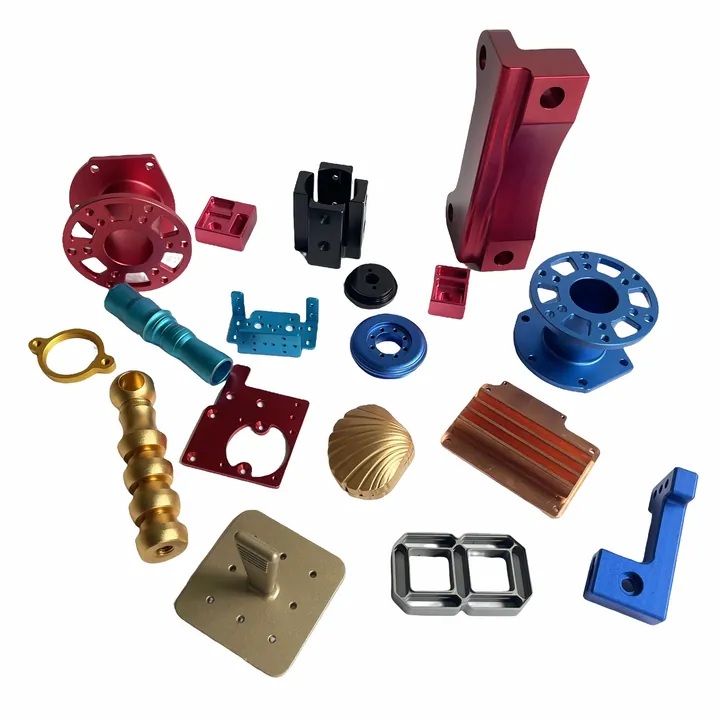
Anodized aluminum extrusion to prevent galvanic corrosion with stainless
Anodized aluminum layer resists electrical reaction with stainless steel

Combining stainless steel and aluminum may seem harmless, but the reaction between them can silently corrode structures over time.

Yes, stainless steel can react with aluminum through galvanic corrosion when moisture creates an electrical path between them.

This reaction doesn’t happen instantly. But once it begins, it’s hard to stop. Let’s explore how to prevent it with smart design and materials.

Why does contact between these metals cause corrosion?

At first glance, both metals seem tough and durable. But chemistry tells a different story.

Contact between stainless steel and aluminum causes corrosion because they have different electrochemical potentials, triggering a galvanic reaction in the presence of an electrolyte.

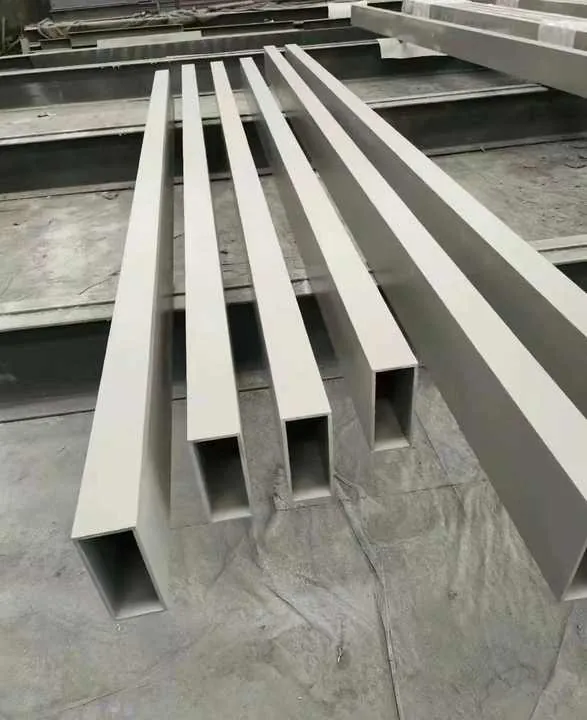
Powder-coated aluminum profile designed to isolate from metal contact
Powder coating prevents galvanic current between dissimilar metals

Galvanic corrosion occurs when two dissimilar metals touch and are connected by an electrolyte, such as water. In this pair, aluminum becomes the anode (it corrodes), and stainless steel acts as the cathode (it remains intact).

This is due to their positions in the galvanic series. The further apart two metals are on this chart, the more intense the reaction.

Galvanic Series Snapshot (in seawater)

メタル Position in Series Corrosion Risk (when paired with stainless)
マグネシウム Very Anodic 非常に高い
アルミニウム Anodic 高い
亜鉛 Less Anodic ミディアム
ステンレス鋼 Cathodic なし

The electrolyte acts as a bridge. Without moisture, this circuit cannot complete. But once exposed to water—especially saltwater—the corrosion accelerates quickly.

Galvanic corrosion happens only when two metals touch and moisture is present.

Both electrical contact and an electrolyte are necessary for galvanic corrosion to occur.

Aluminum will corrode stainless steel if left in contact outdoors.

Aluminum is the anode in the pair; it corrodes, while stainless steel remains protected.

Can dissimilar metals touch in outdoor settings?

It’s tempting to just join them and forget. But that often leads to expensive damage later.

Yes, dissimilar metals can touch in outdoor environments, but only if properly insulated or coated to prevent galvanic corrosion.

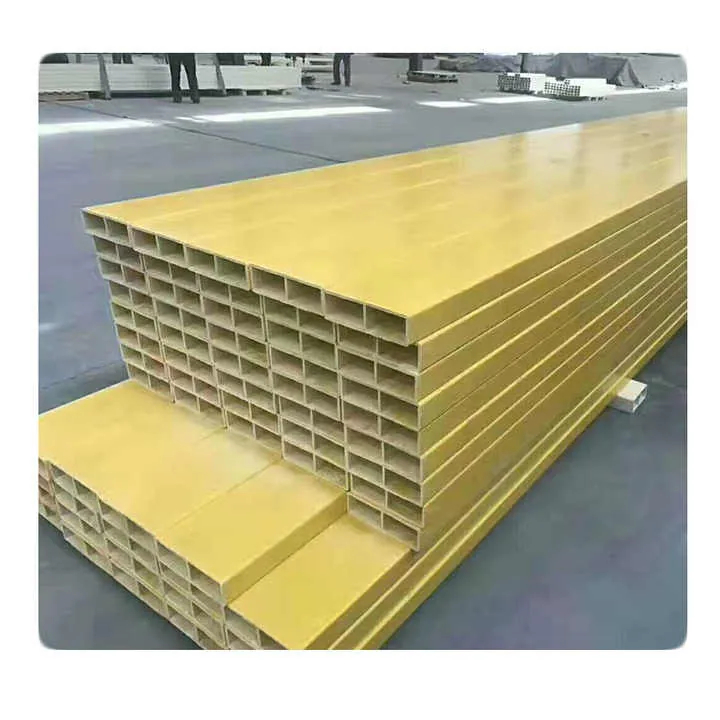
Aluminum profile with coated surface for outdoor corrosion protection
Coated aluminum louver for marine or humid environments

Outdoor conditions are perfect for galvanic corrosion: rain, dew, condensation, and pollution. Even humidity can create a light electrolyte layer.

Still, many outdoor designs do use aluminum and stainless steel together. The key is to prevent direct contact そして interrupt the electrical path.

Outdoor Protection Methods

戦略 どのように役立つか
Plastic or rubber spacers Breaks the electrical circuit
Dielectric coatings Stops electron flow
Drainage holes Prevents water accumulation
Strategic design Minimizes contact areas

Also, avoid trapping moisture in joints. Use sloped surfaces, ventilation, or seals that dry quickly. When metal must be exposed, add a sacrificial coating or regular inspection schedule.

Aluminum and stainless steel can be joined outdoors if insulation materials are used.

Insulation materials prevent the electrical connection that causes galvanic corrosion.

Outdoor humidity is not enough to start corrosion between dissimilar metals.

Even light moisture can act as an electrolyte, especially in polluted or salty air.

What role does moisture play in their reaction?

Moisture might seem harmless, but for mixed-metal joints, it plays a major role in destruction.

Moisture acts as the electrolyte in galvanic corrosion, enabling the flow of electrons between aluminum and stainless steel.

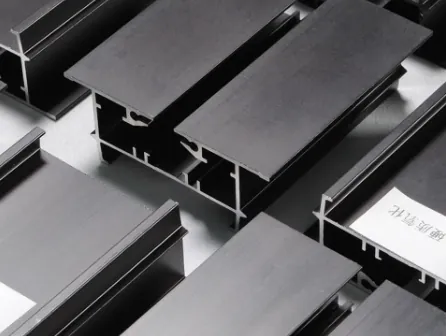
Decorative aluminum extrusion with insulating surface treatment
Edge trim with surface barrier to reduce aluminum-stainless reaction

Pure water is a weak conductor. But in the real world, water often contains salts, dust, acids, or industrial pollutants. These increase its conductivity, making it a powerful electrolyte.

Without moisture, aluminum and stainless steel can touch with little to no problem. But the moment water enters—even just as condensation—an electrochemical reaction begins.

Sources of Moisture That Trigger Galvanic Corrosion

ソース Common in These Settings
Rain or snow Outdoor furniture, construction, fencing
Condensation HVAC, refrigeration units
塩スプレー Coastal buildings, boats, marinas
Industrial fog Factories, chemical zones

If moisture is unavoidable, you must interrupt the circuit. This means coatings, insulating washers, or isolating materials.

Without moisture, galvanic corrosion cannot occur even if metals are touching.

An electrolyte is required to complete the circuit for corrosion to happen.

Any kind of water, even distilled, will immediately trigger galvanic corrosion.

Pure distilled water has very low conductivity and is not enough to cause rapid corrosion.

How to design structures to avoid metal reactions?

Poor design leads to fast failure. But smart layouts can let aluminum and stainless steel coexist safely.

To avoid metal reactions, design structures so that dissimilar metals don’t touch, stay dry, or are separated with non-conductive materials.

Heavy-duty aluminum frame suitable for stainless fastener isolation
Aluminum frame profile designed to integrate with dissimilar metals safely

Start by understanding your environment. Is it humid, coastal, or exposed to chemicals? If so, design with drainage and ventilation in mind.

Next, select compatible fasteners and joinery. Or insulate them fully. Also, minimize the exposed surface area of aluminum compared to stainless steel—this reduces the corrosion rate.

Design Tips to Avoid Galvanic Reactions

デザイン特集 ベネフィット
Sloped surfaces Prevents standing water
Sealed joints Stops water ingress
Coated fasteners Adds extra protection
Nylon washers and bushings Physically separate metals
Scheduled inspections Catch issues early before corrosion spreads

Don’t forget the coating! A simple paint layer, if well-applied, can double the lifespan of a mixed-metal structure.

Designing with sloped surfaces and proper drainage reduces the risk of galvanic corrosion.

Keeping moisture away prevents the electrolyte from forming, halting the reaction.

Using larger aluminum surfaces next to small stainless steel parts reduces corrosion risk.

Larger anodic areas with small cathodic areas worsen corrosion by focusing current on the aluminum.

結論

Stainless steel and aluminum can react when joined, especially outdoors. But this corrosion can be avoided by breaking the electrical path, adding coatings, and using smart design. With planning, you can safely use both metals in one structure.

エヴァ

まだ答えが見つからない場合は、下のボタンをクリックして無料相談をご利用ください。
無料相談

最近の投稿

  • 3月 11, 2026

    アルミ押出保護ラップの種類

    アルミニウム押出超小型材料 アルミフレームプロファイル 表面損傷は、しばしば生産ではなく、出荷後に表示されます....
    もっと読む >>
    アルミ押出超小型素材アルミフレームプロファイル
  • 3月 9, 2026

    アルミ押出材パッケージの防湿?

    陽極酸化された粉は屋外のルーバー シャッターのためのアルミニウム放出のプロフィールに塗りました 湿気の損傷は頻繁に屋外のルーバー シャッターの間に起こります。
    もっと読む >>
    陽極酸化粉体アルミニウム押出プロファイル屋外ルーバー シャッターのコーティング
  • 3月 5, 2026

    アルミニウム押出バリ取り工程ガイドライン?

    6063陽極酸化ロードケース・アルミニウム押出材 アルミニウム押出材のバリ取りは、...
    もっと読む >>
    6063陽極酸化ロードケースアルミ押出材

メッセージを送る

Google reCaptcha: 無効なサイトキーです。