Is a ceiling grid aluminum?
Sometimes ceiling materials get overlooked—until you’re the one who has to choose the right one. It’s a common pain in construction and design projects.
Yes, a ceiling grid can be made of aluminum, though steel is also common. The choice depends on factors like cost, weight, corrosion resistance, and aesthetics.
If you’re managing a construction or renovation project, choosing between aluminum and steel ceiling grids can affect installation ease, lifespan, and even the look of your space.
Is a ceiling grid aluminum or steel?
Sometimes people assume all ceiling grids are the same. But they’re not. Choosing the wrong material can create unexpected problems later.
Ceiling grids are usually made from either aluminum or galvanized steel. Aluminum is lighter and more corrosion-resistant. Steel is stronger and more budget-friendly.

Key differences between aluminum and steel ceiling grids
| Feature | Aluminum Ceiling Grid | Steel Ceiling Grid |
|---|---|---|
| Weight | Light | Heavier |
| Corrosion Resistance | High (especially in moist areas) | Moderate (depends on coating) |
| Strength | Moderate | High |
| Cost | Higher | Lower |
| Look & Finish | Sleek, modern | Basic, industrial |
I’ve seen many overseas clients choose aluminum for projects in humid climates, especially in Singapore or near the coast in the US. Aluminum lasts longer in these environments and keeps looking good. On the other hand, some Japanese supermarkets prefer steel for back-office areas where cost and strength matter more than appearance.
So, the best choice depends on where the ceiling is being installed and the long-term expectations for performance and cost.
What is a grid ceiling made of?
A lot of people think “ceiling” just means one big flat surface. But in reality, grid ceilings are a mix of smart design and material science.
Grid ceilings are usually made from a framework of metal—either aluminum or steel—and infill panels made of mineral fiber, gypsum, PVC, or metal.

Components of a grid ceiling system
The system is typically made of:
| Part | Material Options | Description |
|---|---|---|
| Main Runners | Aluminum, Steel | The backbone of the grid, installed across the ceiling |
| Cross Tees | Aluminum, Steel | Smaller pieces that connect to the main runners |
| Wall Angles | Aluminum, Steel | Installed around the perimeter to support edges |
| Ceiling Panels | Mineral fiber, PVC, Metal | Placed inside the grid to form the visible ceiling surface |
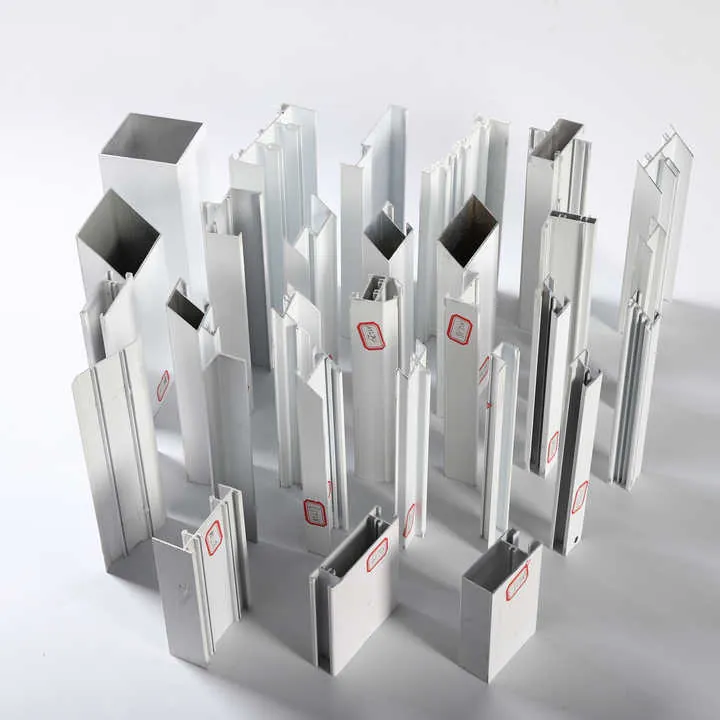
In our factory at Sinoextrud, we manufacture both aluminum grid components and compatible decorative panels. Clients who need lightweight systems for transport and easy installation often choose full aluminum sets. This is especially helpful for high-ceiling lobbies or areas with a lot of MEP (mechanical, electrical, and plumbing) work above the ceiling.
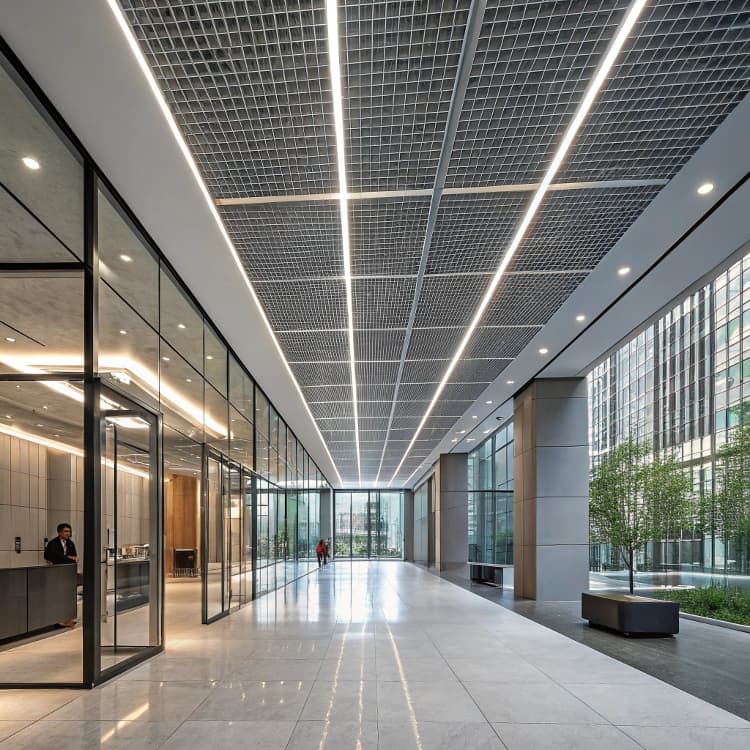
Grid ceilings are popular in commercial buildings because they hide ductwork and cables while still allowing access when needed. They’re modular, clean, and easy to maintain.
What are ceiling boards made of?
Some buyers confuse ceiling boards with wall panels. But ceiling boards face different challenges, like heat, humidity, and acoustics.
Ceiling boards are commonly made of gypsum, mineral fiber, wood wool, or PVC. Each type serves different environments and design needs.

Main types of ceiling boards
Gypsum Boards
These are lightweight, fire-resistant, and offer good sound insulation. Often used in office buildings.
Mineral Fiber Boards
Made from recycled materials, these boards are great for acoustics. They’re ideal for classrooms or auditoriums.
Wood Wool Boards
These are eco-friendly and have excellent sound-absorbing properties. They’re common in sustainable building projects.
PVC Boards
Used in bathrooms, kitchens, and humid spaces. They’re water-resistant and easy to clean.
At Sinoextrud, we don’t produce ceiling boards ourselves, but we supply custom aluminum frameworks that fit all of these options. Many of our international partners prefer a modular setup so they can combine our aluminum grids with local board suppliers.
What are ceiling panels made of?
People often use "ceiling panels" and "ceiling boards" interchangeably. But there’s a small difference: panels often refer to decorative or acoustic finishes, not just the structural material.
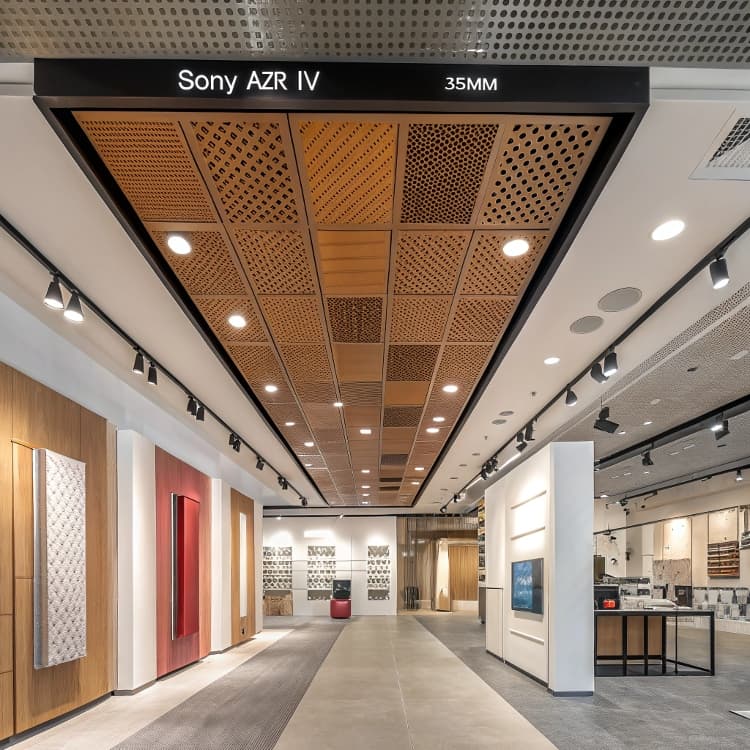
Ceiling panels are made from materials like metal, wood, fabric-wrapped board, gypsum, and even perforated aluminum for acoustic use.
Types of ceiling panels and their use cases
Metal Panels (Aluminum, Steel)
Used for modern designs, especially in commercial spaces like airports or malls. These panels can be solid, perforated, or patterned.
Wood Panels
Offer a natural look, commonly used in high-end hospitality or residential interiors. Usually mounted onto aluminum grids.
Fabric-Wrapped Panels
Used for acoustic treatment in theaters, conference halls, and studios.
Perforated Aluminum Panels
At Sinoextrud, we specialize in these. They combine light weight with great acoustic performance. Designers love them for open ceilings where you want sound control but also a sleek, modern finish.
We often help clients in North America and Singapore select the right ceiling panels based on acoustic tests and visual mockups. Some need Class A fire-rated panels; others want custom colors to match branding.
Conclusion
Ceiling grids can be made from aluminum or steel, and the panels or boards within them come in many forms—each with a purpose. Choosing the right mix depends on your space, your goals, and your budget.