Improving the Corrosion Resistance of Aluminum Profiles
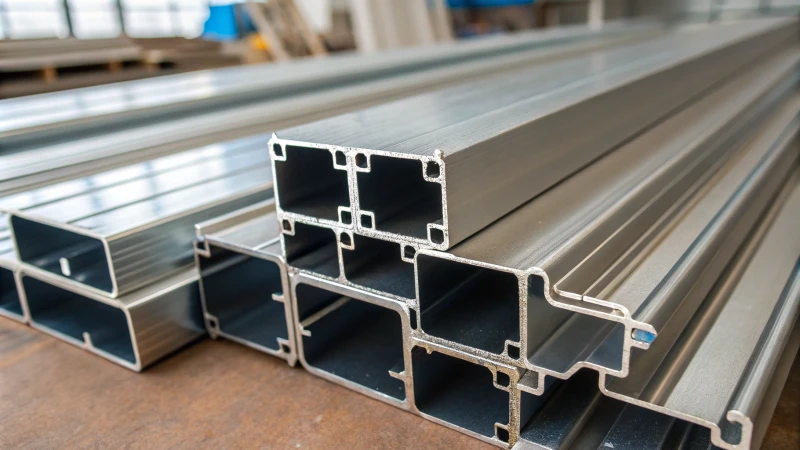
Aluminum profiles are widely used in various industries due to their lightweight and versatile nature. However, without proper treatment, they can be susceptible to corrosion.
Improving the corrosion resistance of aluminum profiles involves methods like anodizing, using corrosion-resistant coatings, and implementing anti-corrosion designs. These techniques protect against moisture and environmental factors, enhancing the durability of aluminum products.
While anodizing and coatings offer a primary line of defense, there are additional strategies to maximize the longevity of aluminum profiles. Dive deeper into each method’s nuances and discover how they can be applied to ensure your aluminum products stand the test of time.
Anodizing enhances aluminum's corrosion resistance.True
Anodizing forms a protective oxide layer on aluminum, preventing corrosion.
Aluminum profiles are inherently corrosion-resistant without treatment.False
Aluminum profiles need treatments like coatings to resist corrosion effectively.
What Role Does Anodizing Play in Corrosion Resistance?
Anodizing transforms aluminum into a corrosion-resistant powerhouse, offering a robust defense against environmental damage. Discover how this process enhances durability and aesthetic appeal, making it a favorite in various industries.
Anodizing significantly boosts corrosion resistance by creating a thick, protective oxide layer on aluminum surfaces. This layer acts as a barrier against moisture and oxygen, thus preventing corrosion and enhancing longevity.
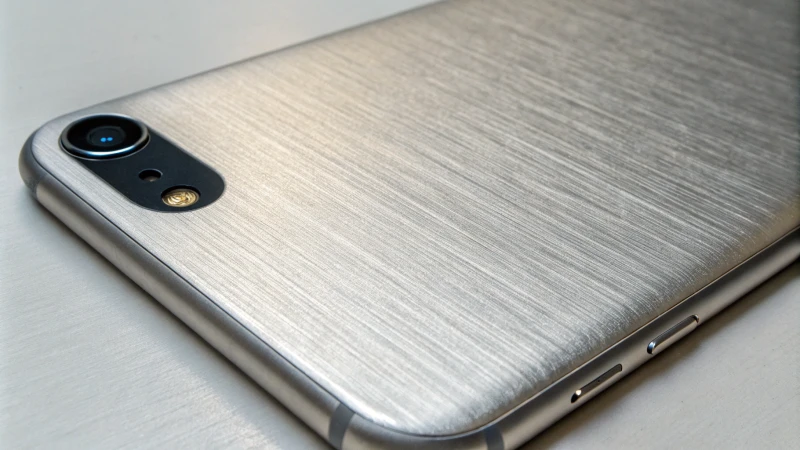
The Anodizing Process: A Protective Shield
Anodizing involves immersing aluminum into an acid electrolyte bath and passing an electric current through it. This process results in a controlled, thickened oxide layer forming on the surface.
| Step | Description |
|---|---|
| Cleaning | Aluminum is thoroughly cleaned to remove impurities. |
| Anodizing | The metal is submerged in an acid bath, and an electric current is applied. |
| Sealing | The anodized layer is sealed to enhance corrosion resistance. |
How Anodizing Enhances Durability
The oxide layer formed through anodizing is much thicker and more durable than natural oxidation. This artificial layer provides several benefits:
- Corrosion Protection: It prevents moisture and air from reaching the aluminum, thereby reducing oxidation.
- Increased Hardness: Anodized aluminum becomes harder, enhancing wear resistance.
- Color Options: The layer can be dyed in various colors, adding aesthetic value.
Comparison with Other Methods
Other methods like painting or powder coating also offer protection but lack some benefits of anodizing:
- Durability: Anodized surfaces are more resistant to scratching and chipping compared to painted or powder-coated surfaces.
- Eco-Friendliness: Anodizing uses non-toxic materials and has minimal environmental impact.
- Long-term Cost Efficiency1: While initial costs might be higher, the longevity of anodized products can lead to cost savings over time.
Anodizing in Various Environments
In marine environments, where saltwater corrosion is a major concern, anodizing offers enhanced protection. The dense oxide layer prevents saltwater from penetrating the aluminum.
Industrial settings also benefit from anodizing due to its ability to withstand exposure to harsh chemicals without degrading. Consider anodized solutions2 for environments involving acid or alkaline substances.
Understanding the Limitations
While anodizing is effective, it’s not a one-size-fits-all solution. Its effectiveness can vary based on:
- Thickness of the Oxide Layer: Thicker layers offer better protection but might compromise flexibility.
- Type of Aluminum Used: Some alloys anodize better than others.
- Environmental Conditions3: In extreme conditions, additional protective measures might be needed.
Anodizing remains a superior choice for enhancing aluminum’s natural resistance to corrosion. It combines durability with aesthetic appeal, making it versatile for multiple applications.
Anodizing increases aluminum's hardness.True
The anodizing process thickens the oxide layer, enhancing hardness.
Anodizing uses toxic materials.False
Anodizing is eco-friendly, utilizing non-toxic materials with minimal impact.
Why Choose Corrosion-Resistant Coatings for Aluminum Profiles?
Aluminum profiles are widely used for their lightweight and strength, but they are prone to corrosion. Discover why corrosion-resistant coatings are essential for maximizing their lifespan and performance.
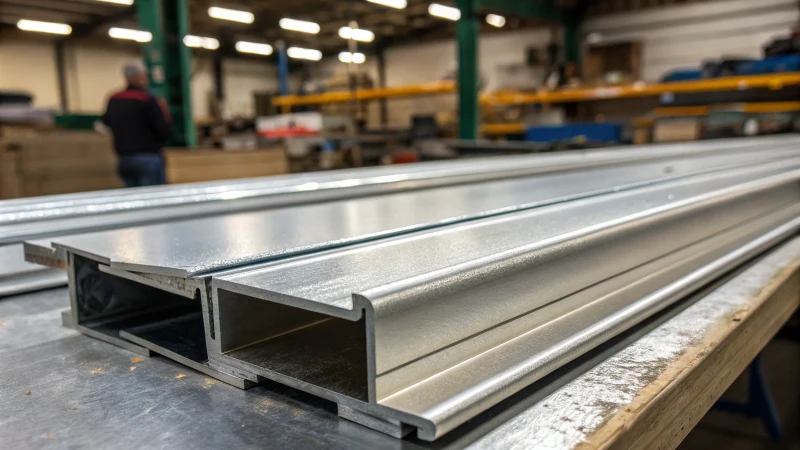
Corrosion-resistant coatings for aluminum profiles provide a protective layer that prevents oxidation and corrosion, enhancing durability and longevity in harsh environments. They form a barrier against moisture and chemicals, ensuring optimal performance.
The Importance of Protective Coatings
Aluminum, though highly durable, is susceptible to corrosion when exposed to certain environments. By applying corrosion-resistant coatings, manufacturers can significantly extend the lifespan of aluminum4 profiles. These coatings act as a shield, preventing exposure to corrosive elements like moisture and salt.
Types of Coatings Available
-
Anodizing: This electrochemical process increases corrosion resistance by forming a thick oxide layer on the aluminum surface. It also enhances wear resistance and allows for aesthetic customization.
-
Polyurethane Coatings: Known for their flexibility, these coatings are ideal for outdoor applications where temperature changes occur frequently.
-
Epoxy Coatings: Providing excellent adhesion and chemical resistance, epoxy coatings are perfect for industrial environments.
| Coating Type | Benefits | Best Used In |
|---|---|---|
| Anodizing | Aesthetic appeal, wear resistance | Architectural elements |
| Polyurethane | Flexibility, weather resistance | Outdoor installations |
| Epoxy | Chemical resistance, strong adhesion | Industrial settings |
Application Techniques
The effectiveness of a coating also depends on its application. Proper surface preparation is crucial to ensure the coating adheres well. Techniques such as sandblasting or chemical cleaning can be employed to remove impurities from the aluminum surface before applying the coating.
Choosing the right primer is equally important. Primers improve the adhesion of the topcoat, enhancing the overall protective performance of the coating system.
Environmental Considerations
When selecting coatings, it’s vital to consider the specific environmental conditions the aluminum profiles will face. In marine environments, for instance, high salt content accelerates corrosion. Fluorocarbon coatings5 are recommended in such settings due to their superior resistance to saltwater.
Cost vs. Benefit Analysis
While corrosion-resistant coatings can increase the initial cost of aluminum profiles, they offer significant long-term savings by reducing maintenance costs and extending the life of the product. For businesses focused on quality and sustainability, like David’s company6, investing in high-quality coatings aligns with their commitment to durability and environmental responsibility.
By evaluating these factors, businesses can make informed decisions about the best protective measures for their aluminum profiles, ensuring they meet both functional and aesthetic requirements across various applications.
Anodizing enhances aluminum's wear resistance.True
Anodizing creates a thick oxide layer, improving wear resistance.
Epoxy coatings are best for outdoor installations.False
Epoxy coatings are ideal for industrial environments, not outdoors.
How Important is Anti-Corrosion Design in Harsh Environments?
In harsh environments, corrosion can wreak havoc on structures and materials, leading to significant maintenance costs and safety risks. Anti-corrosion design is crucial in these settings to ensure longevity and reliability.
Anti-corrosion design is vital in harsh environments to prevent material degradation, ensure structural integrity, and reduce maintenance costs. Implementing protective measures like coatings and anodizing can significantly enhance durability.
Understanding the Impact of Corrosion in Harsh Environments
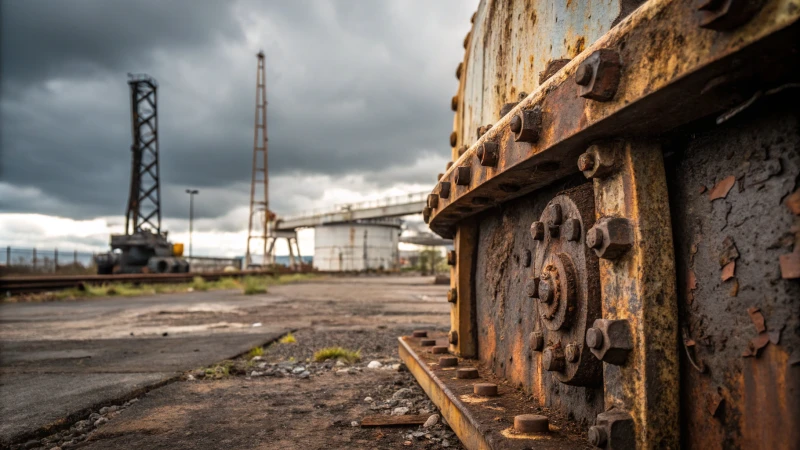
Corrosion in harsh environments is more than just an aesthetic issue; it compromises structural integrity. This makes anti-corrosion design essential for industries like marine, where exposure to saltwater accelerates decay.
Key Strategies for Anti-Corrosion Design
-
Material Selection: Choosing corrosion-resistant materials is fundamental. For instance, stainless steel alloys7 are often used in marine applications due to their high resistance to rust.
-
Protective Coatings: Applying coatings such as polyurethane or epoxy can create a barrier against moisture and chemicals. These coatings provide a physical shield, extending the lifespan of the material.
-
Anodizing Processes: Anodizing aluminum creates a durable oxide layer that protects against corrosion. This process is particularly beneficial in enhancing the performance of aluminum used in outdoor settings.
Case Study: Anti-Corrosion Design in Marine Environments
| Marine Application | Anti-Corrosion Measure | Benefits |
|---|---|---|
| Ship Hulls | Zinc-rich Primers | Reduces rust |
| Offshore Platforms | Epoxy Coatings | Longevity |
Environmental and Economic Benefits
Anti-corrosion design not only preserves material but also reduces environmental impact by lessening the frequency of replacements. Economically, it saves industries from costly repairs and downtime.
Challenges in Implementing Anti-Corrosion Design
Despite the benefits, challenges such as cost and complexity of application exist. The need for regular maintenance and inspection is critical to ensure ongoing protection.
For instance, understanding specific design strategies8 can help overcome these challenges, ensuring effective implementation in various industrial settings.
Stainless steel is resistant to rust in marine settings.True
Stainless steel alloys are chosen for their high rust resistance in marine environments.
Anodizing aluminum decreases its corrosion resistance.False
Anodizing increases aluminum's corrosion resistance by creating a protective oxide layer.
What Maintenance Practices Can Extend Aluminum Profile Lifespan?
Ensuring the longevity of aluminum profiles requires more than just quality materials. Effective maintenance can significantly extend their lifespan, preserving their functionality and appearance.
Regular cleaning, protective coatings, and strategic design considerations are key maintenance practices that extend the lifespan of aluminum profiles. Inspect frequently, address defects promptly, and select appropriate treatments for lasting durability.
Regular Cleaning and Inspection
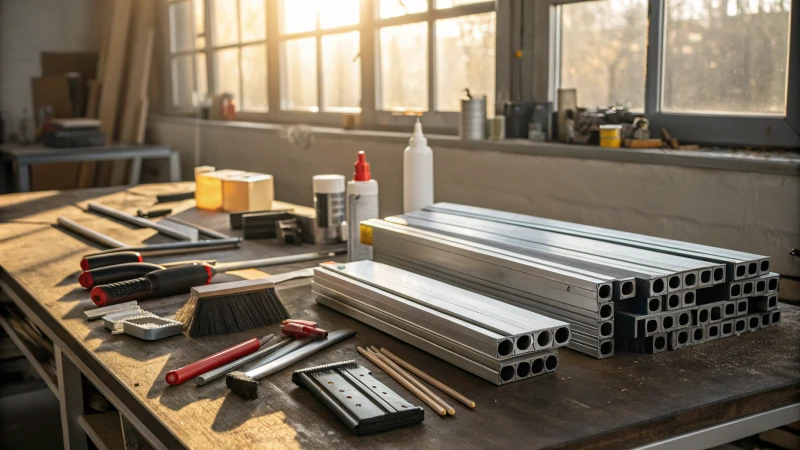
One of the simplest yet most effective maintenance practices is regular cleaning. Dust, grime, and environmental pollutants can build up on aluminum profiles9, potentially leading to surface damage. Use a mild detergent and a soft cloth to clean profiles periodically.
Inspections are equally important. Regularly check for signs of corrosion, scratches, or other damage. Early detection allows for prompt repairs, preventing further deterioration. This is especially crucial in environments prone to high moisture or salinity.
Protective Coatings Application
Applying protective coatings can enhance the durability of aluminum profiles. Options include anodizing, which creates a corrosion-resistant oxide layer, and powder coating, which adds a durable finish.
| Coating Type | Benefits |
|---|---|
| Anodizing | Increased corrosion resistance |
| Powder Coating | Enhanced aesthetic appeal and protection |
Choosing the right coating depends on environmental conditions and intended use. For example, marine environments may require high-performance coatings10 to combat saltwater exposure.
Design Considerations
Design plays a crucial role in extending the lifespan of aluminum profiles. Consider incorporating features that minimize water retention and promote airflow, reducing moisture-related damage.
- Slope Design: Ensure that profiles have adequate slopes to prevent water accumulation.
- Ventilation: Incorporate designs that allow air circulation to keep surfaces dry.
These strategic design elements can significantly reduce the risk of corrosion, especially in challenging environments like coastal areas or industrial sites.
Proper Storage and Handling
Storage conditions greatly influence the lifespan of aluminum profiles. Store them in a dry, well-ventilated area away from corrosive substances. During transportation, ensure they are protected from physical damage and exposure to harsh elements.
Implementing these storage practices can preserve surface treatments and prevent premature wear and tear. Investing in protective packaging11 solutions is also advisable for safe transportation and storage.
By understanding and applying these maintenance practices, industries can significantly enhance the longevity of aluminum profiles, ensuring they remain functional and visually appealing over time.
Regular cleaning prevents aluminum profile corrosion.True
Cleaning removes pollutants that can cause surface damage and corrosion.
Anodizing reduces aluminum profile aesthetic appeal.False
Anodizing enhances both corrosion resistance and visual appearance.
Conclusion
Enhancing aluminum profiles’ corrosion resistance through anodizing, protective coatings, and anti-corrosion designs ensures durability and longevity in various environments, crucial for industries facing harsh conditions.
-
Exploring this link can reveal the economic advantages of choosing anodizing over painting for long-term use. ↩
-
Discover why anodized aluminum is preferred in challenging industrial settings for its durability and chemical resistance. ↩
-
Learn about how anodizing performs under severe environmental conditions, ensuring optimal material protection. ↩
-
Explore how different coatings extend the lifespan of aluminum products by preventing corrosion and improving durability. ↩
-
Learn why fluorocarbon coatings are ideal for marine environments, offering superior resistance against harsh conditions. ↩
-
Discover how David’s company uses high-quality aluminum products designed for durability in outdoor settings. ↩
-
Discover why stainless steel alloys are preferred in marine settings for their rust resistance and durability. ↩
-
Explore detailed strategies for implementing anti-corrosion measures effectively across different industries. ↩
-
Explore effective cleaning techniques to prevent surface damage and prolong aluminum profile life. ↩
-
Discover optimal coating solutions that protect against harsh marine conditions. ↩
-
Learn about packaging options that ensure safe transportation and storage. ↩