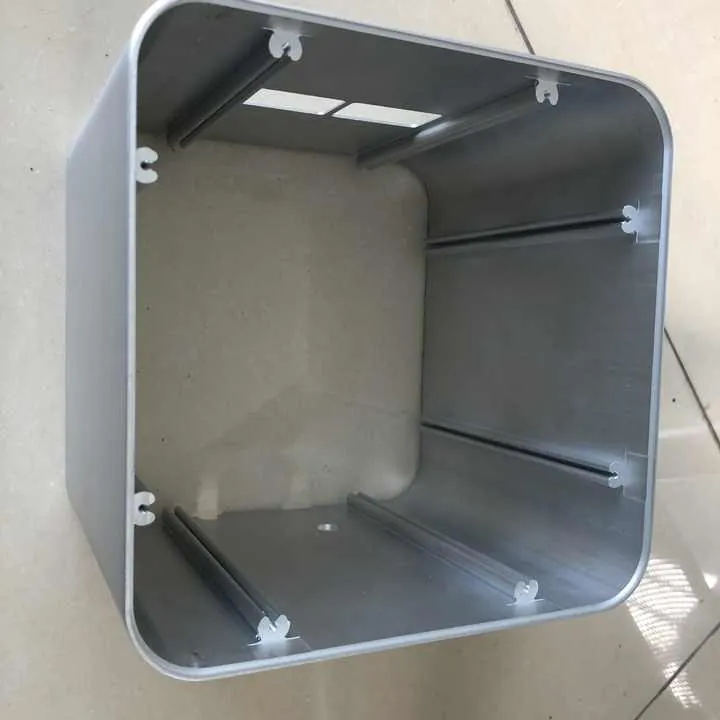
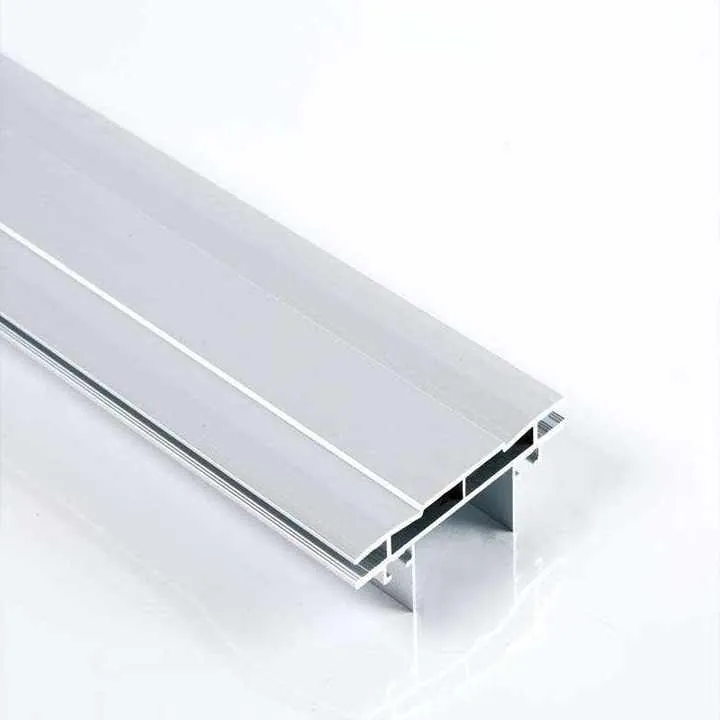
Why Is Oxidized Aluminum Profile So Important?
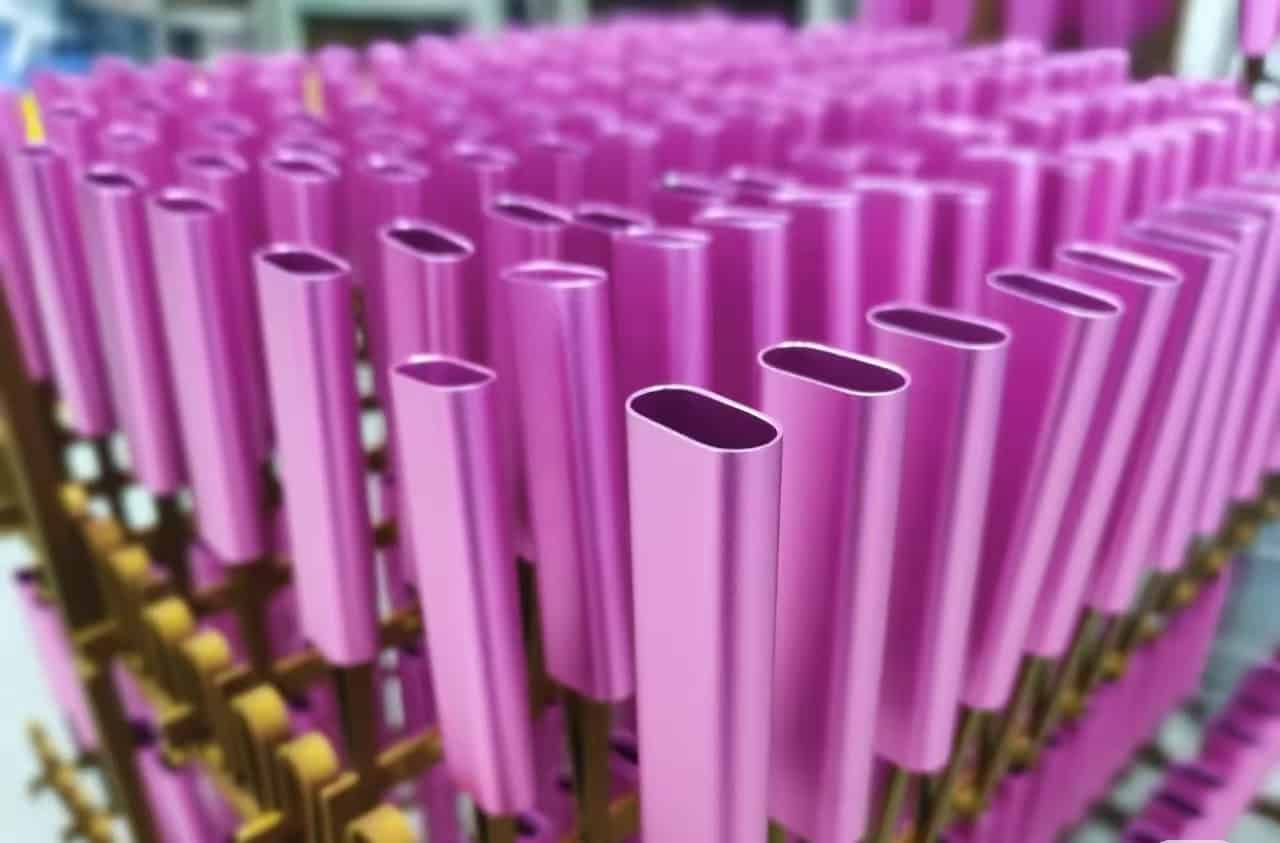
Have you ever marveled at the sleek finish of your favorite gadget or the sturdy frames of modern buildings? That’s often the magic of oxidized aluminum profiles at work!
Oxidized aluminum profiles, through anodization, gain a protective oxide layer that enhances their corrosion resistance and durability. This process makes them vital in industries such as construction, aerospace, and automotive due to their improved longevity and aesthetic versatility.
While the basic benefits of anodized aluminum are clear, let’s dig deeper into what truly makes it a cornerstone material across so many sectors.
Oxidized aluminum profiles are used in aerospace for weight reduction.True
Aerospace industry uses anodized aluminum for lightweight, strong components.
How Does Anodization Improve Aluminum’s Properties?
Anodization enhances aluminum by forming a protective layer that boosts corrosion resistance, hardness, and aesthetic appeal.
Anodization improves aluminum by creating a robust oxide layer, enhancing corrosion resistance, surface hardness, and allowing for diverse color finishes. This process transforms aluminum into a versatile material suited for demanding applications in construction, aerospace, and automotive industries.

Understanding Anodization: The Basics
Anodization is an electrochemical process that converts the surface of aluminum into an anodic oxide finish. This layer not only improves the metal’s durability but also its aesthetic appeal.
The process involves immersing aluminum in an electrolyte solution, such as sulfuric acid, and passing an electric current through the medium. The aluminum acts as the anode, where the oxidation reaction occurs, forming a thick and stable oxide layer on the surface.
Key Benefits of Anodization
-
Enhanced Corrosion Resistance: The anodized layer serves as a barrier against environmental elements such as moisture and chemicals, preventing corrosion. This is particularly advantageous in marine or industrial environments where exposure to corrosive agents is common.
-
Increased Surface Hardness: Anodization significantly enhances the hardness of the aluminum surface, making it resistant to wear and scratches. This property is crucial for applications where durability is a priority.
-
Aesthetic Versatility: The anodization process allows for various color finishes through dyeing techniques post-anodization. This capability provides designers with a range of colors from natural silver to vibrant hues like red and blue.
Practical Applications Across Industries
Construction Industry
Anodized aluminum is a preferred choice for structural components like window frames and curtain walls due to its weather resistance and long-lasting finish. The aesthetic flexibility also adds to its appeal in modern architecture.
Aerospace and Automotive Sectors
In these industries, weight and durability are critical factors. Anodized aluminum provides a lightweight yet robust solution, making it ideal for components such as aircraft wings and automotive body panels.
Consumer Electronics
The sleek finish of anodized aluminum is often used in gadgets like smartphones and laptops, where both durability and appearance are essential.
Customizing Aluminum Through Surface Treatments
While anodization forms the basis of enhancing aluminum properties, additional treatments like sandblasting1, polishing2, and brushing3 further refine its surface characteristics:
- Sandblasting: Prepares the surface for coating by creating a rough texture, increasing adhesion for paints and other finishes.
- Polishing: Achieves a smooth, mirror-like surface ideal for high-end applications where appearance is key.
- Brushing: Adds fine lines on the surface for a unique matte texture, often used in modern design themes.
Anodization increases aluminum's weight.False
Anodization does not increase weight; it enhances surface properties.
Anodized aluminum resists corrosion better.True
The anodic oxide layer acts as a barrier against corrosive elements.
What Are the Different Surface Treatments for Aluminum?
Aluminum’s versatility is enhanced by various surface treatments, each serving unique purposes from aesthetic appeal to durability enhancement.
Surface treatments for aluminum, such as anodizing, sandblasting, and brushing, enhance its corrosion resistance, wear resistance, and aesthetic appeal. These techniques allow aluminum to be tailored for specific applications, offering finishes ranging from matte textures to vibrant colors.

Understanding Aluminum Surface Treatments
Aluminum is a widely used material due to its lightweight and durability. However, to enhance its properties further, various surface treatments are applied. Each treatment serves distinct purposes, from improving wear resistance to achieving desired aesthetics.
Anodizing
Anodizing is a popular process that involves immersing aluminum in an electrolyte solution. The process creates a thick oxide layer that significantly enhances the metal’s corrosion resistance and surface hardness. Anodized aluminum can also be dyed in multiple colors, expanding its use in decorative applications.
Sandblasting
Sandblasting involves propelling abrasive particles at high speed against the aluminum surface. This treatment cleans and roughens the surface, enhancing paint adhesion and durability. It typically results in a matte finish, often used as a preparatory step before further coating.
Polishing
Polishing can be done mechanically or chemically to produce a smooth, shiny surface. This treatment reduces surface roughness and can create a mirror-like effect, offering a luxurious appearance suitable for high-end products. It’s commonly used in applications where aesthetic appeal is paramount.
Brushing
Brushing involves scraping the aluminum surface with abrasive materials to produce fine lines. This method creates a matte texture with a soft shine and is often used to provide a modern look. Brushed finishes are prevalent in consumer electronics and kitchen appliances for their stylish appeal.
Comparing Surface Treatments
| Treatment | Finish Type | Key Benefits |
|---|---|---|
| Anodizing | Varied colors | Corrosion resistance |
| Sandblasting | Matte finish | Improved paint adhesion |
| Polishing | Glossy | Enhanced aesthetic appeal |
| Brushing | Matte with shine | Modern, technological look |
These surface treatments allow aluminum4 to be tailored for specific applications, whether it’s for functional or decorative purposes. Each technique offers unique advantages that make aluminum suitable for a wide range of industries, from automotive to aerospace. By understanding these treatments, manufacturers can choose the right finish to meet their product requirements.
Anodizing enhances aluminum's corrosion resistance.True
Anodizing creates a thick oxide layer, boosting corrosion resistance.
Polishing aluminum results in a matte finish.False
Polishing creates a smooth, shiny surface, not matte.
Common Colors for Anodized Aluminum Profiles?
Anodized aluminum profiles are not only favored for their exceptional physical properties and durability but also for the wide variety of colors available. Through the anodizing process, the aluminum surface forms a strong oxide layer, allowing the material to be finished in various colors and finishes to meet diverse design requirements. The common anodized aluminum profile colors include:
-
Natural Aluminum (Silver):
Natural aluminum is the most basic and widely used color for anodized aluminum profiles. It retains the original metallic sheen of aluminum, offering a sleek, modern, and high-tech look. This color is ideal for applications where a natural, minimalist appearance is preferred, as well as for high-end designs. -
Black:
Black anodized aluminum is commonly used in modern architecture, industrial equipment, and furniture design. It offers a sophisticated, sleek, and professional appearance. The black anodized finish not only enhances the aesthetic appeal but also provides excellent corrosion resistance and durability, maintaining its appearance over time. -
Silver:
Silver anodized aluminum profiles are often used in the construction industry and for high-end home decor. The bright, clean, and elegant look of silver anodized profiles fits perfectly with contemporary designs and can be easily paired with other materials or colors in both residential and commercial spaces. -
Champagne:
Champagne anodized aluminum provides a soft, elegant metallic gold tone, often seen in luxury residential and commercial spaces, as well as in automotive interiors. This color exudes a sense of opulence and is a popular choice for premium designs due to its refined appearance and durability. -
Antique Bronze:
Antique bronze anodized aluminum profiles present a rich, deep metallic hue reminiscent of aged bronze. This color is particularly popular in classic and vintage design settings, adding a timeless, sophisticated touch to furniture, doors, windows, and architectural details. -
Gray:
Gray anodized aluminum profiles offer a neutral, balanced tone, widely used in both commercial and industrial applications. Its understated elegance and versatility make it ideal for office spaces, machinery, and exterior components, providing a professional and contemporary look.
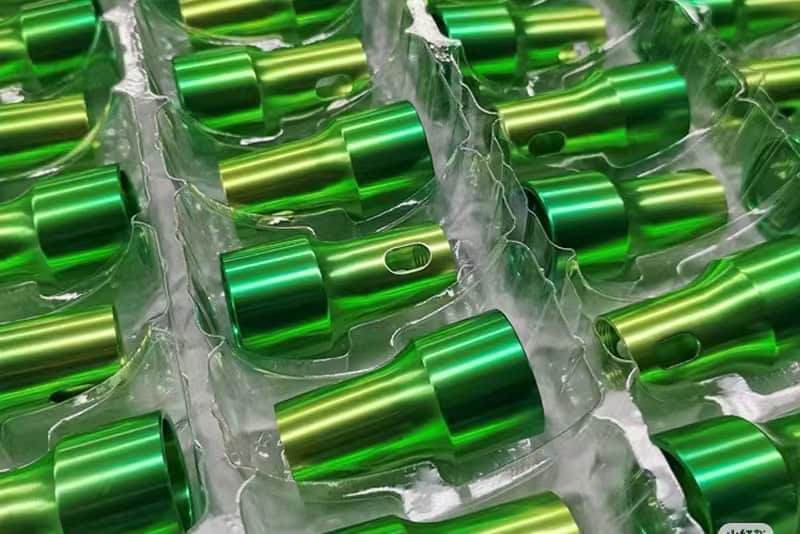
Custom Colors:
In addition to the common colors listed above, anodized aluminum profiles can be custom-colored to meet specific project requirements. With varying electrolyte formulations and current settings, anodizing can produce a broad range of colors, including gold, rose gold, blue, green, and more. Customization allows for unique finishes that can match brand identity or specific design aesthetics, making anodized aluminum highly adaptable to various industries.
Color Consistency:
Maintaining color consistency is crucial in the anodizing process. Manufacturers often employ strict quality control measures to ensure uniform color across different batches. This ensures that the anodized aluminum profiles meet the client’s specifications, with minimal color variation between pieces, even for large production runs.
This expanded version provides a comprehensive overview of the common anodized aluminum colors and their applications, emphasizing their importance in design flexibility and customization.
How Do Anodized Aluminum Profiles Benefit Various Industries?
Anodized aluminum profiles are integral to multiple industries, offering durability and versatility that enhance diverse applications.
Anodized aluminum profiles provide enhanced durability, corrosion resistance, and aesthetic versatility, making them essential in industries like construction, aerospace, and automotive. Their lightweight nature combined with robust properties makes them an indispensable material in modern manufacturing and design.
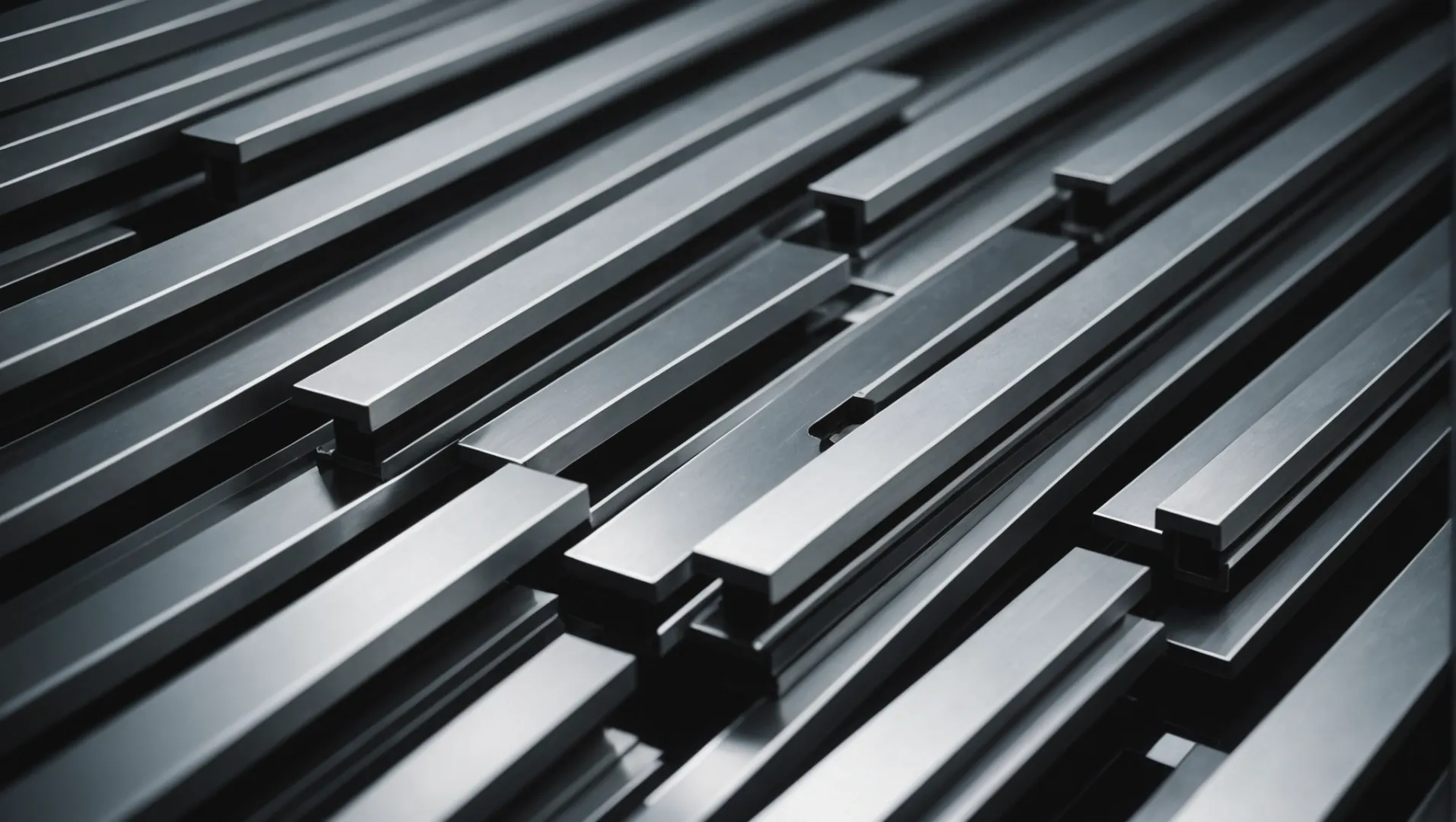
Construction Industry Applications
Anodized aluminum profiles play a crucial role in the construction industry due to their excellent weather resistance and structural integrity. They are commonly used in door and window systems where they offer not only aesthetic appeal but also thermal insulation. For instance, they serve as the primary material for curtain walls5, providing buildings with both decoration and insulation.
In sunroom constructions, anodized profiles facilitate natural light entry while ensuring durability against environmental factors. Additionally, interior decorations such as ceiling materials, partitions, and stair handrails also benefit from the anodization process, which enhances both durability and appearance.
Industrial and Manufacturing Uses
The industrial sector leverages anodized aluminum profiles for their lightweight and high-strength properties. They are integral in conveyor systems, serving as support structures in production lines. In mechanical applications, these profiles are used in the manufacture of machine components and industrial robots, enhancing precision and efficiency.
Furthermore, anodized profiles are pivotal in creating jigs and fixtures that optimize production processes, ensuring a seamless workflow in manufacturing environments.
Automotive Sector Integration
In automotive manufacturing, anodized aluminum profiles are preferred for reducing vehicle weight while maintaining strength, which is essential for fuel efficiency. These profiles are used in car bodies and chassis, offering significant advantages over traditional materials.
Moreover, they form part of various automotive components such as engine parts and chassis systems, contributing to overall vehicle performance and durability.
Aerospace and Aviation Benefits
The aerospace industry extensively utilizes anodized aluminum due to its combination of lightness and strength. Aircraft structures such as wings and fuselages employ these profiles to meet rigorous safety standards while enhancing fuel efficiency.
In the realm of space exploration, anodized profiles are used in spacecraft components, offering reliability under extreme conditions.
Renewable Energy Contributions
In the renewable energy sector, particularly in photovoltaic applications, anodized aluminum profiles provide structural support for solar panels. Their corrosion resistance ensures longevity even in harsh environmental conditions, making them an ideal choice for sustainable energy solutions.
Medical Equipment and Furniture Manufacturing
Anodized aluminum profiles’ lightweight yet robust nature makes them perfect for medical equipment frames, including stretchers and hospital beds. In furniture manufacturing, they offer durability and style for both indoor and outdoor settings.
An overview of anodized aluminum profile benefits across industries:
| Industry | Benefits |
|---|---|
| Construction | Weather resistance, aesthetic appeal, thermal insulation |
| Industrial | Lightweight structure, precision in machinery |
| Automotive | Weight reduction, improved performance |
| Aerospace | Strength-to-weight ratio, safety compliance |
| Renewable Energy | Longevity, environmental resilience |
| Medical & Furniture | Durability, corrosion resistance |
These multifaceted advantages highlight the pivotal role of anodized aluminum profiles across various industries.
Anodized aluminum profiles reduce vehicle weight in automotive.True
They are used in car bodies and chassis, improving fuel efficiency.
Anodized aluminum is unsuitable for medical equipment frames.False
Their lightweight and robust nature make them ideal for medical use.
What Factors Influence the Lifespan of Anodized Aluminum?
Anodized aluminum is celebrated for its durability, but what exactly determines its lifespan?
The lifespan of anodized aluminum depends on factors such as oxide layer quality, environmental conditions, maintenance, and application type. A thicker oxide layer offers better protection, while exposure to harsh environments can reduce longevity. Regular maintenance is crucial for extending its service life.
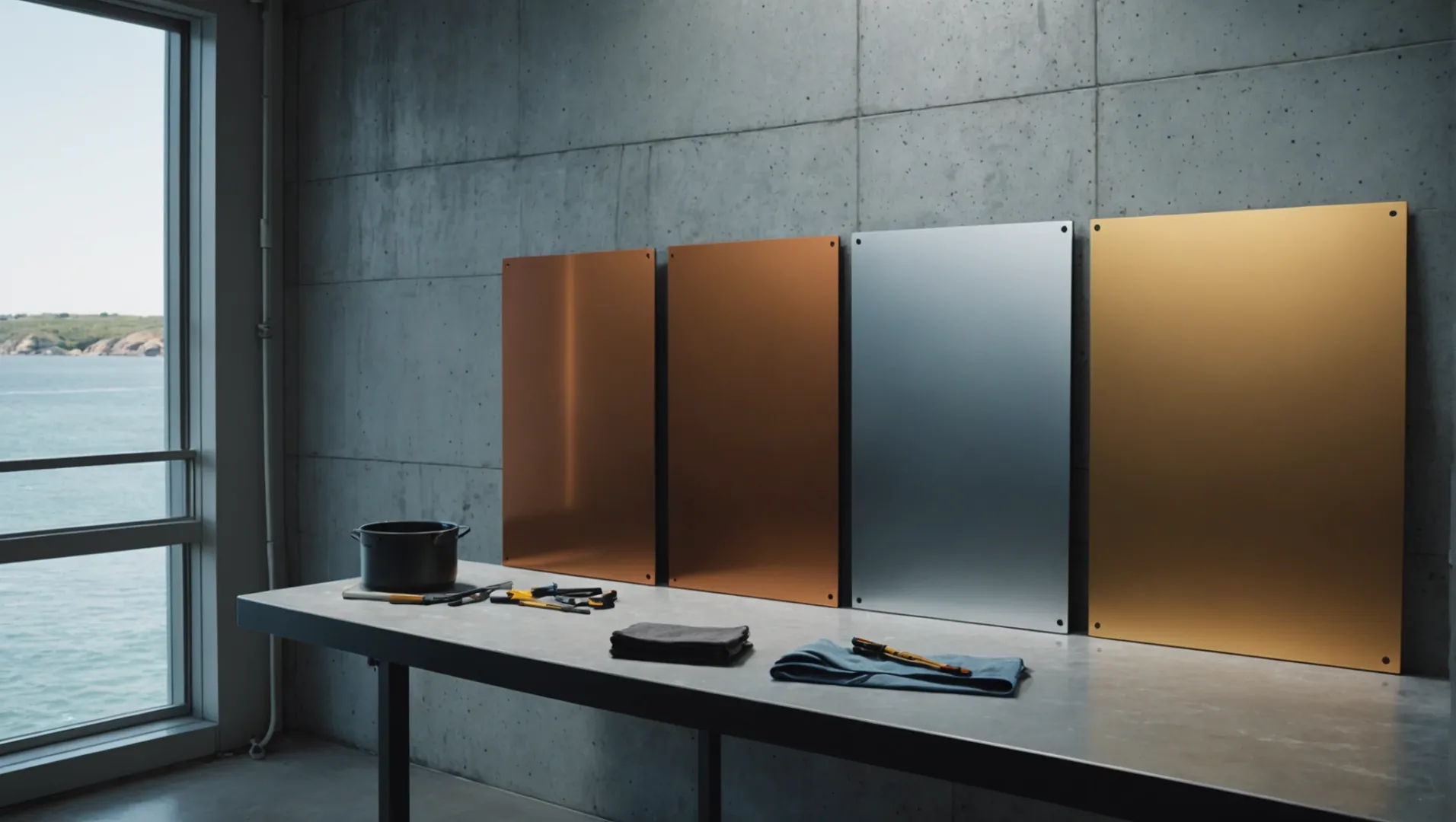
Oxide Layer Quality
The quality and thickness of the anodized layer are pivotal in determining the lifespan of anodized aluminum. A thicker oxide coating, usually over 10μm, provides enhanced protection against environmental elements. The process of anodization creates a hard, durable layer that shields the underlying aluminum from corrosion and wear. This protective layer acts as a barrier to prevent oxidation and physical damage.
Environmental Conditions
Exposure to different environmental conditions significantly affects the longevity of anodized aluminum. For instance, profiles used in coastal areas may experience accelerated degradation due to saltwater exposure, whereas those in controlled indoor environments tend to last longer. The presence of pollutants and UV exposure can also impact the durability of the anodized layer.
| Environment | Expected Lifespan |
|---|---|
| Coastal Areas | 5-10 years |
| Urban Areas | 10-15 years |
| Indoor Settings | 15-20 years |
Maintenance Practices
Regular maintenance is crucial for preserving the anodized layer’s integrity. Cleaning with non-abrasive solutions and avoiding harsh chemicals can prevent damage to the surface. Periodic inspections help in identifying early signs of wear or corrosion, allowing for timely interventions. Maintenance not only extends the lifespan but also maintains the material’s aesthetic appeal.
Application Type
The specific use of anodized aluminum influences its durability. Structural applications that undergo frequent mechanical stress may see more rapid wear compared to decorative applications. For instance, anodized aluminum used in construction may face different challenges than those in automotive applications due to varied exposure and usage patterns.
Understanding these factors helps in maximizing the benefits and lifespan of anodized aluminum. For more insights on maintenance practices for anodized materials6, explore additional resources available online.
A thicker oxide layer extends anodized aluminum's lifespan.True
Thicker oxide layers provide better protection against corrosion and wear.
Anodized aluminum lasts longer in coastal areas than indoors.False
Coastal exposure reduces lifespan due to saltwater and pollutants.
Conclusion
Anodized aluminum profiles are not just functional; they embody resilience and elegance across industries. Their adaptability ensures they remain vital for future innovations.
-
Discover how sandblasting enhances adhesion and durability.: Sandblasting forms a hardened layer on the surface of the aluminium arm body, increasing fatigue strength by more than 40%. The surface roughness and hardening … ↩
-
Learn how polishing achieves a smooth, shiny finish.: Protects Against Corrosion: Polishing removes oxidation and provides a protective layer that helps prevent future corrosion. Increases Longevity: Regular … ↩
-
Explore brushing techniques for unique matte textures.: Most likely, you will end up with brushing lines that bend and cross eachother and the brushing will look a little bit ghetto. When I was … ↩
-
Explore various aluminum treatments and their specific industrial applications.: 10 Types of Aluminum Finishes · 1. As Machined Finish · 2. Anodizing · 3. Powder Coating · 4. Alodine Finish (Chem Film) · 5. Bead Blasting · 6. ↩
-
Discover why anodized aluminum is ideal for building facades.: Protect Future Value and Effectively Manage Operating Costs · Avoid Duplication of Cost · The “Curb Appeal” Factor: Image and Appearance Boost Prestige and Tenant … ↩
-
Learn effective ways to extend the life of anodized surfaces.: Much like painted surfaces, an anodized finish should be cleaned using mild soap solutions to retain its original beauty. Products that are safe for use with … ↩