


The Importance of Aluminum Profiles in Waterproof and Fireproof Construction
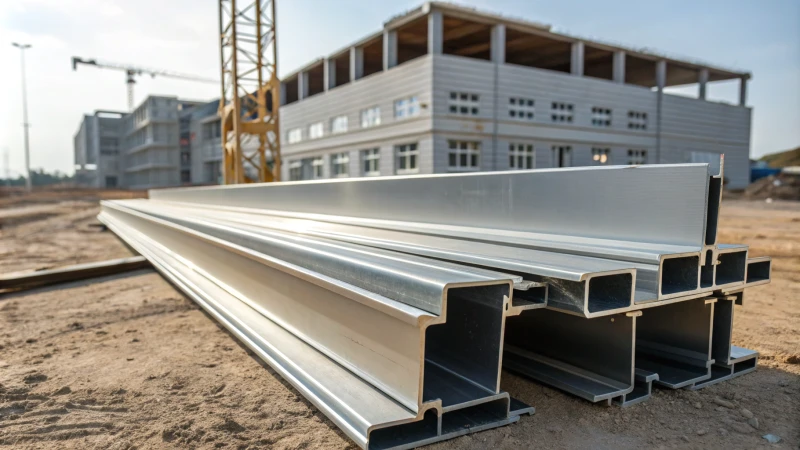
In the realm of modern construction, aluminum profiles stand out as a vital component for ensuring safety and durability.
Aluminum profiles play a crucial role in waterproofing and fire resistance in construction. Their natural moisture resistance and advanced surface treatments make them ideal for applications that require high durability and safety standards.
Understanding the multifaceted benefits of aluminum profiles can significantly impact your construction projects. Let’s delve deeper into their unique properties and applications.
Aluminum profiles enhance fire resistance in buildings.True
Aluminum's properties contribute to fire safety, making it a preferred choice for construction materials.
All aluminum profiles are waterproof by default.False
While aluminum is moisture resistant, not all profiles have waterproof features without proper treatments.
What are the key benefits of using aluminum profiles in construction?
Aluminum profiles have emerged as a popular choice in construction due to their numerous benefits. But what exactly makes them stand out?
The key benefits of using aluminum profiles in construction include durability, lightweight properties, cost-effectiveness, design versatility, and environmental sustainability. These factors make aluminum an ideal choice for modern building projects.
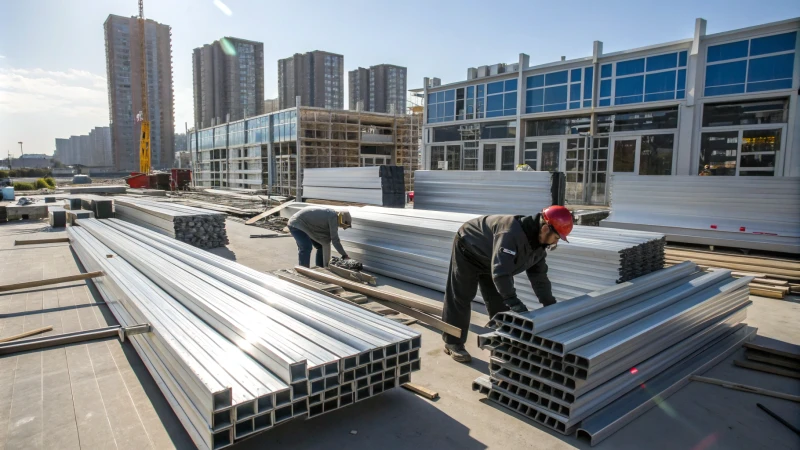
Durability and Longevity
Aluminum profiles are renowned for their durability. Unlike materials such as wood, which can warp or rot over time, aluminum is resistant to weathering and does not deteriorate easily.
With proper surface treatments like anodizing, aluminum profiles can last for decades without significant maintenance. This longevity translates to lower lifecycle costs for construction projects, making aluminum a wise investment. For more detailed information on maintenance, consider exploring maintenance practices1.
Lightweight Nature
One of the most significant advantages of using aluminum in construction is its lightweight property. Aluminum is about one-third the weight of steel, which facilitates easier handling and transportation on construction sites.
This property can lead to reduced structural support requirements, resulting in lower overall project costs. Lightweight materials also contribute to quicker assembly times, which can accelerate project completion schedules. To understand the impact on project timelines, check out construction efficiency2.
| Property | Aluminum | Steel | Wood |
|---|---|---|---|
| Weight | Lightweight | Heavier | Varies |
| Corrosion Resistance | High | Moderate | Low |
| Maintenance | Low | Moderate | High |
Cost-Effectiveness
While the initial cost of aluminum profiles may be higher than some alternatives, their cost-effectiveness becomes evident over time.
The longevity and low maintenance needs of aluminum lead to significant savings in repair and replacement costs. Moreover, their energy efficiency due to excellent thermal insulation properties can also reduce heating and cooling costs in buildings.
For a deeper dive into cost analysis, see budget-friendly materials3.
Versatility in Design
Aluminum profiles offer remarkable versatility in design applications. They can be easily shaped and customized to meet various architectural demands, making them ideal for modern construction trends.
From sleek façades to intricate interior designs, aluminum profiles can adapt to both aesthetic and functional requirements. This adaptability not only enhances the visual appeal of buildings but also allows for creative solutions in design. To explore innovative design ideas, check out design trends4.
Environmental Sustainability
As a material, aluminum is highly sustainable. It is recyclable, and recycling aluminum requires only 5% of the energy used to produce new aluminum from ore.
Using recycled aluminum profiles in construction helps reduce the overall carbon footprint of projects, aligning with global sustainability goals. For insights into sustainable building practices, visit eco-friendly construction5.
Aluminum profiles are more durable than wood in construction.True
Aluminum's resistance to weathering and rotting makes it last longer than wood, ensuring durability in construction projects.
Using aluminum profiles increases project costs significantly.False
While initial costs may be higher, aluminum's longevity and low maintenance lead to long-term savings, making it cost-effective overall.
How do surface treatment technologies enhance aluminum’s properties?
Surface treatment technologies play a pivotal role in enhancing aluminum’s properties, especially for demanding applications. But how do they achieve this?
Surface treatment technologies such as anodizing, powder coating, and electrophoretic coating significantly enhance aluminum’s properties by improving corrosion resistance, durability, and aesthetic appeal, making them ideal for various industrial applications.
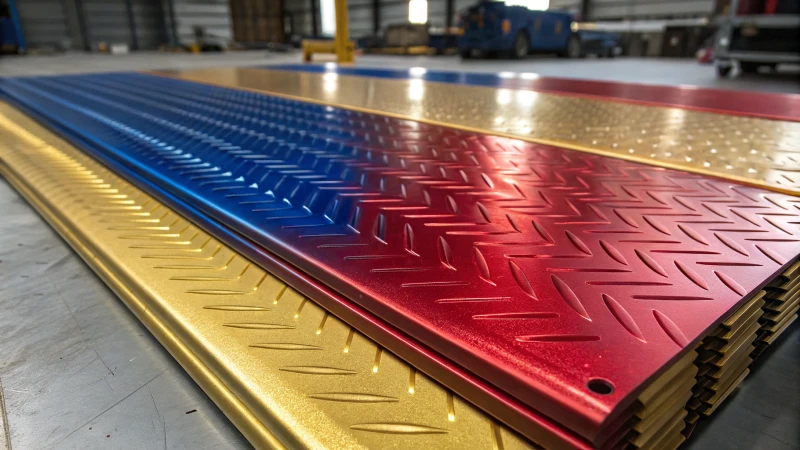
Understanding Surface Treatment Technologies
Surface treatment technologies are essential for enhancing the physical properties of aluminum, particularly in demanding applications such as aerospace, automotive, and construction. These processes not only improve the appearance of aluminum but also significantly enhance its durability and resistance to various environmental factors.
-
Anodizing
Anodizing is a widely used electrochemical process that creates a thick oxide layer on the surface of aluminum. This layer enhances corrosion resistance and improves wear resistance. The anodized surface is also more aesthetically pleasing and can be dyed in various colors.
For example, anodizing can increase the lifespan of aluminum components in marine environments by preventing saltwater corrosion.
Learn more about anodizing benefits6. -
Powder Coating
Powder coating is a finishing process where a dry powder is applied to aluminum surfaces and then cured under heat. This method results in a hard finish that is tougher than conventional paint.
The advantages of powder coating include:- Durability: Resistant to chipping, scratching, fading, and wearing.
- Environmental Impact: Contains no solvents and releases negligible VOCs into the atmosphere.
- Versatility: Available in various textures and colors to suit design needs.
Explore powder coating options7.
-
Electrophoretic Coating
Electrophoretic coating involves the application of a charged paint solution to the aluminum surface, which adheres and cures under electric current. This process provides a uniform finish and excellent protection against corrosion.
Common applications include automotive parts, where high durability and aesthetic appeal are crucial.
Discover electrophoretic coating technology8.
Benefits of Enhanced Properties
The enhancement of aluminum properties through surface treatment technologies translates into significant benefits across various industries:
| Property | Improvement Through Treatment | Application Areas |
|---|---|---|
| Corrosion Resistance | Increased by anodizing and coatings | Aerospace, Marine |
| Wear Resistance | Enhanced through anodizing and powder coating | Automotive, Industrial Equipment |
| Aesthetic Appeal | Improved through powder coating and anodizing | Architectural Elements |
| Fire Resistance | Enhanced with fire-retardant coatings | Building Construction |
These treatments enable aluminum to meet stringent regulations and performance standards across diverse fields, ensuring safety and reliability in their applications.
Industry Applications
The utilization of surface treatment technologies in aluminum has led to innovation in various sectors:
- Aerospace: Lightweight yet strong components are critical, making anodized aluminum preferable due to its enhanced properties.
- Construction: Buildings require materials that withstand weather conditions; treated aluminum profiles offer durability and aesthetic value.
- Automotive: Enhancements contribute to fuel efficiency and performance while maintaining safety standards.
By understanding how these surface treatments work, businesses can make informed decisions regarding their material choices, leading to improved product quality and sustainability in manufacturing.
Anodizing improves aluminum's corrosion resistance.True
Anodizing creates a thick oxide layer that significantly enhances aluminum's resistance to corrosion, especially in harsh environments like marine applications.
Powder coating is more durable than conventional paint.True
Powder coating results in a tough finish that resists chipping and fading better than traditional paint, making it ideal for various applications.
What specific applications benefit from aluminum’s waterproof and fireproof qualities?
Aluminum’s waterproof and fireproof qualities provide significant benefits across various applications. Discover how different sectors leverage these properties to enhance safety and durability.
Aluminum’s waterproof and fireproof properties benefit numerous applications, including construction, automotive, and specialized industrial environments, ensuring enhanced safety and longevity of structures.
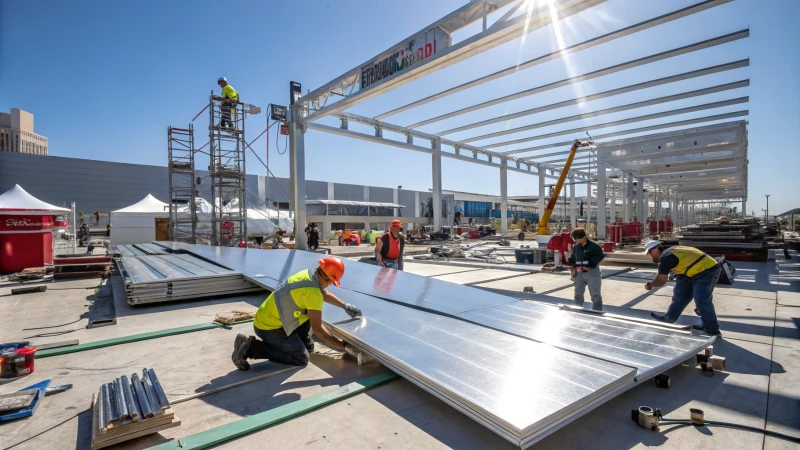
Applications in Construction and Architecture
Aluminum’s waterproof and fireproof properties are leveraged extensively in the construction sector. For instance, aluminum profiles are utilized in curtain walls and partition systems to provide robust barriers against rainwater infiltration while maintaining high fire resistance.
-
Curtain Walls: These are non-structural outer coverings of buildings that protect against weather elements. Aluminum’s properties ensure that the interiors remain dry, thus prolonging the building’s life.
-
Partition Systems: They create divisions within spaces while also acting as effective moisture barriers. The use of aluminum here ensures compliance with safety regulations while enhancing aesthetic appeal.
Specialized Industrial Applications
In specialized environments such as laboratories and warehouses, aluminum profiles find critical applications due to their durability. Here’s how:
| Application | Benefits |
|---|---|
| Laboratories | Used for safety cabinets storing hazardous materials, ensuring fire and moisture safety. |
| Warehouses | Structural elements that protect against water damage and meet fire safety standards. |
This ensures that hazardous chemicals are securely stored, minimizing risks of fire hazards.
Transportation and Automotive Sector
Aluminum is increasingly used in the automotive industry for its lightweight yet robust nature. Applications include:
-
Car Frames and Body Panels: The waterproof coatings prevent corrosion from water exposure while fire-resistant treatments ensure safety during accidents.
-
Travel Tents: For outdoor enthusiasts, aluminum alloy tents benefit from waterproof qualities, essential for durability during adverse weather conditions. For more on outdoor equipment, check out outdoor gear insights9.
Fire Safety Compliance in Building Codes
To comply with building regulations, various fire safety measures can be integrated with aluminum profiles:
- Fire-retardant Coatings: These specialized coatings enhance the natural fire resistance of aluminum, making it suitable for high-risk areas in buildings.
- Ventilation Systems: Properly designed ventilation using aluminum elements can significantly slow down fire spread, enhancing overall building safety. Explore more about fire safety standards10.
Marine and Outdoor Structures
The marine industry also benefits from aluminum’s waterproof nature, particularly:
- Boat Construction: Aluminum’s resistance to seawater corrosion makes it a popular choice for boat hulls, ensuring longevity and safety at sea.
- Outdoor Furniture: Aluminum is often used for garden furniture due to its ability to withstand harsh weather conditions while resisting moisture and rust. Discover more about marine applications11.
Summary of Benefits
- Durability: Aluminum profiles enhance the lifespan of structures.
- Safety: Fireproof and waterproof properties ensure compliance with regulations.
- Versatility: Suitable for various applications across industries from construction to transportation.
Aluminum’s unique properties make it an essential material in modern applications requiring protection against fire and water damage. Each sector benefits from tailored solutions that leverage aluminum’s inherent advantages, ensuring safety and longevity in their designs.
Aluminum is used in curtain walls for fire safety compliance.True
Curtain walls made from aluminum provide robust fire resistance, ensuring compliance with safety regulations in construction projects.
Aluminum's waterproof qualities benefit only marine applications.False
While aluminum is essential for marine use, its waterproof properties also benefit construction and automotive sectors significantly.
How can aluminum profiles help comply with building safety regulations?
Aluminum profiles are essential in modern construction, aiding compliance with building safety regulations through their unique properties. Here’s how they contribute effectively.
Aluminum profiles help comply with building safety regulations by offering excellent fire resistance, waterproofing capabilities, and structural integrity, making them ideal materials for safe and durable construction.
Understanding Building Safety Regulations
Building safety regulations are designed to ensure the safety and integrity of structures. These regulations cover various aspects, including fire resistance, structural stability, and waterproofing.
Aluminum profiles provide solutions that address these safety concerns effectively. For example, the fire-retardant properties of aluminum profiles, enhanced through surface treatments, help meet the stringent requirements of fire safety codes. Moreover, they contribute to the overall structural integrity of buildings by providing robust frameworks that can withstand various environmental challenges.
Fire Resistance and Safety
One of the critical ways aluminum profiles comply with building safety regulations is through their fire-resistant characteristics. When treated with specialized coatings, aluminum can significantly slow the spread of fire. This is crucial for high-rise buildings and commercial spaces where fire safety is paramount.
| Coating Type | Fire Resistance Level | Application Area |
|---|---|---|
| Anodized Coating | Moderate | Residential Structures |
| Powder Coating | High | Commercial and Industrial Uses |
| Electrophoretic Coating | Very High | High-Risk Areas (e.g., Laboratories) |
The table above illustrates how different types of coatings can enhance the fire resistance of aluminum profiles, making them suitable for various applications.
Waterproofing Capabilities
Aluminum profiles also excel in waterproofing, an essential requirement for compliance with building regulations. By utilizing anodized aluminum, builders can create systems that effectively prevent water penetration. This is particularly vital for areas prone to heavy rainfall or flooding.
The advantages of using aluminum profiles in waterproofing include:
- Durability: Resistant to corrosion and degradation over time.
- Low Maintenance: Requires minimal upkeep compared to other materials.
- Customizability: Can be tailored to fit specific architectural designs.
Structural Integrity
The structural integrity provided by aluminum profiles is another factor contributing to compliance with safety regulations. Aluminum’s lightweight nature allows for flexible design options while maintaining strength. This versatility enables architects and engineers to innovate without compromising safety standards.
For instance, in seismic zones, aluminum profiles can be designed to absorb and dissipate energy during an earthquake, thus enhancing building safety. This adaptability is essential for modern construction practices that prioritize both safety and aesthetics.
Conclusion on Compliance Measures (Sub-heading only)
Compliance with building safety regulations is not just about meeting legal standards; it also involves choosing materials that enhance overall safety. Aluminum profiles stand out as a top choice due to their fire resistance, waterproofing, and structural integrity. For detailed insights on the specific standards and tests aluminum profiles undergo, explore building regulations compliance or fire safety standards.
Aluminum profiles enhance fire safety in buildings.True
Aluminum profiles have fire-retardant properties, making them effective in slowing fire spread, crucial for compliance with safety regulations.
Aluminum profiles are not waterproof materials.False
Contrary to this claim, aluminum profiles are known for their excellent waterproofing capabilities, essential for building safety compliance.
Conclusion
Aluminum profiles enhance construction safety through waterproofing and fire resistance, offering durability and versatility for various applications while complying with building regulations.
-
Discover how aluminum profiles can enhance your construction projects by exploring their benefits in detail. ↩
-
Learn more about the durability and lightweight nature of aluminum profiles for your next project. ↩
-
Find out why aluminum is considered a cost-effective option for construction materials. ↩
-
Get inspired by innovative design ideas using aluminum profiles in modern architecture. ↩
-
Understand the importance of sustainability in choosing materials for your building projects. ↩
-
Discover how surface treatments can elevate your aluminum products’ performance and longevity. This link provides valuable insights into modern techniques. ↩
-
Explore the various finishes available for aluminum through powder coating. Understanding these options can help you choose the best solution for your needs. ↩
-
Learn about the advantages of electrophoretic coating in enhancing aluminum’s resistance properties. This knowledge can be crucial for specific industrial applications. ↩
-
Explore this link to gain insights into innovative uses of aluminum in various industries, enhancing your understanding of its practical benefits. ↩
-
This resource provides detailed information on fire safety regulations related to aluminum use, crucial for compliance in construction projects. ↩
-
Learn about marine applications of aluminum that highlight its resistance to harsh environments, beneficial for outdoor projects. ↩


