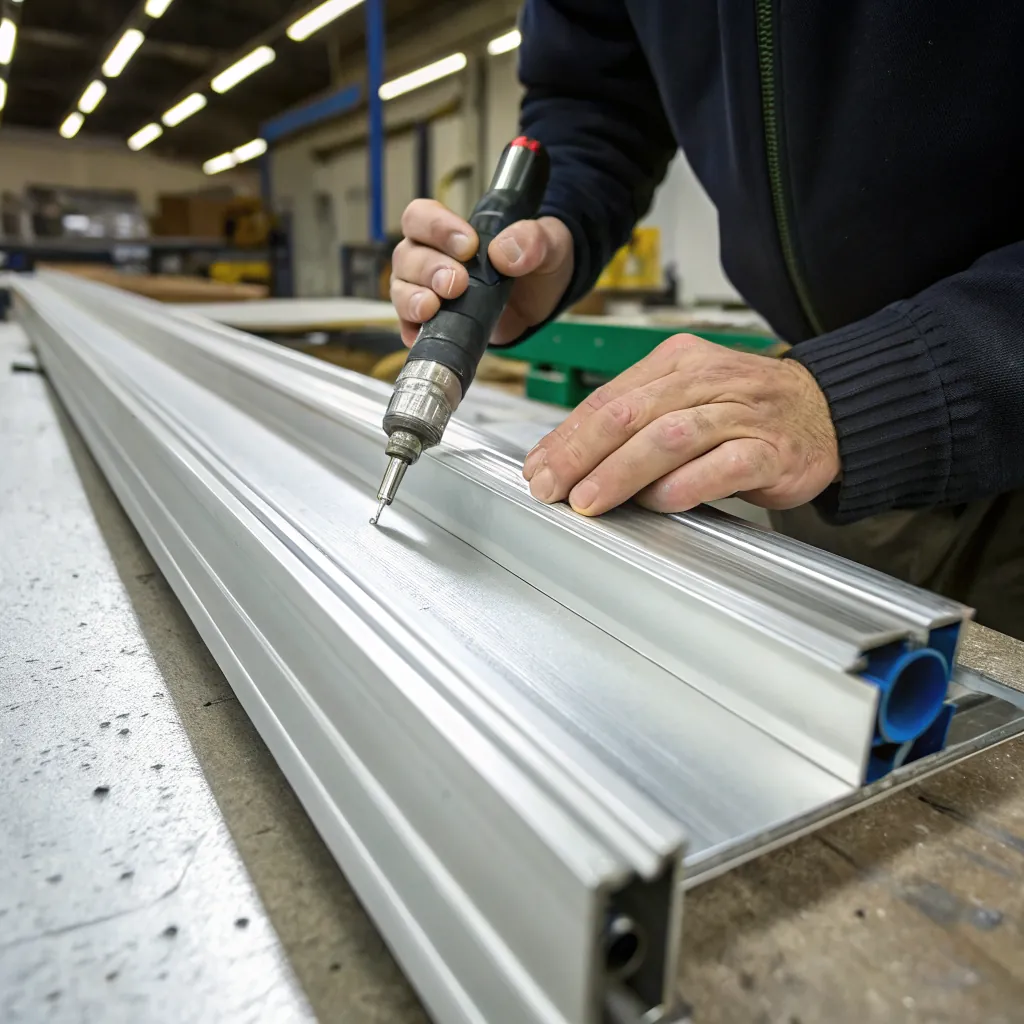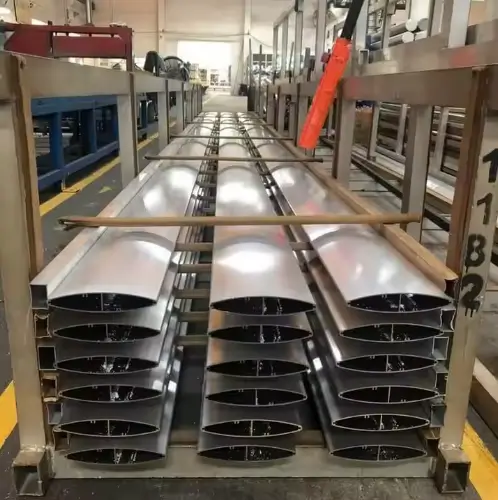

Alumínium extrudált profilok alkalmasak-e nagy teherbírású keretekhez?

Heavy duty frames often fail when the load grows faster than the design plan. This causes delays, safety risks, and high rework cost. Many buyers still choose profiles by habit, not by real load needs.
Yes, aluminum extrusion can be suitable for heavy duty frames when load rating, wall thickness, alloy treatment, and profile shape are chosen with a clear engineering logic.
Many buyers stop reading after basic specs. That is risky. Frame failure rarely comes from one factor. It comes from several weak choices stacking together. This article breaks each factor into simple parts so decisions stay clear and practical.
What load capacities qualify profiles as heavy-duty?
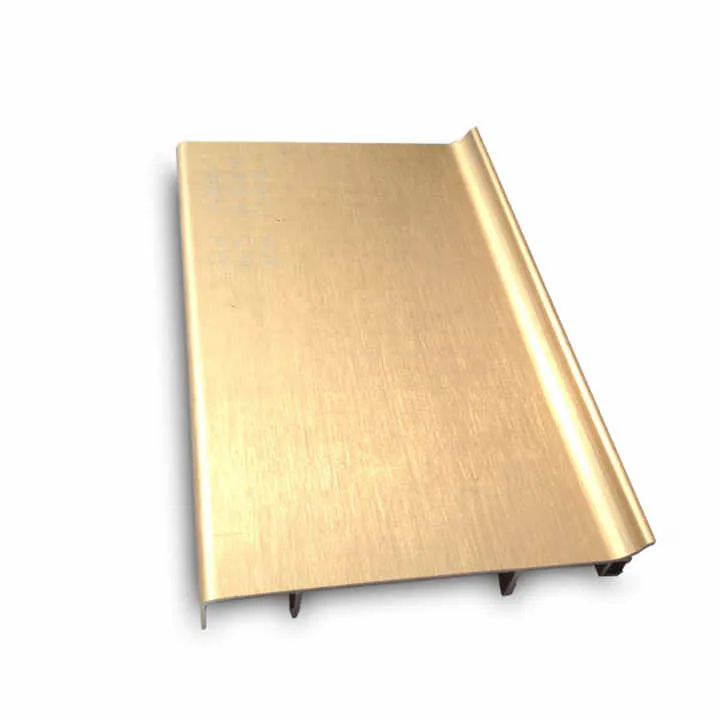
Heavy duty frames are often confused with thick looking frames. That visual judgment causes design mistakes. Some frames bend slowly. Others fail suddenly. Both issues start from ignoring load capacity.
A profile is considered heavy duty when it safely carries static and dynamic loads with a large safety margin under real working conditions.
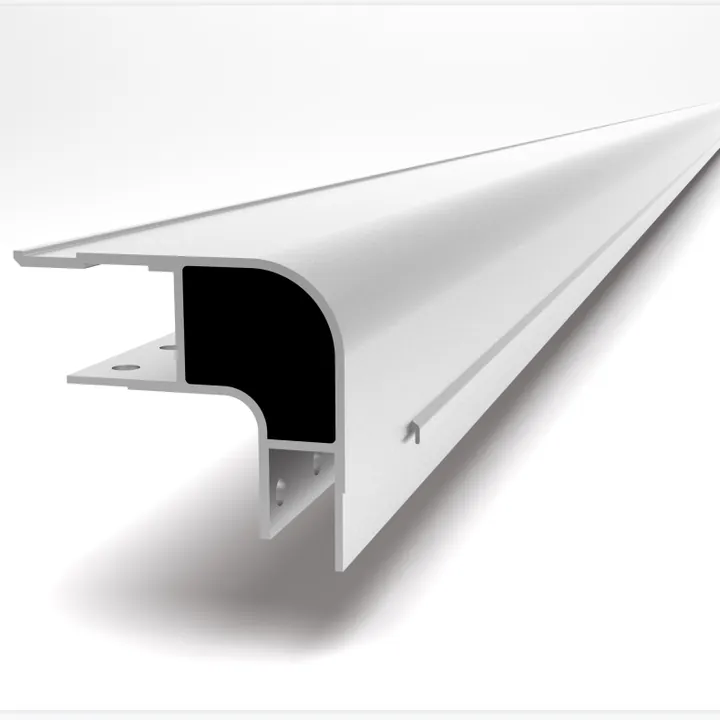
Load capacity is not one number. It changes with span length, fixing method, and load type. I have seen frames rated for high loads fail because the span was longer than tested. This happens often in factory floors and solar support systems.
Static load vs dynamic load
Static load stays constant. Dynamic load moves, vibrates, or impacts the frame. Heavy duty frames must survive both.
Dynamic loads create fatigue. Fatigue cracks appear long before visible bending. That is why dynamic load rating matters more than static numbers.
Typical load ranges used in practice
Below is a simple reference table used during early selection. Final design still needs calculation.
| Alkalmazás típusa | Typical load per frame | Duty level |
|---|---|---|
| Light equipment stand | 200-500 kg | Not heavy duty |
| Industrial workstation | 800-1500 kg | Medium duty |
| Conveyor support frame | 2000-4000 kg | Heavy duty |
| Large machine base | 5000 kg and above | Extra heavy duty |
Safety factor is not optional
Many buyers accept a safety factor of 1.5. That is risky. For heavy duty frames, a factor of 2.0 or higher is safer. This covers unknown shock loads and long term wear.
Why published load charts are not enough
Supplier charts assume perfect installation. Real sites have uneven floors, misalignment, and uneven loading. I always assume at least 20 percent loss from ideal conditions.
Key takeaway for load qualification
Heavy duty qualification starts when the profile can carry the maximum working load plus safety margin without permanent deformation over its service life.
Heavy duty aluminum profiles are defined only by thicker walls and higher weight.Hamis
Wall thickness alone does not define heavy duty capacity. Load type, span, alloy, and profile shape are equally important.
Dynamic load rating is more critical than static load rating for long term frame reliability.Igaz
Dynamic loads cause fatigue and cracking over time, which often leads to early failure even if static load limits are not exceeded.
How does wall thickness affect frame strength?
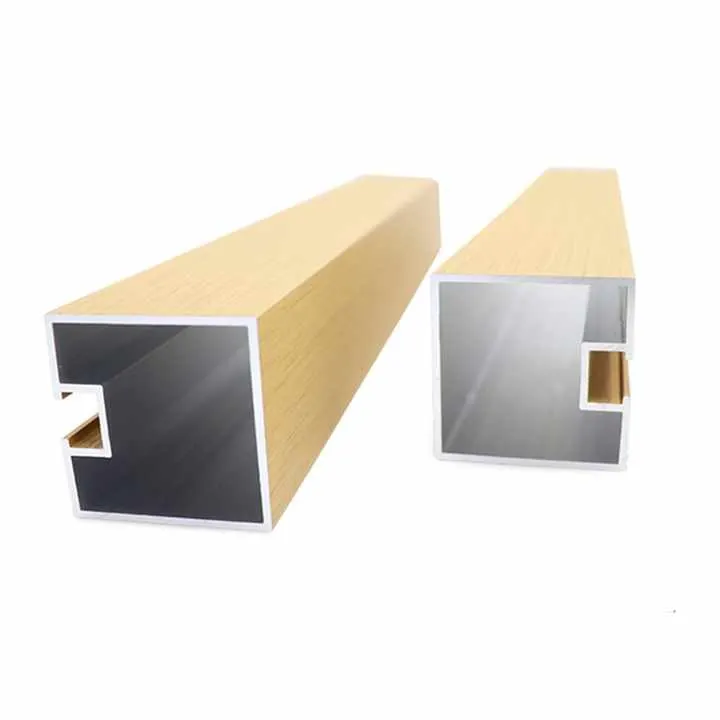
Many buyers focus only on outer size. That creates false confidence. Strength comes from how material is placed, not just how much is used.
Wall thickness increases strength, but only when matched with proper profile geometry and load direction.

I have reviewed designs where walls were thick but frames still twisted. The issue was poor section design, not lack of metal.
Relationship between wall thickness and stiffness
Wall thickness improves stiffness, not linearly. Doubling thickness does not double stiffness. The gain reduces as thickness increases.
The location of thickness matters more than the amount. Material placed far from the neutral axis increases bending resistance much more effectively.
Thin walls can still work in heavy duty frames
Thin walls combined with deep sections can outperform thick but shallow profiles. This is common in box and I beam like extrusions.
Practical wall thickness ranges
| Profile outer size | Általános falvastagság | Tipikus használat |
|---|---|---|
| 40-80 mm | 2.0-3.0 mm | Közepes teherbírású keretek |
| 80-120 mm | 3.0-5.0 mm | Nagy teherbírású keretek |
| 120 mm and above | 5.0-10.0 mm | Extra heavy duty |
These ranges assume proper alloy and heat treatment.
Wall thickness and connection zones
Joints are stress concentration points. Thicker walls improve thread engagement and bolt bearing strength. This matters for modular frames that rely on fasteners.
Trade offs to watch
Thicker walls increase weight and cost. They also increase extrusion difficulty. Poor die design can cause uneven thickness, which reduces strength consistency.
Field experience insight
In several plant projects, reducing wall thickness but improving section depth reduced total weight while increasing stiffness. This lowered transport cost and improved assembly speed.
Increasing wall thickness always leads to proportional increases in frame stiffness.Hamis
Stiffness gains reduce as thickness increases. Profile shape and material placement matter more.
Wall thickness improves joint strength in bolted aluminum frames.Igaz
Thicker walls provide better thread engagement and bearing area, improving joint reliability.
Can alloy treatment improve frame durability?
Some buyers see alloy codes as marketing terms. That is a mistake. Alloy treatment defines how the frame behaves over time.
Yes, proper alloy selection and heat treatment significantly improve durability, fatigue resistance, and long term stability.
Durability is not only about strength. It is about how the frame survives cycles, temperature changes, and corrosion.
Common alloys used in heavy duty frames
| Ötvözet | Hőkezelés | Key advantage |
|---|---|---|
| 6063-T5 | Mesterséges öregítés | Good surface, moderate strength |
| 6061-T6 | Solution heat treated | High strength, good fatigue |
| 6082-T6 | Heat treated | Very high load capacity |
6061-T6 and 6082-T6 are often chosen for heavy duty frames due to higher yield strength.
Heat treatment and fatigue life
Heat treatment refines grain structure. This improves fatigue resistance. Frames under vibration benefit most from T6 treatment.
Corrosion resistance matters
Durability drops fast if corrosion starts. Proper alloy choice combined with anodizing or coating protects strength over time. Corrosion pits act as crack starters.
Hőmérséklet hatások
Some frames operate near heat sources. Alloy choice affects how strength changes with temperature. High strength alloys maintain properties better under moderate heat.
Real world mistake to avoid
I have seen outdoor frames built with high strength alloy but poor surface protection. After two years, corrosion reduced effective section thickness. Load capacity dropped without warning.
Cost vs durability balance
Higher alloy cost is often offset by longer service life and reduced maintenance. For B2B buyers, this usually lowers total ownership cost.
Heat treatment improves fatigue resistance of aluminum extrusion frames.Igaz
Heat treatment refines microstructure, which increases resistance to cyclic loading and crack growth.
All aluminum alloys perform the same under long term vibration.Hamis
Different alloys and treatments show large differences in fatigue behavior and durability.
Which profile shapes maximize strength to weight ratio?
Weight reduction without strength loss is a common goal. Many frames fail because shape selection is based on appearance or catalog habit.
Profiles with material placed far from the center axis, such as box, I, and multi cavity sections, provide the best strength to weight ratio.
Shape controls bending resistance, torsional stiffness, and buckling behavior.
Why solid bars are inefficient
Solid profiles waste material near the center where stress is low. Hollow sections use material where it works hardest.
Common high efficiency shapes
| Shape type | Strength benefit | Tipikus használat |
|---|---|---|
| Box section | High bending and torsion | Gépkeretek |
| I beam like | High bending in one direction | Support beams |
| Multi cavity | Balanced stiffness | Moduláris rendszerek |
| T slot industrial | Flexible assembly | Equipment frames |
Torsional stiffness matters
Many frames twist before they bend. Closed shapes like boxes resist torsion much better than open shapes.
Hajlítási ellenállás
Tall frames under compression can buckle. Wider profiles with internal ribs delay buckling without much weight increase.
Gyártási korlátok
Complex shapes cost more to extrude. There is a balance between performance and die cost. Early collaboration avoids redesign later.
Design habit that causes failure
Choosing narrow profiles and increasing thickness seems logical but often fails in torsion. Increasing depth is usually more effective.
Practical selection rule
When weight matters, increase section depth first. Use thickness only to support joints and local stresses.
Closed box profiles provide higher torsional stiffness than open profiles of similar weight.Igaz
Closed sections resist twisting more effectively because material forms a continuous loop.
Solid aluminum bars offer the best strength to weight ratio for frames.Hamis
Solid bars place material inefficiently and usually perform worse than hollow or ribbed profiles.
Következtetés
Heavy duty aluminum frames succeed when load, wall thickness, alloy treatment, and profile shape work together. Ignoring any one factor creates hidden risk. Careful early choices reduce failure, cost, and long term maintenance.