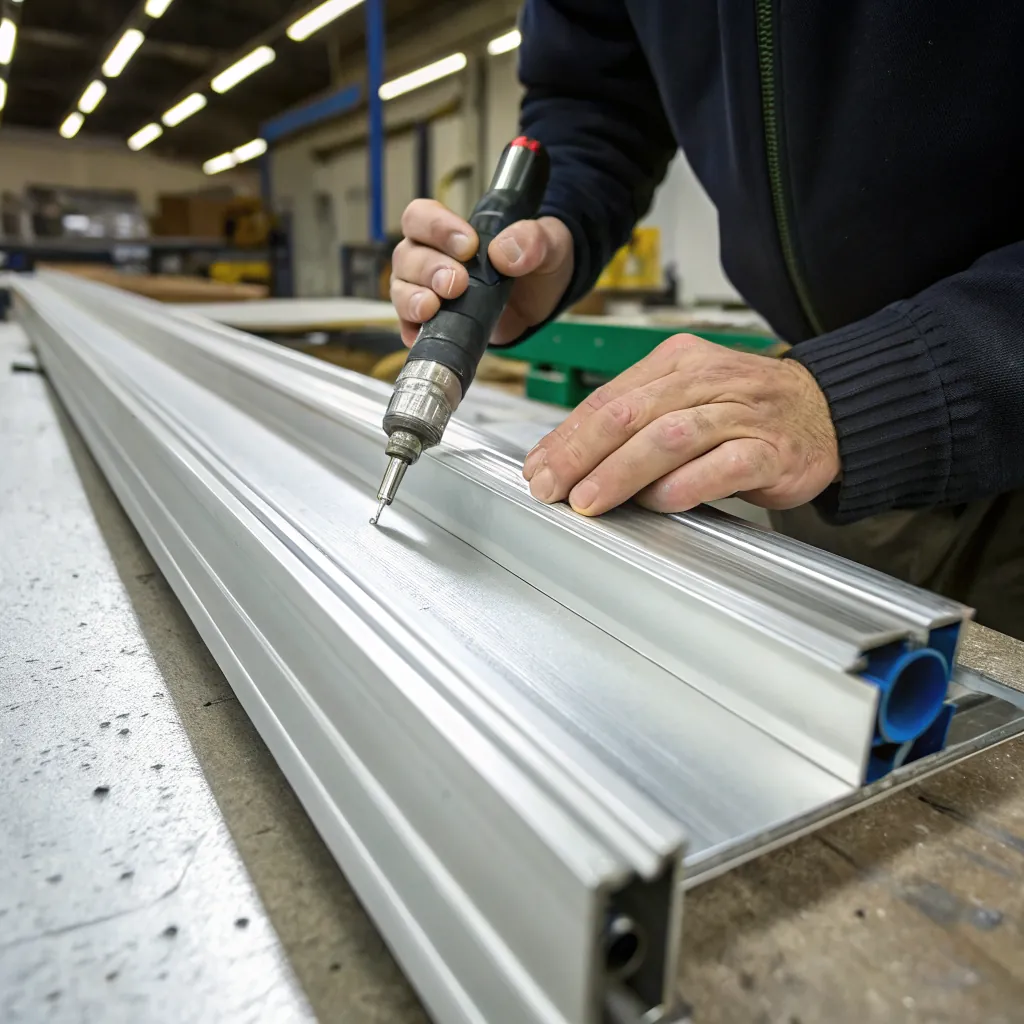
Alumínium extrudálás védőcsomagolás típusok?

Surface damage often appears after shipping, not production. Scratches, stains, or oxidation may ruin good aluminum extrusions. Many buyers only realize the problem when the shipment arrives.
Protective wraps for aluminum extrusions include PE film, kraft paper, bubble wrap, foam film, and shrink wrap. Each material protects surfaces in different ways, such as preventing scratches, blocking moisture, and reducing friction during storage and transport.
Many people focus on alloy quality and extrusion precision. Yet surface protection during packaging is just as important. The right protective wrap prevents damage during transport, handling, and long-term storage.
Understanding wrap materials, thickness, and storage conditions helps buyers select the most reliable protection method.
What materials are used for protective extrusion wrapping?
Surface scratches are one of the most common problems during aluminum transport. Profiles may look perfect after extrusion. However, friction between pieces during shipping can damage the finish.
Protective wrapping materials for aluminum extrusions usually include PE protective film, kraft paper, bubble wrap, foam film, and plastic shrink wrap, each designed to protect surfaces from scratches, moisture, and handling damage.

Why Protective Wrapping Is Necessary
Aluminum profiles often have delicate surface finishes. These include anodizing, powder coating, and brushed surfaces.
During transportation, several risks appear:
- friction between profiles
- vibration during truck or sea transport
- contact with packaging materials
- exposure to humidity
Protective wraps create a physical barrier between the aluminum surface and external forces.
Common Protective Wrap Materials
Several wrapping materials are widely used in the aluminum extrusion industry.
| Anyag | Main Function | Védelmi szint |
|---|---|---|
| PE védőfólia | Surface scratch protection | Közepes |
| Kraftpapír | Light moisture barrier | Közepes |
| Buborékfólia | Impact cushioning | Magas |
| Foam film (EPE) | Shock absorption | Magas |
| Műanyag zsugorfólia | Bundle sealing | Közepes |
Each material serves a different purpose.
PE Protective Film
PE film is the most common surface protection material. It attaches directly to the aluminum surface.
The film prevents scratches caused by friction during handling.
Many films also include light adhesive that leaves no residue after removal.
Kraft Paper Wrapping
Kraft paper wraps bundles of profiles. It protects from light moisture and dust.
It also separates aluminum layers inside bundles.
Bubble Wrap and Foam Film
These materials provide cushioning.
They reduce vibration and shock during transport.
This protection becomes important when profiles travel long distances.
Combined Packaging System
Factories rarely rely on only one material.
Instead, several layers are used together.
Typical wrapping structure:
- PE film on profile surface
- Kraft paper bundle wrap
- Foam or bubble protection
- Outer shrink wrap
This layered protection reduces both mechanical damage and environmental risks.
Protective wrapping materials help prevent scratches and handling damage during aluminum extrusion transportation.Igaz
Protective wraps create a barrier between aluminum surfaces and external friction or impact.
Protective wrapping is unnecessary if aluminum profiles are stacked carefully.Hamis
Even carefully stacked profiles can shift during transport, causing friction and surface damage without protective wrapping.
How does wrap thickness affect surface protection?
Many buyers focus only on wrapping material type. However, wrap thickness also plays an important role. A thin film may protect against dust but fail to prevent scratches.
Wrap thickness affects protection by increasing cushioning strength, reducing friction damage, and improving resistance to tearing during shipping and handling.
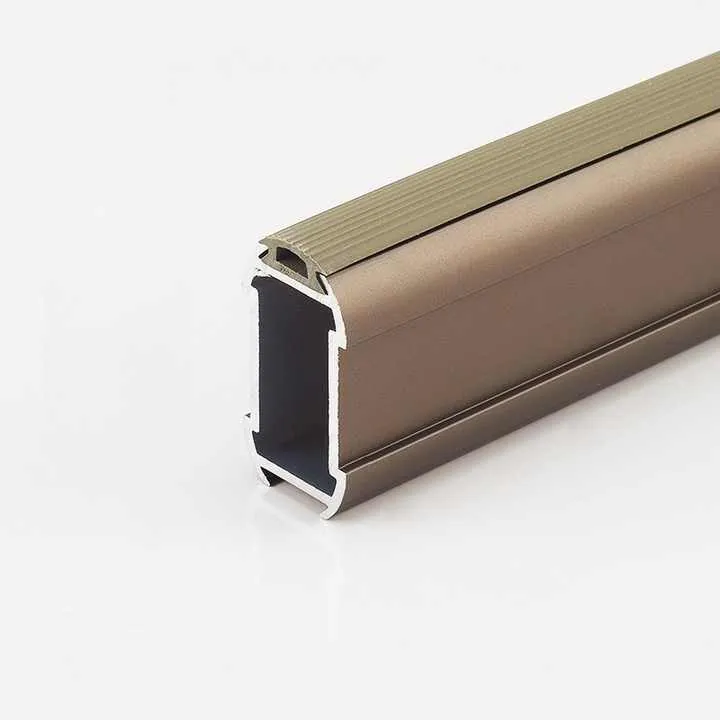
Understanding Wrap Thickness
Protective wraps are measured by thickness or density.
Például:
- PE film thickness is measured in microns
- foam film thickness is measured in millimeters
- bubble wrap thickness depends on bubble height
Thicker materials usually provide better protection.
However, thickness also affects cost and packaging volume.
PE Protective Film Thickness Range
PE film commonly used for aluminum extrusion ranges between 30 to 100 microns.
| Vastagság | Tipikus használat | Védelmi szint |
|---|---|---|
| 30–40 micron | Light surface protection | Alacsony |
| 50–60 micron | Szabványos exportcsomagolás | Közepes |
| 70–100 micron | Heavy-duty protection | Magas |
Thin films work for short transport distances. Thicker films are better for long sea shipments.
Foam and Cushion Materials
Foam films provide shock absorption.
Typical foam thickness ranges from 1 mm to 5 mm.
Thicker foam provides better cushioning during vibration.
Risk of Using Thin Wraps
Thin wraps tear more easily.
When tears appear, aluminum surfaces become exposed.
This increases the risk of scratches and moisture contact.
Balance Between Cost and Protection
Packaging decisions often balance protection and cost.
Very thick wrapping increases:
- material cost
- packaging time
- shipping volume
However, insufficient protection may lead to product damage.
Many experienced exporters choose medium thickness with layered protection.
Practical Experience From Shipping
In long-distance shipments, vibration occurs constantly.
Trucks, ships, and cranes move cargo many times.
Thin wrapping may survive initial packaging but fail after weeks of movement.
Proper thickness ensures the protective barrier remains intact until delivery.
Thicker protective wraps generally provide better resistance to scratches and shipping vibration.Igaz
Increased thickness improves cushioning and tear resistance during transportation.
Thin wrapping materials always protect aluminum surfaces as effectively as thick materials.Hamis
Thin wraps tear easily and provide limited protection against vibration and impact.
Are UV-resistant wraps necessary for outdoor storage?
Many aluminum shipments remain outdoors before installation. Profiles may sit in construction yards or warehouses for weeks. Sunlight exposure can damage certain packaging materials.
UV-resistant wraps are necessary when aluminum extrusions are stored outdoors because they prevent film degradation, adhesive failure, and surface exposure caused by prolonged sunlight.
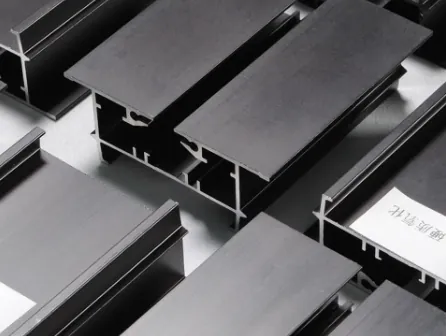
How UV Light Affects Packaging Materials
Ultraviolet radiation slowly breaks down plastic materials.
Idővel a szabványos csomagolófóliák:
- törékeny
- fakó
- repedt
- nehezen eltávolítható
Ezek a problémák akkor jelentkeznek, ha az alumínium hosszabb ideig napfény alatt marad.
PE-fólia és UV-expozíció
A szabványos PE-fólia rövid szállítási időszakok alatt is jól teljesít.
Erős napsugárzás hatására azonban a fólia heteken belül lebomolhat.
A ragasztóréteg is változhat.
Bizonyos esetekben a filmmaradványok az alumínium felületére tapadnak.
UV-ellenálló filmtechnológia
Az UV-álló védőfólia speciális stabilizátorokat tartalmaz.
Ezek az adalékanyagok lassítják a napfény által okozott károkat.
Az előnyök közé tartoznak:
- hosszabb kültéri tartósság
- stabil ragasztási teljesítmény
- könnyebb filmeltávolítás
Amikor az UV-védelem fontos
Az UV-álló csomagolások a következőkhöz ajánlottak:
| Helyzet | UV kockázat |
|---|---|
| Kültéri építési tárolás | Magas |
| Sivatagi vagy trópusi éghajlat | Magas |
| Rövid raktározás | Alacsony |
| Beltéri gyári tárolás | Alacsony |
A forró éghajlaton megvalósuló projektek számára különösen előnyös az UV-álló csomagolás.
Hosszú építési határidők
Az építési projektek gyakran késnek.
Az alumínium anyagok a tervezettnél hosszabb ideig maradhatnak a helyszínen.
Az UV-álló csomagolások segítenek fenntartani a védelmet ezekben a kiszámíthatatlan időbeosztásokban.
Csomagolási tervezés építési projektekhez
Az exportőrök gyakran kérdezik az ügyfeleket a tárolási feltételekről.
Ha kültéri tárolás várható, az UV-álló fólia biztonságosabb választássá válik.
Ez csökkenti a csomagolás meghibásodásának kockázatát a telepítés előtt.
Az UV-álló védőfóliák segítenek megakadályozni a fólia károsodását, amikor az alumínium extrudált termékeket a szabadban tárolják.Igaz
A fóliában lévő UV-stabilizátorok csökkentik a napfény okozta károsodást és fenntartják a védőhatást.
A hagyományos védőfóliák ugyanúgy viselkednek, mint az UV-álló fóliák hosszú távú napfényhatás alatt.Hamis
A szabványos fóliák gyorsabban lebomlanak az UV-expozíció hatására, és megrepedhetnek vagy ragasztómaradványokat hagyhatnak maguk után.
Használhatók-e az újrafelhasználható csomagolások ömlesztett szállításhoz?
A fenntarthatóság egyre fontosabbá válik a gyártásban és a logisztikában. Sok vállalat most azt kérdezi, hogy a csomagolóanyagok újrafelhasználhatók-e.
Az újrafelhasználható csomagolások az alumínium ömlesztett szállítása során akkor használhatók, ha tartós anyagokat, például szövött szövetcsomagolásokat, újrafelhasználható habszivacs borításokat vagy nagy teherbírású védőtakarókat használnak, és a logisztikai rendszerek lehetővé teszik a visszaküldést és az újrafelhasználást.

Hagyományos csomagolás vs. újrafelhasználható rendszerek
A legtöbb alumínium sajtolóipari exportőr eldobható csomagolást használ.
Gyakori anyagok:
- PE-fólia
- zsugorfólia
- kraft papír
Ezek az anyagok költséghatékonyak, de nem újrafelhasználhatóak.
Az újrafelhasználható csomagoláshoz erősebb anyagok szükségesek.
Közös újrafelhasználható csomagolási lehetőségek
Számos újrafelhasználható csomagolási rendszer létezik.
| Anyag | Újrafelhasználhatóság | Alkalmazás |
|---|---|---|
| Szőtt polipropilén csomagolások | Magas | Ipari szállítás |
| Reusable foam sleeves | Közepes | Profile protection |
| Protective moving blankets | Magas | Helyi közlekedés |
| Fabric pallet covers | Magas | Warehouse movement |
These materials withstand repeated use.
Logistics Challenges
Reusable packaging works best in closed logistics systems.
Például:
- transport between factories
- domestic supply chains
- internal warehouse movement
International shipping presents challenges.
Returning packaging materials across countries increases cost.
Cost vs Sustainability
Reusable packaging reduces waste.
However, it requires additional systems such as:
- return logistics
- cleaning and inspection
- tracking packaging units
Companies must evaluate whether the system saves cost over time.
Hybrid Packaging Strategy
Some companies use hybrid solutions.
Reusable materials protect profiles inside the factory.
Disposable packaging protects them during export shipping.
This approach balances sustainability with logistics practicality.
Industry Trend Toward Greener Packaging
Environmental regulations are increasing worldwide.
Many aluminum buyers now request recyclable or reusable packaging solutions.
This trend encourages packaging innovation across the extrusion industry.
Reusable wraps can be effective in bulk shipping when logistics systems support their return and reuse.Igaz
Durable wraps can protect aluminum profiles and be reused multiple times when logistics allow.
Reusable packaging is always cheaper than disposable packaging for international aluminum shipments.Hamis
International shipping often makes reusable packaging more expensive due to return logistics costs.
Következtetés
Protective wraps play a key role in preserving aluminum extrusion quality during shipping and storage. The right materials, proper thickness, UV resistance, and appropriate packaging systems work together to prevent scratches, environmental damage, and handling risks.