Alumínium extrudált profilok kémiai ellenállóságára vonatkozó adatok?

Chemical exposure is a silent risk in many projects. Many buyers assume aluminum is always safe. That wrong assumption often leads to corrosion, failure, and cost loss.
Aluminum extrusions have good chemical resistance to many common environments, but the resistance level depends on alloy, surface condition, and chemical type.
Many buyers ask for resistance data, but few know how to read it. This article explains aluminum extrusion chemical resistance in clear and practical terms, based on real production experience.
What chemicals are aluminum extrusions resistant to?
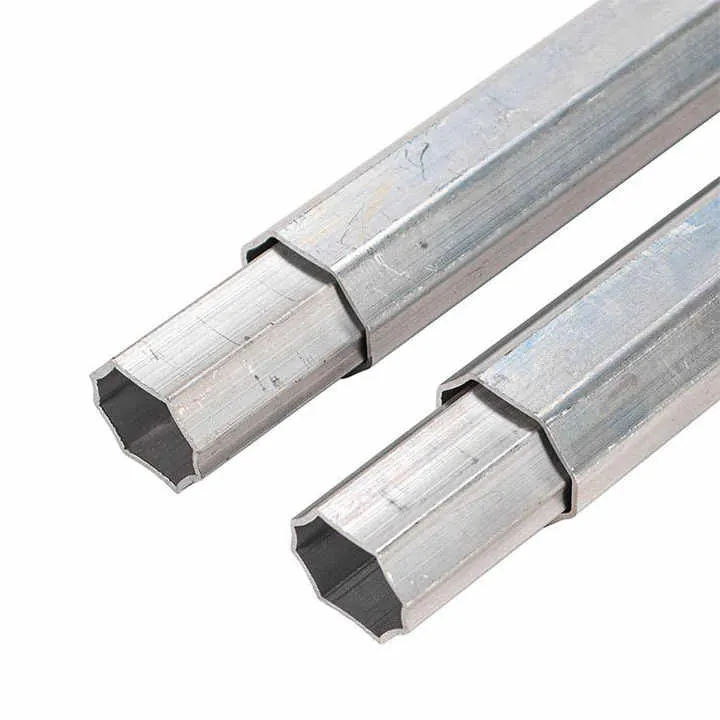
Chemical damage often happens slowly. It starts with discoloration. Then pitting appears. Finally, the profile loses strength. Many failures could be avoided by knowing which chemicals aluminum can resist.
Aluminum extrusions resist many neutral and mild chemicals, including water, air, alcohols, and weak acids, but they react strongly with strong acids and alkalis.
This resistance comes from a natural oxide layer that forms on aluminum surfaces. That layer is thin but stable in many environments.
Natural oxide protection
When aluminum meets air, it forms an oxide film. This film is dense and sticks tightly to the metal surface. It blocks oxygen and moisture from reaching the base metal.
This is why aluminum performs well in outdoor use, dry indoor areas, and mild industrial settings.
Chemicals aluminum usually resists well
In daily and industrial use, aluminum extrusions show strong resistance to many substances.
| Chemical type | Resistance level | Typical use environment |
|---|---|---|
| Fresh water | Kiváló | Cooling systems |
| Sea water | Jó | Tengeri szerkezetek |
| Alcohols | Kiváló | Cleaning processes |
| Weak organic acids | Jó | Food equipment |
| Oils and fuels | Kiváló | Gépkeretek |
These chemicals do not break down the oxide layer quickly. In many cases, aluminum can last decades without visible damage.
Chemicals aluminum does NOT resist
Some chemicals attack aluminum aggressively. They destroy the oxide layer and expose the base metal.
| Chemical type | Reaction risk | Typical damage |
|---|---|---|
| Strong acids | Magas | Pitting and mass loss |
| Strong alkalis | Nagyon magas | Rapid surface attack |
| Chlorides at high heat | Közepes vagy magas | Local corrosion |
| Mercury compounds | Extreme | Structural failure |
This is why aluminum is not used in some chemical plants unless extra protection is applied.
Alloy differences matter
Not all aluminum extrusions behave the same way. 6063 and 6061 alloys are common, but their resistance is not identical.
6063 has better surface quality and corrosion resistance. 6061 has higher strength but slightly lower chemical resistance in some conditions.
This difference becomes critical in long term exposure environments.
Aluminum extrusions naturally resist water, air, and many mild chemicals due to a stable oxide layer.Igaz
The oxide layer forms automatically and protects aluminum in many common environments.
Aluminum extrusions can safely resist all strong acids and alkalis without surface treatment.Hamis
Strong acids and alkalis destroy the oxide layer and attack aluminum quickly.
How does surface coating affect chemical resistance?
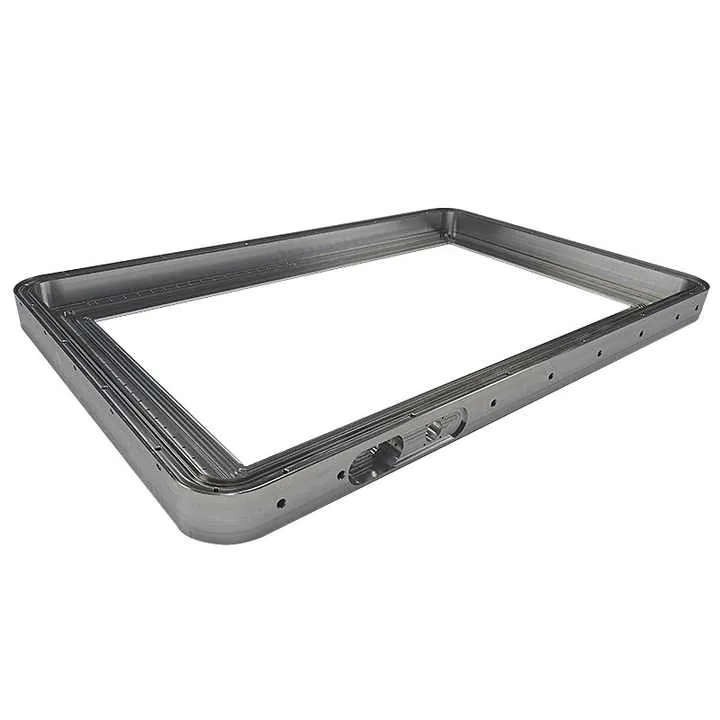
Many buyers focus only on alloy grade. This often leads to wrong material choices. Surface coating is just as important as the base metal.
Surface coatings significantly improve chemical resistance by sealing the aluminum surface and blocking chemical contact.
Different coatings provide different protection levels. The choice depends on chemical type, temperature, and exposure time.
Why coatings change resistance behavior
A coating acts as a barrier. It stops chemicals from touching aluminum directly. If the coating stays intact, corrosion stops.
If the coating fails, corrosion starts fast. This is why coating quality matters more than coating thickness alone.
Common coating types for aluminum extrusions
Eloxálás
Anodizing thickens the oxide layer. It improves corrosion and wear resistance. It also creates a porous structure that can be sealed.
Anodized aluminum performs well in mild chemical environments. However, not all anodized layers are equal.
Porszórás
Powder coating adds a polymer layer on top of aluminum. It offers strong resistance to many acids and salts.
It also improves appearance and UV resistance. But once scratched, the exposed aluminum can corrode.
Electrophoresis coating
This coating provides uniform coverage, even in deep grooves. It offers good resistance to humidity and mild chemicals.
It is often used in architectural and automotive applications.
Coating selection based on chemical exposure
| Bevonat típusa | Acid resistance | Alkali resistance | Tipikus használat |
|---|---|---|---|
| Eloxálás | Közepes | Alacsony | Építészet |
| Porszórás | Magas | Közepes | Outdoor frames |
| Elektroforézis | Közepes | Közepes | Autóalkatrészek |
Choosing the wrong coating leads to early failure, even with a high quality alloy.
Real production insight
In past projects, profiles with thin anodizing failed in alkaline cleaning lines. The same profiles with powder coating lasted years.
This difference came from coating choice, not alloy change.
Surface coatings reduce chemical contact and improve aluminum extrusion resistance.Igaz
Coatings act as barriers that prevent chemicals from reaching the aluminum surface.
All surface coatings provide the same level of chemical resistance.Hamis
Different coatings protect against different chemicals and exposure conditions.
Can anodized surfaces resist harsh chemicals?
Anodizing is often misunderstood. Many buyers believe anodized aluminum is chemical proof. This belief causes costly mistakes.
Anodized surfaces resist mild chemicals well, but they cannot withstand long exposure to strong acids or alkalis.
Understanding anodizing limits is critical in chemical environments.
How anodizing actually works
Anodizing converts the surface into aluminum oxide. This oxide layer is thicker than the natural oxide.
The layer has pores. These pores can absorb dyes or sealing agents.
Sealing improves resistance but does not make aluminum immune.
Performance in different chemicals
Anodized aluminum performs well in:
- Neutral water
- Atmospheric exposure
- Mild detergents
- Weak organic acids
It performs poorly in:
- Sodium hydroxide solutions
- Hydrochloric acid
- Sulfuric acid at high concentration
These chemicals dissolve the oxide layer over time.
Effect of anodizing thickness
Thicker anodizing improves resistance. But the improvement is limited.
| Anodizálás vastagsága | Chemical resistance level |
|---|---|
| 5-10 mikron | Alapvető |
| 10-15 microns | Közepes |
| 20-25 microns | Higher but limited |
Even thick anodizing will fail in strong alkaline tanks.
Sealed vs unsealed anodizing
Sealing closes surface pores. This reduces chemical penetration.
Unsealed anodizing absorbs liquids easily. This leads to faster corrosion.
Many failures happen because anodizing was not sealed properly.
Gyakorlati tanácsok a gyártásból
For chemical plants, anodizing alone is rarely enough. A secondary coating or material change is safer.
Anodizing works best for architectural and light industrial use.
Anodized aluminum resists mild chemicals but fails under strong acids or alkalis.Igaz
Strong chemicals dissolve the anodized oxide layer over time.
Increasing anodizing thickness makes aluminum fully resistant to harsh chemicals.Hamis
Thickness improves resistance but cannot stop attack from strong chemicals.
Which test standards measure resistance data?

Chemical resistance claims mean little without test data. Many buyers receive reports but do not know what they show.
Chemical resistance data is measured using standardized corrosion and exposure tests defined by international standards.
These standards help compare materials under controlled conditions.
Miért fontosak a szabványok
Without standards, results cannot be compared. Test conditions change outcomes.
Standards define chemical type, concentration, temperature, and exposure time.
Common test standards for aluminum extrusions
ASTM szabványok
ASTM provides widely used corrosion test methods.
ASTM B117 is a salt spray test. It shows resistance to chloride environments.
ASTM G31 measures immersion corrosion in liquids.
ISO-szabványok
ISO standards focus on uniform testing methods.
ISO 9227 is similar to salt spray testing.
ISO 11846 tests resistance to chemicals used in industrial cleaning.
EN szabványok
EN standards are often used in Europe.
They focus on architectural aluminum and surface treatment quality.
What test data really tells you
Test results show relative performance. They do not predict exact service life.
A profile that passes 1000 hours of salt spray does not last forever in real use.
How to read test reports correctly
Buyers should focus on:
- Chemical type used
- Concentration level
- Hőmérséklet
- Exposure duration
- A kudarc meghatározása
Ignoring these details leads to wrong conclusions.
Real buyer mistake example
A buyer once approved anodized profiles based only on salt spray data. The real environment was alkaline cleaning.
The profiles failed in months because the test did not match reality.
Standardized tests allow comparison of aluminum chemical resistance under controlled conditions.Igaz
Standards define test conditions and evaluation methods.
Passing a salt spray test guarantees aluminum extrusion survival in all chemical environments.Hamis
Salt spray tests only represent chloride exposure, not all chemicals.
Következtetés
Aluminum extrusion chemical resistance depends on alloy, surface treatment, and real exposure conditions. Understanding limits, choosing the right coating, and reading test data correctly prevents costly failures and improves long term performance.