Alumínium extrudálás minimális sugarú tervezési szabályok?
Az alumíniumprofilok gyakran a gyártás végén hibásodnak meg, mert a sarokrádiuszokat kitalálták, nem pedig megtervezték. Ez a kockázat időbe, szerszámokba és bizalomba kerül.
A minimális sugár az alumínium extrudálásnál az ötvözettől, a falvastagságtól és a profil áramlásától függ, és elég nagynak kell lennie ahhoz, hogy a fém szakadás vagy feszültség kialakulása nélkül mozoghasson.
Sok vásárló úgy gondolja, hogy a sugárszabályok egyszerű számok. Nem azok. A sugár egy rendszer eredménye. A fém áramlásából, a szerszám szilárdságából és a végső felhasználásból adódik. Ez a cikk a szabályokat közérthetően magyarázza el, azon alapulva, amit nap mint nap látunk a műhelyben.
Mekkora a minimális hajlítási sugár extrudált alumínium esetében?
A rövid sugarak a rajzokon tisztának tűnnek, de ezek a legfőbb okai a szerszámok repedésének és a profilok meghibásodásának.
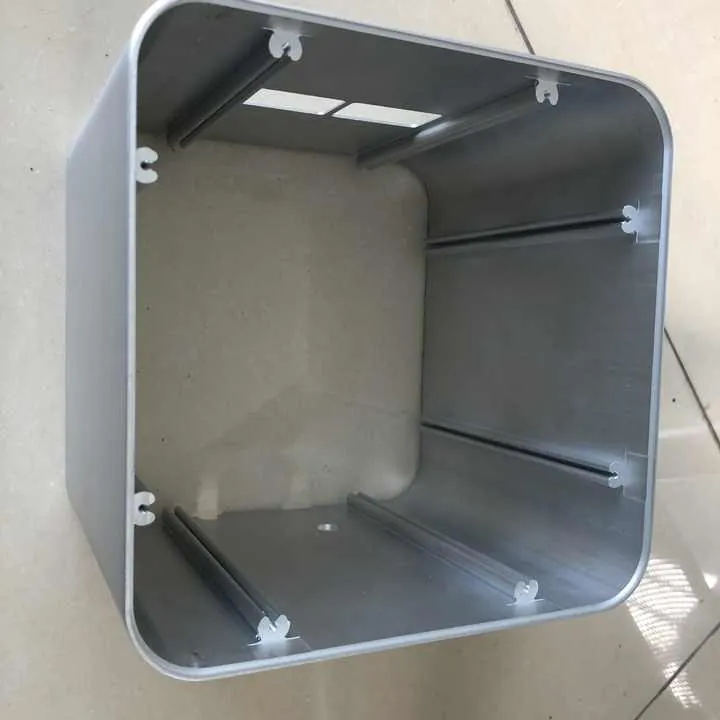
A legtöbb extrudált alumíniumprofil esetében a belső sarokrádiusznak a falvastagság legalább 0,5-1,5-szeresének kell lennie, az ötvözettől és a profil alakjától függően.

Amikor a tervezők a minimális hajlítási sugarat kérdezik, gyakran keverik a hajlítási szabályokat az extrudálási szabályokkal. Az extrudálás nem lemezhajlítás. Az alumíniumot lágy tömegként nyomják át egy szerszámon. Folyik. A sarkok irányítják ezt az áramlást. Ha egy sarok túl éles, a fém nem egyenletesen töltődik ki.
Hogyan működik a sugár az extrudálás során
A szerszám belsejében az alumínium a tartályból keskeny csatornákba kerül. A sarkoknál az áramlási sebesség megváltozik. Egy éles sarok lelassítja a fémet a belső peremen. A külső él gyorsabban mozog. Ez feszültséget és hőkülönbségeket okoz.
Ha a sugár túl kicsi, három dolog történik:
- A sarok nem töltődik ki teljesen
- Felületi vonalak jelennek meg
- Mikrorepedések alakulnak ki stressz alatt
Ezek a hibák elsőre nem feltétlenül látszanak. Később, az eloxálás, a megmunkálás vagy az összeszerelés során jelennek meg.
Közös minimális sugárirányelvek
A termelési adatok alapján ezek biztonságos kiindulási pontok:
| Falvastagság (mm) | Ajánlott belső sugár (mm) |
|---|---|
| 1.0 - 1.5 | 0.8 - 1.2 |
| 1.6 - 2.5 | 1.2 - 2.5 |
| 2.6 - 4.0 | 2.0 - 4.0 |
| > 4.0 | >= falvastagság |
Ezek nem szigorú korlátok. Ezek olyan munkaszabályok, amelyek egyensúlyt teremtenek a szerszámok élettartama, a felület minősége és a költségek között.
Belső vs. külső sugár
A belső sugár többet számít, mint a külső sugár. A külső sarkok akkor is élesnek tűnhetnek, ha a belső sugár nagy. Ez egy kulcsfontosságú tervezési trükk.
Gyakran javasoljuk, hogy a belső sugarat tartsa nagyvonalúan, majd használjon egy kis külső ferdítést vagy utólagos megmunkálást, ha éles megjelenésre van szükség.
Valós termelési hatás
Ha a sugár túl kicsi:
- A szerszámpolírozási idő növekszik
- Az extrudálás sebessége csökken
- Emelkedik a selejt aránya
- A szállítási idő meghosszabbodik
Valós projekteknél a sugár mindössze 0,5 mm-rel való növelése gyakran több mint felére csökkenti a hibaarányt.
A minimális belső sarokrádiusz az alumínium extrudálásnál általában inkább a falvastagsághoz, mint a teljes profil méretéhez kapcsolódik.Igaz
A fém áramlási feszültség a vékony falaknál koncentrálódik, ezért a falvastagság szabályozza, hogy a sugár milyen kicsi lehet hiba nélkül.
A nulla sugarú belső sarok biztonságosan extrudálható, ha az ötvözet elég lágy.Hamis
A nulla sugarú sarkok blokkolják a fém áramlását, és szinte mindig repedéseket, redőket vagy szerszámhibát okoznak, függetlenül az ötvözet lágyságától.
Hogyan befolyásolja a falvastagság és az ötvözet a sugárhatárokat?
A tervezők gyakran a formára összpontosítanak, de a vastagság és az ötvözet dönti el, hogy mi lehetséges.
A vastagabb falak nagyobb feszültségterjedést és kisebb relatív sugarat tesznek lehetővé, míg a keményebb ötvözeteknek nagyobb sugarakra van szükségük a repedések és az áramlási egyensúlyhiány elkerülése érdekében.
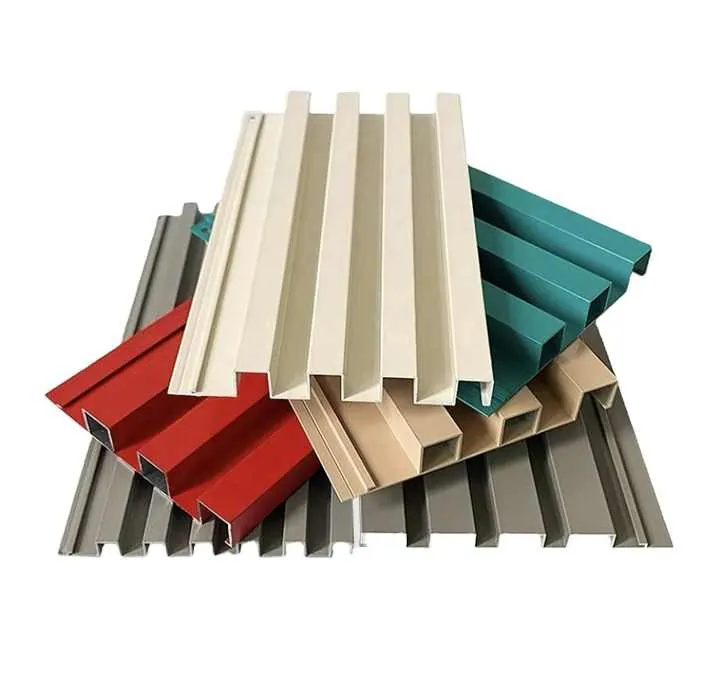
A falvastagság és az ötvözet együtt működik. Egyik sem ítélhető meg önmagában.
Falvastagság hatása
A vékony falak gyorsabban hűlnek és ellenállnak az áramlásnak. A sarkoknál ez az ellenállás erősebb. A vékony fal kis sugara fojtópontot hoz létre.
A termelés legfontosabb megfigyelései:
- Vékony falakhoz nagyobb sugárarányok szükségesek
- A vastag falak elviselik a szűkebb íveket
- Az egyenetlen vastagság növeli a kockázatot
Az egyenletes falvastagság minden más tervezési változtatásnál jobban segít.
Ötvözetbeli különbségek a gyakorlatban
Nem minden alumínium viselkedik ugyanúgy. Íme egy egyszerű összehasonlítás:
| Ötvözet | Áramlási képesség | Sugár érzékenység | Tipikus használat |
|---|---|---|---|
| 6063 | Magas | Alacsony | Építészet |
| 6061 | Közepes | Közepes | Szerkezeti |
| 6005A | Közepes | Közepes | Szállítás |
| 7075 | Alacsony | Nagyon magas | Repülőgépipar |
6063 simán folyik. Könnyen kitölti a sarkokat. A 6061 erősebb, de merevebb. Nagyvonalúbb sugarakra van szüksége.
Miért van szükség nagyobb sugarakra a keményebb ötvözeteknél?
A kemény ötvözetek ellenállnak a deformációnak. Extrudálás során nagyobb nyomásra van szükségük a mozgáshoz. Az éles sarkoknál a nyomás kiugrik. Ez a következőkhöz vezet:
- A szerszám feszültség okozta repedések
- Felületi szakadás
- Rövid szerszámélettartam
Gyakran javasoljuk, hogy a 6063-ról 6061-re való átálláskor 30-50 százalékkal nagyobb sugarat adjunk hozzá, még akkor is, ha az alak ugyanaz marad.
Vastagság és ötvözet kombinálva
A vékony fal egy kemény ötvözetben a legrosszabb eset. Sok meghibásodás származik ebből a keverékből.
A jó tervezés ezt a sorrendet követi:
- Válasszon ötvözetet a funkcióhoz
- Minimális falvastagság beállítása
- A sarokrádiusz meghatározása utoljára
Ennek a sorrendnek a kihagyása újratervezési ciklusokhoz vezet.
A 6063-as alumíniumról 6061-es alumíniumra való áttérés általában a sarokrádiuszok növelését igényli a sajtolási minőség fenntartása érdekében.Igaz
A 6061-nek alacsonyabb az áramlási képessége, így a nagyobb sugarak csökkentik a feszültséget és javítják a fém áramlását.
A falvastagságnak kevés hatása van a minimális sarokrádiuszra, ha az extrudálási sebességet csökkentjük.Hamis
A sebességcsökkentés nem képes teljes mértékben ellensúlyozni a vékony falak és éles sarkok által okozott áramláselzáródást.
Az éles sarkok gyengíthetik a profil integritását?
Az éles sarkok erősnek tűnnek, de gyakran gyengeséget rejtenek.
Igen, az éles belső sarkok feszültségkoncentrációs pontokat hoznak létre, amelyek csökkentik a fáradási élettartamot, és növelik a repedés kockázatát terhelés és hőmérsékletváltozás esetén.
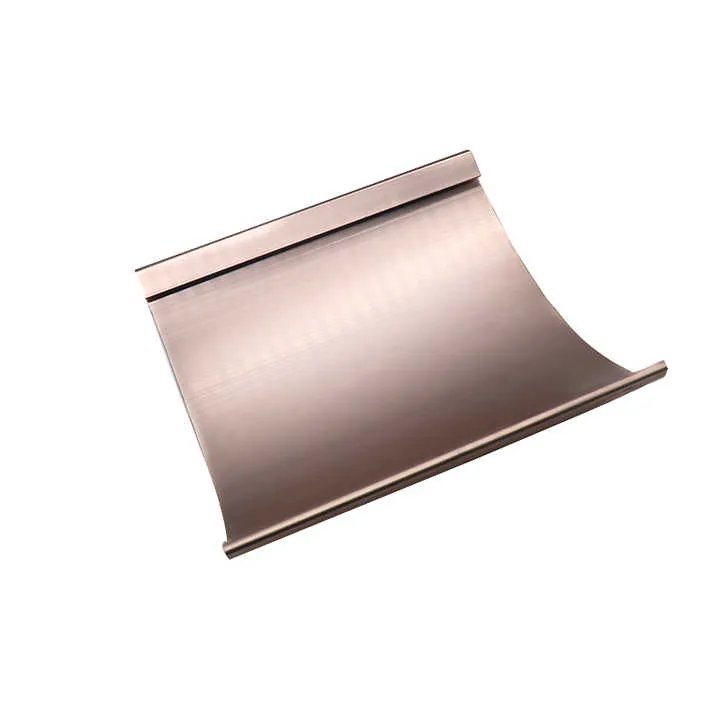
A profil integritása nem csak a papíron mutatott erősségről szól. Hanem arról, hogy a profil hogyan viselkedik az extrudálás, a megmunkálás és a használat után.
A feszültségkoncentráció egyszerűen elmagyarázva
A feszültség úgy áramlik át az anyagon, mint a víz a csövön. Az éles sarkok úgy viselkednek, mint a hirtelen kanyarok. A sarokban nyomás keletkezik.
Ez okozza:
- Helyi hozam
- Mikrorepedés keletkezése
- Korai fáradásos meghibásodás
A kis sugár szélesebb területre teríti a feszültséget.
Hatás a másodlagos feldolgozás során
Sok profil később készült:
- CNC megmunkált
- Fúrt
- Hegesztett
- Eloxált
Az éles sarkok mindezen lépéseknél felerősítik a problémákat.
Az eloxálás során az éles sarkok nagyobb áramsűrűséget vonzanak. Ez színváltozásokat és égési nyomokat eredményez.
A hegesztés során a hő összegyűlik a sarkokban. Ez növeli a torzulás kockázatát.
Terepi hibapéldák
A teherhordó kereteknél gyakran látjuk, hogy a repedések az éles belső sarkoknál kezdődnek, nem pedig a sík szakaszoknál. Még ha a számítások át is mennek, a valós használat feltárja a gyenge pontokat.
Sugár, mint erősségi jellemző
A sugár hozzáadása nem gyengíti a formatervet. Gyakran erősíti azt.
Az előnyök közé tartoznak:
- Jobb fáradási ellenállás
- Stabilabb felületkezelés
- Hosszabb élettartam
A tervezők néha attól tartanak, hogy a sugár csökkenti az illeszkedést vagy a helyet. A legtöbb esetben a változás kicsi, a nyereség pedig nagy.
Vizuális élesség vs. szerkezeti egészség
Egy profil élesnek tűnhet anélkül, hogy belülről éles lenne. Ez a kulcsgondolat.
A belső sugár védi az integritást. A külső kialakítás szabályozza a megjelenést.
Az éles belső sarkok növelik a feszültségkoncentrációt és csökkentik a fáradási élettartamot az extrudált alumíniumprofilokban.Igaz
A feszültség éles geometriai változásoknál koncentrálódik, ami ciklikus terhelés esetén felgyorsítja a repedés kialakulását.
A külső éles sarkok veszélyesebbek, mint a belső éles sarkok a profil szilárdsága szempontjából.Hamis
A belső sarkok nagyobb szerkezeti igénybevételt jelentenek, és kritikusabbak az integritás szempontjából, mint a külső élek.
Rendelkezésre állnak tervezési szabványok a sarokrádiuszokra vonatkozóan?
Sok tervező egyetlen szabványos számot keres. Ez a szám nem létezik.
Nincs univerzális minimális sugárszabvány, de az extrudálási szövetségek és a gyártók iparági iránymutatásai biztonságos tervezési tartományokat határoznak meg.
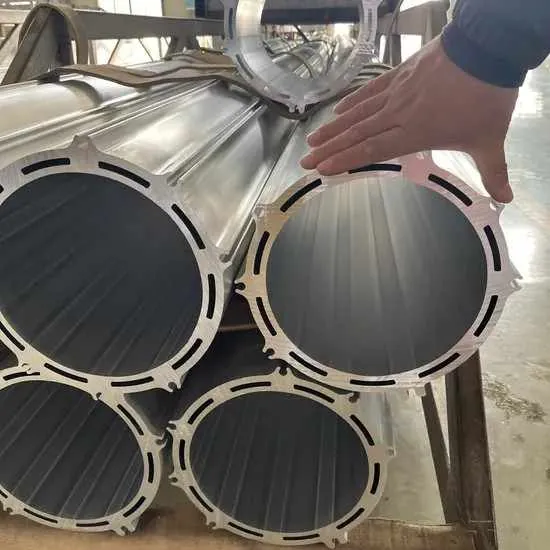
A szabványok irányt adnak, nem pedig garanciákat.
Közös referenciaforrások
A tervezők gyakran konzultálnak:
- Alumínium extrudálás tervezési kézikönyvek
- Beszállítói képességekre vonatkozó útmutatók
- Projekt-specifikus vizsgálati adatok
Ezek a dokumentumok elvekben, nem pedig pontos értékekben állapodnak meg.
Tipikus irányadó tartományok
A legtöbb útmutató azt javasolja:
- Belső sugár >= 0,5 x falvastagság lágy ötvözetek esetén
- Belső sugár >= 1,0 x falvastagság szerkezeti ötvözeteknél
- Nagyobb sugarak üreges és vékony profilokhoz
Ezek a tartományok mind a terméket, mind a szerszámokat védik.
Miért maradnak rugalmasak a szabványok
Az extrudálási feltételek eltérőek:
- Sajtóméret
- Szerszámtervezés
- Hűtési módszer
- Gyártási sebesség
Egy sugár, amely az egyik nyomdagépen működik, egy másikon nem biztos, hogy működik. Ezért számít a tapasztalat.
Hogyan alkalmazzuk a szabványokat valós projektekben
Az iránymutatásokkal kezdjük. Ezután szimuláljuk az áramlást. Aztán a kockázat alapján kiigazítjuk.
Nagy volumenű projekteknél mindig konzervatív sugarakat választunk. A prototípusok esetében tesztelhetjük a határértékeket.
Legjobb gyakorlat a vásárlók és a tervezők számára
A legbiztonságosabb megközelítés egyszerű:
- Terhelési és használati feltételek korai megosztása
- Radius visszajelzés fogadása az extruderről
- Rögzítési sugár a stancolás előtt
A késői sugárváltások kerülnek a legtöbbe.
Nincs egyetlen olyan globális szabvány, amely minden alumínium extrudált termékre egy minimális sarokrádiuszt határoz meg.Igaz
Az extrudálás eredményei az ötvözettől, a falvastagságtól, a szerszám kialakításától és a présgép képességétől függnek.
A közzétett irányelvek követése mindig garantálja a hibamentes extrudálást.Hamis
Az iránymutatások csökkentik a kockázatot, de nem helyettesíthetik a projektspecifikus értékelést és tesztelést.
Következtetés
A minimális sugár kialakítása nem találgatás. Ez az ötvözet, a falvastagság és az áramlás egyensúlya. Ezeknek a szabályoknak a betartása védi a szilárdságot, a felületi minőséget és a szállítási időt.