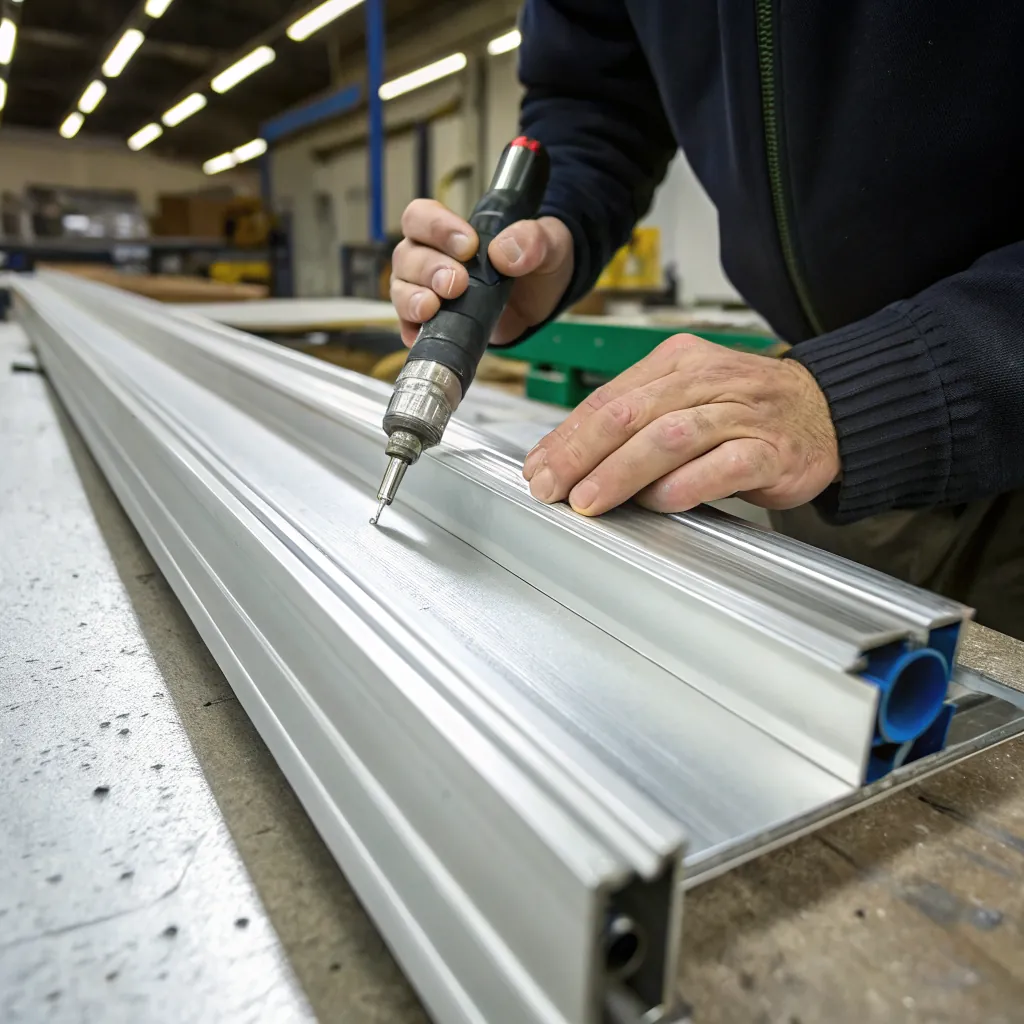
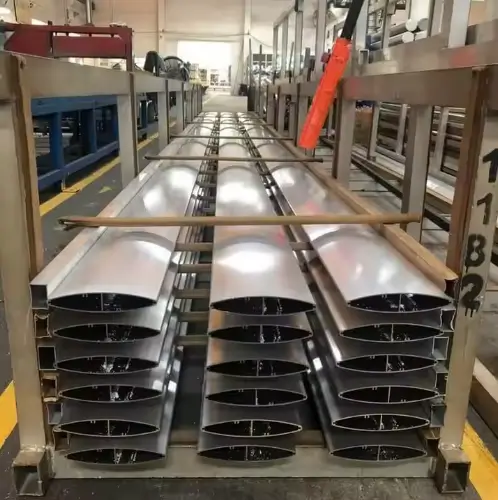
Alumínium extrudálás automatizálási berendezésekben?

Automation equipment often grows fast, but many frames fail to grow with it. Weak structures cause vibration, misalignment, and downtime. This creates hidden costs during operation.
Aluminum extrusions are widely used in automation equipment because they balance strength, flexibility, and fast assembly. They support frames, guards, and motion systems while keeping machines easy to modify.
Once automation moves from concept to reality, structure becomes the base of everything. A poor frame limits accuracy, speed, and long-term stability.
What roles do extrusions play in automation frames?

Automation frames must hold machines steady while allowing future change. Many buyers underestimate how many roles aluminum extrusions actually play.
In automation equipment, aluminum extrusions act as structural frames, mounting bases, safety supports, and alignment references.
Structural backbone of machines
Extrusions form the main skeleton of automation systems. They define shape, size, and load paths. Most machines rely on a rectangular or cubic frame built from profiles.
These frames:
- Support motors and gearboxes
- Hold linear guides and conveyors
- Carry panels and covers
Because profiles are straight and precise, alignment becomes easier during assembly.
Mounting platform for components
Automation equipment uses many parts. Sensors, cables, controllers, and actuators all need mounting points.
T-slot extrusions allow:
- Flexible positioning
- Easy adjustment
- Clean cable routing
This reduces drilling and welding. It also reduces errors during layout.
Safety and enclosure support
Extrusions also support:
- Safety fences
- Light curtain frames
- Gépi védőburkolatok
Panels can be polycarbonate, mesh, or sheet metal. All can be fixed directly to aluminum profiles.
Reference for accuracy
In automation, repeatability matters. Aluminum extrusions offer good straightness and flatness.
They are often used as:
- Datum references
- Alignment guides
- Assembly jigs
Typical roles summary
| Szerepvállalás | Function in automation |
|---|---|
| Main frame | Carries machine loads |
| Sub-frame | Supports modules |
| Guard frame | Holds safety panels |
| Mounting rail | Fixes sensors and cables |
Aluminum extrusions serve as both structural and functional elements in automation equipment.Igaz
They act as frames, mounting bases, and safety supports at the same time.
Automation frames use aluminum extrusions only for appearance, not for structure.Hamis
Extrusions are often the main load-carrying structure in automation machines.
How does modular profile design aid automation assembly?
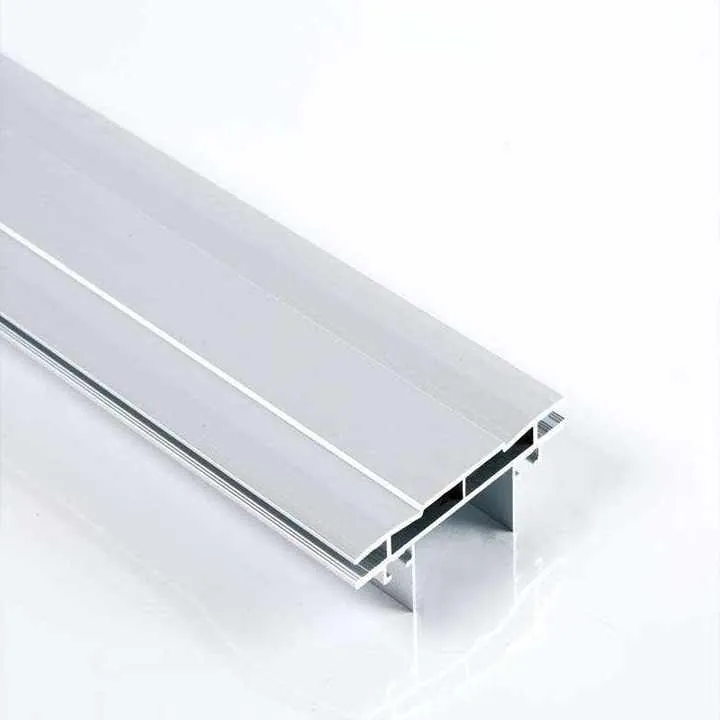
Automation projects face tight schedules. Delays often come from frame fabrication. Modular aluminum profiles solve this problem.
Modular aluminum profile design allows fast assembly, easy change, and scalable automation systems.
Standardized dimensions
Profiles come in standard sizes. Common cross-sections are 20, 30, 40, and 45 mm series.
This allows:
- Predictable strength
- Easy replacement
- Consistent accessories
Engineers can design faster because dimensions are known.
Tool-free or low-tool assembly
Most modular systems use:
- T-anyák
- Csavarok
- Sarokcsatlakozók
Frames can be assembled with simple hand tools. No welding is required.
This helps when:
- Prototypes change often
- Machines are built on-site
- Layout adjustments are needed
Easy reconfiguration
Automation lines evolve. Processes change. Modular profiles allow parts to move without rebuilding frames.
Common changes include:
- Extending frame length
- Adding stations
- Moving sensors
This flexibility reduces scrap and downtime.
Faster debugging and maintenance
When a problem happens, access matters. Aluminum profile frames can be opened or adjusted easily.
Panels can be removed. Components can slide. This speeds up maintenance work.
Modular benefits overview
| Jellemző | Előny |
|---|---|
| Standard profiles | Faster design |
| T-slot system | Flexible mounting |
| Bolt connections | Reusable parts |
| No welding | Clean assembly |
Modular aluminum profiles reduce assembly time in automation equipment.Igaz
Standard profiles and bolt connections allow fast and simple assembly.
Once assembled, modular aluminum frames cannot be modified.Hamis
Frames can be reconfigured by loosening and repositioning components.
Can extrusions support dynamic loads in machinery?

Automation machines move. Loads change. Many buyers worry aluminum is too weak for dynamic use.
Aluminum extrusions can support dynamic loads if profile size, wall thickness, and joint design are correctly selected.
Understanding dynamic loads
Dynamic loads come from:
- Moving arms
- Accelerating conveyors
- Vibrating motors
- Repeated cycles
These loads cause fatigue and deflection, not just static stress.
Strength of aluminum profiles
Aluminum alloys used in extrusions offer good strength-to-weight ratio.
Főbb pontok:
- High stiffness for weight
- Lower inertia than steel
- Good fatigue behavior when stress is controlled
Profile geometry matters more than material alone.
Elhajlásvezérlés
In automation, deflection affects accuracy.
Ways to control deflection:
- Use larger cross-sections
- Increase wall thickness
- Belső bordák hozzáadása
- Reduce unsupported span
Closed profiles resist torsion better than open ones.
Joint rigidity is critical
Weak joints cause most failures.
A bevált gyakorlatok közé tartoznak:
- Using heavy-duty connectors
- Avoiding single-bolt joints
- Adding gussets at corners
A strong profile with a weak joint still fails.
Dynamic load design table
| Design factor | Hatás |
|---|---|
| Profil mérete | Controls stiffness |
| Szárnyhossz | Affects deflection |
| Joint type | Affects vibration |
| Load speed | Increases fatigue |
Aluminum extrusions can handle dynamic loads when properly designed.Igaz
Correct profile size and joint design allow safe use under moving loads.
Aluminum extrusions are only suitable for static, non-moving machines.Hamis
They are widely used in dynamic automation systems when designed correctly.
Which connection methods suit automation structures?

Connections decide frame strength and assembly speed. Choosing the wrong method leads to loose frames and vibration.
Automation structures benefit from mechanical connection methods that balance strength, speed, and adjustability.
Common connection types
Most automation frames use mechanical joints.
Typical methods include:
- T-slot bolt and nut
- Internal connectors
- External corner brackets
- End fasteners
Each has different strength and cost.
T-slot connections
These are the most flexible.
Előnyök:
- Easy positioning
- Újrafelhasználható
- No machining required
Disadvantage:
- Lower rigidity if not tightened correctly
Internal connectors
Internal connectors hide inside the profile.
Előnyök:
- Clean appearance
- Better alignment
- Közepes erősségű
They often require machining at profile ends.
External brackets and gussets
Brackets add stiffness.
They are used when:
- Loads are high
- Vibration is present
- Safety is critical
They increase rigidity but add cost and assembly time.
Choosing the right method
| Connection type | Erősség | Rugalmasság |
|---|---|---|
| T-slot bolt | Közepes | Magas |
| Internal connector | Közepes vagy magas | Közepes |
| External bracket | Magas | Alacsony |
Good designs often mix methods.
Connection choice has a major impact on automation frame stiffness.Igaz
Joint rigidity directly affects vibration and load capacity.
Any connection method works equally well for automation structures.Hamis
Different methods offer different strength and flexibility levels.
Következtetés
Aluminum extrusions are a core material in automation equipment. They provide structure, flexibility, and speed. With correct profile selection and connection design, they support dynamic machines and long-term operation.