Alumínium extrudált profilok hővezető képességének összehasonlítása?

Egyes alumínium extrudálások túl forróak - meghibásodást okozva a világításban, az elektronikában vagy a hűtőrendszerekben. Ez gyakran a rossz ötvözet- vagy formaválasztásra vezethető vissza.
Az alumínium extrudált termékek hővezetése függ az ötvözet típusától, a profil alakjától, a felületkezelésektől és a gyártási minőségtől. A megfelelő kombináció kiválasztása javítja a hőelvezetést.
Hasonlítsuk össze az ötvözet vezetőképességét, a profil hatását, a vizsgálati gyakorlatokat és a felületkezelés hatását a hőteljesítményre.
Mely ötvözetek rendelkeznek a legnagyobb hővezető képességgel?
Az alumínium természetesen jó hővezető, de nem minden ötvözet viselkedik ugyanúgy. Az ötvözőelemek jelentősen megváltoztatják a vezetőképességet.
Az 1000 és 6000 sorozatú ötvözetek, különösen az 1050, 6063 és 3003, nagyobb hővezető képességgel rendelkeznek, mint a nagy szilárdságú 7000 vagy 2000 sorozatú ötvözetek.
Közönséges extrudált ötvözetek hővezető képessége
| Ötvözet | Tipikus vezetőképesség (W/m-K) | Leírás |
|---|---|---|
| 1050 | ~237 | Majdnem tiszta alumínium |
| 6063-T5/T6 | ~200-218 | Nagyszerű egyensúly a hűtőbordákhoz |
| 3003 | ~190-210 | Gyakran használják HVAC alkalmazásokban |
| 6061-T6 | ~150-170 | Erős, mérsékelt vezetőképesség |
| 7075-T6 | ~130-150 | Nagy szilárdság, alacsony vezetőképesség |
A kevesebb ötvözőelemet tartalmazó ötvözetek (például szilícium, magnézium vagy réz) kevesebb elektront szórnak szét, ami jobb hővezetést eredményez. Ez az oka annak, hogy a 6063-at előnyben részesítik a LED-házak vagy az elektronika esetében.
A 6063-as alumíniumnak nagyobb a hővezető képessége, mint a 6061-es alumíniumnak.Igaz
A 6063 kevesebb ötvözőelemet tartalmaz, ami több szabad elektronmozgást és nagyobb vezetőképességet tesz lehetővé.
A 7000-es sorozatú ötvözetek mindig a legjobb választás az extrudált termékek hővezetéséhez.Hamis
A 7000 sorozatú ötvözetek az erősséget helyezik előtérbe, és jellemzően alacsonyabb vezetőképességet kínálnak, mint a 6000 vagy 1000 sorozatúak.
Hogyan befolyásolja a profil alakja a hőáramlást?
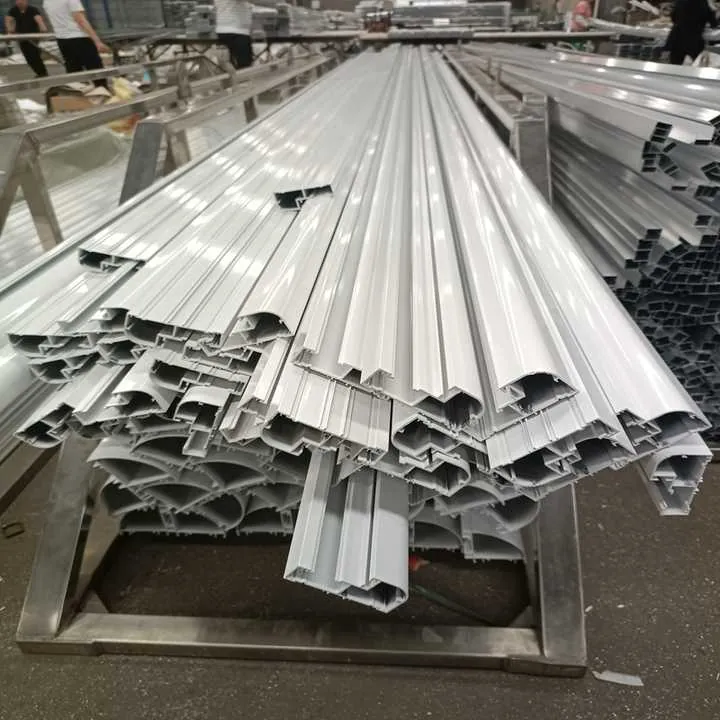
A hővezetés nem csak az anyagról szól - az extrudálás alakja szabályozza, hogy a hő milyen gyorsan és egyenletesen mozog.
A nagy felülettel, vékony lamellákkal vagy belső csatornákkal rendelkező profilok a légáramlás és az érintkezési felület növelésével jobb hőelvezetést tesznek lehetővé.
Hogyan befolyásolja az alak a hőteljesítményt
- Vékony uszonyok növeli a felületet és lehetővé teszi a levegő mozgását.
- Üreges kamrák segítik a folyadékáramlást és az egyenletes hőeloszlást.
- Széles, lapos talapzat a hő elosztása az eszközök között.
- Egyenletes falvastagság megakadályozza a forró foltokat vagy az egyenetlen áramlást.

Például egy 6061-es tömör négyzet alakú rúd rosszabbul vezet, mint egy 6063-as bordázott hűtőborda kényszerített levegő alatt, a hasonló tömeg ellenére. Miért? Mert a lamellák felgyorsítják a konvekciót.
Tervezési tipp:
Használjon szimmetrikus kialakítást, légáramlási útvonalakkal és elegendő távolsággal a lamellák között. Ha folyadékhűtést használ, a belső csatornák megduplázhatják a teljesítményt.
A profil kialakítása még akkor is befolyásolja a hőelvezetést, ha az anyag azonos.Igaz
A bordázott vagy üreges kialakítások növelik a hő levegő vagy folyadékok felé történő átadásának képességét, így az ötvözet megváltoztatása nélkül is javítják a teljesítményt.
Szabványosítják-e a vizsgálatokat az extrudálás szállítói között?
Nem minden extrudálási beszállító vizsgálja a hővezető képességet, különösen, ha az alkatrészeket általános szerkezeti célokra használják.
A hővezető képesség vizsgálata nem teljesen szabványosított a beszállítók között. Sokan a közzétett ötvözetadatokra vagy az ügyfélspecifikus vizsgálati kérésekre támaszkodnak.
A legtöbb gyártó ötvözet-adatlapokat használ, és tanúsítással biztosítja a megfelelő kémiai összetételt, de:
- Kevés teszt hővezető képesség tételenként
- Néhány késztermék hőállósági vizsgálata
- A termikus alkatrészeket igénylő ügyfeleknek meg kell határozniuk a vizsgálati feltételeket
Az extrudált profilok hőtechnikai vizsgálatára nincsenek globálisan érvényesített ASTM vagy ISO szabványok, bár az olyan módszerek, mint a ASTM E1952 vagy ISO 22007 K+F vagy nagy teljesítményű alkalmazásokban használják.
Mikor van szükség tesztelésre?
- LED hűtőbordák
- Folyadékhűtéses szerkezeti profilok
- Autóipari akkumulátorházak
- HVAC tekercs lamellák
Ha az extrudálásnak megbízhatóan kell átadnia a hőt, kérjen mintatesztet vagy szimulációt terhelés alatt.
A hővezető képességet rutinszerűen tesztelik minden alumínium extrudált terméknél.Hamis
Hacsak az ügyfél nem adja meg, a legtöbb beszállító ismert ötvözetértékekre támaszkodik, anélkül, hogy minden egyes tételt megvizsgálna.
A termikus igényű ügyfeleknek a beszállítótól konkrét vizsgálati jelentéseket vagy szimulációkat kell kérniük.Igaz
Nem minden extrudált anyagot vizsgálnak vezetőképesség szempontjából, így a hő szempontjából kritikus alkalmazásoknak extra validálásra van szükségük.
A felületkezelések csökkenthetik a vezetőképesség szintjét?
A jó ötvözet és a nagyszerű forma is alulteljesíthet - ha a felület hőcsapdát képez.
Igen, az olyan bevonatok, mint az eloxálás, a festés vagy a porszórás csökkentik a felület hővezető képességét. Minél vastagabb a bevonat, annál nagyobb a hőállóság.
Az eloxált alumínium kemény timföldréteggel (Al₂O₃) rendelkezik, amelynek vezetőképessége olyan kicsi, mint 25-30 W/m-K. Hasonlítsuk össze az alumínium ~200+ W/m-K. Míg az eloxálás véd a korrózió és a kopás ellen, hőszigetel.
A felületkezelés hatása a hőáramlásra
| Felületkezelés | Hőhatás |
|---|---|
| Nincs (csupasz alumínium) | Legjobb vezetés |
| Vékony eloxálás | Enyhe csökkenés |
| Vastag eloxálás | Mérsékelt csökkenés |
| Porszórás | Jelentős csökkenés |
| Festett felületek | Közepes vagy nagy hatású |
A nem kritikus alkatrészek esetében az eloxálás megfelel. A hőigényes eszközök (például LED-hűtőlemezek) esetében azonban a nyers vagy enyhén megmunkált felületek jobban teljesítenek.
A tervezők gyakran egyensúlyt találnak: csak a termikusan nem érintkező területeket eloxálják, vagy vezetőképes felületbevonatokat, például jobb emissziós képességű fekete oxidot használnak.
Az alumínium eloxálása növeli a korrózióállóságot, de csökkenti a felület hővezető képességét.Igaz
Az eloxált réteg egy kerámia, amelynek kisebb a vezetőképessége, mint a csupasz alumíniumnak, és szigetelőként működik.
A porbevonat javítja az alumínium extrudálások hővezető képességét.Hamis
A porfestés egy vastag polimerréteget ad hozzá, amely ellenáll a hőáramlásnak, csökkentve a hatékony felületi vezetőképességet.
Következtetés
Hőfunkciós alumínium extrudálások tervezésekor válasszon nagy vezetőképességű ötvözetet, mint például a 6063 vagy 3003, alakítsa úgy, hogy a levegő áramlását biztosítsa, kerülje a vastag bevonatokat, és kérjen vizsgálatot, ha a hőátadás számít. Még a legjobb fém is megbukik, ha a felületkezelés vagy a geometria elfojtja a hőmozgást. A megfelelő kialakítással és ötvözettel a sajtolt lemezek hatékonyan és megbízhatóan elvezethetik a hőt az elektronikában, világításban, elektromos autókban és sok másban.