Hogyan kell megmunkálni az alumínium extrudált profilokat?

Készen vannak az alumínium extrudált alkatrészek, de megmunkálásuk trükkös - a falak vékonyak, a felületek magas fokú felületet igényelnek, a forgácsok felbukkannak, a rögzítők meginognak.
Igen, a megfelelő szerszámok kiválasztásával, a felületi minőséget biztosító hűtőfolyadék használatával, a vékony falakon való rázkódás elkerülésével és jó rögzítők alkalmazásával hatékonyan megmunkálhatja az alumínium extrudálást.
Nézzük meg az egyes területeket. Végigmegyek a szerszámválasztáson, a hűtőfolyadékon, a falvastagsággal kapcsolatos kérdéseken és a rögzítési stratégián, hogy segítsek Önnek profi módon megmunkálni az extrudálást.
Milyen szerszámok alkalmasak az extrudálási megmunkálásra?
A szerszámválasztás dönti el, hogy az alumínium extrudálási megmunkálást vagy sem - rossz maró, rossz anyag, és máris kezdődik a baj.
Az alumínium extrudáláshoz kiváló minőségű keményfém szerszámokra, helyes geometriára és szilárd alátámasztásra van szükség a tiszta vágások és a kiszámítható eredmények eléréséhez.

Alumínium extrudált profilok megmunkálásakor a szerszám anyaga és geometriája sokat számít. Például a keményfém marókat előnyben részesítik, mert ezek jobb kopásállóságot biztosítanak és éles éleket tartanak fenn az olyan képlékeny anyagok vágásakor, mint az alumínium.
Szerszám anyaga és bevonata
- A karbid jó. Az alumínium lágyabb természete azt jelenti, hogy sok esetben nincs szükség szuperkemény, nagysebességű acélra.
- A bevonatok (TiN, TiAlN) segíthetnek a hosszabb futásoknál, de sok extrudálási feladatnál a tiszta forgácselszívás fontosabb, mint az agresszív bevonat.
- Győződjön meg róla, hogy a szerszám furatai alkalmasak az alumíniumhoz: elég nagyok ahhoz, hogy elvigyék a forgácsot és elkerüljék az eltömődést.
Geometria és fuvolák
- Használjon pozitív dőlésszögű (a könnyebb forgácseltávolítás érdekében) és éles vágóéllel rendelkező marókat, mert az alumínium hajlamos a tompa szerszámokon lerakódni.
- A két- vagy háromfúvókás szerszámok gyakran jól működnek, mivel az alumíniumból több forgács keletkezik, és ezeknek helyet kell biztosítani.
- A sima felületkezelés követelménye azt jelenti, hogy a szerszám kifutásának minimálisnak kell lennie, és a szerszám állapotának jónak kell lennie.
Gép- és beállítási kompatibilitás
- A gépnek merevnek és pontosan igazítottnak kell lennie. Az extrudálási profilok gyakran változó keresztmetszetűek, így a szerszámbefogás változik.
- Hosszú extrudálások esetén ügyeljen arra, hogy a géporsó és a szerszám hossza megfelelő legyen; a hosszú túlnyúlás növeli az elhajlást.
- Chip evakuálás: Az alumíniumforgácsok vezetőek és rövidre zárhatják az elektronikát; jó vákuumra vagy forgácseltávolításra van szükség.
előtolás, sebesség, vágási mélység
- Kísérleteznie kell. Alumínium esetében a nagyobb sebesség és a mérsékelt előtolás gyakran jobban működik, mint a nagyon alacsony sebesség.
- A vágási mélységnek stabilan fenn kell tartania az érintkezést, különösen a különböző falvastagságok esetén egy extrudált profilban.
- Állítsa be a szerszám átmérőjének, a gép merevségének és a rögzítés stabilitásának megfelelően.
| Tényező | Ajánlás |
|---|---|
| Szerszám anyag | Szilárd karbid |
| Fuvola számolás | 2-3 fuvola |
| Rake szög | Pozitív, éles |
| Bevonat | Választható (TiN, ZrN alumíniumhoz) |
| Vágási sebesség | Magas (500-1000 m/min) |
| Táplálási sebesség | Mérsékelt, egyenletes forgácsterhelés |
A keményfém marók alkalmasak alumínium extrudálások megmunkálásáraIgaz
A keményfém szerszámok jó kopásállóságot és éles vágóéleket kínálnak, amelyek megfelelnek az alumínium megmunkálására.
A nagysebességű acélszerszámok mindig jobban teljesítenek, mint a keményfém az alumínium extrudálási megmunkálásábanHamis
Bár a HSS működhet, a keményfém szerszámok általában előnyben részesülnek az alumínium extrudáláshoz a tartósság és az élesebb vágóélek miatt.
Miért javítja a hűtőfolyadék a felület minőségét?
A felületi felületi minőség romlik, ha a hő felgyülemlik, a forgácsok eltömődnek, vagy a szerszám súrolja az alkatrészt - a hűtőfolyadék mindezeken segít.
A hűtőfolyadék vagy kenőanyag használata segít a hőmérséklet szabályozásában, a forgácsok eltávolításában és a felépített perem csökkentésében, ezáltal javítva az alumínium extrudálások felületét.

Az alumínium extrudálások megmunkálásakor a felület minősége több tényezőtől függ, beleértve a szerszámkopást, a forgácsképződést, a hőt és a felépített éleket (BUE). A hűtőfolyadék vagy a megfelelő kenőfolyadék jelentősen mérsékelheti ezeket a problémákat.
A hűtőfolyadék vagy kenés előnyei
- Hőszabályozás: Bár az alumíniumnak jó a hővezető képessége, a nagy sebességű megmunkálás során a szerszám és a munkadarab határfelületén helyi hő keletkezhet.
- Chip evakuálás: A hosszú alumíniumforgácsok roncsolják a felületet, ha nem távolítják el megfelelően.
- Felépített él megelőzése: A hűtőfolyadék megakadályozza, hogy az anyag a szerszámhoz tapadjon.
- Kenés: Csökkenti a súrlódást a szerszám és a munkafelület között.
A megfelelő hűtő- vagy kenőanyag kiválasztása
| Típus | Alkalmas alumíniumhoz? | Megjegyzések |
|---|---|---|
| Vízalapú hűtőfolyadék | Igen | Jó hűtéshez és forgácsöblítéshez |
| Olaj alapú köd | Igen | Jobb kenés, kevesebb hűtés |
| Viasz vagy paszta | Korlátozott használat | Kézi alkalmazás, jó kis példányszámban |
Mindig győződjön meg arról, hogy a hűtőfolyadék nem korrodál az alumíniummal szemben, és kompatibilis az eloxált vagy kezelt felületekkel.
A hűtőfolyadék javítja a forgácselszívást és a szerszám élettartamát alumínium extrudálások megmunkálásakorIgaz
A hűtőfolyadék segít a forgácsok eltávolításában, csökkenti a hőt és a felépített peremet, javítva a szerszám élettartamát és a forgácseltávolítást.
A hűtőfolyadék felesleges, ha rövid alumínium extrudált alkatrészeket alacsony fordulatszámon megmunkálnak.Hamis
Hűtőfolyadék nélkül a hő és a forgács még a rövidebb alkatrészek esetében is károsíthatja a felületi felületet és a szerszám élettartamát.
Hogyan kerüljük el a vékony falakon való csattogást?
A vékonyfalú extrudált részek könnyen rezegnek a vágási terhelés alatt - ez tönkreteszi a felületet, befolyásolja a pontosságot.
A vékonyfalú alumínium extrudálásoknál a forgácsolás elkerülése érdekében csökkenteni kell a szerszám túlnyúlását, szabályozni kell a vágási beavatkozást, meg kell támasztani az alkatrészt és optimalizálni kell a vágási paramétereket.
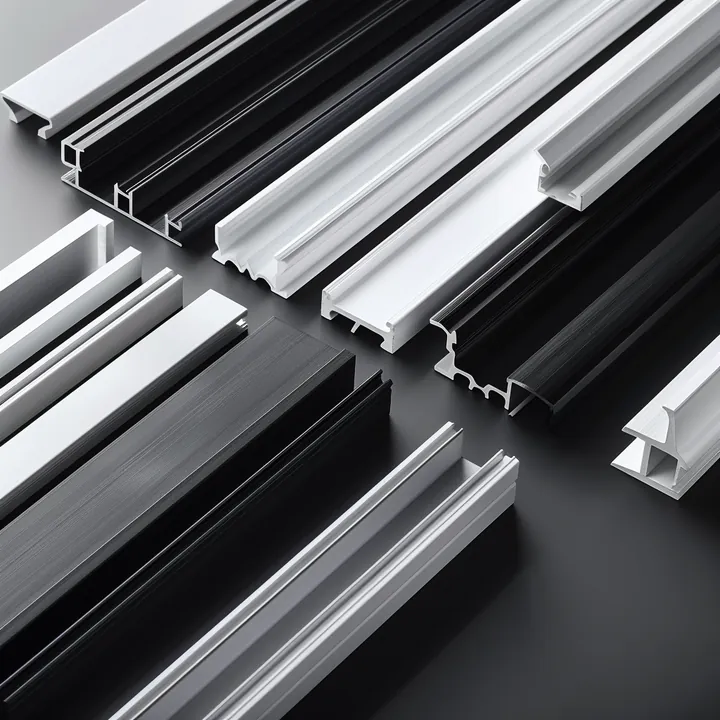
Az alumínium sajtolt profilok vékony falai különleges kihívást jelentenek a megmunkálás során. A szerkezeti merevség hiánya lehetővé teszi a vágóerők hatására fellépő rezgést vagy elhajlást, ami rázónyomokhoz, rossz felületi felületi minőséghez és akár méretpontatlansághoz is vezethet.
A fecsegés okai
- A vékony falak meghajlanak a szerszám nyomása alatt
- A hosszú szerszámnyúlvány növeli az elhajlást
- A gyenge alátámasztás lehetővé teszi a rezgést
- Túl nagy vágási mélység egyszerre
Megoldások
| Probléma | Megoldás |
|---|---|
| Szerszám eltérítés | Használjon csonka szerszámokat, csökkentse a túlnyúlást |
| Részvibráció | Támogatás hozzáadása belülről vagy hátulról |
| Túl nagy vágóerő | Könnyebb vágások, nagyobb sebesség |
| Következetlen chipterhelés | Használjon következetes takarmányozást és mászómarást |
A szerszám és az alkatrész merevségének határainak ismerete a szerszám és az alkatrész elkerülése. A belső alátámasztások, a megfelelő szerszámpályák és az optimalizált paraméterek jelentik a különbséget.
A vékonyfalú alumínium extrudálások belülről vagy hátulról történő alátámasztása csökkenti a pattogástIgaz
A belső alátámasztás növeli a munkadarab merevségét és csökkenti a vágóerők alatti rezgéseket.
Nagyon mély vágások alkalmazása vékonyfalú alumínium extrudálásokon biztonságos, ha az előtolási sebesség alacsony.Hamis
A mély vágások növelik az erőket és a rezgés kockázatát; az előtolás egyszerű csökkentése még mindig engedheti az elhajlást és a rázkódást.
Stabilizálhatják-e a rögzítők a megmunkálási beállításokat?
A jó rögzítők jelentik a különbséget a pontos forgács és a selejtes alkatrészek között - rögzítik a munkadarabot, igazítják és csökkentik a mozgást.
Az alumínium extrudálási megmunkáláshoz használt hatékony rögzítők segítenek a profil pozícionálásában, a szokatlan keresztmetszetek alátámasztásában, a nagy hosszúságok kezelésében és az ismétlődő rögzítésben a konzisztens eredmények érdekében.
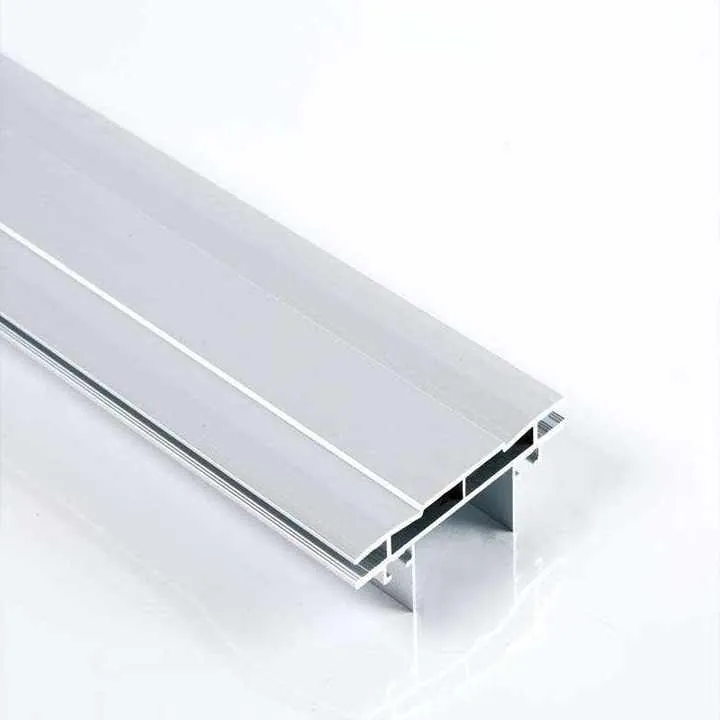
A sajtolt termékek gyakran összetett formájúak és eltérő merevségűek. Megfelelő rögzítés nélkül az alkatrészek mozoghatnak a vágás során, vagy deformálódhatnak a szorítónyomás hatására.
Tartozékkövetelmények
| Tartozék funkció | Cél |
|---|---|
| Teljes hosszúságú támogatás | Vágás közbeni megereszkedés vagy elhajlás megakadályozása |
| A dátum beállítása | Biztosítja az alkatrész következetes pozicionálását |
| Nem csikorgó érintkezés | Védi az eloxált vagy polírozott felületeket |
| Állítható bilincsek | Alkalmazkodik a profil méretváltozatokhoz |
A belső csavarok vagy alátámasztó blokkok használata az üreges szakaszok alátámasztására növeli a szilárdságot. A lábujjbilincsek és a puha pofák szilárdan, torzulás nélkül tarthatják az alkatrészeket. Kerülje a közvetlenül a vékony falakra történő szorítást.
Egy erre a célra kialakított rögzítő eszköz, amely a teljes hosszában megtámasztja az extrudált anyagot, csökkenti az elhajlást és javítja a pontosságot.Igaz
A teljes hosszúságú alátámasztás megakadályozza a megereszkedést és az elhajlást, ezáltal javítja a megmunkálás stabilitását és pontosságát.
A precíziós megmunkáláshoz elegendő egyetlen bilincs használata egy hosszú alumínium extrudálás egyik végén.Hamis
Egyetlen bilincs nem képes megakadályozni a megereszkedést, az elhajlást vagy a rezgést hosszúságban; több támaszra/bilincsre van szükség.
Következtetés
Az alumínium extrudálás nyereséges megmunkálása a megfelelő szerszámok kiválasztását, a felületkezelés javítását szolgáló hűtőfolyadék használatát, a vékony falakon a rázkódás elkerülését és a munkadarab megbízható rögzítőelemekkel történő rögzítését jelenti. Ha mindezek az elemek összhangban vannak, akkor az eredmény pontos, megismételhető és kiváló minőségű lesz.