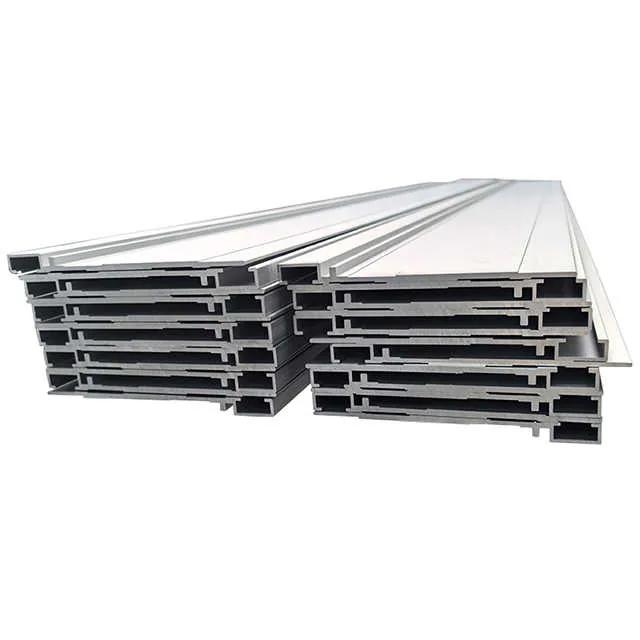
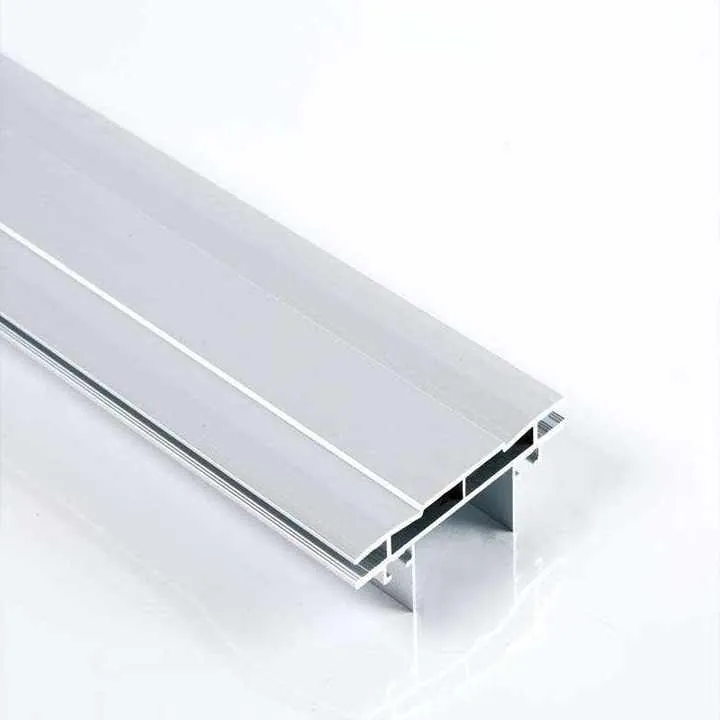
Mi az alumínium extrudálás?
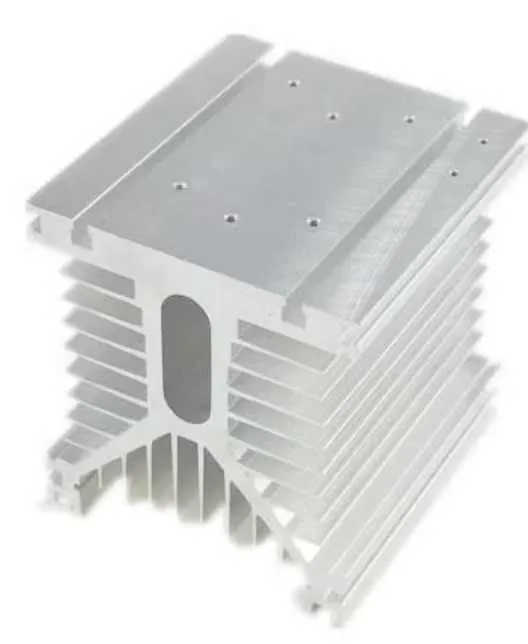
Az alumínium extrudálás egy hosszú profilú alkatrész, amelyet úgy készítenek, hogy egy felmelegített alumíniumtuskót egy formázott szerszámon keresztül kényszerítenek, hogy a fém átfolyik és felveszi a szerszám keresztmetszetét. Az eredmény egy folyamatos, egyenletes keresztmetszetű hossz, amely vágható, megmunkálható és számos alkalmazásban felhasználható.
Hogyan definiálják az alumínium extrudálást technikailag?
Amikor egy alumínium sajtolt termék műszaki leírása során a geometriára, a gyártási folyamatra és az anyagszerkezetre összpontosítunk.
Technikailag az alumínium extrudálást úgy határozzák meg, mint egy alakított alumíniumötvözet-profilt, amelyet egy felmelegített - de szilárd - tuskónak egy meghatározott keresztmetszetű szerszámon keresztül történő nyomásával vagy húzásával állítanak elő, ami a hosszában egyenletes keresztmetszetű és anyagtulajdonságú alkatrészt eredményez.
Főbb szempontok
- Keresztmetszeti egyenletesség: A profil alakja állandó marad a hossza mentén, mivel a szerszám határozza meg a keresztmetszetet, és az extrudálási áramlás tartja azt fenn.
- Anyagi állapot: A tuskót felmelegítik, megpuhítják, de nem olvasztják meg, így a fém plasztikusan folyik, nem pedig kiöntik.
- Áramlási irány és szemcseszerkezet: Mivel a fémet a szerszámon keresztül kényszerítik, a belső szemcseszerkezet a profil hosszához igazodik, ami befolyásolja a mechanikai tulajdonságokat, különösen hosszirányban.
- Hosszúság rugalmassága: A sajtolt termékek hosszú (méteres vagy annál hosszabb) hosszúságban gyárthatók, majd méretre vághatók, ami a hosszú szerkezeti részek esetében megtakarítást jelent.
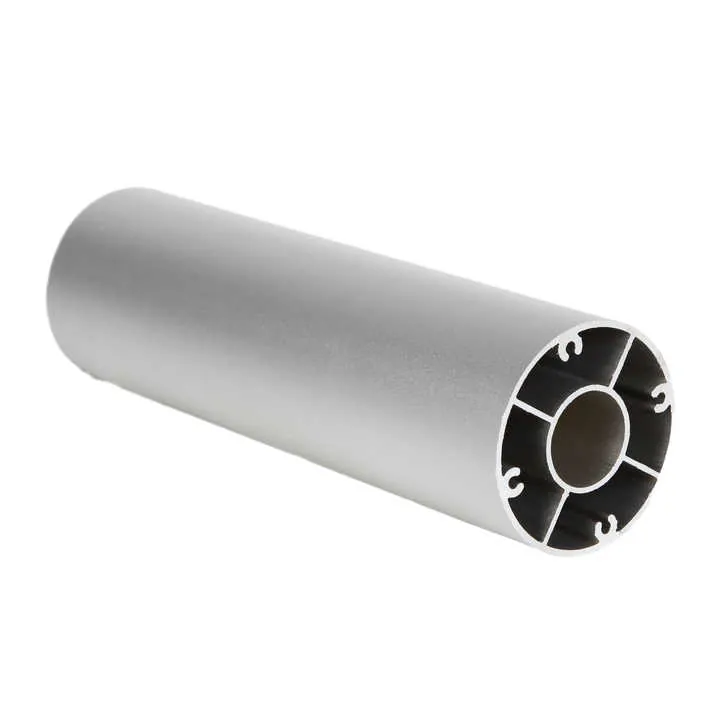
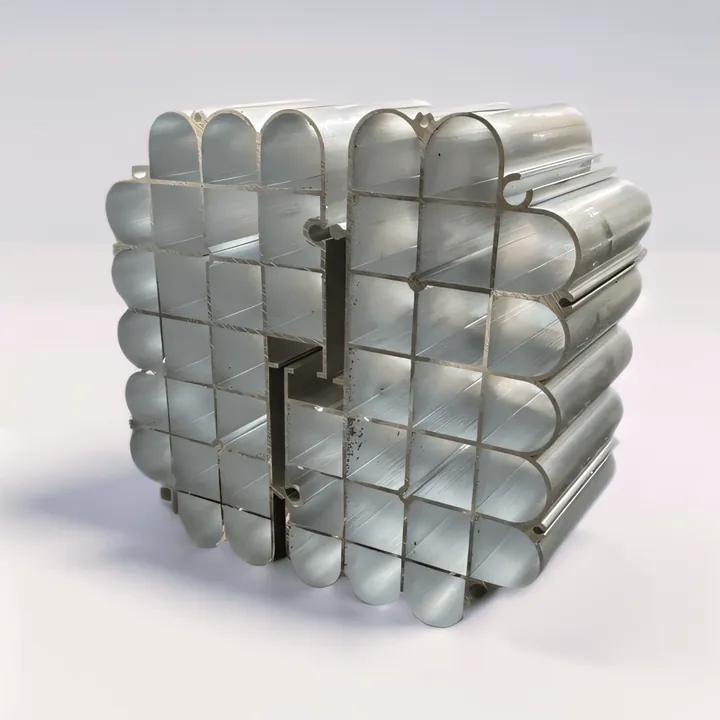
- Profil típusok: Az extrudált profilok lehetnek tömörek, üregesek vagy félig üregesek. Ez nagy rugalmasságot tesz lehetővé a formakialakításban, például csatornák, csövek, T-nyílások, összetett kamrák esetében.
Miért fontos ez a technikai meghatározás
Az egyedi alumíniumprofilokat szállító vállalkozásom számára ennek a meghatározásnak a megértése segít meghatározni, hogy mit várok - hossz, keresztmetszet, ötvözet, edzés, kivitel. Azt is tisztázza, hogy a sajtolt profilok miért viselkednek másképp, mint az öntött vagy megmunkált alkatrészek. Amikor az extrudáló partneremmel beszélek, biztosítanom kell, hogy a szerszámtervezés, az extrudálás folyamata és az anyag állapota megfeleljen a specifikációnak.
Az alumínium extrudálás mindig ugyanazzal az ötvözet-összetétellel rendelkezik, mint az eredeti tuskó.Igaz
A tuskó határozza meg az ötvözetet; az extrudálási folyamat nem változtatja meg jelentősen az ötvözet összetételét, bár a hő és a deformáció finomítja a szerkezetet.
Az alumínium sajtolt termék mindig egy üreges cső.Hamis
Az extrudálás lehet tömör, üreges vagy félig üreges, a szerszám kialakításától és a tervezett alkalmazástól függően.
Miért használjunk alumínium extrudálást a gépészetben?
Az alumínium extrudálás nagyon népszerű a gépgyártásban, mivel számos előnnyel jár más gyártási módszerekkel szemben.
A gépipari alkalmazások azért alkalmazzák az extrudálást, mert lehetővé teszi a nagy szilárdság/tömeg arányú, rugalmas geometriájú, integrált jellemzőkkel (nyílások, csatornák) rendelkező profilok hatékony gyártását, valamint a befejező és feldolgozó munkákkal való jó kompatibilitást.

Mérnöki előnyök
- Erő-tömeg hatékonyság: Az alumínium sűrűsége kisebb az acélhoz képest, és optimalizált profilokba (például I-gerendák, üreges dobozok, összetett üregek) extrudálva erős, könnyű szerkezeteket érhetünk el.
- Rugalmasság a tervezésben: Az extrudálás lehetővé teszi az integrált funkciók - peremek, bordák, belső üregek, T-nyílások, szerelőcsatornák - beépítését anélkül, hogy sok alkatrész összeszerelését igényelné. Ez csökkenti a súlyt, a költségeket, a hegesztést és a kötőelemeket.
- Rövidebb átfutási idő összetett profilok esetén: Ha a szerszám már a helyén van, ugyanazon profil hosszú sorozatban történő gyártása hatékony. Még a mérsékelt volumenű egyedi profilok is életképessé válnak.
- Jó felületkezelés és korrózióállóság: Mivel az alumínium extrudált részek eloxálhatók, porszórtan bevonhatók vagy mechanikusan kikészíthetők, megfelelnek a műszaki rendszerek esztétikai és tartóssági követelményeinek, különösen a kültéri vagy kitett alkalmazásokban.
- Kompatibilitás további megmunkálással vagy gyártással: Az extrudálás után CNC megmunkálhatja, hajlíthatja, fúrhatja, hegesztheti, összeillesztheti, így sokoldalúan felhasználható a műszaki termékek végső összeszereléséhez.
Hogyan illeszkedik ez az Ön vállalkozásához
Mivel az Ön cége nagyméretű, egyedi alumínium extrudálásokat szállít az építőipar, napelemkeretek, ipari gépek számára: ezeknek a mérnöki előnyöknek a hangsúlyozása bizalmat ad ügyfeleinek. Elmagyarázhatja, hogy az extrudált alumínium választása integrált profilokat jelent kevesebb illesztéssel, kisebb tömeggel, gyorsabb beépítéssel és alacsonyabb összköltséggel.
Az extrudált alumíniumprofilok nem tudnak további megmunkálás nélkül beépíteni szerelőcsatornákat vagy hornyokat.Hamis
Az extrudálás egyik előnye, hogy a szerszámon keresztül szerelőcsatornákat vagy hornyokat tervezhet magába a profilba.
Az alumínium extrudálás gyakran csökkenti a szerelési időt a műszaki rendszerekben a több hegesztett alkatrészből történő gyártáshoz képest.Igaz
A szükséges geometriával és jellemzőkkel rendelkező, előre kialakított profilok biztosításával az összeszerelés egyszerűsödik, és kevesebb alkatrészre vagy hegesztésre van szükség.
Hol javíthatják az extrudált profilok a szerkezeteket?
Az extrudált alumíniumprofilok számos szerkezeti és tartószerkezeti alkalmazásban megtalálhatók az iparágak különböző területein, mivel rugalmasak az alakjukban, modulárisak és anyagelőnyösek.
Az extrudált profilok javítják a szerkezeteket, amikor keretként, támasztékként, rögzítő rendszerként, burkolatként, sínként, keretként és minden olyan alkalmazásban használják, ahol a hosszú, egységes keresztmetszetű alkatrészek szilárdságot, könnyű súlyt és modularitást biztosítanak.
Tipikus szerkezeti felhasználások
- Építőipar és építőipar: Ablak- és ajtókeretek, függönyfali oszlopok, homlokzati tartórendszerek, korlátrendszerek, szerkezeti csatornák az üvegezéshez, napelemtartó állványok.
- Napenergia-rendszerek: Szerelősínek, nyomkövető keretek, modulkeretek, tartószerkezetek a földre vagy tetőre szerelt rendszerek paneljeihez. Ezeknél előnyös az extrudált alumínium korrózióállósága, hosszúságának képessége és integrált rögzítési jellemzői.
- Ipari gépkeretek és automatizálás: Moduláris, extrudált alumínium T-nyílású rendszerek gépalapokat, biztonsági védőburkolatokat, szerelőállomásokat, szállítószalagokat, munkapadokat alkotnak. A szerkezet és a rugalmasság érdekében extrudált profilokat használnak.
- Szállítás: Profilok vasúti kocsikban, autóbuszok belső terében, járművek szerkezeti merevítői, tetősínek, elektromos járművek keretei. Az extrudált formák hozzájárulnak a súlymegtakarításhoz és a szilárdsághoz.
- Bútorok, kiállítási és építészeti elemek: Polckeretek, kijelzőrendszerek, építészeti lamellák vagy lamellák, világítótestek - mind extrudált alumíniumot használnak az erősség, a kivitel és az integráció érdekében.
Miért fontos ez az Ön ügyfelei számára
Az Ön beszállítói modelljét figyelembe véve (B2B, nagykereskedelem, egyedi profilok globális szállítása), ezeknek a szerkezeti szerepeknek az ismerete azt jelenti, hogy a kínálatot testre szabhatja: kínálhat napelemkeretekhez tervezett extrudált termékeket (szerelőelemek számára kialakított nyílásokkal), vagy ipari gépkeretekhez (T-nyílásokkal vagy csatornákkal), vagy építészeti homlokzati elemekhez (eloxált kivitelben, nagy hosszúságban, nagy keresztmetszettel). A profilok felhasználási helyének megértése segít a hossz, a szilárdság, a kivitel és a tűrési előírások összehangolásában.
Az extrudált profilokat ritkán használják szerkezeti elemként, mivel nem képesek nagy terhelést elviselni.Hamis
Az extrudált alumíniumot széles körben használják szerkezeti alkalmazásokban, különösen ott, ahol erős, könnyű szerelvényekre van szükség.
Az extrudált alumíniumprofilok használata a gépkeretekhez gyorsabb átkonfigurálást és moduláris összeszerelést tesz lehetővé.Igaz
A hornyokkal és csatornákkal ellátott extrudált profilok megkönnyítik a moduláris felépítést, a változtatásokat és bővítéseket a gép- vagy szerelőrendszerekben.
Könnyen testreszabhatóak az extrudált formák?
Az alumínium extrudálás egyik legnagyobb előnye, hogy a profil alakját a pontos alkalmazási igényeknek megfelelően testre lehet szabni. Míg a szerszámköltség és a mennyiség számít, a testreszabás teljesen megvalósítható.
Igen - az extrudálási formák testre szabhatók az erre a célra kialakított szerszámok tervezésével, speciális ötvözetek, falvastagságok, belső üregek és felületkezelések kiválasztásával, hogy a végső profil megfeleljen a projekt funkcionális, esztétikai és összeszerelési igényeinek.

Testreszabási tényezők
- Szerszámtervezés: Minden egyedi profilhoz szükség van egy szerszámra (vagy egy meglévő szerszám módosítására), amely meghatározza a keresztmetszetet. A kezdeti költségek magasabbak, de a gyártási mennyiségek esetében ez hatékony.
- Falvastagság, üregkialakítás és szelvények: A szerszámba üreges kamrákat, bordákat, hornyokat, rögzítő karimákat stb. lehet beépíteni. A falvastagságot a szilárdság vagy a súly érdekében testre szabhatja.
- Hossz és kivitel: Extrudálások hosszúságban is gyárthatók, majd méretre vághatók; választható felületkezelés (eloxálás, porfestés, fa szemcsés).
- Ötvözet és temperálás kiválasztása: A szilárdság, a felületkezelés és a korróziós követelmények függvényében kiválaszthatja a megfelelő ötvözetet és edzést.
- A funkciók integrálása: Egyes extrudált termékek tartalmaznak előre megmunkált nyílásokat, csatornákat vagy csatlakozási jellemzőket, amelyek csökkentik a későbbi megmunkálást vagy összeszerelést.
- Mennyiségi megfontolások és szerszámok amortizációja: A testreszabás könnyebb, ha a mennyiségek indokolják a szerszámköltségeket; kisebb sorozatszámok is megvalósíthatók, de az egységenkénti költség magasabb.
Amit beszállítóként tudnia kell
Mivel cége globális ügyfeleket szolgál ki egyedi alumíniumprofilokkal, fontos, hogy kommunikáljon az ügyfelekkel:
- Egyedi forma = szerszámköltség + minimális rendelési mennyiség (MOQ) + a szerszámgyártás átfutási ideje.
- A standard profilok vagy kisebb módosítások olcsóbbak és gyorsabban szállíthatók.
- Ha sok formával számol, fontolja meg a moduláris kialakítást közös szerszámcsaládokkal a költségek amortizálása érdekében.
- Ha a felületkezelés és a falvastagság kritikus (építészeti vagy napelemes keretek), győződjön meg róla, hogy a szerszám és az extruder partner előre megerősíti a tűréseket és a felületi minőséget.
Bármilyen profilforma extrudálható további szerszámköltségek nélkül.Hamis
Minden egyedi profil általában egyedi szerszám vagy szerszám módosítását igényli, ami költségekkel és beállítási idővel jár.
Az extrudálás lehetővé teszi a profilba integrált szerelőnyílások és csatornák kialakítását, ami csökkenti a későbbi megmunkálást.Igaz
Az extrudálás egyik legnagyobb előnye, hogy a profil alakjába már a szerszám fázisában beépülnek a jellemzők, így kiküszöbölhető vagy csökkenthető az utólagos megmunkálás.
Következtetés
Az alumínium extrudálás egy olyan profil, amelyet úgy alakítanak ki, hogy a felmelegített alumíniumötvözetet egy szerszámon keresztül préselik, így egy hosszú, egyenletes keresztmetszet jön létre, összehangolt szemcseszerkezettel és tervezési rugalmassággal. A mérnökök a sajtolt profilokat a szilárdság/súly előnyei, az összetett jellemzők integrálásának képessége és a befejező munkálatokkal való kompatibilitás miatt használják. Az extrudált profilok javítják az épületek, a napelemes rendszerek, az ipari gépek és a közlekedési alkalmazások szerkezeteit. Ezenkívül a sajtolás lehetővé teszi az alak, a jellemzők, a kivitel és az anyag jelentős testreszabását, így ideális az Ön munkájához, amely világszerte testre szabott alumíniumprofilokat szállít.