How to Machine Aluminum Extrusion?

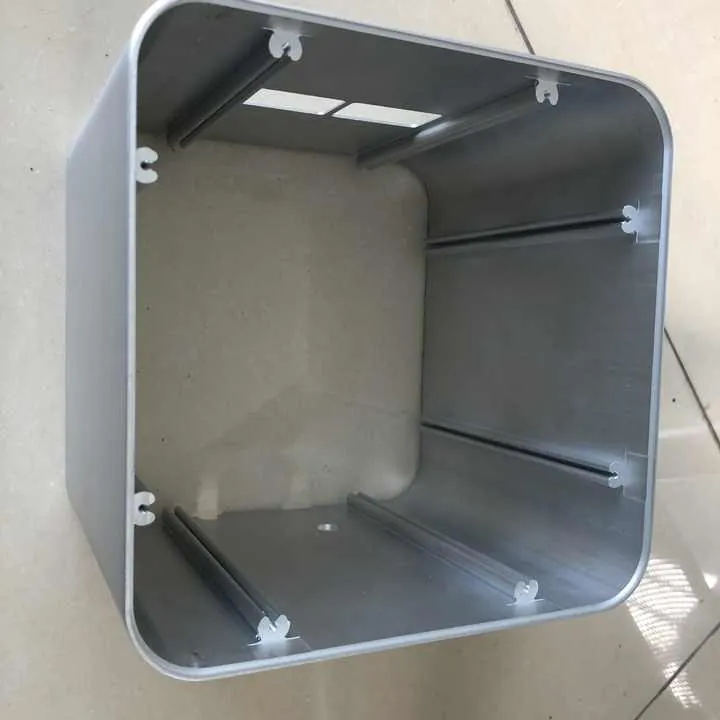
You have aluminum extrusion parts ready but machining them is tricky—walls thin, surfaces need high finish, chatter pops up, fixtures wobble.
Yes—you can machine aluminum extrusion effectively by selecting the right tools, using coolant for surface quality, avoiding chatter on thin walls, and employing good fixtures.
Let’s dive into each area. I’ll walk through tool choice, coolant, wall‑thin issues and fixture strategy to help you machine extrusion like a pro.
What tools suit extrusion machining?
Tool choice makes or breaks aluminum extrusion machining—wrong cutter, wrong material, trouble starts.
For aluminum extrusion you want high‑quality carbide tools, correct geometry and solid support to get clean cuts and predictable results.

When machining aluminum extrusion profiles, the tool material and geometry matter a lot. For example, carbide end mills are preferred because they offer better wear resistance and maintain sharp edges when cutting ductile materials like aluminum.
Tool material & coating
- Carbide is good. The softer nature of aluminum means you don’t need super tough high‑speed steel for many cases.
- Coatings (TiN, TiAlN) might help in longer runs, but in many extrusion jobs clean chip evacuation is more important than aggressive coating.
- Make sure tool flutes are suited for aluminum: large enough to carry away the chip and avoid clogging.
Geometry & flutes
- Use end mills with positive rake angle (for easier chip removal) and sharp cutting edges because aluminum tends to build up on dull tools.
- Two or three‑flute tools often work well because aluminum produces more chips and you want room for them.
- A smooth surface finish requirement means tool runout must be minimal and tool condition must be good.
Machine & setup compatibility
- The machine must be rigid and precisely aligned. Extrusion profiles often have varying cross‑sections, so tool engagement changes.
- For long extrusions, ensure the machine spindle and the tool length are suitable; long overhang increases deflection.
- Chip evacuation: Aluminum chips are conductive and can short‑circuit electronics; good vacuum or chip removal is needed.
Feed, speed, depth of cut
- You need to experiment. For aluminum, higher speeds and moderate feeds often work better than very low speeds.
- Depth of cut should maintain a stable engagement, especially with varying wall thicknesses in an extrusion profile.
- Adjust according to tool diameter, machine rigidity, and fixture stability.
| Factor | Recommendation |
|---|---|
| Tool Material | Solid Carbide |
| Flute Count | 2–3 Flutes |
| Rake Angle | Positive, Sharp |
| Coating | Optional (TiN, ZrN for aluminum) |
| Cutting Speed | High (500–1000 m/min) |
| Feed Rate | Moderate, consistent chip load |
Carbide end mills are suitable for machining aluminum extrusionsTrue
Carbide tools offer good wear resistance and sharp cutting edges which suit aluminum machining.
High‑speed steel tools always perform better than carbide in aluminum extrusion machiningFalse
While HSS may work, carbide tools are generally preferred for aluminum extrusion due to durability and sharper cutting edges.
Why coolant improves surface quality?
Surface finish suffers if heat builds up, chips clog, or tool rubs the part—coolant helps all these issues.
Using coolant or lubricant helps control temperature, evacuate chips and reduce built‑up edge, thus improving the finish on aluminum extrusions.

When machining aluminum extrusions, surface quality depends on multiple factors including tool wear, chip formation, heat, and built‑up edge (BUE). Coolant or an appropriate lubricating fluid can significantly mitigate those issues.
Benefits of coolant or lubrication
- Heat control: Even though aluminum has good thermal conductivity, during high speed machining localized heat can build up at the tool‑work interface.
- Chip evacuation: Long aluminum chips degrade the finish if not removed properly.
- Built‑up edge prevention: Coolant prevents material from sticking to the tool.
- Lubrication: Reduces friction between tool and work surface.
Choosing the right coolant or lubricant
| Type | Suitable for Aluminum? | Notes |
|---|---|---|
| Water-based Coolant | Yes | Good for cooling and chip flushing |
| Oil-based Mist | Yes | Better lubrication, less cooling |
| Wax or Paste | Limited use | Manual application, good for small runs |
Always ensure that the coolant is non-corrosive to aluminum and compatible with anodised or treated surfaces.
Coolant improves chip evacuation and tool life when machining aluminum extrusionsTrue
Coolant helps clear chips and reduce heat and built‑up edge, improving tool life and chip removal.
Coolant is unnecessary when machining short aluminum extrusion parts at low speedFalse
Even for shorter parts, without coolant heat and chips can harm surface finish and tool life.
How to avoid chatter on thin walls?
Thin‑walled extrusions vibrate easily under cutting load—chatter ruins finish, affects accuracy.
To avoid chatter on thin‐walled aluminum extrusions you need to reduce tool overhang, control cut engagement, support the part and optimise cutting parameters.
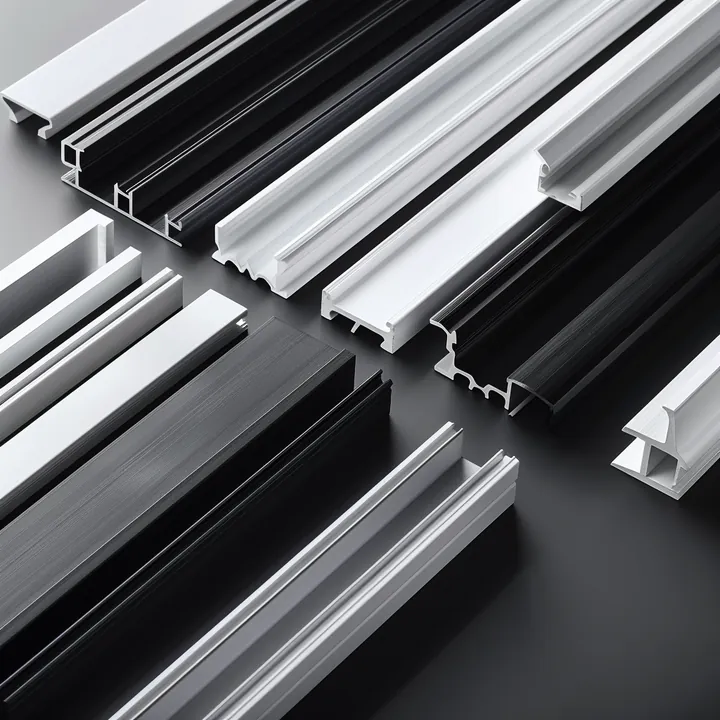
Thin walls in aluminum extrusion profiles present a particular challenge when machining. The lack of structural rigidity allows vibration or deflection under cutting forces, leading to chatter marks, poor surface finish and even dimensional inaccuracy.
Causes of chatter
- Thin walls flex under tool pressure
- Long tool overhang increases deflection
- Poor support allows vibration
- Too much depth of cut at once
Solutions
| Problem | Solution |
|---|---|
| Tool deflection | Use stubby tools, reduce overhang |
| Part vibration | Add support from inside or behind |
| Cutting force too high | Take lighter cuts, increase speed |
| Inconsistent chip load | Use consistent feed and climb milling |
Avoiding chatter means understanding the limits of rigidity in both tool and part. Internal supports, proper tool paths and optimized parameters make the difference.
Supporting thin‑walled aluminum extrusions from the inside or back reduces chatterTrue
Internal support increases rigidity of the workpiece and reduces vibration under cutting forces.
Using very deep cuts on thin‐walled aluminum extrusions is safe if feed rate is lowFalse
Deep cuts increase forces and risk vibration; simply lowering feed may still allow deflection and chatter.
Can fixtures stabilize machining setups?
Good fixtures make the difference between accurate chips and scrap‑parts—they lock the workpiece, align it, and reduce movement.
Effective fixtures for aluminum extrusion machining help position the profile, support unusual cross‑sections, handle long lengths and provide repeatable clamping for consistent results.
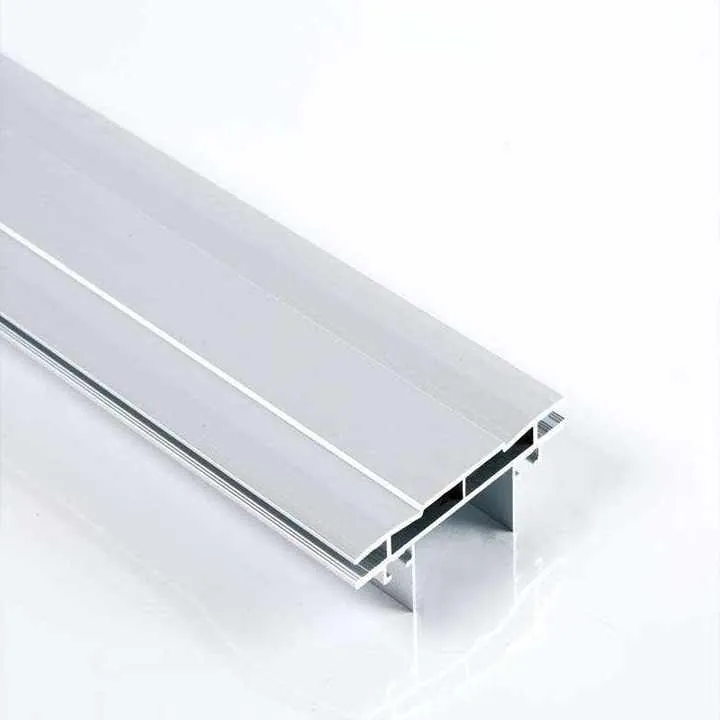
Extrusions often have complex shapes and vary in stiffness. Without a proper fixture, parts can move during cutting, or deform under clamp pressure.
Fixture requirements
| Fixture Feature | Purpose |
|---|---|
| Full-length support | Prevent sagging or bending during cut |
| Datum alignment | Ensures part is consistently positioned |
| Non-marring contact | Protects anodised or polished surfaces |
| Adjustable clamps | Accommodates profile size variations |
Using internal spuds or backing blocks to support hollow sections adds strength. Toe clamps and soft jaws can hold parts firmly without distortion. Avoid clamping directly onto thin walls.
A dedicated fixture that supports an extrusion along its full length reduces deflection and improves accuracyTrue
Full‑length support prevents sag and deflection, thus improving machining stability and accuracy.
Using only one clamp at one end of a long aluminum extrusion is sufficient for precision machiningFalse
Single clamp cannot prevent sag, deflection or vibration along long length; multiple supports/clamps are needed.
Conclusion
Machining aluminum extrusion profitably means picking the right tools, using coolant to improve finish, avoiding chatter on thin walls, and securing the workpiece with dependable fixtures. When all these elements align your results will be accurate, repeatable and high quality.