How to Ensure Leak‑Free Liquid Cooling Plate Sealing?
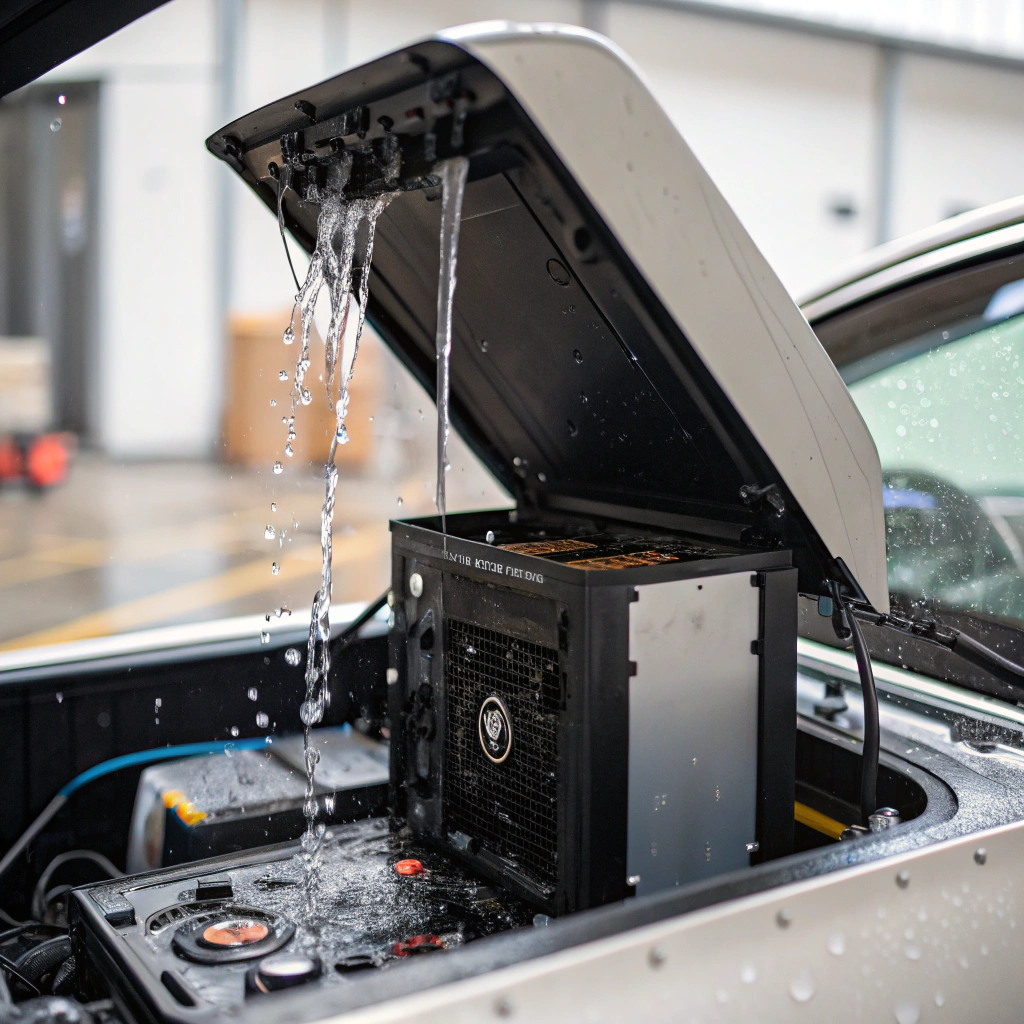
Imagine a high‑power device suddenly dripping coolant inside its case — that’s the nightmare every cooling designer fears.
Sealing in a liquid cooling plate is the method by which the coolant is kept inside the internal channels without escaping; ensuring that seal is leak‑free is critical to system reliability and safety.
Now I’ll take you step‑by‑step through what sealing means, why leaks matter, how to design and test good seals, and what trends are improving reliability today.
What Is Sealing in Cooling Plates?
Have you ever wondered how a sheet of metal with coolant flowing inside can sit inside electronics without leaking? That question leads us to the heart of sealing design.
In the context of a liquid cooling plate, sealing refers to the interface(s) — such as between the plate and cover, or between coolant channels and connectors — that prevent the coolant from escaping or external contaminants from entering.

What the term “sealing” covers
When I talk about sealing in a cooling plate, I mean several things:
- The joint between the base of the plate and its cover or lid (often welded, brazed, or bolted with a gasket).
- The interface between the channel walls and any connection fittings (inlets, outlets).
- The interface between the cooling plate and the system in which it sits (sometimes a thermal interface material acts as a seal too).
- The compatibility of materials and surfaces so that no unintended gaps, corrosion paths or channels open up over time.
Why sealing is non‑trivial in cooling plates
Liquid cooling plates often operate under pressure (even modest ones), thermal cycling, and sometimes vibration or mechanical stress. The literature notes that “at the interface of the Liquid Cold plate and the internal flow channel seal, suitable sealing materials and sealing structures should be used.”
The cooling plate must also be flattened, aligned, and free of warpage so that seals remain effective. Industry guidelines mention flatness requirements (for example < 0.1mm) at interfaces.
Materials, surface finish and structures
In my own experience (which I’ll replace with your story later), you must consider:
- Seal materials (rubber O‑rings, elastomers, gaskets, metal seals).
- Surface roughness and flatness. If surfaces are too rough or warped, a gasket cannot seal properly.
- Finish of surfaces (oxidation, coatings, corrosion). If material degrades over time, the seal may fail.
- Joint method: welded/brazed vs mechanical fastening (bolts + gasket) vs adhesive or compression.
- Thermal expansion differences: if materials expand differently during heating/cooling cycles, seal integrity is challenged.
Summary of what sealing involves
| Aspect | What to check |
|---|---|
| Interface surfaces | Flatness, roughness, cleanliness |
| Seal material | Compatibility with coolant, pressure, temperature, environment |
| Joint design | Type of joint (weld, gasket, mechanical), ease of assembly/maintenance |
| Material durability | Resistance to corrosion, fatigue, thermal cycling |
| External factors | Vibration, shock, mounting stresses, thermal expansion mismatches |
In short: sealing in cooling plates means designing and manufacturing the interfaces so that coolant stays inside where it should, under all expected conditions.
Sealing in a cooling plate only refers to an O‑ring between the coolant channel and outlet port.False
Sealing covers all interfaces including cover joints, channel walls, fittings, and material interfaces, not just one O‑ring.
A good seal in a cooling plate must consider flatness and roughness of the mating surfaces.True
Industry guidelines specify surface flatness and roughness requirements to ensure proper sealing.
Why Is Leak Prevention Crucial?
Picture coolant flowing freely into your electronics core — that image alone makes the case.
Leak prevention in liquid cooling plates matters because leaks can lead to contamination, loss of cooling performance, corrosion of components, system failure or even safety hazards.
The risks of a leak
When a cooling plate leaks, here are the possible consequences:
- Coolant loss: the cooling system may not remove sufficient heat, leading to overheating of sensitive components.
- Contamination of surrounding electronics: coolant may be conductive or corrosive, damaging PCBs, chips, wiring.
- Corrosion or material degradation: leaked fluid may corrode parts or seep into areas causing insulation breakdown or galvanic reactions.
- Pressure loss or flow disruption: the system may not achieve the required flow or pressure, reducing thermal performance.
- Safety concerns: in some applications, leak can cause short‑circuits, fires, or leaks into hazardous areas.
- Maintenance and downtime: detecting and repairing leaks is costly, time‑consuming, and may require full system shutdown.
Specific relevance for high‑performance cooling plates
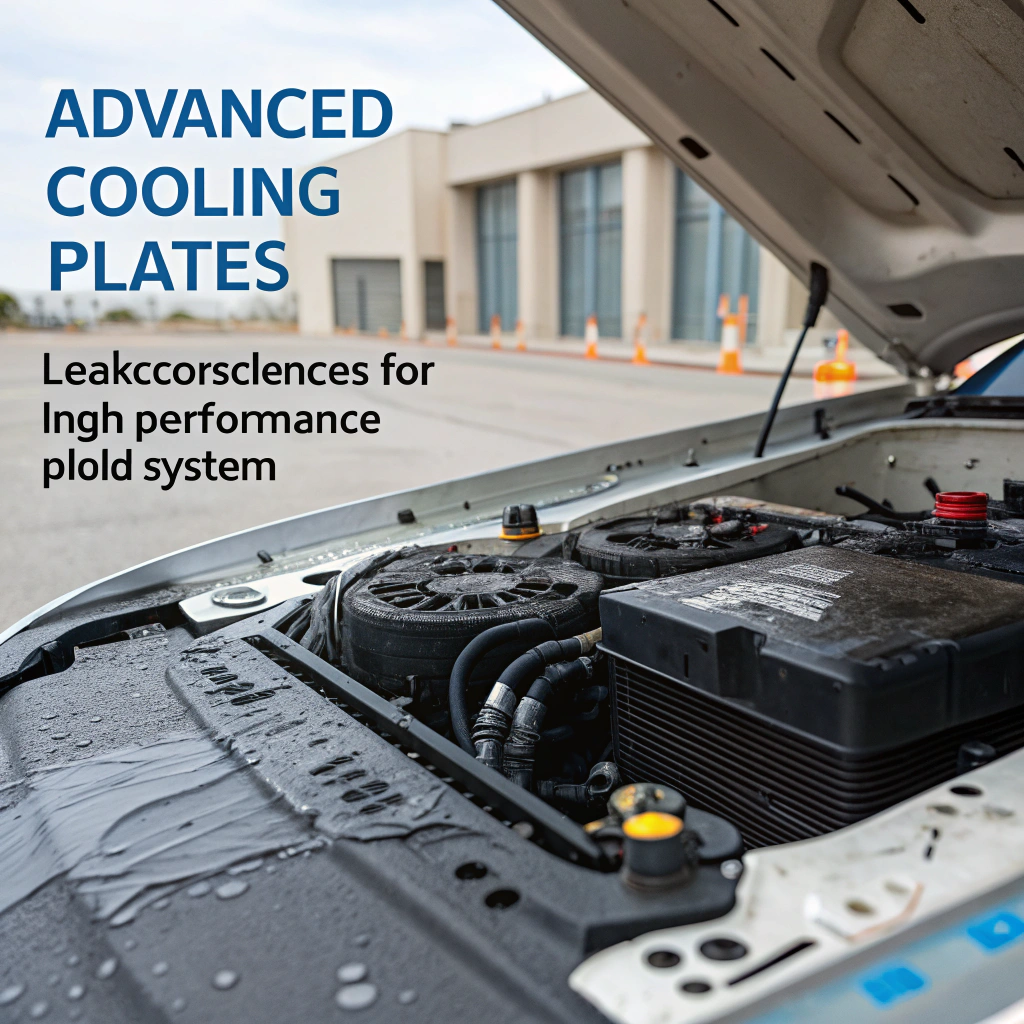
Advanced cooling plates (for high‑density electronics, automotive, data centers) push more flow, higher pressures, tighter packing, more channels.
Hence the sealing must be more reliable than in simpler systems. Even a small leak in a micro‑channel cooler can reduce system performance and cause reliability hits.
Business and manufacturing implications (from a B2B perspective)
Since I work in a B2B manufacturing context (you’ll replace this with your story), here’s how I see it:
- Your customer (large manufacturing plant, OEM) expects near‑zero failure rates. A leak means warranty cost, reputation damage, and maybe contract loss.
- In the supply chain, a sealed cooling plate is a quality differentiator. If we guarantee leak‑free delivery, we become a trusted partner.
- From a cost view: designing for sealing upfront is far cheaper than dealing with defect returns, recalls, or field failures.
Summary
Leak prevention is not just a nice-to-have. It is fundamental to reliability, performance, safety and cost‑effectiveness of cooling systems.
Leaks in a liquid cooling plate primarily just reduce cooling efficiency and are otherwise harmless.False
Leaks can cause much more than reduced efficiency: contamination, corrosion, safety issues, downtime.
In high‑density liquid‑cooled electronics systems, the sealing reliability is more critical than in low‑power systems.True
Higher heat densities, more channels, tighter tolerances increase sealing challenge and consequences.
How to Design and Test Effective Seals?
Designing a seal is like setting a trap for leaks before they even begin — you must anticipate stress, movement and materials.
Effective seal design involves selecting the right materials and joint type, ensuring surface preparation, designing for pressures/thermal cycling, and validating through tests like pressure/leak‑down, cycling, and inspection.
Design steps for sealing in cooling plates
1. Define operating conditions
- Coolant type, temperature range, pressure, flow rate
- Thermal cycles: hot‑cold transitions, startup/shutdown
- Mechanical loads: vibration, shocks, external mounting stresses
- Environment: corrosive atmosphere? humidity? contaminants?
2. Choose materials and joint type
- For plate body: typically aluminium, copper, stainless steel
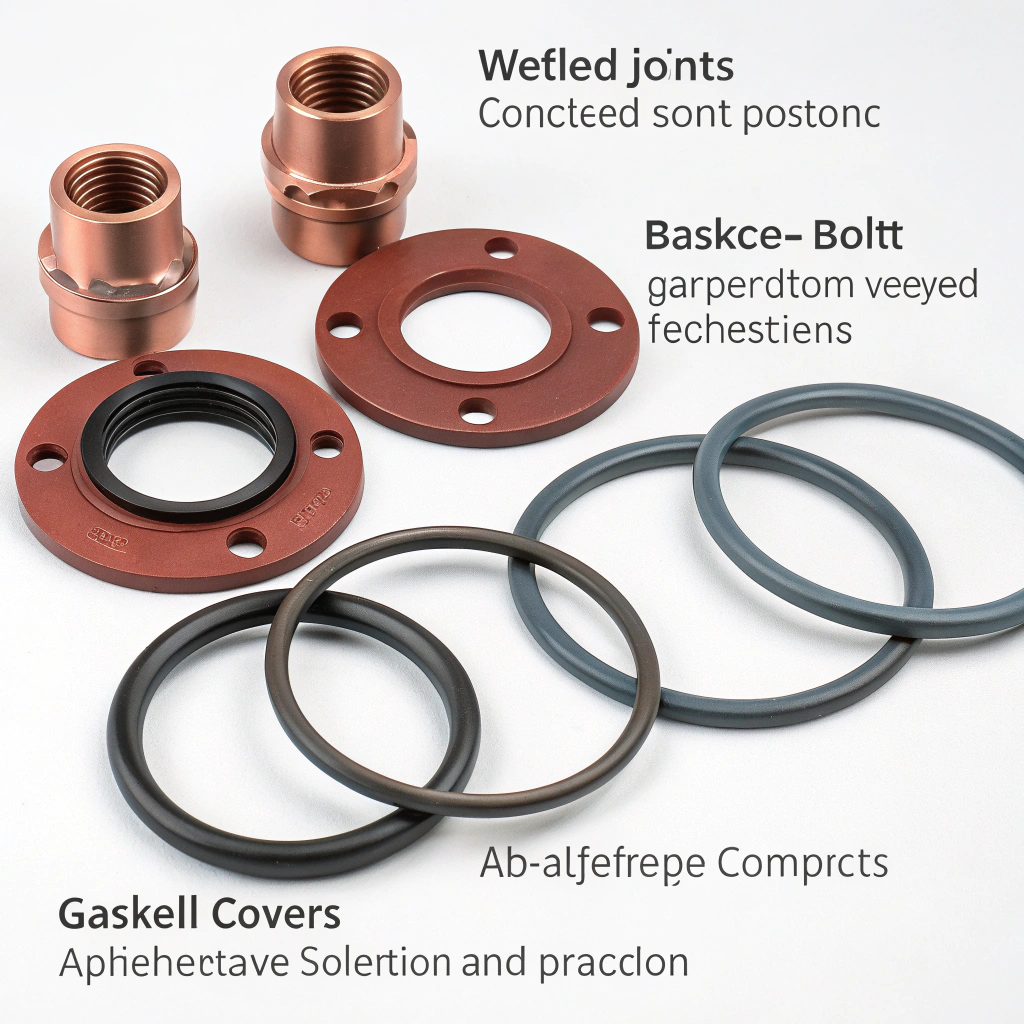
- For seals: elastomers (EPDM, FKM), metal gaskets, O‑rings
- Joint options: welded, bolt‑on cover with gasket, adhesive
- Ensure material compatibility with coolant
3. Surface preparation and tolerance
- Flatness (< 0.1mm), roughness, and cleanliness
- Avoid debris, oxidation, and machining burrs
- Proper machining and stress relief to avoid warpage
4. Joint and seal geometry
- Groove design for O‑rings or gaskets
- Squeeze, compression, torque control
- Consider differential expansion effects
- Use quality welds or proper bolt sequences
5. Assembly process control
- Use calibrated torque wrenches
- Clean seal installation
- Use lubrication if required
- Consistent bolt patterns and sequence
- Pre‑pressure checks before full operation
6. Testing and validation
| Test Type | Purpose | Typical Parameters |
|---|---|---|
| Hydrostatic pressure | Check for leaks under pressure | 1.5× operating pressure |
| Leak detection (Helium) | Detect micro‑leaks | Sniffer or vacuum chamber |
| Burst test | Check maximum failure pressure | Go until failure |
| Thermal cycle test | Hot‑cold cycling with pressure | 100+ cycles |
| Vibration test | Simulate real motion loads | Accelerated life testing |
| Visual inspection | Look for flaws and cracks | Pre and post test |
7. Lifecycle and maintenance
- Select seals with known aging curves
- Replaceable gaskets
- Serviceability built into design
- Leak sensors or pressure drop alerts
- Define maintenance intervals
Designing a sealing joint only requires selecting a gasket material; geometry and assembly do not matter much.False
Sealing joint design involves geometry, joint type, clamp load, surface preparation and assembly, not just material.
Testing both pressure and thermal cycling are essential to validate a cooling plate seal for real‑world use.True
Real operation involves pressure, temperature changes and cycling; testing both is key for reliability.
What Trends Improve Sealing Reliability?
If you think sealing is old hat, think again: new materials, processes and design methods are pushing reliability to new levels.
Emerging trends such as advanced elastomer composites, additive manufacturing of integrated cooling channels, digital simulation of seal behavior, and smart leak‑detection systems are improving sealing reliability in liquid cooling plates.
1. Advanced materials
- Fluoroelastomers with graphene additives
- Coated gaskets and corrosion‑resistant layers
- Hybrid metal/elastomer seals
2. Additive manufacturing
- Single‑body cooling plates
- No gaskets needed in integrated structures
- Fewer joints means fewer leak paths
3. Digital simulation
- CFD and FEA simulations of pressure/stress
- Predict seal compression and lifespan
- Optimize groove dimensions and preload forces
4. Automated QC and welding
- Laser or electron beam welding
- Real‑time quality monitoring
- Leak detection during assembly
5. Smart sensors and alerts
- Embedded leak sensors
- Moisture detectors near joints
- Flow sensors detect blockage or drop
6. Interface standardisation
- Industry guidelines for flatness, materials
- Common coolant compatibility tables
- Defined testing procedures and reporting
| Trend Category | Key Benefit |
|---|---|
| Advanced materials | Better lifespan, flexibility, resistance |
| Additive manufacturing | Integrated seals, fewer failure points |
| Simulation and design tools | Proactive failure prevention |
| Smart monitoring | Early detection before catastrophic leaks |
| Manufacturing controls | Repeatable high‑quality sealing |
Additive manufacturing of monolithic cooling plates can reduce the number of sealing interfaces and thus lower leak risk.True
With fewer joints and interfaces, there are fewer sealing surfaces and therefore fewer potential leak paths.
Emerging trends in seal materials and monitoring are only marginally helpful; the main improvements still come from better machining alone.False
While machining is important, improved materials, monitoring, simulation and manufacturing processes collectively provide significant advances in sealing reliability.
Conclusion
Leak‑free sealing in liquid cooling plates is not optional: it underpins system reliability, safety, and performance. By understanding what sealing really means, why leaks are dangerous, how to design and test seals properly, and by embracing the latest trends in materials and processes, you can build cooling plates that perform with confidence.