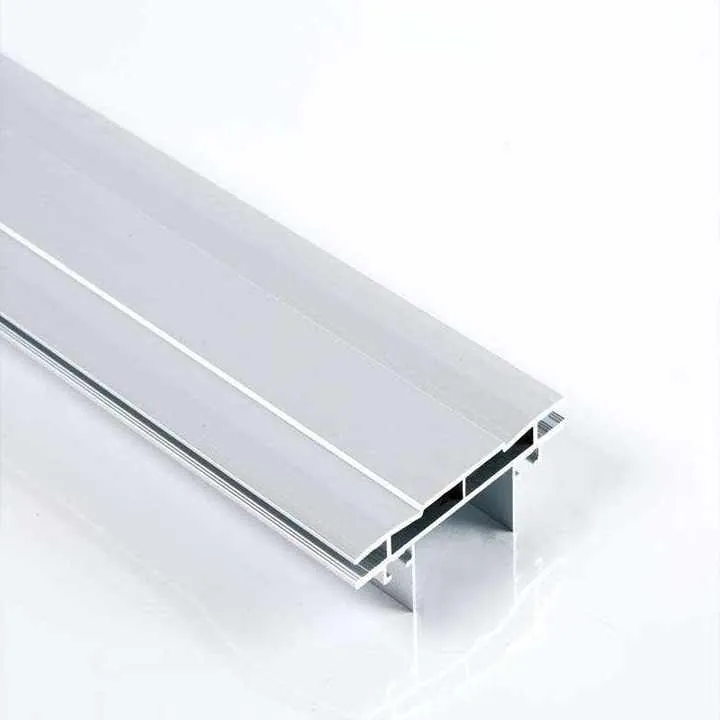
How to connect aluminum extrusions?

I often see fabrication teams wrestle with frame assembly issues—loose joints, mis‑aligned profiles, wasted time. Here’s how to fix that with clear steps.
You connect aluminum extrusions using a combination of fasteners, connectors, reinforcement at key joints, and modular kit strategies.
Let’s walk through each question so you’ll know what to use, why to avoid welding in many cases, where to add strength, and how kits can save real time.
What fasteners join extrusion frames?
Imagine you’re holding two beams and no way to lock them—you feel helpless. That’s the pain when you don’t pick the right fasteners.
Fasteners like T‑nuts, drop‑in nuts, bolts, corner brackets and plates are the standard for joining aluminium extrusions.

When I worked on my first aluminium extrusion project I learned fasteners matter more than you think. The common system is a T‑slot profile where the extrusion has a groove and a T‑nut or similar slides into that slot.
Here are some common fastener types:
Common fastener types
| Fastener type | Description | Typical use |
|---|---|---|
| T‑nut / drop‑in nut | Nut that slides or drops into the slot of the extrusion | For mounting panels, building frames |
| Bolt + washer | Standard bolt through bracket or plate | High‑load corners or joins |
| Corner bracket | Right‑angle bracket that bolts to two profile ends | Joining beams at 90° |
| Gusset or plate | Flat plate that spans across profiles | Reinforcement when loads are heavy |
Brackets, plates and gussets are used to stiffen, strengthen and reinforce aluminium extrusion joints. Aluminium extrusion is easily joined by screwing a fastener into the end face, but this only works when loads are very light.
A typical step‑by‑step process: order the profiles, insert nuts, align extrusions, then tighten bolts.
From my own experience, here are key fastener tips:
- Always pre‑insert nuts into the slot before assembly. If you forget, you’ll struggle to get the nut in later.
- Tighten bolts to the recommended torque. Under‑tightening means joint slip; over‑tightening risks profile damage.
- Choose the right bracket or plate for load direction.
- Avoid relying on end‑face fastening alone for anything besides light loads.
In practice, I recommend planning fasteners during the design phase. Pick your nuts, bolts, brackets before you begin.
You can always use a single bolt into the end face of a profile for any loadFalse
End‑face fastening works only for very light loads; heavier loads need reinforcement.
T‑slot nuts allow sliding the nut in the extrusion slot before tighteningTrue
T‑slot/drop‑in nuts are specifically made to slide or drop into the T‑slot channel.
Why use connectors instead of welding?
I’ve seen small shops weld aluminium profiles and then regret the mess, delay, and distortion. The problem is real.
Using connectors (bolts, brackets, fasteners) in extrusion systems avoids welding‑related issues and allows easier modification, reuse and assembly.
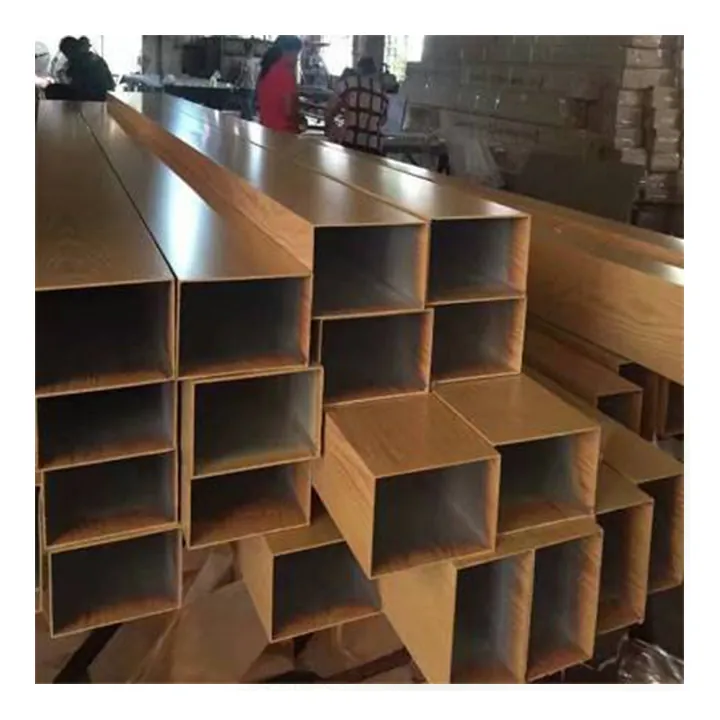
In the context of aluminium extrusion frames, one major advantage of connectors over welding is modularity. When you weld, you fix the parts permanently. If you need a change later, you’re stuck. On the other hand, if you use connectors you can disassemble or re‑configure parts.
Here are more reasons I found in my work:
Advantages of connectors (vs welding)
- Less specialised labour
- Lower distortion
- Faster assembly
- Better for modular systems
- Cleaner workmanship and lower equipment costs
Connectors aren’t perfect. If you use weak brackets or the wrong fasteners, your structure might not have enough rigidity.
I always pick connectors unless the application absolutely demands welding, such as very high loads or unusual geometry.
Welding always gives stronger joints than connectors in aluminium extrusion systemsFalse
While welding can be strong, in many aluminium extrusion frames connectors give sufficient strength and add flexibility, faster assembly, and less distortion.
Using connectors allows easier disassembly or reconfiguration of the frameTrue
Bolted/fastened connectors make modularity and future changes feasible.
Where should joints be reinforced?
When I first built a large extrusion frame without reinforcement I saw unexpected deflection and joint creep. The pain was real.
Joints that bear heavy loads, span long distances or support cantilevers must be reinforced with gussets, plates or brackets for stiffness and strength.

Selecting where to reinforce a joint is critical. In my line of work I regularly encounter frames that fail because joints weren’t designed for real loads.
Here are key factors I use to evaluate each joint:
Key reinforcement criteria
- Load type and direction
- Span and support
- Number of intersecting profiles
- Moment or torque at the joint
- Service environment and future adjustments
Practical reinforcement options
- Gusset plates
- Flat plates
- Corner brackets with ribs
- Use of bolts in double shear
If I were designing a frame for a heavy-duty application, I’d reinforce every major joint. I’d also mark joints by estimated load and define whether they need standard or heavy-duty support.
Joints supporting cantilevered beams seldom require reinforcement if standard brackets are usedFalse
Cantilevered beams create bending moments and likely require reinforcement such as gussets or plates.
A horizontal member resting directly on a vertical member helps reduce slipping at the jointTrue
Resting the horizontal member on the upright transfers load via compression rather than relying purely on fastener friction, reducing slip.
Can modular kits simplify extrusion assembly?
My first time ordering cut-to-length extrusions with pre-inserted nuts felt like a luxury. Without that, assembly drags.
Yes — modular kits of aluminium extrusions, pre‑cut profiles, fitted fastening hardware and connectors can dramatically simplify and speed assembly.
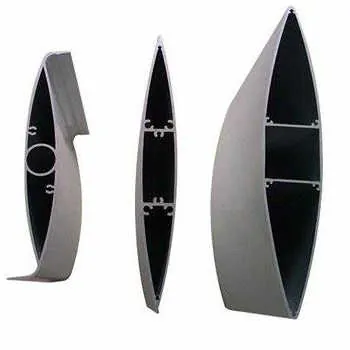
Before a big project, I evaluated whether to supply raw stock or offer pre-packed kits. The modular option saved us time and hassle.
Benefits of modular kits
- Time savings
- Reduced assembly errors
- Modularity and flexibility
- Cleaner workflow
- Scalability for repeated builds
What to watch or plan for
- Ensure accurate part lists
- Pre‑insert nuts when required
- Check tolerances and drilled holes
- Plan logistics and shipping
- Consider future design changes
Sample modular kit components
| Component type | Provided in kit? | Benefit |
|---|---|---|
| Pre‑cut aluminium profiles | Yes | No onsite cutting required |
| T‑nuts / drop‑in nuts | Yes | Fastening ready |
| Connectors/brackets | Yes | Ensures correct angles/joints |
| Labelled hardware pack | Yes | Easier sorting on site |
| Assembly instructions | Yes | Speeds up build & reduces error |
As a supplier, I’ve seen modular kits reduce build times, avoid mistakes, and improve the client’s experience. For repeat orders, they’re ideal.
Modular aluminium extrusion kits always cost more than buying raw profiles and assembling yourselfFalse
While upfront cost may be higher, savings in labour, errors, assembly time and re‑work often offset it.
Using a modular kit reduces onsite cutting, drilling and part sorting significantlyTrue
Kits come pre‑cut, pre‑sorted and labelled so onsite work is simplified.
Conclusion
In summary, when you connect aluminium extrusions you will use the right fasteners, prefer connectors over welding in many cases, reinforce critical joints, and benefit from modular kits to speed and simplify assembly.