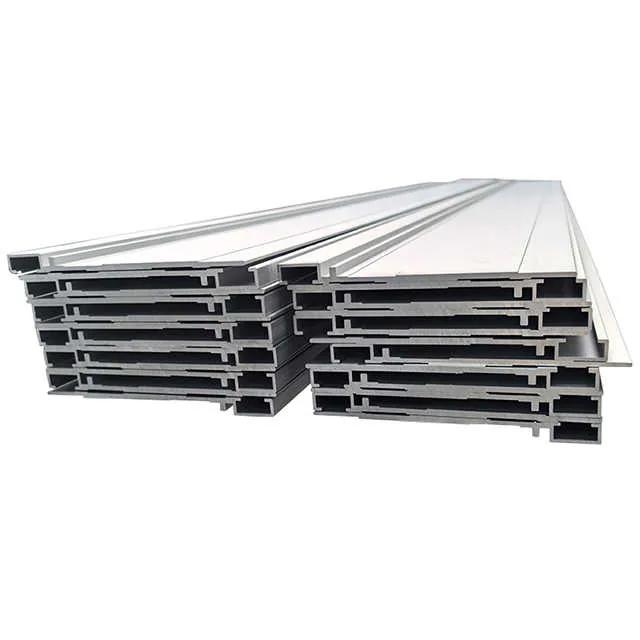
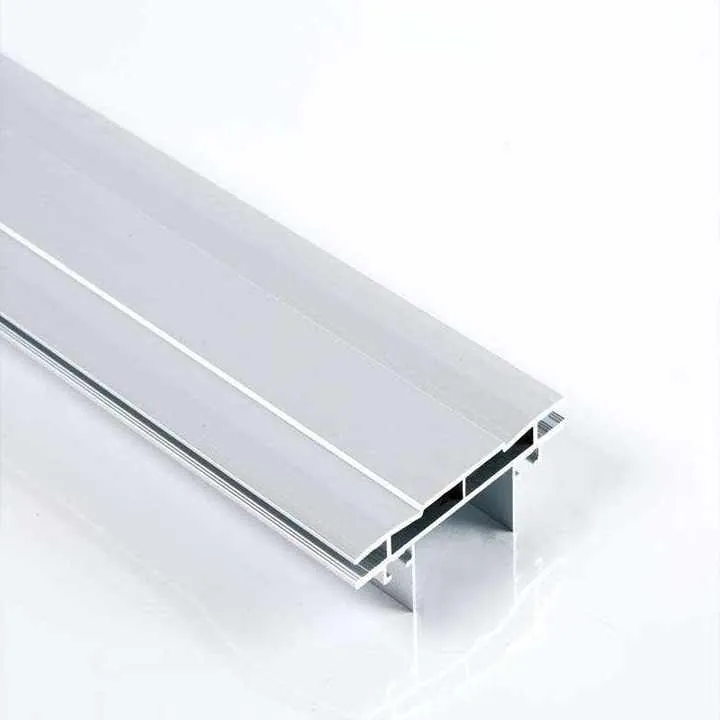
how to bend aluminum extrusion?

I once tried bending a long aluminium profile only to find it cracked halfway through — I had not understood the correct tools and method.
Bending aluminium extrusions requires the right tooling, sometimes heat, careful control of wall stresses, and internal support for hollow sections.
I’ll walk you through the tools, why heat helps, how to avoid cracking, and when to use internal mandrels to support hollow profiles.
What tools bend extrusions smoothly?
Imagine trying to form a smooth curve with no marks or kinks — the wrong tool will show in the finish immediately.
Smooth bending of aluminium extrusion relies on specialized bending equipment: roller benders, rotary draw machines, ram presses, or even hand jigs for light duty.

When I first explored bending extrusions for curved frames, I discovered the following tool categories:
Typical bending tools
| Tool type | Best for | Benefits | Limitations |
|---|---|---|---|
| Roller bending machine | Large radii, gentle curves | Continuous curve, less stress | Bulky equipment, less suited to tight bends |
| Rotary draw / CNC bender | Precise bends, tight radii | Accurate angles, repeatable, clean finish | Higher cost, often limited profile range |
| Ram / press bend | Simpler bends, lower volume | Fast, straightforward setup | May leave marks, less smooth for complex shapes |
| Manual jig and soft mallet | Lightweight or decorative profiles | Low cost, flexible | Very labour intensive, best for thin simpler profiles |
From experience, bending aluminium extrusions is not like bending sheet metal — you must match the tooling to the profile shape and alloy to avoid distortion or cracking.
Using the right type of bending tool (roller, rotary draw, ram) improves finish quality and reduces defects when bending aluminium extrusionsTrue
Each tool provides different levels of control depending on profile shape, size and bend radius.
Any generic metal bending tool will work equally well for aluminium extrusions regardless of profile or alloyFalse
Extrusions require tailored tooling due to their unique cross-sections and material behavior.
Why heat can assist bending?
When I attempted to bend a harder aluminium alloy cold I found it cracked or the surface crazed — that experience taught me about the role of heat.
Applying heat before or during bending can increase ductility, reduce risk of cracking, ease forming and improve the surface finish of aluminium extrusions.

Here are the key reasons heat helps in bending aluminium extrusions:
Improved material behaviour
Aluminium becomes more ductile and easier to shape when heated. This is especially important for harder tempers or thicker profiles, which tend to crack or resist bending when cold.
Reduced stress concentration
The heat reduces internal stresses during deformation. This means less risk of surface cracking, especially in coated or anodized profiles where the outer layer is more brittle.
Better control for tighter radii
Some bend radii are simply too tight for cold bending. By heating the metal, it’s possible to bend more sharply without damaging the profile.
Practical tips
- Heat evenly across the bend area.
- Avoid overheating to prevent discoloration.
- Maintain clean surfaces during heating to avoid contamination.
- After bending, profiles may need to be re-tempered for structural applications.
From my workshop experience, even a slight application of controlled heat made the difference between a successful bend and a scrapped part.
Heating the bend zone of an aluminium extrusion helps prevent cracking and improve ductility during bendingTrue
Heat lowers resistance to deformation and minimizes internal tension, making the metal easier to form.
Aluminium extrusions can always be bent cold without any heating if you simply use enough forceFalse
Cold bending hard tempers or small radii causes cracks or distortion, especially on decorative surfaces.
How to avoid cracking while bending?
Avoiding cracks — especially surface cracks or internal micro‑fractures — is perhaps the trickiest part of bending aluminium extrusions. My early bent profiles taught me what not to do: too sharp a bend, wrong support, no mandrel, no heat.
Preventing cracking requires: correct alloy and temper selection, adequate support for the profile, sufficient bend radius, correct tool path, and surface preparation if the extrusion is coated or anodised.
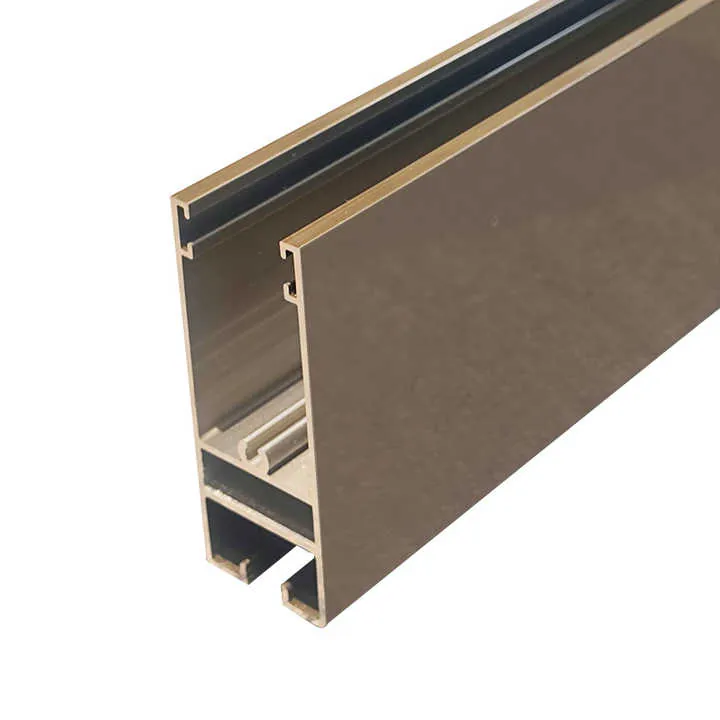
Here is a deeper walkthrough of how to avoid cracking:
1. Know your alloy and temper
Harder tempers are more likely to crack during bending. Using softer tempers or annealed material helps reduce the risk.
2. Choose the right bend radius
Minimum bend radii depend on the extrusion’s thickness and shape. A general rule is to keep the radius at least three to four times the profile thickness or circumscribing diameter.
3. Support the profile properly
Use tooling that provides support along the bend. Unsupported sections can twist, causing uneven force distribution and cracking.
4. Apply gradual force
Don’t rush the bend. A slower, more controlled motion prevents sudden force spikes that may cause breakage.
5. Pay attention to surface treatment
Anodised profiles are more prone to surface cracking. If surface quality is critical, you may need to bend before anodising.
6. Inspect the result
After bending, look for signs of cracking, deformation or surface stress. If possible, run a test bend on scrap material before the actual workpiece.
In production runs, I always perform a bending trial first, especially for profiles with thin edges or hollow sections.
Using a bend radius that is too tight relative to the profile size is a major cause of cracking in aluminium extrusionsTrue
Tighter radii produce higher stresses that exceed the material's bend tolerance, leading to cracking.
If the profile is soft alloy and large radius then no support or mandrel is needed during bendingFalse
Even soft alloys need proper support to prevent sagging or internal distortion, especially in complex sections.
Can mandrels support internal walls?
When bending hollow or thin‑walled extrusions, I once ignored the hollow chamber and ended up with the internal wall buckling and collapsing inward — that error showed me the value of internal support.
Yes — mandrels (internal supports) or filling methods can significantly support internal walls of hollow aluminium extrusions during bending, preventing collapse, wrinkling or distortion.
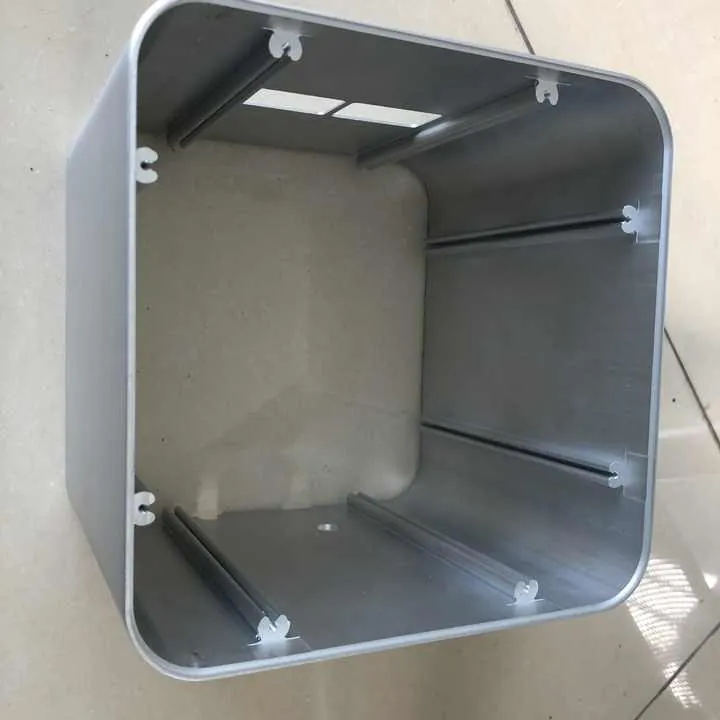
Here’s how mandrels and internal support work:
Why mandrels matter
During bending, the inside of the profile experiences compression. Hollow sections can collapse inward without reinforcement. A mandrel supports the interior and prevents this from happening.
Types of internal support
| Support Type | Description | Best Use Case |
|---|---|---|
| Solid plug mandrel | Solid piece inside profile | Simple curves and large diameter hollows |
| Ball mandrel | Linked spheres that flex with bend | Tight bends or variable radius sections |
| Packed sand or filler | Granular fill that distributes pressure evenly | Temporary or one-off bends |
| Custom internal dies | Shaped blocks or plates matched to interior | Complex or large hollow profiles |
Best practices
- Match mandrel shape to interior geometry.
- Avoid oversized mandrels that may scratch walls.
- Lubricate if necessary to prevent friction damage.
- Keep the mandrel in place until bending is complete.
I’ve used mandrels in several architectural railing projects and solar panel frames. The final bends were cleaner, with no internal collapse or visible deformation.
Mandrels or internal support are necessary when bending hollow aluminium extrusions to prevent wall buckling or collapseTrue
They maintain internal shape by counteracting compressive forces during bending.
Mandrels are only useful for round tubing and not needed for aluminium extrusions with more complex cross-sectionsFalse
Mandrels help in any hollow profile shape where internal collapse is a risk, not just round tubes.
Conclusion
Bending aluminium extrusions is both an art and a science. With the right tool, heat, bend radius, and support — including internal mandrels for hollow sections — you can form smooth, accurate curves without cracking, distortion or collapse. Careful preparation always pays off.